Whatley Manor

Whatley Manor sits in the Cotswold countryside outside Malmesbury, operating in the tier of British country-house hotels where kitchen ambition and estate-sourced ingredients define the offer. The property's dining draws comparison with destination restaurants in rural England that treat provenance not as a marketing point but as a structural commitment woven into every course.
Pearl is the En Primeur Club membership app — saves, bookings, and concierge access live there. Same editors, same standards.
- Address
- Whatley Manor, Easton Grey, Malmesbury SN16 0RB, United Kingdom
- Phone
- +441666822888
- Website
- whatleymanor.com
- Directions
- Get directions
 Saves & bookings on Pearl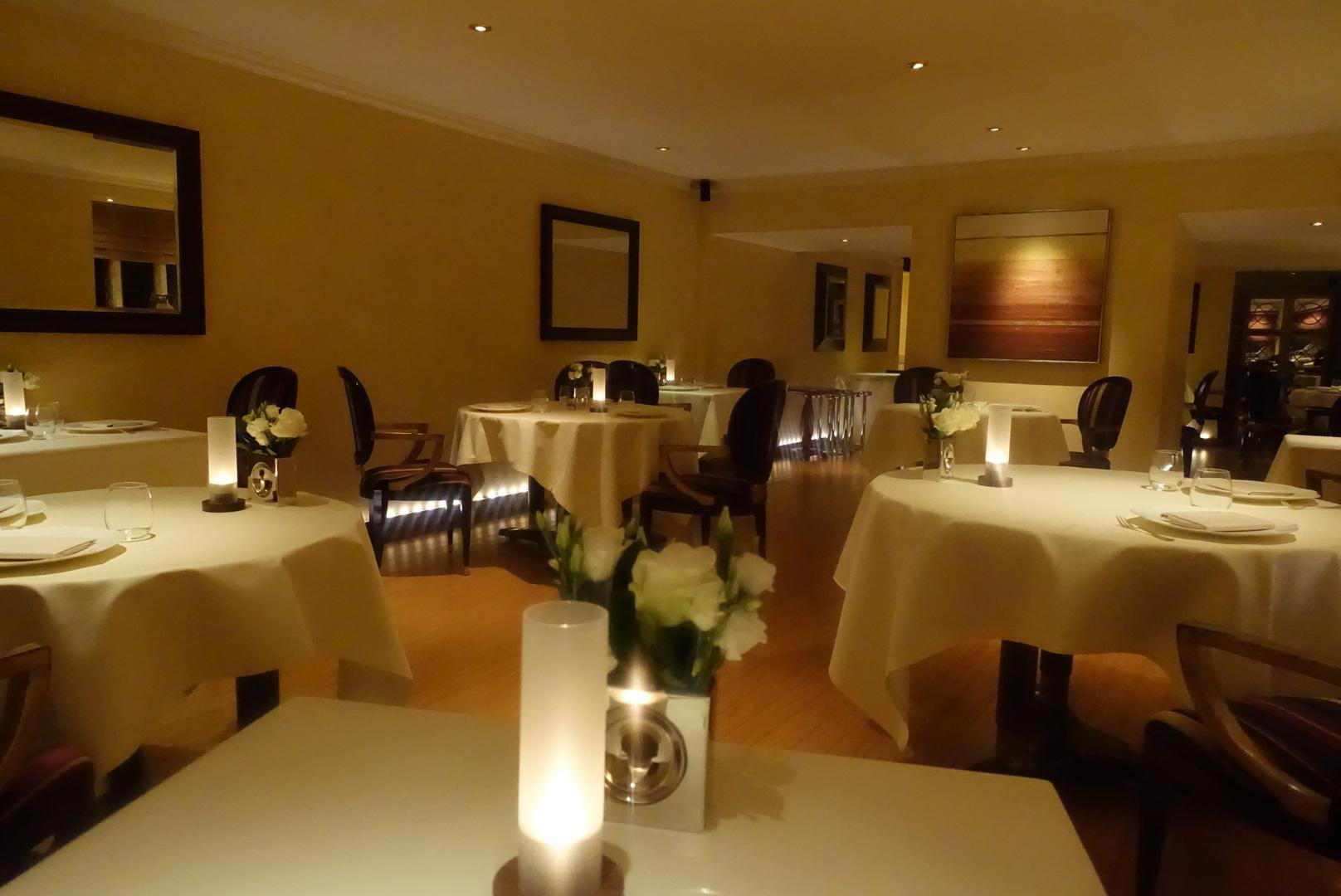
Where Cotswold Stone Meets a Kitchen With Convictions
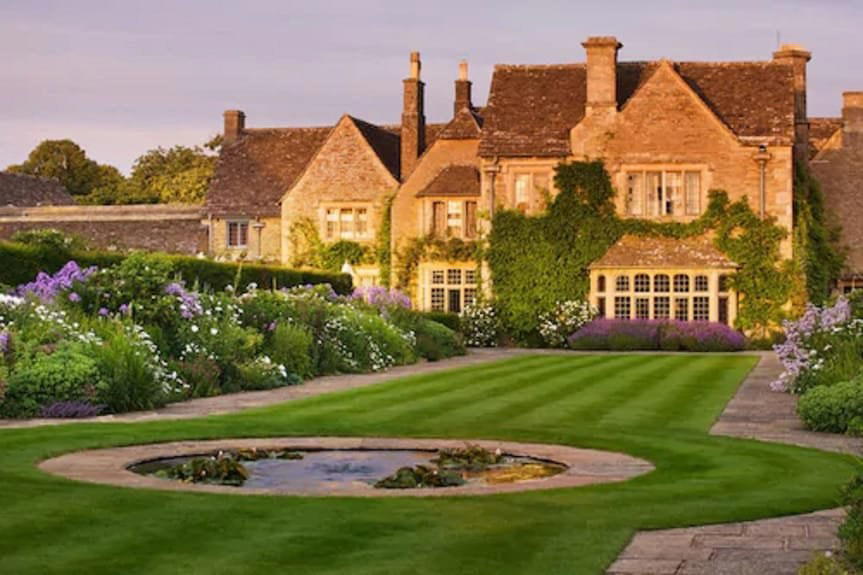
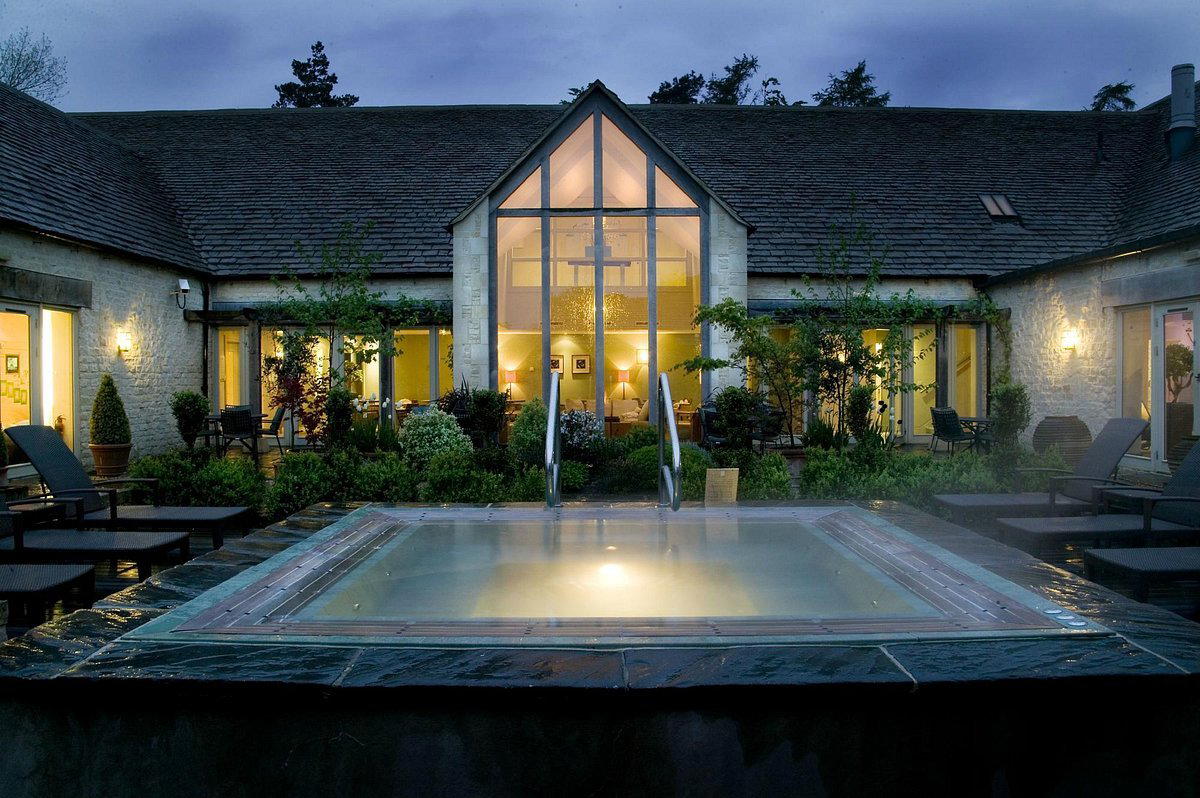
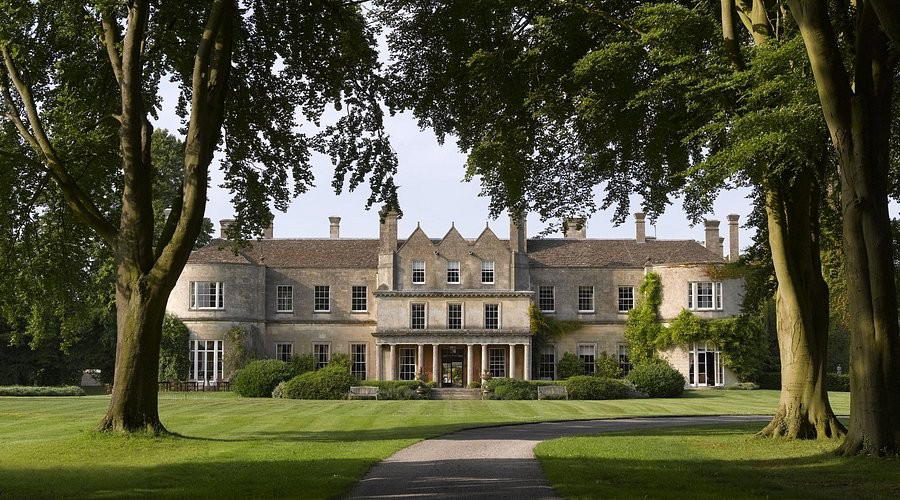
Whatley Manor is a Modern British Fine Dining restaurant in Malmesbury, United Kingdom, with. Arriving at Whatley Manor, the Wiltshire countryside does most of the work before you reach the door. The estate sits outside Malmesbury, a market town whose Saxon abbey and position near the Cotswolds give it a sense of deep geographic rootedness. That rootedness is not incidental to what the kitchen does here. In a dining category where country-house hotels can too easily lean on heritage aesthetics while the food lags behind, Whatley Manor belongs to a smaller cohort that takes provenance seriously enough to build its sourcing around the agricultural geography it occupies.
The broader category of rural British destination dining has split along a clear fault line in recent years. On one side sit properties where the country-house setting functions mainly as atmosphere, with a kitchen producing competent modern European food sourced from the same national distributors as a well-run urban restaurant. On the other sit a smaller number of estates and country hotels where proximity to specific farms, dairies, and market gardens shapes the menu in ways that a city kitchen cannot replicate. The restaurant operates in that second group, and understanding that distinction matters when you are choosing between it and, say, a weekend in a spa hotel that happens to have a restaurant.
The Ingredient Logic Behind the Dining Room
In English fine dining, the conversation around sourcing has matured considerably since the farm-to-table idiom became a hospitality cliché. What separates a genuine sourcing commitment from marketing copy is specificity and consistency: named suppliers, seasonal constraint, and dishes that change because the land changes, not because a new menu cycle has been scheduled. The Cotswolds and the broader Wiltshire and Gloucestershire farmland surrounding Malmesbury produce beef, lamb, heritage vegetables, soft fruit, and dairy of genuine quality, with producers who have spent decades supplying kitchens that ask difficult questions about rearing and harvesting conditions.
At properties like Whatley Manor, the kitchen's relationship with this agricultural hinterland is its primary competitive distinction. The estate's own grounds contribute herbs and produce that feed directly into service, shortening the chain between soil and plate to a degree that most urban restaurants cannot achieve regardless of their sourcing intentions. This is the argument for choosing a destination like this over, for example, CORE by Clare Smyth in London or Atomix in New York City: those kitchens operate at a level of technical ambition that is hard to match anywhere, but they work from supply chains that a rural estate property simply does not need to rely upon.
The comparison with other rural destination restaurants in the British Isles is instructive. L'Enclume in Cartmel has built an internationally recognised model around its own farm in Cumbria. Moor Hall in Aughton sources from the West Lancashire agricultural belt with similar discipline. Le Manoir aux Quat'Saisons in Oxford has operated kitchen gardens as a functional part of its culinary identity for decades. The restaurant sits in this tradition, where the estate's geography is a kitchen resource rather than a backdrop.
Dining Formats at Whatley Manor
The property offers more than one dining context, which places it in the pattern of country-house hotels that have learned to serve different guest intentions on the same site. The Dining Room (Creative) and Grey's (Modern British) operate as distinct offers within the estate, the former oriented towards a more composed, technique-led tasting experience, the latter towards something more accessible without sacrificing the sourcing rigour that defines the property's kitchen culture. This split between a formal and informal dining offer under one roof is now a structural feature of the country-house hotel category, from Gidleigh Park in Chagford to Hand and Flowers in Marlow, and it reflects how these properties have adapted to guests who want to eat well without committing to a full tasting menu every evening of a stay.
For a broader overview of where the restaurant sits within the local dining picture, our full Malmesbury restaurants guide maps the options across different price points and formats.
Where Whatley Manor Sits in the British Fine Dining Picture
Mapping the restaurant against its national comparable set requires acknowledging a distinction between Michelin-starred country hotels and the broader category of ambitious rural destination dining. Properties like Restaurant Sat Bains in Nottingham, Restaurant Andrew Fairlie in Auchterarder, and The Glenturret Lalique in Crieff have each built a national reputation from geographic positions that require deliberate travel decisions. The restaurant operates in this same logic: you do not end up here by accident. The decision to visit is a statement about prioritising a specific kind of dining experience over urban convenience.
At this tier of the market, the comparison set also extends internationally. Waterside Inn in Bray has held three Michelin stars across multiple decades, setting a standard for what sustained excellence in a rural English context looks like. Midsummer House in Cambridge, Opheem in Birmingham, hide and fox in Saltwood, and Le Bernardin in New York City each represent different expressions of technical ambition at the upper end of their respective markets. The restaurant's particular argument is not technical maximalism but geographic authenticity: the food here is possible because of where the estate sits, not despite it.
Planning a Visit
Malmesbury sits roughly equidistant between Bristol and Swindon, with Junction 17 of the M4 providing direct motorway access. For guests travelling by rail, Kemble is the nearest mainline station on the London Paddington to Cheltenham line, though a car or pre-arranged transfer is necessary for the final leg. The dining experience, the grounds, and the spa infrastructure are designed to be used across an overnight or weekend itinerary rather than compressed into an evening out from a nearby city. Forward planning is advisable, especially for weekends and special occasions.
A Quick Peer Check
Comparable venues nearby, for context on price, style, and recognition.
| Venue | Cuisine | Price | Awards | Notes |
|---|---|---|---|---|
| Whatley ManorThis venue — the venue you are viewing | Modern British Fine Dining | $$$$ | Not listed | Not listed |
| Grey's | Modern British Brasserie | $$$ | Michelin Plate | Easton Grey |
| The Dining Room | Modern Fine Dining | $$$$ | Michelin 1 Star | Easton Grey |
| Whatley Manor | hotel_bar | $$$$ | Not listed | Easton Grey |
| Tower | Modern British Fine Dining | $$$$ | Not listed | Thornbury |
| Grace & Savour | Modern British farm-to-table tasting menu | $$$$ | Not listed | Hampton in Arden |
Recognition history
Dated appearances from independent guides and award organizations, with the underlying list record or original source where available.
Star Wine List
Star Wine List
Continue exploring
More in Malmesbury
Restaurants in Malmesbury
Browse all →
Bars in Malmesbury
Browse all →
At a Glance
- Elegant
- Sophisticated
- Romantic
- Intimate
- Special Occasion
- Date Night
- Celebration
- Hotel Restaurant
- Open Kitchen
- Private Dining
- Historic Building
- Extensive Wine List
- Farm To Table
- Local Sourcing
- Garden
Current opening hours
- Monday
- Closed
- Tuesday
- Closed
- Wednesday
- Closed
- Thursday
- 7–9:30 PM
- Friday
- 7–9:30 PM
- Saturday
- 7–9:30 PM
- Sunday
- 7–9:30 PM
Hours can change for holidays and private events. Last verified .
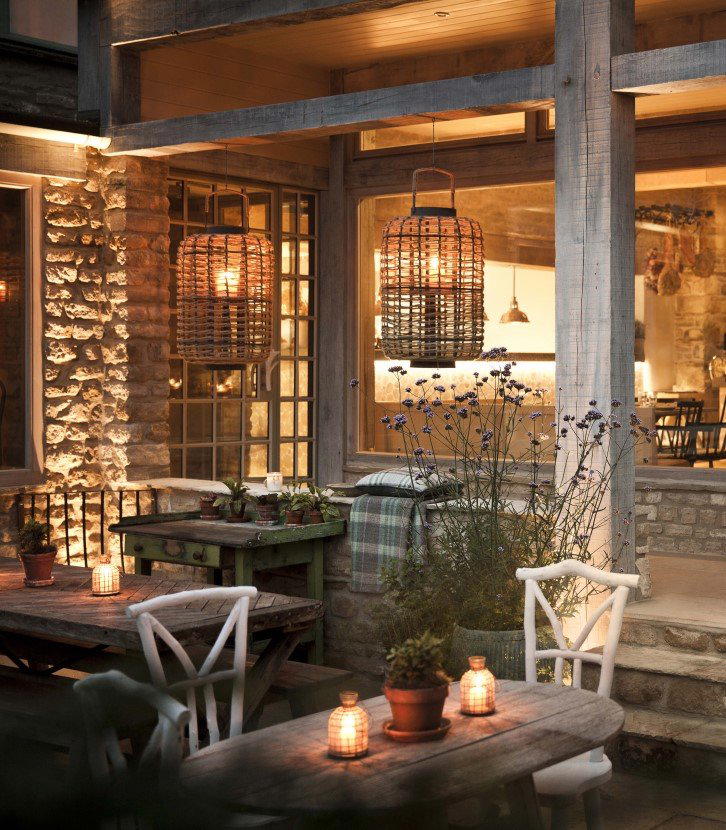
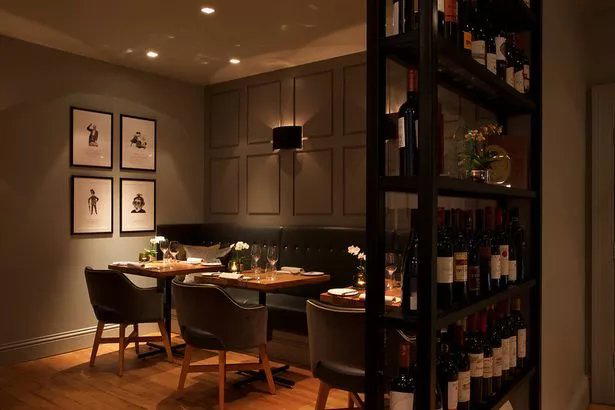
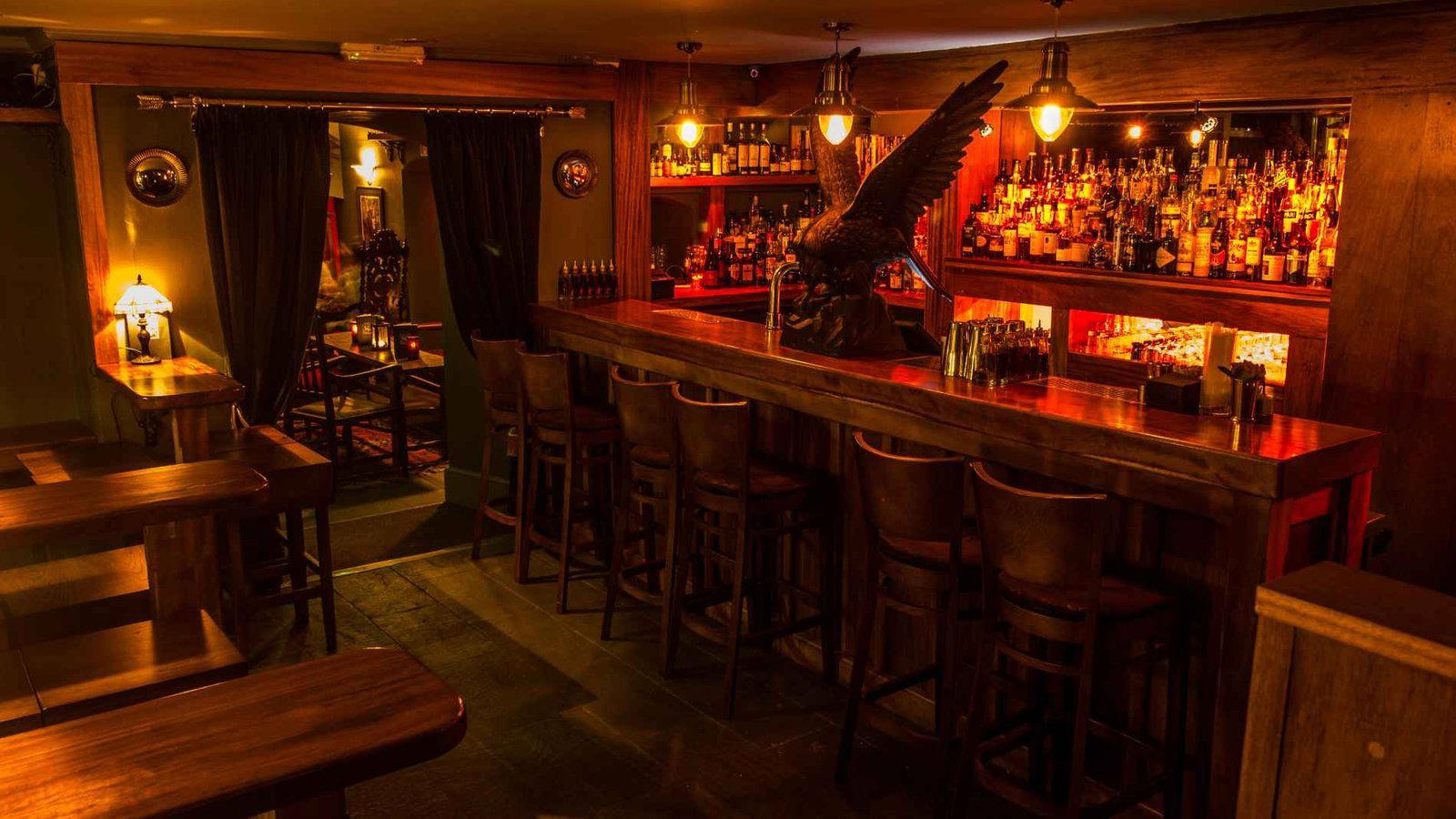
Serene, romantic, and elegant with bright, spacious setting, well-spaced tables, and neutral decor focusing on the food.