Lucknam Park, Emblems Collection

Lucknam Park, part of the Emblems Collection, holds three Michelin Keys in the 2025 guide, placing it among the more formally recognised country house hotels in the United Kingdom. Set in Colerne, Wiltshire, the property operates within a comparable set that combines architectural heritage with serious hospitality programming. For travellers weighing rural UK escapes, it represents one of the stronger anchors in the West Country.
Pearl is the En Primeur Club membership app — saves, bookings, and concierge access live there. Same editors, same standards.
- Address
- Lucknam Park, Chippenham SN14 8AZ, United Kingdom
- Phone
- +44 1225 742777
- Website
- lucknampark.co.uk
- Directions
- Get directions
 Saves & bookings on Pearl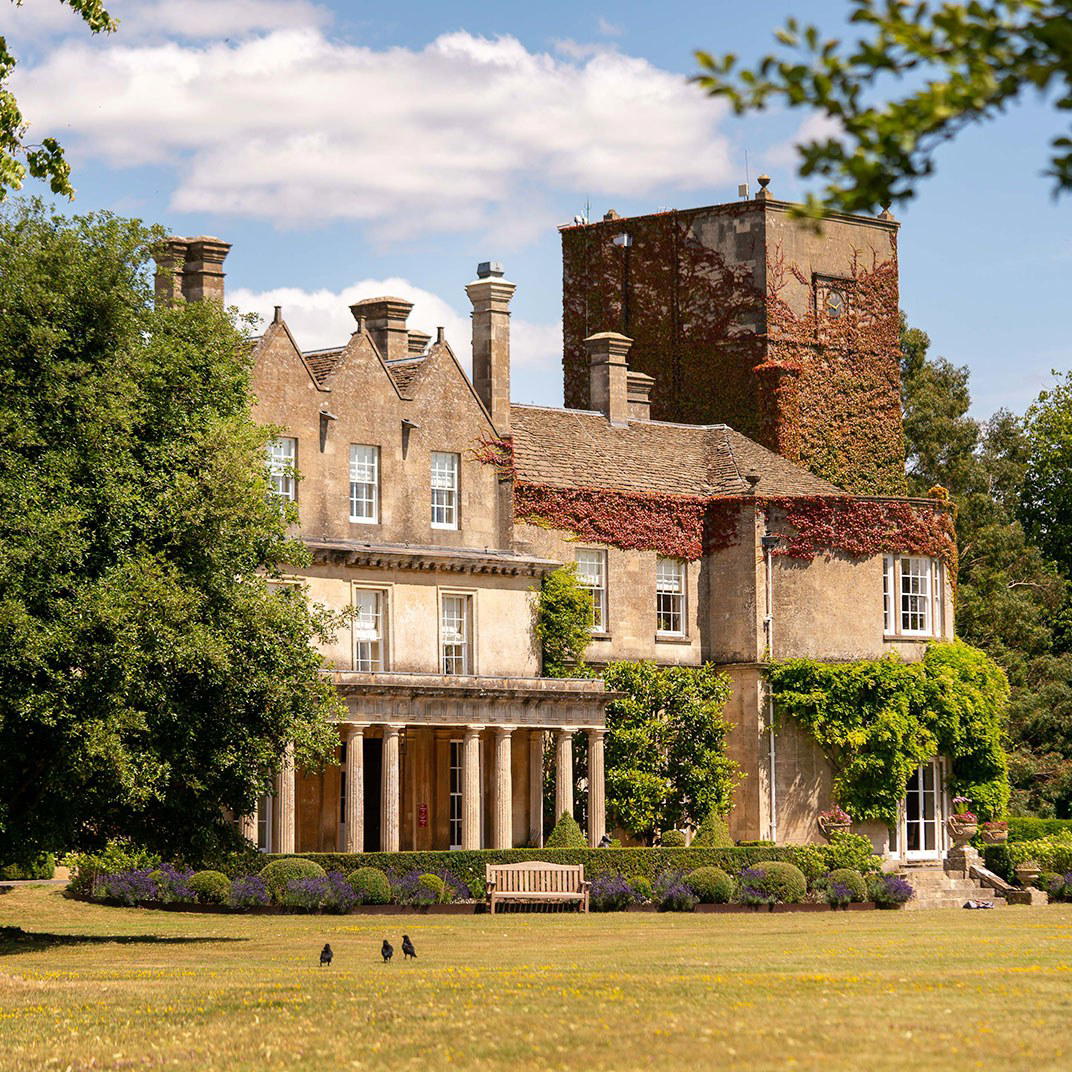
A Palladian Approach to Country House Staying
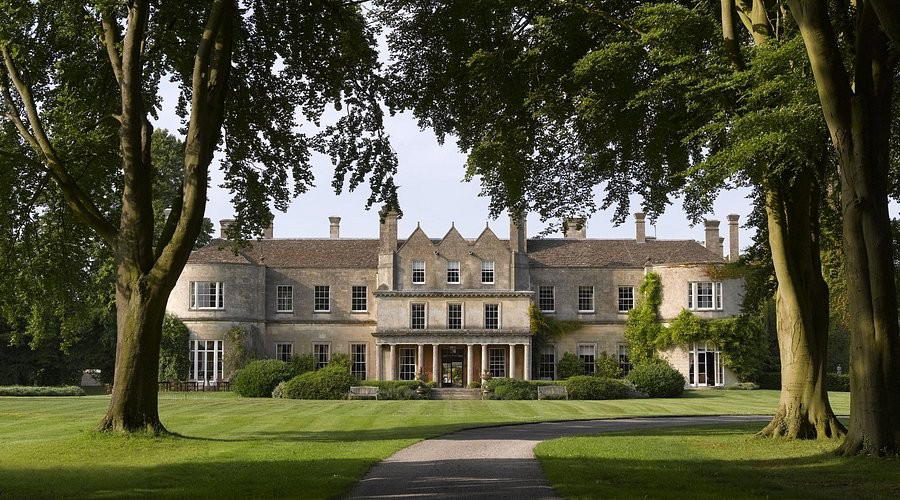
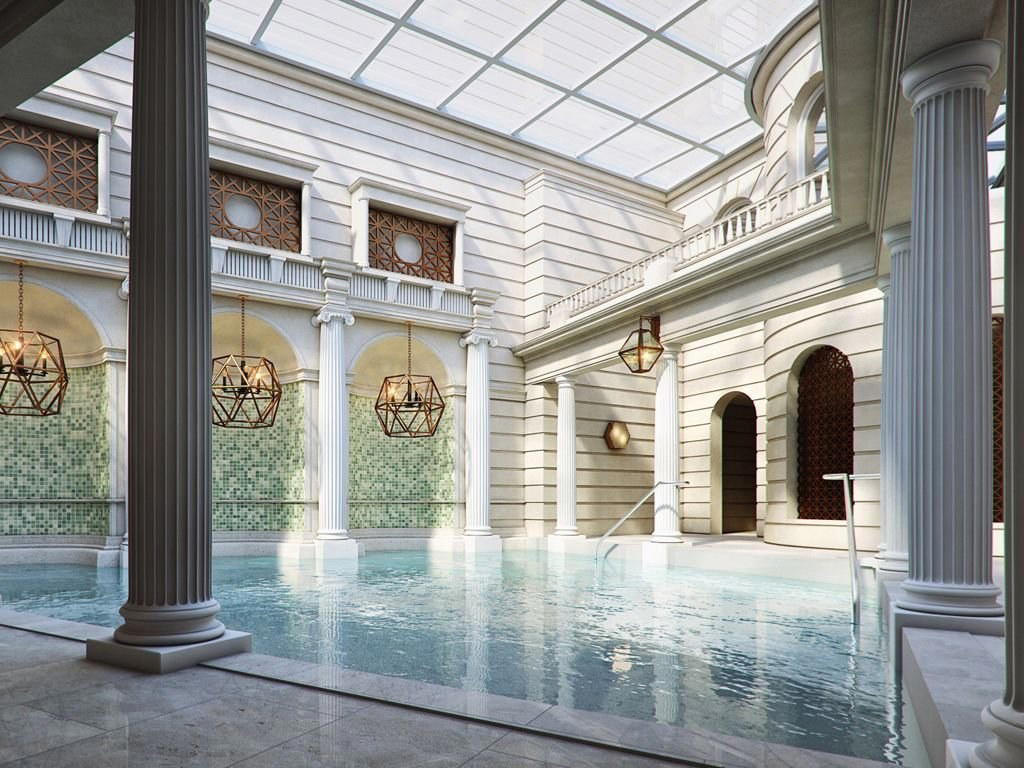
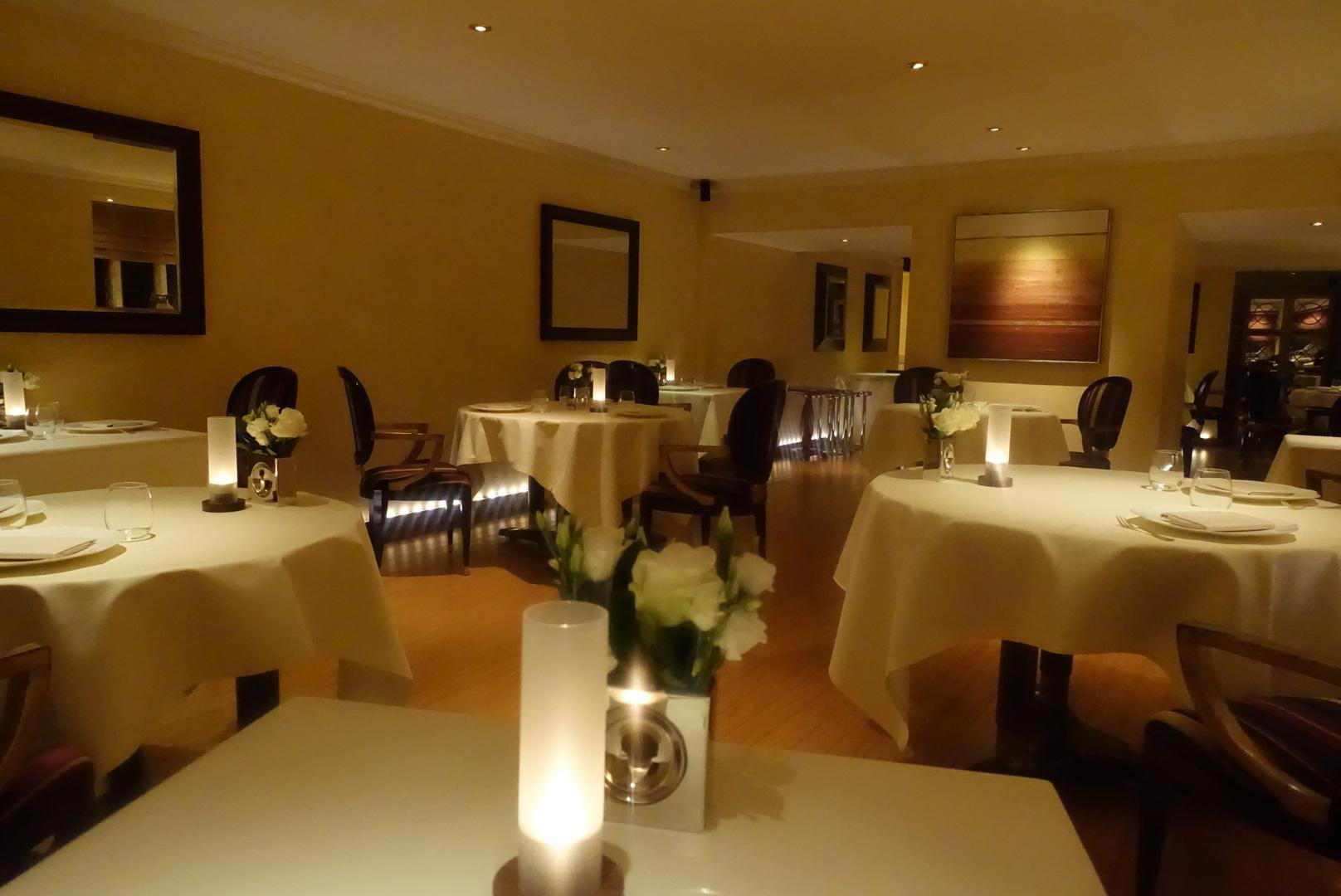
The country house hotel as a format has a particular problem in Britain: the architecture almost always exceeds the hospitality. Grand facades, gravel drives, and parkland vistas set expectations that the interiors and service rarely match. Lucknam Park, part of the Emblems Collection, is a 5-star hotel in Colerne, Wiltshire. The physical estate, a Palladian manor in the Wiltshire village of Colerne, functions as the dominant frame for everything inside it, the design logic flows outward from the stone rather than being imposed upon it.
Palladian architecture at this scale is not incidental. The symmetry, the proportioned facades, the relationship between the main house and its flanking structures, these are compositional decisions that carry through into how spaces inside the hotel feel to move through. Country houses of this period were built as demonstration objects, and Lucknam Park operates within that tradition rather than against it.
Three Michelin Keys and What That Positioning Signals
The southwest of England has increasingly attracted serious hospitality investment: The Newt in Somerset in Castle Cary has built a strong following on the back of its estate programming, while properties further east and north operate within different regional registers. Lucknam Park in Colerne anchors a Wiltshire-to-Bath corridor that benefits from proximity to one of Britain's most architecturally coherent cities without being subsumed by it.
Among directly comparable rural UK properties, Estelle Manor in North Leigh and Lime Wood in Lyndhurst occupy adjacent competitive positions, both house hotels in southern England, both with design and hospitality identities that extend beyond basic accommodation. The difference between them and Lucknam Park lies in architectural period and landscape character: Lucknam's Palladian manor places it closer to a classical English estate tradition than the more contemporary or Arts-and-Crafts-adjacent properties in its peer group.
The Estate as Architectural Argument
Country houses in Britain were frequently extended, altered, and repurposed across centuries, and the visual coherence of any given property reflects how well those layers were managed. Lucknam Park's Palladian core sets a demanding baseline for consistency. The formal approach through parkland is the kind of arrival sequence that puts a premium on maintaining a visual line from gate to entrance, and properties that manage it well tend to carry that sense of composition into their interior design choices.
The Emblems Collection positioning adds a further layer. Emblems is designed as a category for distinctive, character-led properties with genuine architectural or cultural identity, the collection logic differs from a brand flag in that each property is meant to carry its own history rather than conform to a standardised visual template. This matters for the guest experience: you are not arriving at a version of something, but at a specific place with a specific history.
Each operates within a historic building but with distinct regional and stylistic identities. Further afield, Badrutt's Palace Hotel in St. Moritz and Hôtel de Paris Monte-Carlo represent European counterparts in the grand-historic-building category, though the scale and context differ substantially.
Placing Lucknam Park in the UK Country House Tier
The British country house hotel market stratifies fairly clearly. At the leading end, a handful of properties hold Michelin recognition, maintain a full complement of leisure facilities, and operate at price points that place them against international competition rather than domestic weekend-break alternatives. Lucknam Park's three-Keys recognition positions it firmly in that upper bracket.
Below that sits a wide middle tier of well-maintained houses with decent food and comfortable rooms, operating on historical reputation rather than current programming depth. The distinction matters when planning a stay: the upper tier tends to offer more consistent quality across all touchpoints, from arrival to food to spa, whereas the middle tier can be variable. Properties like Farlam Hall Hotel and Restaurant in the Lake District or Thornton Hall Hotel and Spa in Heswall represent the well-regarded regional house hotel at a different price and recognition tier.
At the other end of the spectrum, urban alternatives like The Rutland in Edinburgh, Hotel du Vin at One Devonshire Gardens in Glasgow, or Oddfellows on the Park in Manchester offer city-based character hotels with their own design logic, but the rural estate experience is categorically different: more space, more landscape, a slower operating tempo.
Planning a Stay: Practical Orientation
Colerne sits in Wiltshire, roughly six miles northeast of Bath, which makes it accessible by rail via Bath Spa station on the London Paddington mainline, with onward transfer by road. The Bath proximity is worth building into the trip logic: the city's Georgian architecture and dining scene complement a stay at Lucknam Park rather than competing with it, and the short drive between them makes day-trip scheduling realistic without disrupting the estate's quieter rhythm.
The Michelin recognition will have added further demand pressure to what was already a well-subscribed property in the West Country market.
Comparison Snapshot
Comparable venues nearby, for context on price, style, and recognition.
| Venue | Cuisine | Price | Awards | Notes |
|---|---|---|---|---|
| Lucknam Park, Emblems CollectionThis venue — the venue you are viewing | Historic Palladian country house hotel with timeless heritage and refined comforts | $$$$ | 5-Star | Not listed |
| The Torridon | Victorian hunting lodge restored as luxury boutique resort | $$$$ | 5-Star | Wester Ross |
| Sun Street Hotel Shoreditch | Georgian townhouses with modern extension | $$$$ | 5-Star | Shoreditch |
| St Martins Lane Hotel | Urban resort with Philippe Starck's irreverent design updated by Tim Andreas. | $$$$ | 5-Star | Covent Garden |
| St. Pancras London | Victorian Gothic Revival heritage hotel blending historical grandeur with modern luxury | $$$$ | 5-Star | King's Cross |
| Southernhay House | luxurious boutique in historic Georgian townhouse | $$$$ | 5-Star | city centre |
Recognition history
Dated appearances from independent guides and award organizations, with the underlying list record or original source where available.
Michelin 3 Keys
Michelin

At a Glance
- Romantic
- Elegant
- Classic
- Quiet
- Scenic
- Sophisticated
- Ornate
- Honeymoon
- Romantic Getaway
- Anniversary
- Wellness Retreat
- Weekend Escape
- Destination Spa
- Golf Course
- Garden
- Historic Building
- Pool
- Spa
- Fitness Center
- Room Service
- Concierge
- Wi Fi
- Restaurant
- Garden
- Pool
- Spa
- Fitness Center
- Room Service
- Concierge
- Wi Fi
- Restaurant
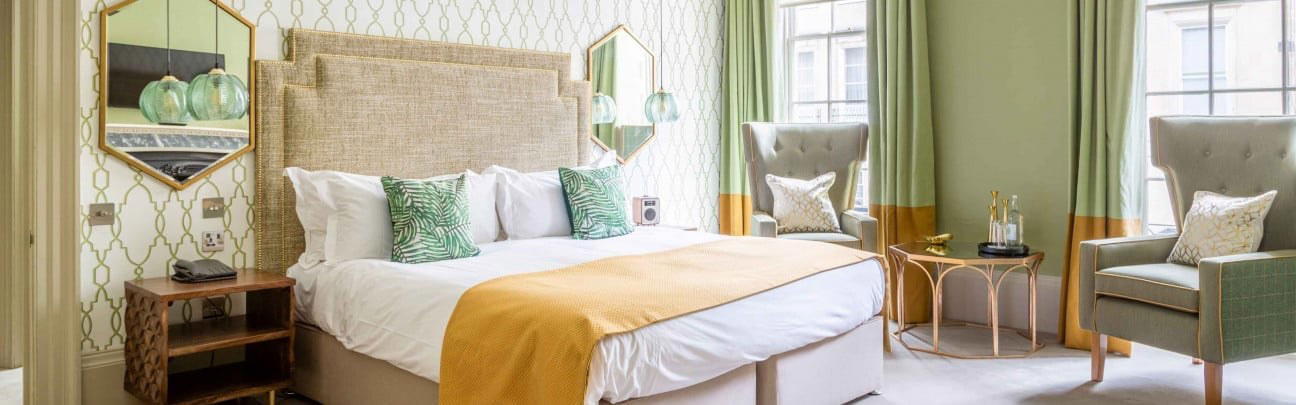
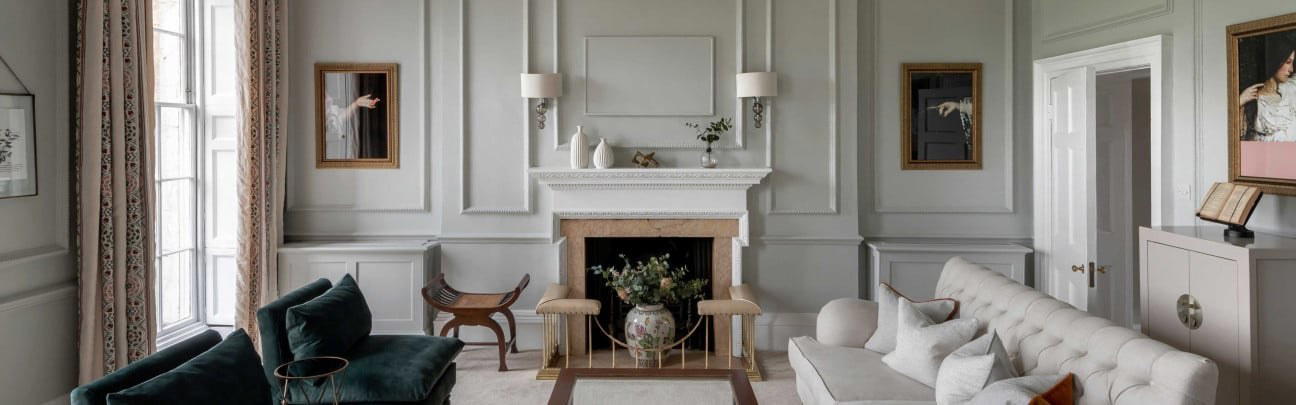
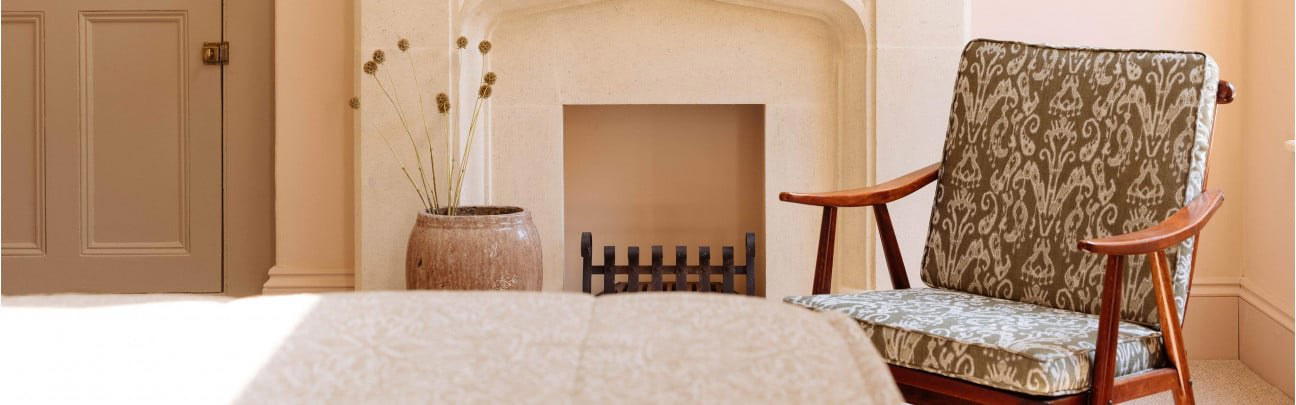
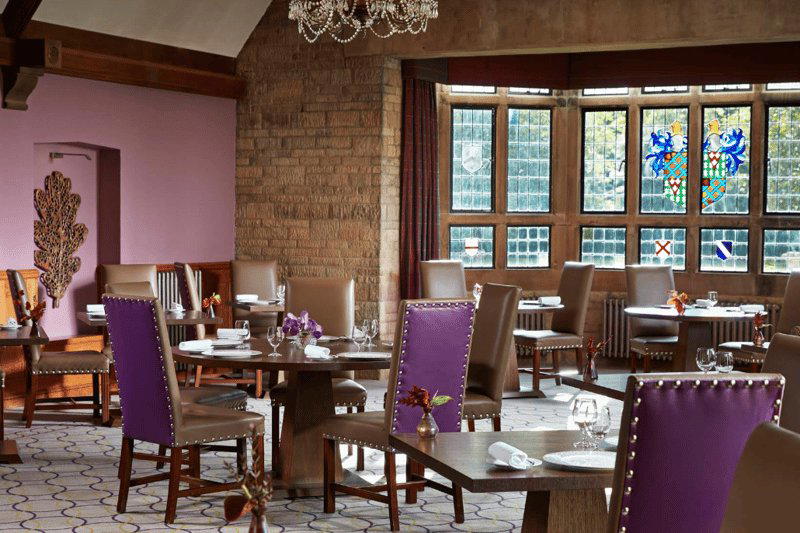
Traditional elegance with atmospheric antiques, four-poster beds, and views over scenic gardens and estate in a secluded, tranquil setting.