Weyerhof


Michelin Plate · Falstaff Restaurant - 94 Falstaff Points
Our verdict
Weyerhof holds consecutive Michelin Plate recognition for 2024 and 2025, making it one of the few formally acknowledged kitchens in Austria's Hohe Tauern foothills. Set within the Weyerhof Hotel in Bramberg am Wildkogel, it operates in the tradition of Alpine regional cooking, where proximity to high-altitude pastures, mountain streams, and seasonal harvests shapes the menu more than any imported trend.

Pearl is the En Primeur Club membership app, where members save venues, book tables and use the concierge.
Where the Salzach Valley Feeds the Kitchen
The village of Bramberg am Wildkogel sits on the southern edge of the Hohe Tauern National Park, a designation that matters not just for scenery but for what ends up on plates in its restaurants. The national park boundary limits industrial farming and keeps a meaningful share of surrounding land in traditional smallholder and pastoral use. Kitchens that choose to work with that supply chain rather than route around it inherit both constraints and a kind of credibility that a truck delivery from a central depot cannot replicate. Weyerhof, housed within its own hotel on Weyer 9, operates in that supply-conscious tradition of Alpine regional cooking that has become one of Austria's most coherent culinary identities over the past two decades.
For broader context on where to eat and stay across the area, see our full Bramberg am Wildkogel restaurants guide, our full Bramberg am Wildkogel hotels guide, and our full Bramberg am Wildkogel bars guide.
Two Consecutive Michelin Plates and What That Signals
Michelin's Plate designation, awarded to Weyerhof in both 2024 and 2025, is often misread as a consolation for kitchens that did not earn a star. That framing misses the point. The Plate signals that inspectors found cooking worth including in the guide: food prepared with care, using good ingredients, served without notable fault. In a country where the top tier of recognised restaurants clusters in Vienna, Salzburg, and the major ski resort valleys, consecutive Plate recognition for a hotel restaurant in a small Pinzgau village carries genuine weight. It places Weyerhof in a category of regional kitchens that Michelin considers worth a deliberate detour rather than a chance stop.
The Austrian Alpine dining scene has produced a range of recognised regional houses over the past decade. Döllerer in Golling an der Salzach operates at the €€€€ tier with an innovative approach to Salzburg-region produce. Obauer in Werfen has built a long record in classic Austrian cuisine at the same price level. Kräuterreich by Vitus Winkler in Sankt Veit im Pongau frames its entire menu through foraged herbs and altitude-grown ingredients. Weyerhof occupies the €€€ tier, a step below those houses in price but operating within the same broad tradition of letting regional sourcing drive the plate.
Alpine Sourcing as a Kitchen Philosophy
Regional cuisine in the Austrian Alps is not a marketing category. It is a set of practical decisions about what to buy, where to buy it, and what to do when a particular ingredient is unavailable or out of season. The Hohe Tauern foothills around Bramberg support game from managed alpine forests, dairy from high-pasture herds that produce milk with a distinct fat and mineral character, and cold-water fish from mountain streams and managed fisheries in the Salzach drainage. Kitchens committed to this sourcing geography tend to build menus that shift with the season in ways that city restaurants working from wholesale catalogues simply do not.
That seasonal dependency is visible in how Alpine regional menus move across the year. Spring brings ramps, early herbs, and the first lambs from valley farms. Summer opens up wild herb foraging at altitude, alongside the peak season for trout and char from mountain water. Autumn is the dominant game season in Austria, with venison, wild boar, and chamois all cycling through kitchens that have relationships with local hunters and game dealers. Winter menus in the Pinzgau lean on preserved and cured preparations alongside root vegetables and dried pulses from the summer harvest. A kitchen working this sourcing calendar cannot coast on a fixed menu.
For comparable examples of this sourcing-led approach applied elsewhere in the Austrian and Swiss Alpine corridor, Gannerhof in Innervillgraten and Fahr in Künten-Sulz offer instructive regional cuisine comparisons, each working from a distinct sub-alpine geography.
The Hotel Setting and What It Changes
Hotel restaurants in Alpine villages operate under different pressures than standalone destination dining. They must serve a guest base that includes walkers, skiers, and families staying for several nights, which typically flattens the ambition of the kitchen toward reliable comfort rather than experimental cuisine. The fact that Weyerhof has sustained Michelin recognition across consecutive years while embedded in a hotel context suggests the kitchen has found a workable balance: serious enough to satisfy diners who travel for food, accessible enough to keep a hotel dining room functioning across a full season. That balance is harder to maintain than it appears from the outside, and it is what distinguishes hotel restaurants with genuine culinary standing from those that treat food as a room-rate supplement.
For comparison, Gourmetrestaurant Tannenhof in Sankt Anton am Arlberg and Griggeler Stuba in Lech both demonstrate how hotel-embedded kitchens in Austrian Alpine resorts can sustain serious culinary recognition alongside full hotel operations. Stüva in Ischgl and Schwarzer Adler in Hall in Tirol represent the same pattern across the Tyrolean side of the Alps.
Where Weyerhof Sits in the Broader Austrian Scene
Austrian cuisine at its highest levels ranges from the creative modernism of Steirereck im Stadtpark in Vienna to the gastronaut programming of Ikarus in Salzburg and the conceptual precision of Ois in Neufelden and Restaurant 141 by Joachim Jaud in Mieming. Weyerhof does not sit in that experimental tier. It operates in the tradition of committed regional cooking where the sourcing geography is the point, and technique serves ingredient rather than the other way around. At the €€€ price range, it occupies a position where serious sourcing and Michelin recognition coexist with a price point accessible to travellers who are not exclusively pursuing starred dining.
That positioning gives Weyerhof a specific utility for visitors to the Hohe Tauern area: it is a kitchen that takes the region's produce seriously, has been formally recognised for doing so, and does not require the same financial commitment as the top tier of Austrian regional houses. For travellers spending time in the Salzach valley corridor, a meal here sits naturally alongside the hiking and landscape that draw most visitors to Bramberg in the first place. The food, at its finest, reflects exactly where you are.
Planning a Visit
Weyerhof is located at Weyer 9, 5733 Bramberg am Wildkogel, within the Weyerhof Hotel. At the €€€ price range, it sits in the mid-to-upper tier for the region, appropriate for a kitchen with consecutive Michelin recognition rather than casual dining. Bramberg am Wildkogel is accessible by road from Mittersill and the broader Pinzgau valley, placing it within reasonable reach of Zell am See and the Salzburg corridor for visitors touring the area. As a hotel restaurant, it serves both resident guests and outside diners; booking ahead is the sensible approach, particularly in summer walking season and winter when the Wildkogel ski area is operating at capacity. For further planning across the destination, the Bramberg am Wildkogel experiences guide and wineries guide cover the rest of what the area offers.
Frequently asked questions
What's the pricing like at Weyerhof?
Pricing at Weyerhof is listed as €€€.
Where is Weyerhof located?
Weyerhof is located at Located in Weyerhof Hotel, Weyer 9, 5733 Bramberg am Wildkogel, Austria, Bramberg am Wildkogel.
Fast Comparison
| Venue | Cuisine | Price | Awards | Notes |
|---|---|---|---|---|
| WeyerhofThis venue (the venue you are viewing) | Traditional Austrian Alpine Cuisine | Not listed | Michelin Plate · Falstaff Restaurant - 94 Falstaff Points | Not listed |
| Steirereck im Stadtpark | Modern Austrian Fine Dining | $200–300 | 3 Michelin Stars · World's 50 Best #33 | Creative |
| Döllerer | Modern Alpine Cuisine | $100–150 | 2 Michelin Stars · La Liste Top Restaurants | Contemporary Austrian, Innovative |
| Ikarus | Guest Chef Fine Dining | $200–300 | 2 Michelin Stars · La Liste Top Restaurants | Modern European, Creative |
| Mraz & Sohn | Contemporary Austrian Fusion | $150–200 | 2 Michelin Stars · La Liste Top Restaurants | Modern Austrian, Creative |
| Obauer | Modern Austrian Fine Dining | $50–100 | 2 Michelin Stars · La Liste Top Restaurants | Classic Cuisine |
Recognition history
Dated appearances from independent guides and award organizations, with the underlying list record or original source where available.
Michelin Plate
Michelin
Falstaff Restaurant - 94 Falstaff Points
Falstaff
Full recognition history (4 entries)
Michelin Plate
Michelin
Michelin Plate
Michelin
Continue exploring
More in Bramberg am Wildkogel
Restaurants in Bramberg am Wildkogel
All restaurants in Bramberg am Wildkogel →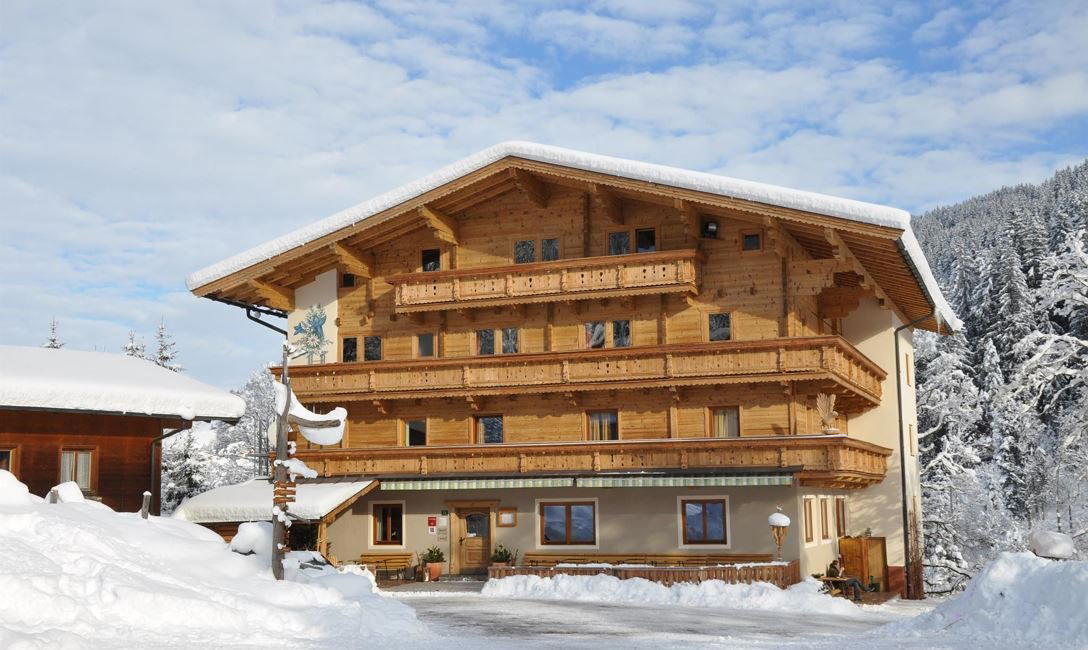
Bars in Bramberg am Wildkogel
Browse all →
Hotels in Bramberg am Wildkogel
Browse all →
Wineries in Bramberg am Wildkogel
Browse all →
Details
- Rustic
- Cozy
- Scenic
- Historic
- Date Night
- Special Occasion
- Family
- Terrace
- Historic Building
- Panoramic View
- Extensive Wine List
- Local Sourcing
- Mountain
- Garden
- A La Carte
- Tasting Menu
- Vegetarian Friendly
- Vegan Options
- Gluten Free Options
Current opening hours
- Monday
- 11:30 AM–2 PM, 5:30–9 PM
- Tuesday
- Closed
- Wednesday
- Closed
- Thursday
- 11:30 AM–2 PM, 5:30–9 PM
- Friday
- 11:30 AM–2 PM, 5:30–9 PM
- Saturday
- 11:30 AM–2 PM, 5:30–9 PM
- Sunday
- 11:30 AM–2 PM, 5:30–9 PM
Hours can change for holidays and private events. Hours as of .
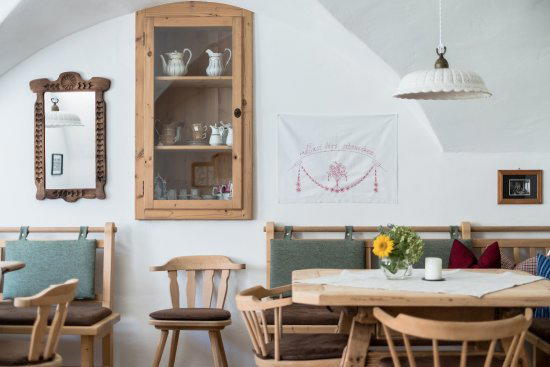
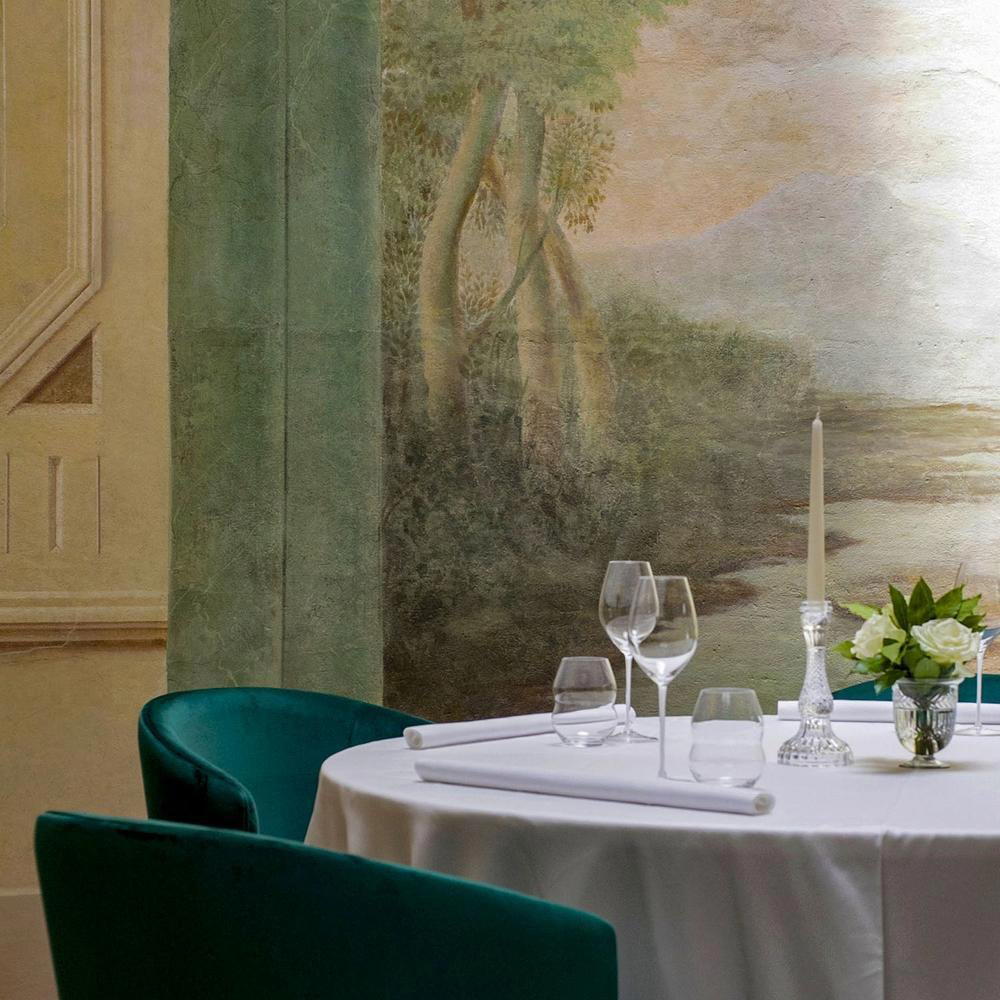
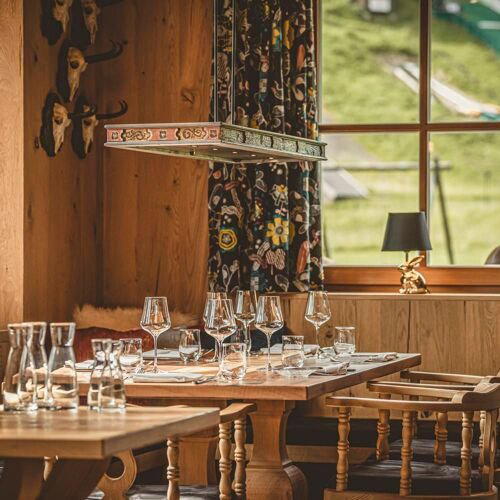
Gemütlich-rustic stuben with vaulted ceilings, natural materials, warm lighting, and mountain views from the terrace, creating a heartfelt, familial atmosphere.