Weisser Wind
A long-standing address on Oberdorfstrasse in Zurich's Altstadt, Weisser Wind occupies the quieter, neighbourhood-focused end of the city's dining spectrum. The address sits within walking distance of Zurich's more prominent dining corridor yet operates at its own pace, making it a reference point for how the city's older restaurant stock has adapted to a more competitive era.
Pearl is the En Primeur Club membership app — saves, bookings, and concierge access live there. Same editors, same standards.
- Address
- Oberdorfstrasse 20, 8001 Zürich, Switzerland
- Phone
- +41442505977
- Website
- weisserwind.ch
- Directions
- Get directions
 Saves & bookings on Pearl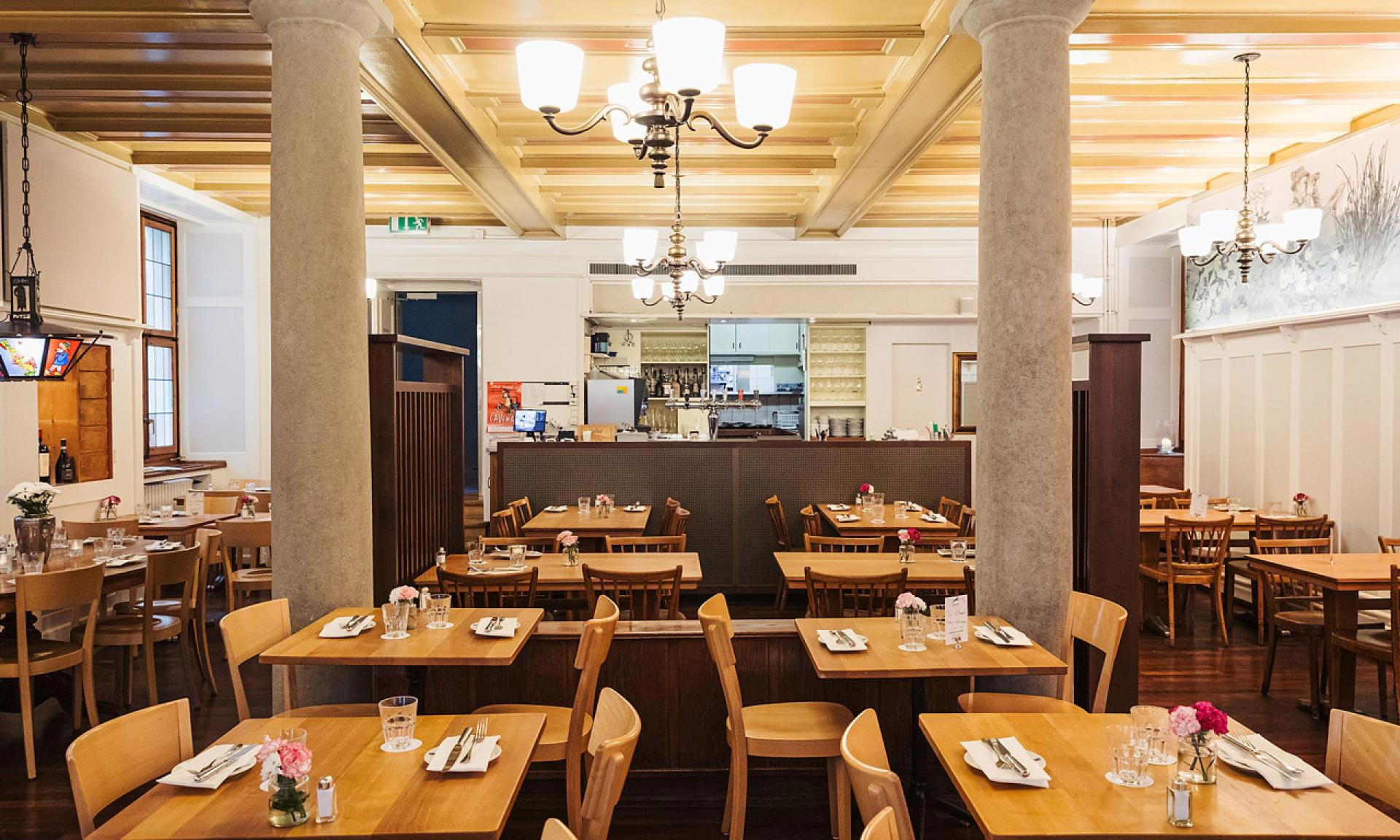
An Old Street, A Changed Room
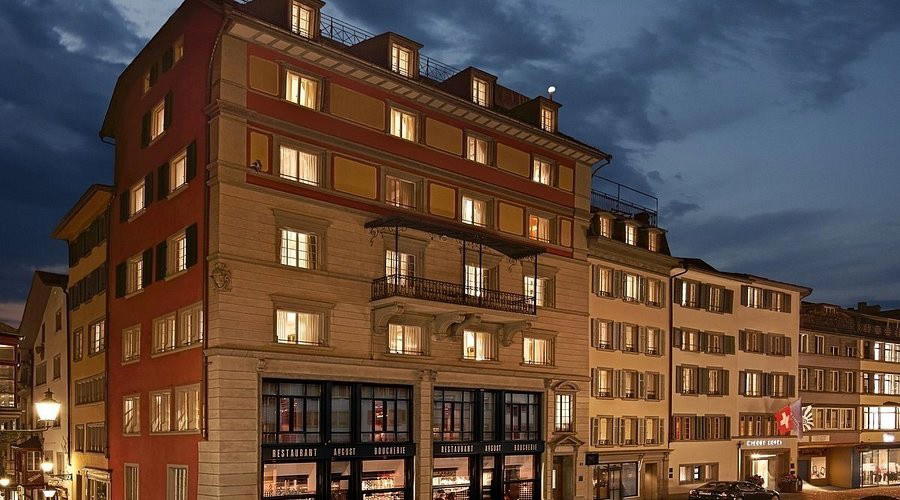
Oberdorfstrasse runs through one of Zurich's oldest residential quarters, and the buildings along it predate most of the city's current restaurant generation by several decades. The street connects the Grossmünster area to the upper Altstadt without much fanfare, which is partly why addresses here have historically operated for a local clientele rather than a hotel-circuit crowd. Weisser Wind at number 20 sits in that context: a room with history behind it, on a street that has seen the city's hospitality culture shift considerably around it.
Zurich's restaurant scene has reorganised itself in waves over the past fifteen years. The rise of sharing-format fine dining, represented in the city by places like IGNIV Zürich by Andreas Caminada, and the push toward ambitious creative tasting menus at addresses such as The Counter and The Restaurant have pulled significant attention and spend toward a newer, more internationally oriented tier. Meanwhile, the older neighbourhood restaurants have had to decide what they are: preserved institutions, quietly updated classics, or something repositioned more deliberately.
The Altstadt Context
The district surrounding Weisser Wind is one of Zurich's most historically dense. Visitors arriving from the Niederdorf side will have passed through lanes that have housed taverns and guesthouses since the medieval period. That density of history creates a particular kind of expectation: the room should feel earned, not designed from scratch. Restaurants in this part of the city that have survived into the current decade have generally done so by holding a local clientele through periods when newer, louder openings pulled attention elsewhere.
For comparison, the Swiss-traditional tier in Zurich has a clear senior representative in Widder, which operates within a hotel context and prices accordingly. Addresses without that hotel infrastructure tend to operate with leaner margins and depend more heavily on repeat business from the surrounding neighbourhood. That dependency shapes how a place like Weisser Wind approaches its room and its offer, even when the specifics of that offer are not publicly documented in detail.
How Long-Standing Addresses Evolve
The editorial question for any restaurant with significant years behind it is not whether it has changed, but whether it has changed usefully. Across Swiss German-speaking cities, the pattern for older neighbourhood restaurants has followed one of three trajectories: a deliberate upgrade into the fine dining tier, a retreat into comfort-classic territory with minimal reinvention, or a quiet modernisation that keeps the regulars while making the room legible to a newer visitor. The third path is the hardest to execute and the least visible from the outside.
Switzerland's broader fine dining infrastructure gives useful comparative context. The country supports some of Europe's most awarded tables: Hotel de Ville Crissier in Crissier, Schloss Schauenstein in Fürstenau, and Cheval Blanc by Peter Knogl in Basel represent the country's upper bracket. Below that tier, a larger population of mid-range and neighbourhood restaurants operates without Michelin recognition but with significant local loyalty. Weisser Wind belongs to that second group, which is numerically larger and more representative of how Swiss cities actually eat on a regular basis.
Further afield, Switzerland's regional dining circuit includes Memories in Bad Ragaz, 7132 Silver in Vals, focus ATELIER in Vitznau, and Colonnade in Lucerne, each anchored in destination hotel settings with the capital investment to support ambitious programming. The contrast with a Zurich Altstadt address like Weisser Wind is structural: a standalone neighbourhood restaurant competes on familiarity, consistency, and street-level accessibility rather than destination architecture.
Situating the Room
Zurich's Altstadt functions differently by time of day. At lunch, the quarter draws professionals from nearby offices and visitors exploring the Grossmünster and Limmat riverbank. By evening, the composition shifts toward residents from the surrounding streets and, during peak tourist season, hotel guests willing to walk away from the main Niederdorf axis. An address that has been operating long enough will have learned which of those audiences it actually serves best, and calibrated accordingly.
The Italian-inflected dining tier in Zurich, represented by Eden Kitchen & Bar, competes at the higher price band with a more contemporary format. The space that older Swiss and European-traditional addresses occupy is distinct: less about format innovation and more about the kind of reliability that comes from years of operating in a single room. That reliability is a genuine proposition in a city where new openings cycle through quickly and where restaurant closures in the post-2020 period accelerated the attrition of older addresses.
For visitors whose reference points are international, it is worth noting that the neighbourhood-restaurant tier in Swiss German cities functions differently from its counterparts in Paris or Vienna. There is less of a brasserie culture in Zurich and more of a direct Swiss-Germanic Gasthaus tradition, where the room is expected to be somewhat plain and the quality is judged on the plate rather than the setting. That tradition is what addresses like Weisser Wind have historically belonged to, regardless of how much the surrounding dining culture has shifted toward design-led spaces.
Planning Your Visit
The restaurant is located at Oberdorfstrasse 20, 8001 Zürich, in the heart of the old town. The address is walkable from the main train station in under fifteen minutes and sits within a short walk of the Grossmünster. Visitors combining dinner here with exploration of the Altstadt quarter will find the location convenient; those arriving from further afield should confirm current opening hours and reservation availability directly, as specific booking details and hours are not publicly documented through standard channels. For a broader orientation to Zurich's dining options across price tiers and formats, the full Zurich restaurants guide provides useful comparative context.
For those building a wider Swiss itinerary, Einstein Gourmet in Sankt Gallen and Da Vittorio in St. Moritz represent the kind of destination fine dining that sits at the other end of the country's hospitality spectrum. Internationally, the structural comparison for technically ambitious urban dining can be drawn from addresses like Le Bernardin in New York City or Atomix, and L'Atelier Robuchon in Geneva shows what the Swiss market looks like when a global fine dining brand anchors in a local context. The restaurant operates well below that register, which is precisely its function in the city's dining ecology.
Continue exploring
More in Zürich
Restaurants in Zürich
Browse all →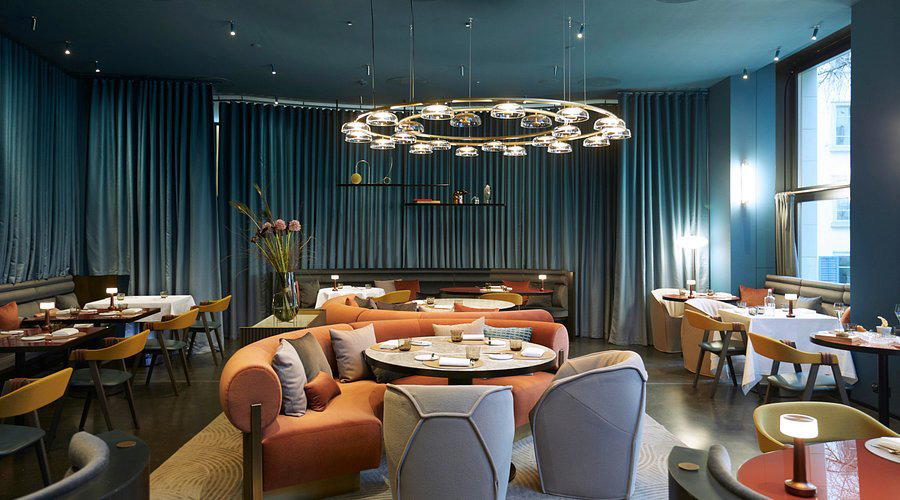
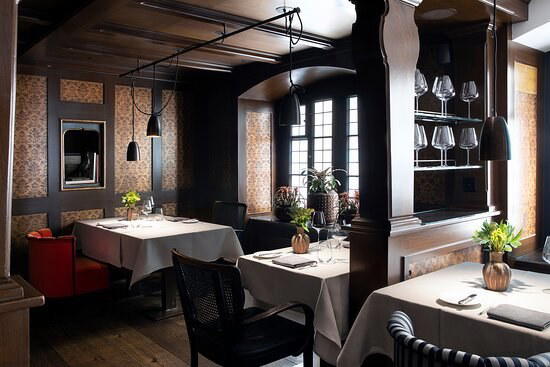
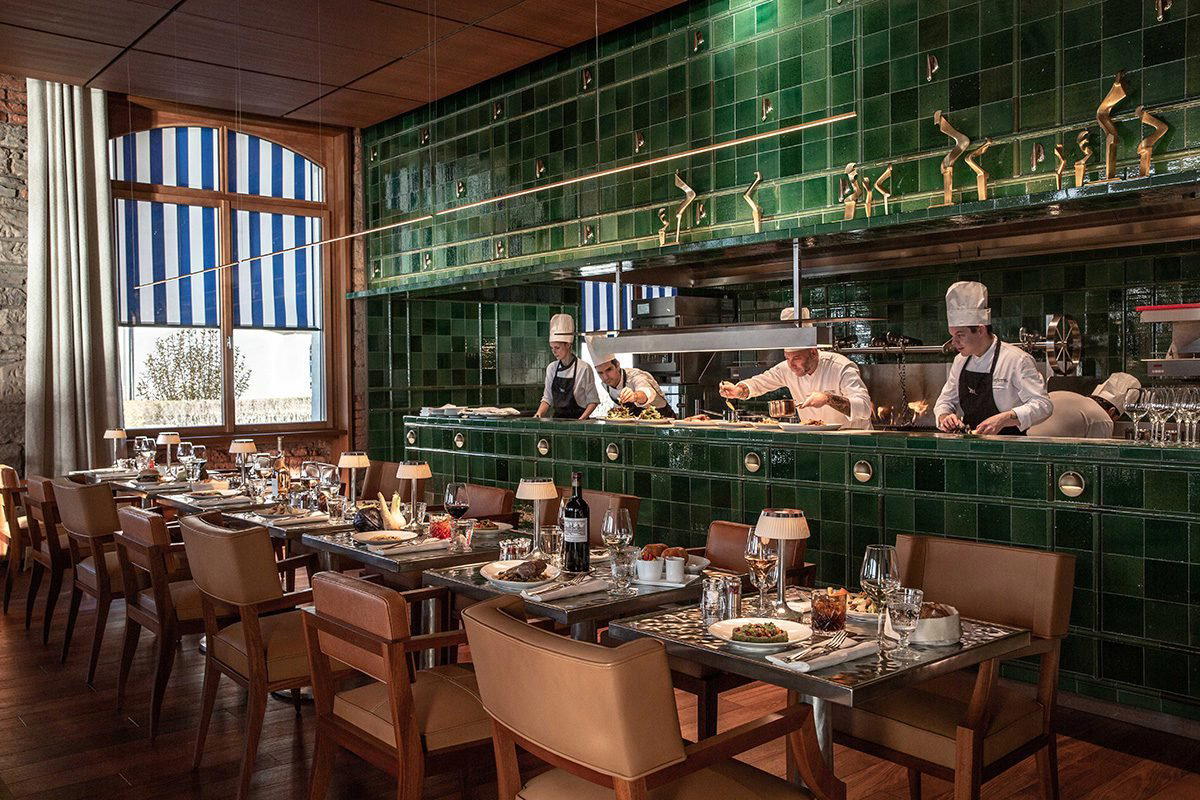
Bars in Zürich
Browse all →
Hotels in Zürich
Browse all →

At a Glance
- Classic
- Cozy
- Rustic
- Historic
- Group Dining
- Family
- Celebration
- Casual Hangout
- Historic Building
- Private Dining
- Extensive Wine List
- Local Sourcing
Current opening hours
- Monday
- 11:30 AM–2 PM, 5:30–11 PM
- Tuesday
- 11:30 AM–2 PM, 5:30–11 PM
- Wednesday
- 11:30 AM–2 PM, 5:30–11 PM
- Thursday
- 11:30 AM–2 PM, 5:30–11 PM
- Friday
- 11:30 AM–2 PM, 5:30–11 PM
- Saturday
- 12–11 PM
- Sunday
- Closed
Hours can change for holidays and private events. Last verified .
Historic and cozy ambience with traditional rooms spread over several floors, offering a warm, homey atmosphere amid lively local crowds.