mi-te
Our verdict
Located on Universitätstrasse in Zurich's academic quarter, mi-te occupies a section of the city's dining scene where neighbourhood character and considered drinking culture tend to define the offer as much as the kitchen. The address places it within walking distance of the university district's mix of casual and serious dining, making it a reference point for those tracing Zurich's less-publicised restaurant circuit.

Pearl is the En Primeur Club membership app, where members save venues, book tables and use the concierge.
The Street, the Quarter, and What Comes With Them
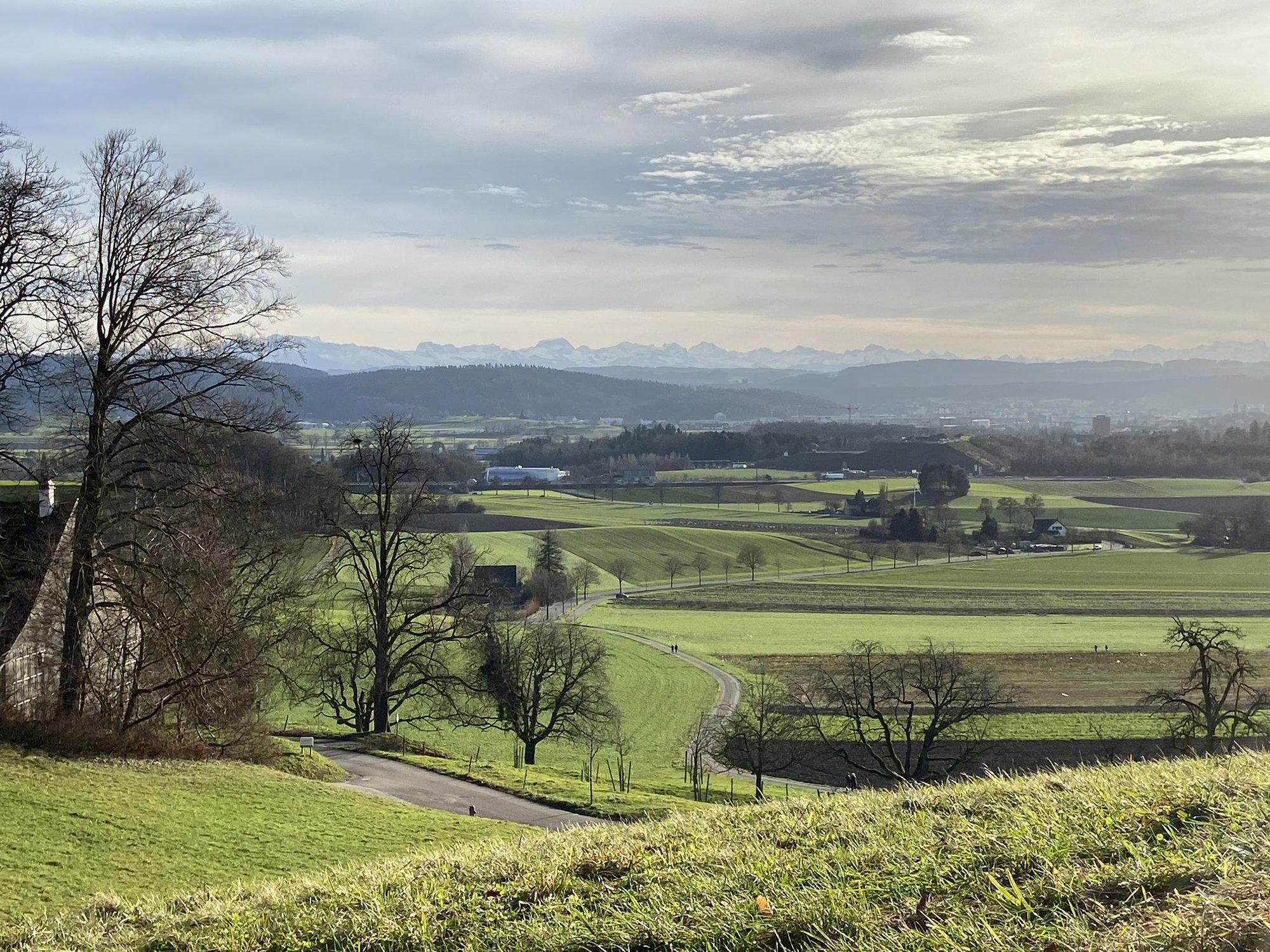
Universitätstrasse runs through one of Zurich's more layered residential and academic corridors, connecting the city's commercial core to the hillside neighbourhoods above Hürlimann and the university belt. The street draws a different crowd than the polished lakefront or the Langstrasse bar strip: it is a zone where locals eat, where restaurants survive on repeat trade rather than tourist capture, and where the absence of a hotel dining-room budget tends to concentrate the offer around genuine proposition rather than spectacle. A table on this stretch is, almost by definition, a local decision.
That address context matters when reading mi-te. Universitätstrasse 25 places the restaurant in the 8006 postcode, a district that mixes student density with settled professional residents and the kind of low-key neighbourhood credibility that does not need a destination campaign to fill seats. The venues that hold here over time do so because they offer something specific: a wine list with a point of view, a kitchen that does not need to explain itself, or a room that earns genuine loyalty. The question worth asking of any serious address in this part of the city is which of those levers it pulls hardest.
On the Wine at Addresses Like This
Zurich's serious wine culture has been developing along a recognisable arc over the past decade. The city's top-end restaurant circuit, anchored by addresses such as The Restaurant and The Counter, has pushed cellar depth and sommelier programming toward the standards set by Switzerland's broader fine-dining network, a network that includes properties such as Schloss Schauenstein in Fürstenau and Hotel de Ville Crissier. But the more interesting development for working restaurateurs has been what happens one tier below: neighbourhood addresses where the wine list is the primary editorial statement and the kitchen plays a supporting role rather than the headline.
In that tier, curation philosophy tends to matter more than cellar size. A list of two hundred references with a clear geographic logic, a commitment to a particular appellation style, or a willingness to price fairly on aged stock will outperform a list of eight hundred bottles assembled for visual heft. Zurich's informed dining public, shaped by proximity to Swiss German wine culture as well as access to French, Austrian, and Italian borders, reads those signals. They know the difference between a list assembled by a buyer who tastes and one assembled from distributor sheets.
Addresses on Universitätstrasse, away from the expense-account gravity of the financial district and the Bahnhofstrasse adjacencies, tend to attract guests who are there specifically for what the room offers, not because the postcode is convenient. That self-selection produces a clientele that notices the wine list and returns when it respects their intelligence. It is the kind of dynamic that allows smaller, thoughtfully programmed restaurants to build genuine regulars, which is a different and arguably more durable model than the one operated by larger destination addresses such as IGNIV Zürich by Andreas Caminada or Eden Kitchen and Bar.
Zurich's Mid-Circuit and Where mi-te Sits
Zurich does not have a single dominant dining district in the way that some European cities concentrate their serious restaurants into one postcode. The city's offer is dispersed across distinct neighbourhood registers: the Langstrasse axis runs younger and louder; the lake-adjacent hotels anchor the formal end; the university quarter maintains a consistently local, lower-ceremony character. Within that dispersal, restaurants in the 8006 zone operate with a specific set of audience expectations: the room should feel earned rather than performed, the list should reflect genuine taste rather than obvious safety, and the pricing should reflect the neighbourhood's relationship with value rather than the assumptions of a destination-dining model.
Restaurants that hold that position successfully in Zurich sit in a competitive set that is defined less by award brackets and more by sustained local endorsement. Widder operates in a different register, with hotel infrastructure and a broader institutional audience. The university quarter's independent addresses compete on loyalty and specificity. mi-te, at Universitätstrasse 25, enters that conversation by geography alone, and sustains it through whatever specific proposition it maintains in room and on list.
For reference on how Switzerland's serious restaurant circuit frames the broader national context, addresses such as Cheval Blanc by Peter Knogl in Basel, Memories in Bad Ragaz, and Einstein Gourmet in Sankt Gallen define the formal upper tier. Further afield, 7132 Silver in Vals, focus ATELIER in Vitznau, and Colonnade in Lucerne signal how the country's serious dining offer extends well beyond the city limits. The contrast between those formal-tier addresses and a neighbourhood restaurant on Universitätstrasse is precisely what gives the latter its identity. It is not competing with Da Vittorio in St. Moritz or with L'Atelier Robuchon in Geneva. It is competing for the attention of Zurich residents who want to eat and drink well without the ceremony and pricing that attend Switzerland's Michelin-recognised circuit.
That is a specific and defensible position. The addresses that hold it most effectively in comparable European cities, from the natural wine bars of the 11th arrondissement in Paris to the neighbourhood trattorias that sustained themselves through Milan's design-district boom, share a common characteristic: they know exactly who they are for and they do not try to be something else. Whether mi-te achieves that coherence at Universitätstrasse 25 is the question that a visit answers. See our full Zurich restaurants guide for further context on how the city's dining circuit distributes across its neighbourhoods.
For readers calibrating their expectations against international reference points, the approach that distinguishes the better neighbourhood addresses from the formally recognised circuit is the same one that separates, say, the New York dining experience at Atomix or Le Bernardin from the city's less-publicised but equally considered neighbourhood rooms: the meal is designed for someone who already knows what they want, not for someone who needs to be impressed by spectacle.
What makes mi-te worth seeking out?
The 8006 postcode on Universitätstrasse positions mi-te within a section of Zurich's dining scene defined by local regulars rather than tourist or expense-account traffic. Restaurants that hold credibility on this street do so through a specific offer: a wine list with genuine curation, a kitchen that performs consistently for a returning audience, and pricing that reflects the neighbourhood's expectations rather than the assumptions of destination dining. Those characteristics, taken together, place it in a different and arguably more sustainable tier than the city's formally recognised award circuit. For broader context, the EP Club Zurich guide maps the full range of the city's serious dining options.
How does mi-te fit into Zurich's broader wine-focused dining scene?
Zurich has developed a credible wine-forward dining culture, shaped by the city's geographic access to Swiss, French, Austrian, and Italian wine regions and by a dining public that brings genuine knowledge to the table. Neighbourhood addresses in the university quarter, including mi-te at Universitätstrasse 25, typically occupy a tier where the wine list functions as a primary editorial signal rather than a secondary amenity. That positions them differently from the city's formal-tier addresses such as The Restaurant, where cellar depth is part of a broader Michelin-level proposition, and more in line with the independent wine-bar restaurants that have become reference points in comparable European university districts.
Frequently asked questions
Where is mi-te located?
mi-te is located at Universitätstrasse 25, 8006 Zürich, Switzerland, Zurich.
How does mi-te compare to Zurich's better-known restaurant districts?
Zurich does not concentrate its serious dining into a single postcode the way Paris or London do, and Universitätstrasse 25 sits away from the more trafficked Langstrasse and Niederdorf circuits. The 8006 quarter draws an academic and residential crowd, which shapes the kind of offer that sustains itself there.
What do people recommend at mi-te?
The address at Universitätstrasse 25 in Zurich's 8006 postcode places it within a corridor where kitchens tend to reflect local regulars rather than visitor expectations, suggesting a tighter, rotation-driven offer rather than a broad menu. Contacting the venue directly is the most reliable way to get current recommendations.
What's the best way to book mi-te?
For restaurants at this address tier on Universitätstrasse in Zurich, direct contact by phone or in-person enquiry tends to be the working method, particularly for seats earlier in the week when local demand is lower.
What makes mi-te worth seeking out?
The 8006 postcode on Universitätstrasse puts mi-te inside a section of Zurich where the dining circuit runs on repeat custom rather than passing trade from the city's tourist or expense-account corridors. Restaurants in this quarter tend to hold their ground through consistency rather than visibility, which in Zurich's competitive mid-circuit tends to be a more durable signal than early press attention.
Cuisine and Awards Snapshot
Comparable venues nearby, for context on price, style, and recognition.
| Venue | Cuisine | Price | Notes |
|---|---|---|---|
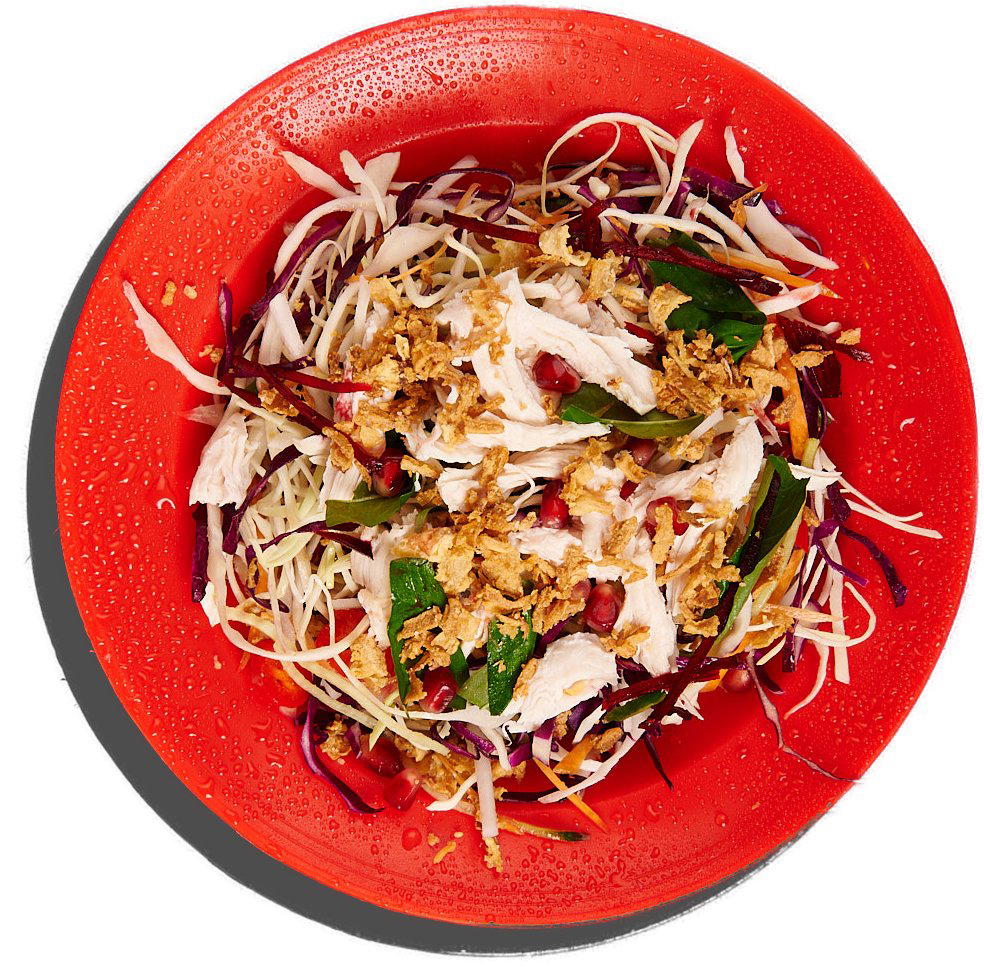
| mi-teThis venue (the venue you are viewing) | Vietnamese Fusion Street Food | $20–30 | Not listed |
| Pho Mai | Authentic Vietnamese Pho | $20–30 | Aussersihl |
| Bánh Mì Bao | Vietnamese Street Food | $10–20 | Oerlikon |
| Santa Lucia | Traditional Italian Pizza & Pasta | $20–30 | Fluntern |
| Soi Thai | Authentic Thai Street Food | $20–30 | Fluntern |