Google: 4.6 · 658 reviews
Waterford Estate
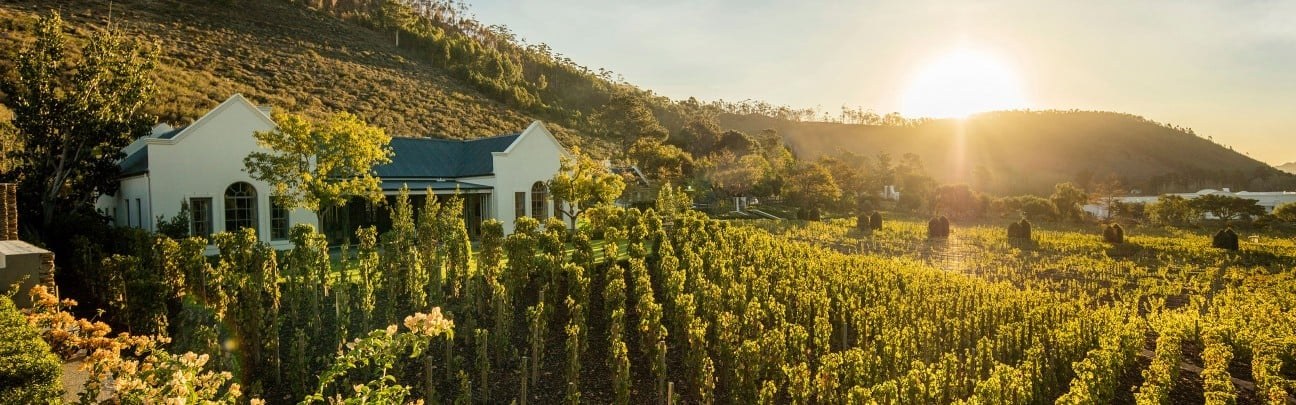
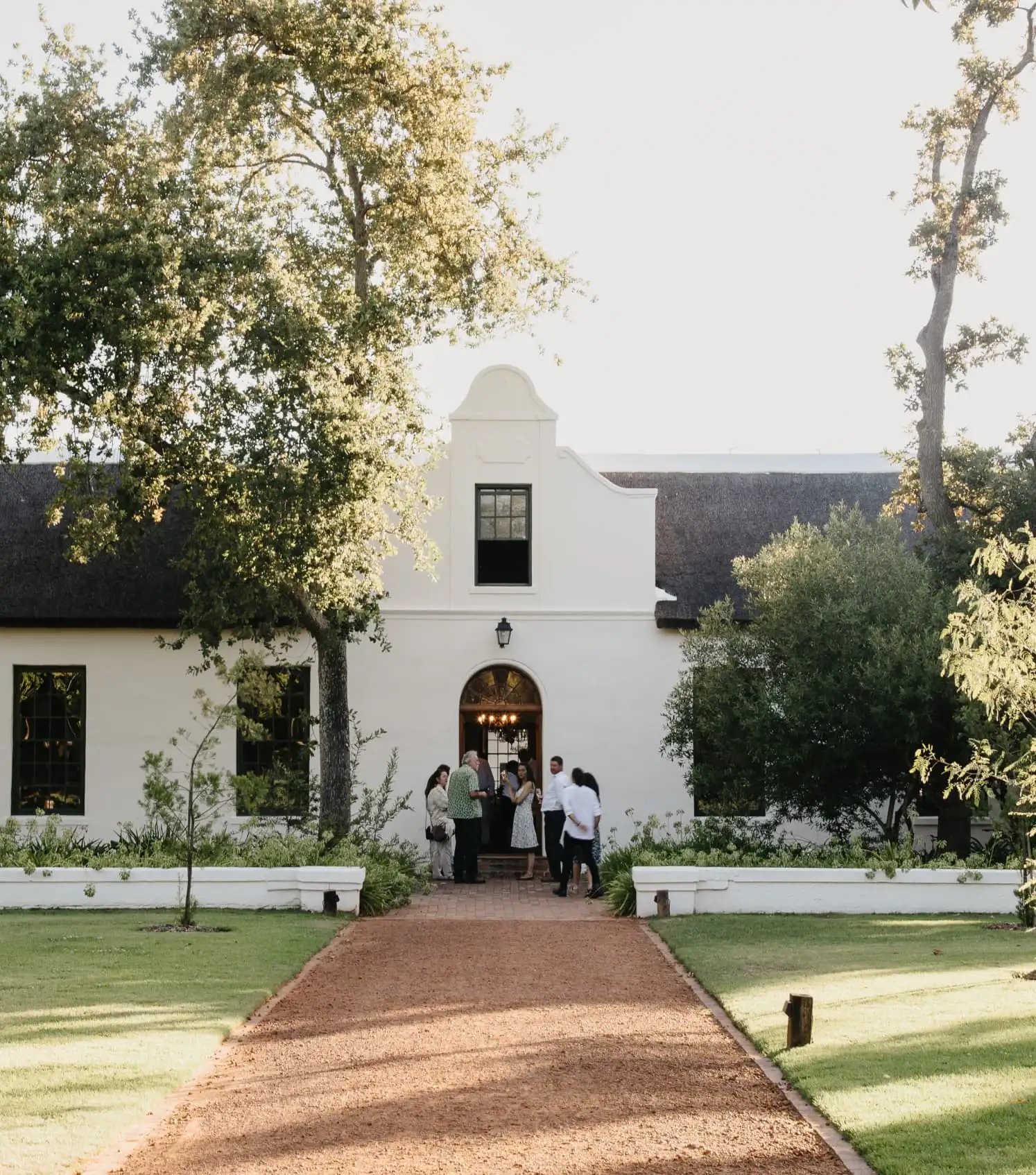
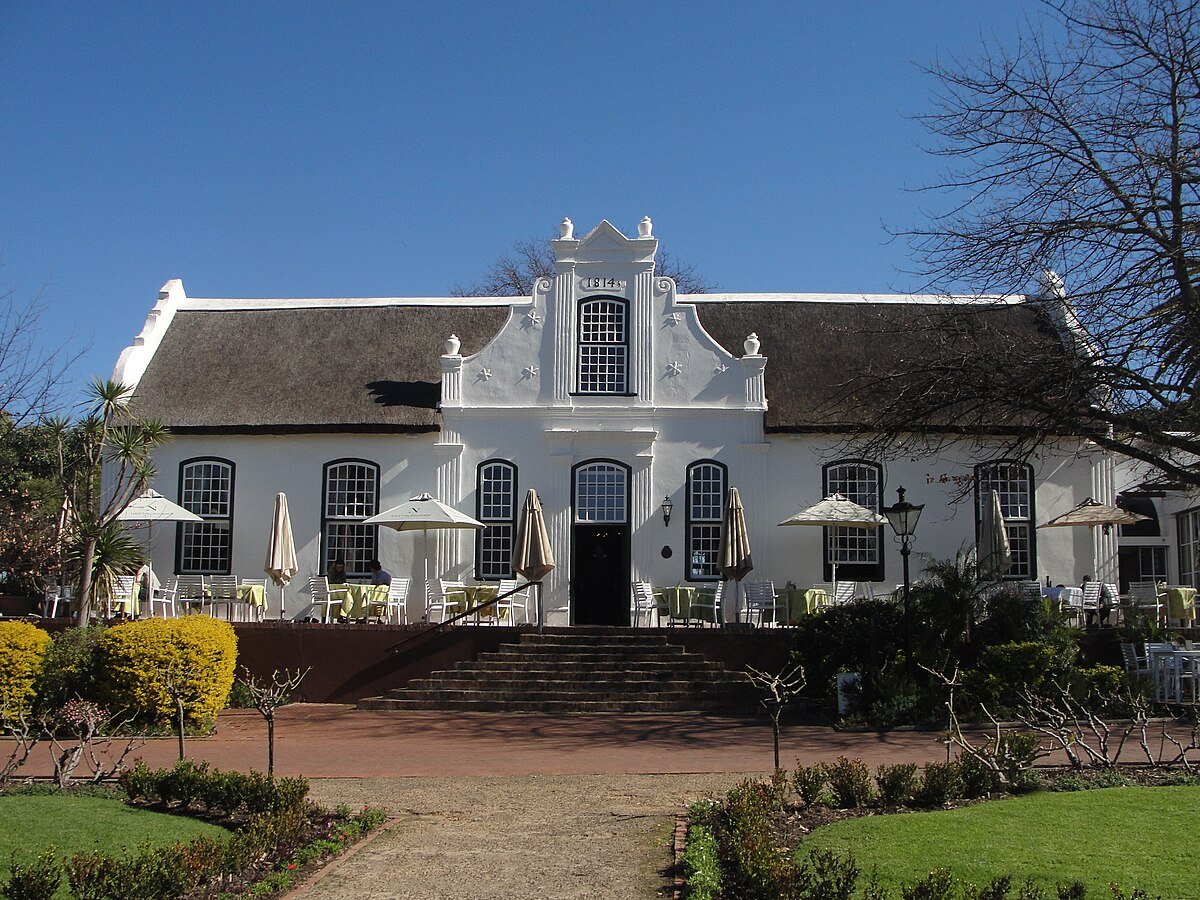
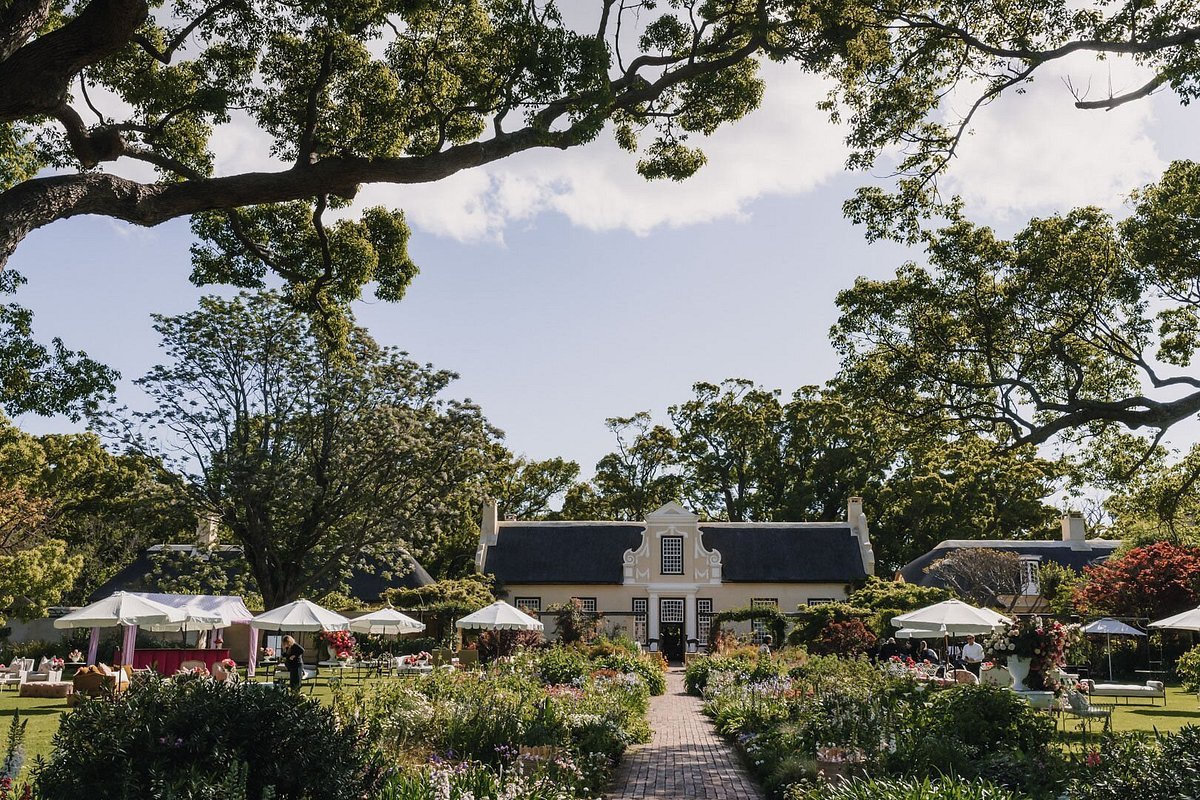
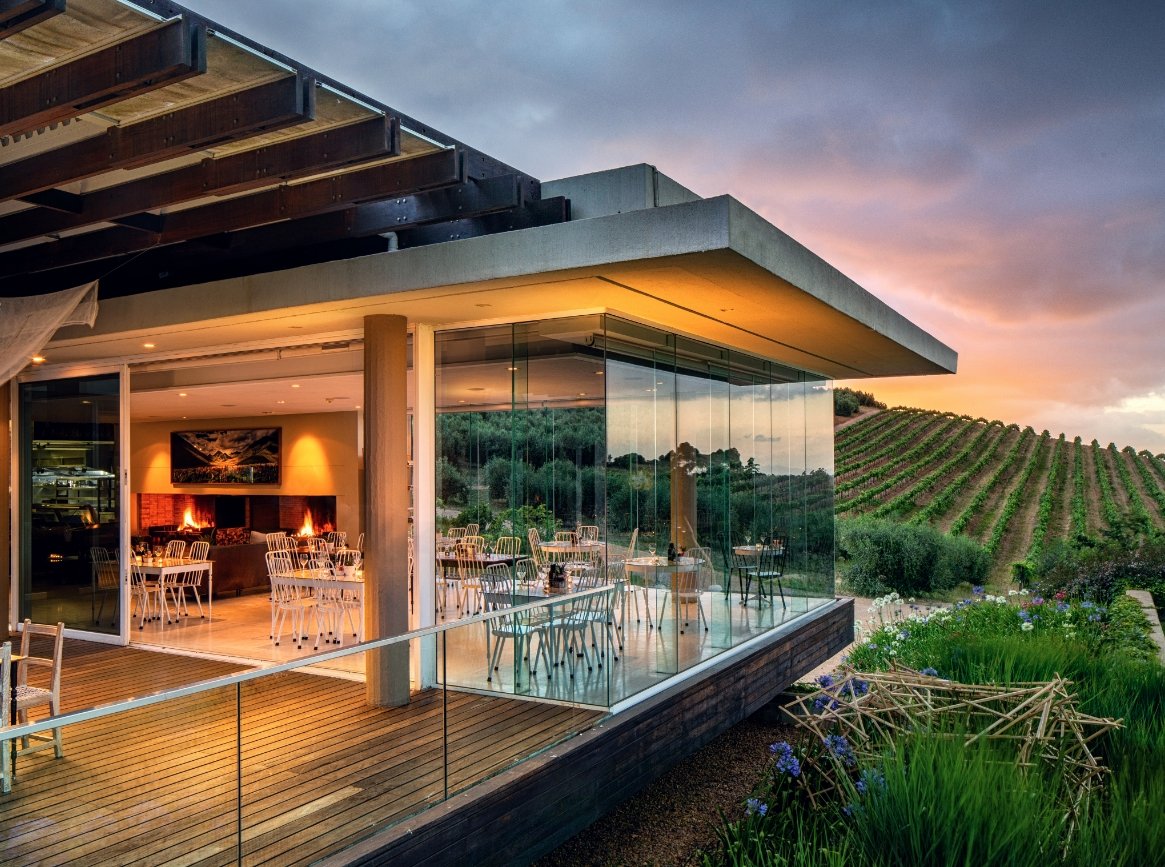
Waterford Estate sits along the Helderberg slopes on Upper Blaauwklippen Road, where Stellenbosch's wine-producing heartland produces some of the Western Cape's most discussed Bordeaux-style blends. The estate draws a loyal clientele who return for its combination of terroir-driven wines and setting, placing it within the tier of Stellenbosch properties that treat the vineyard visit as a full afternoon rather than a quick tasting stop.
 Discover on Pearl
Pearl is the En Primeur Club membership app — saves, bookings, and concierge access live there. Same editors, same standards.
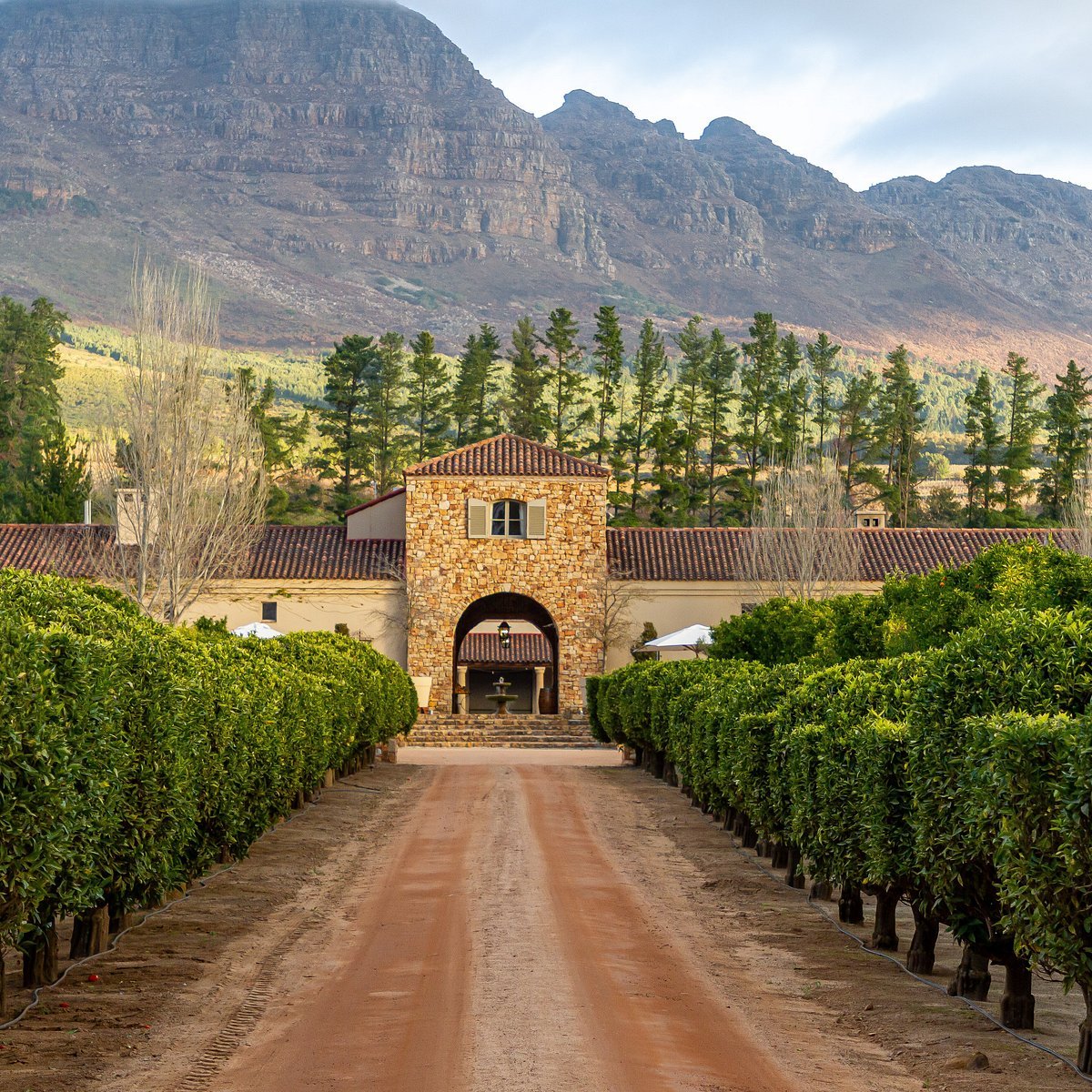
The Helderberg Slope and What It Produces
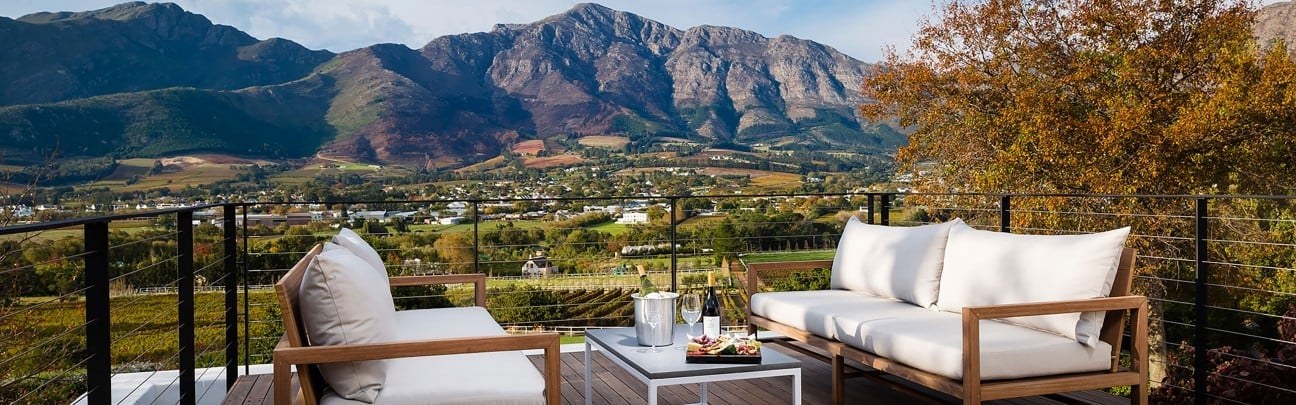
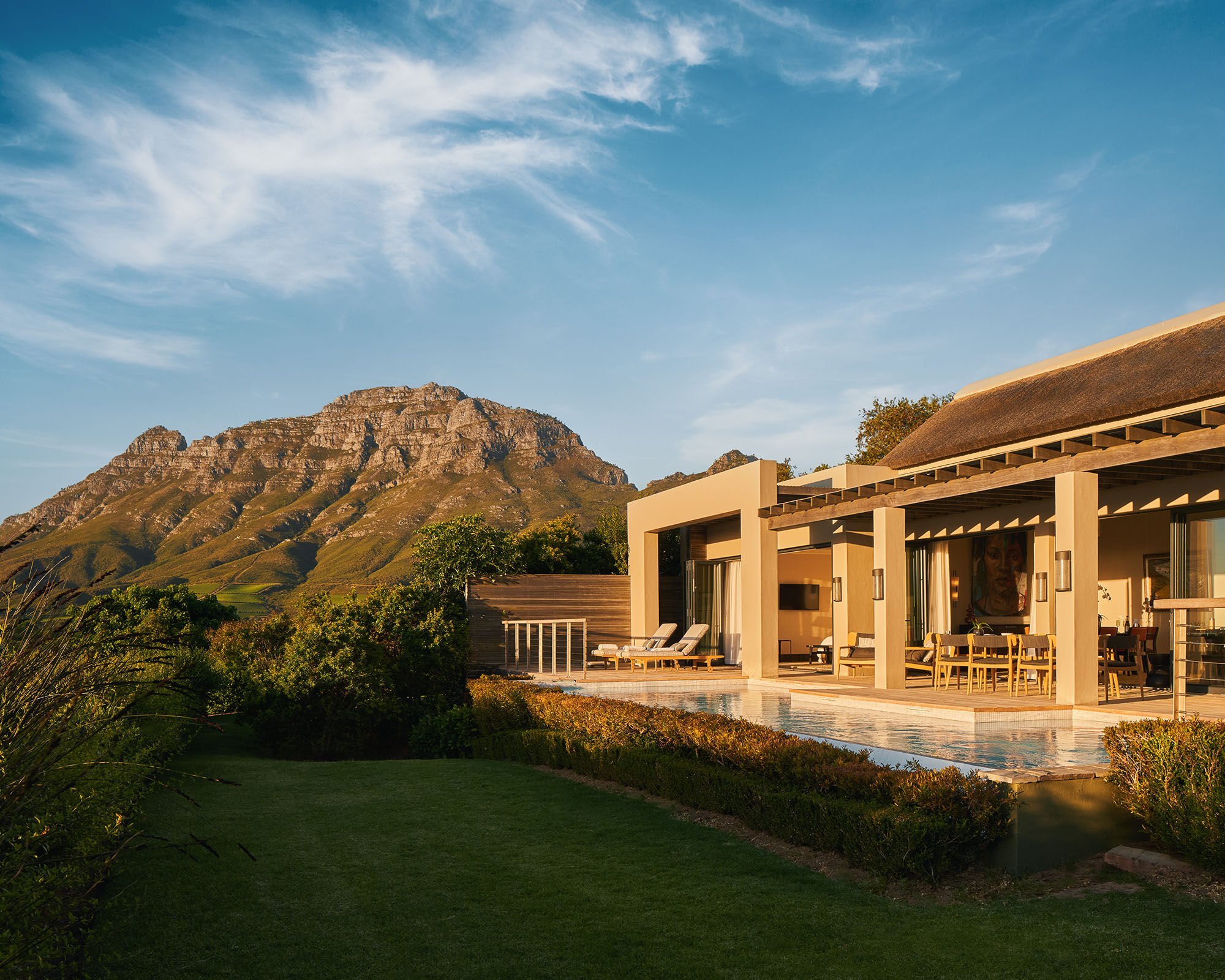
The drive up Upper Blaauwklippen Road toward the Helderberg range follows a pattern familiar to anyone who has spent time in Stellenbosch's outer wards: the elevation climbs gradually, the vineyards shift from valley-floor flatness to something more contoured, and the Cape's famously capricious afternoon winds arrive earlier and with more force. This is the terrain that defines Waterford Estate's position in the regional hierarchy. Stellenbosch has spent decades building its reputation on Cabernet Sauvignon and Bordeaux-style blends, and the Helderberg's combination of decomposed granite soils, altitude variation, and direct oceanic influence from False Bay positions this sub-area as one of the appellation's more argued-over parcels. Regulars who have been coming to Waterford for years tend to open with that geography when you ask them why they return. The wines are the anchor, and the landscape that produces them is the explanation.
Within the broader Stellenbosch scene, which now includes everything from the food-forward ambition of Eike by Bertus Basson to the vineyard-lunch format refined at Bread & Wine Vineyard Restaurant, Waterford occupies a position defined more by the estate-as-destination model than by any single food or wine category. That model, common to the better Stellenbosch properties, asks visitors to commit to the place for long enough that the setting becomes part of the experience. The regulars have already made that commitment repeatedly.
What the Loyal Visitors Know
Estate regulars at Stellenbosch's better-regarded wine properties share a particular kind of intelligence: they know which releases to ask about before arriving, they understand which parts of the property change by season, and they have usually worked out the timing that the walk-in visitor misses. At Waterford, that pattern is consistent with what repeat visitors describe across comparable Helderberg estates. The afternoon light on the mountain-facing vineyards, the way the wind off False Bay drops in the early evening, and the particular rhythm of a tasting-to-table visit all reward the return guest more than the first-timer.
This loyalty structure is not unusual at this tier of Western Cape estate. Properties like Delheim Wine Estate and Boschendal at Oude Bank similarly build repeat visit patterns around seasonal release calendars and evolving food menus. What distinguishes one from another in this peer group tends to be the tightness of the estate's stylistic identity: the degree to which wine, food, and environment feel coherent rather than assembled. Among Helderberg properties, that coherence is precisely what Waterford's returning visitors point to as the reason they come back when they could equally spend a Saturday morning at a dozen other well-regarded addresses across the appellation.
Stellenbosch in Its Wider Context
Stellenbosch functions as the reference point for Western Cape fine dining and wine tourism in a way that Franschhoek, for all its ambition, has not quite managed to replicate at scale. The town's concentration of estate restaurants, independent tasting rooms, and food-driven venues has grown significantly over the past decade, and the competitive pressure has pushed standards across the board. Dusk represents the format-driven, chef-led end of that spectrum. Waterford represents something different: the estate visit as the primary product, with the wines acting as the through-line that gives the experience its shape.
For visitors building a Western Cape itinerary, the Stellenbosch estate tier sits between two poles. At one end, there are the destination restaurants that could anchor a meal in any major city: Fyn in Cape Town operates at that level, as does Le Quartier Français in Franschhoek. At the other end, there are the informal farm tables and co-operative tasting rooms where the wine carries the entire weight of the visit. Waterford, along with its Helderberg neighbours, sits in the middle of that spectrum: serious enough to reward a deliberate visit, casual enough that the setting does a significant share of the work. Wolfgat in Paternoster and Wolfgat in Saldanha Bay offer a comparable estate-and-landscape logic, albeit in a coastal rather than mountain context.
For those extending a South African journey beyond the Western Cape, the contrasts are instructive. Silvan Safari Lodge in Kruger and Londolozi Game Reserve in Kruger National Park operate on a similar place-as-protagonist logic, while urban addresses like Foundry in Sandton and Sympathy's Restaurant in Johannesburg belong to an entirely different register. The Stellenbosch estate visit, at its leading, is not interchangeable with any of these.
Planning the Visit
Upper Blaauwklippen Road is accessible by car from central Stellenbosch in under fifteen minutes, and the Helderberg Rural area sits within easy reach of the N2 corridor connecting Cape Town and the Winelands. For visitors combining Waterford with other estate visits in the same day, the Helderberg cluster is compact enough to cover two or three properties without excessive driving. The Western Cape's summer season, roughly October through March, brings the longest and most reliable light, though the shoulder months of April and September have their own logic: smaller crowds and harvest-adjacent energy in autumn particularly. Visitors planning around specific release events or seasonal menus will find that advance planning is rewarded at this tier of estate, where the repeat-visitor base tends to move quickly on dates that matter to them. For the full picture of what Stellenbosch offers across formats, price points, and culinary styles, our full Stellenbosch restaurants guide covers the breadth of the appellation.
What It’s Closest To
A quick peer list to put this venue’s basics in context.
| Venue | Cuisine | Awards | Notes |
|---|---|---|---|
| Waterford Estate | This venue | ||
| Dusk | South African | South African | |
| HŌSEKI | Japanese | Japanese | |
| Indochine at Delaire Graff Estate | Asian Fusion | Asian Fusion | |
| Jordan | South African | South African | |
| MERTIA |
Continue exploring
More in Stellenbosch
Restaurants in Stellenbosch
Browse all →
Bars in Stellenbosch
Browse all →
Hotels in Stellenbosch
Browse all →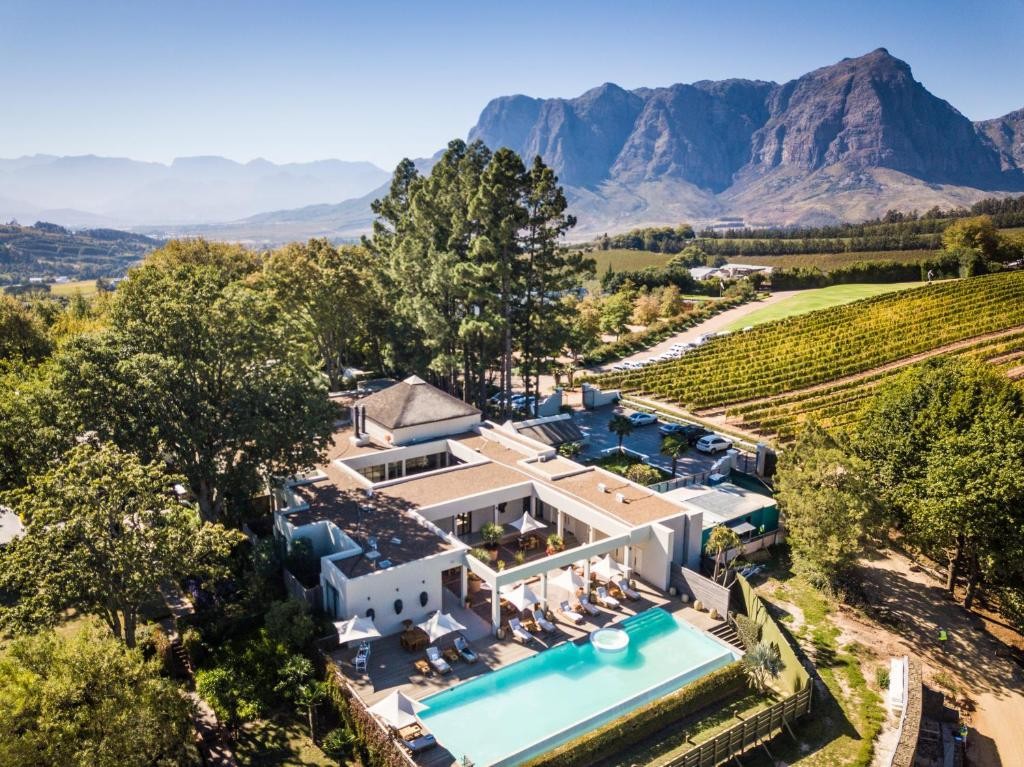
At a Glance
- Scenic
- Elegant
- Rustic
- Special Occasion
- Courtyard
- Wine Cellar
- Extensive Wine List
- Local Sourcing
- Mountain
- Vineyard
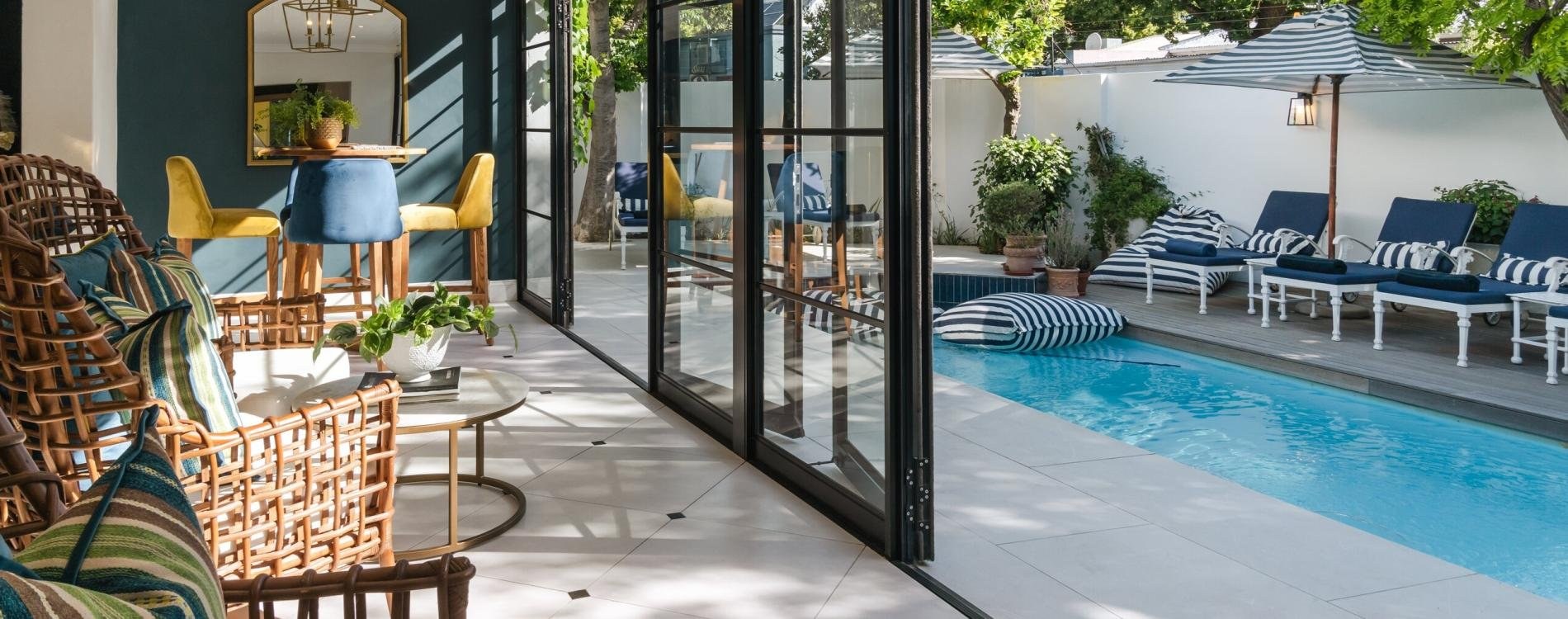
Tranquil courtyard setting surrounded by vineyards and mountains with a relaxing, elegant atmosphere.