
Tabelog 100 #100
Our verdict
Osaka’s tachinomi culture rewards compact rooms, fast decisions and drinks that make food feel sharper. wapiti belongs to the more ingredient-led side of that tradition, pairing a standing-only bar format with smoked-food specialization, Japanese spirits, sake, wine and cocktails, plus 2025 selection for Tabelog’s Tachinomi 100.

Pearl is the En Primeur Club membership app, where members save venues, book tables and use the concierge.
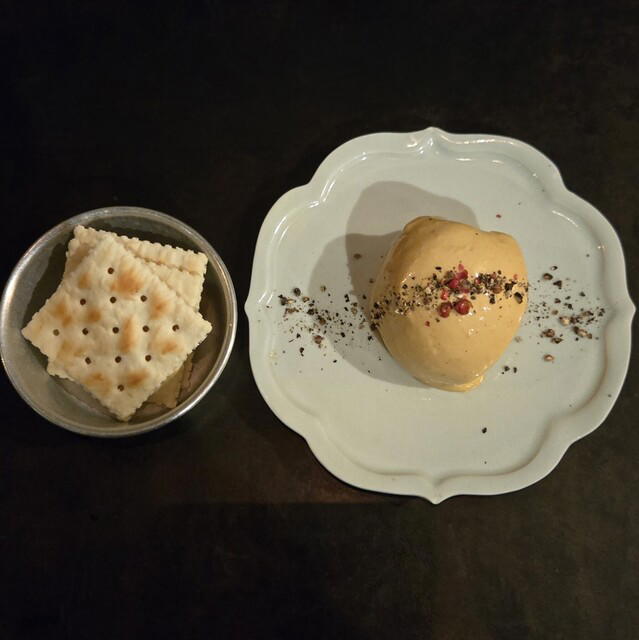
Stand-up drinking in Osaka runs on compression: little counter space, little ceremony, and guests expected to know what they want before settling in. The leading rooms do not miniaturize full-service restaurants; they make standing part of the tempo, turning a short stop into a focused exchange between food, drink and proximity.
In that context, wapiti occupies a useful pocket of the city’s drinking culture. Categorized as a stand-up bar, restaurant and Spanish-style baru, it is best read through format rather than biography or tasting-menu arc. The appeal is not a long formal meal; it is a compact room where food, drink and pace are kept in close relation.
Stand-up format gives Osaka tachinomi a sharper spine
Osaka’s casual dining ranges from quick meals to specialist counters and multi-course restaurants. In the comparison set, Menya Hanabusa and Curry Rice sit in the low-cost daily-eating lane; Yoshoku Bistro Awano moves into a mid-range bracket; É nye reaches a much higher dinner spend. wapiti differs: a standing-style drinking room where the format stays close to Osaka’s after-work drinking grammar rather than destination dining.
That matters because tachinomi is often reduced to cheap drinking. The stronger version is exacting. With limited space and a compact service rhythm, every choice has to work: the first drink, the first plate, and the order in which food and alcohol meet. A stand-up bar can make its argument without lecture, relying on pace, proximity and clear categories rather than the architecture of a full restaurant.
The 2025 Tabelog Hyakumeiten recognition places wapiti in a wider conversation about standing bars, not only a local one. That recognition is less trophy than category signal: this is the compact, specialized kind of room Japan’s dining audience now takes seriously. Its 3.57 score is also telling in Tabelog terms, where ratings move conservatively and category-specific lists often matter more than raw numerical spectacle.
For readers mapping Osaka through food rather than landmarks, the contrast is instructive. Other Osaka dining rooms speak to the city’s mass-affectionate comfort canon; bakeries, cafes and casual counters show how everyday formats carry serious local followings; specialist restaurants point to Osaka’s appetite for imported forms adapted with local discipline. Tachinomi, at its sharper end, belongs in the same reading: informal does not mean careless.
The room favors short, ingredient-led drinking over ceremony
The stand-up format keeps the social contract clear. This is not a lounge built around lingering or a restaurant asking guests to surrender an evening. It fits Osaka’s modular eating, where one stop can suffice or become part of a longer route through the city. The stakes are practical rather than theatrical, because small standing rooms work best when guests understand the tempo.
The category range is broader than a simple bar label. Tabelog lists wapiti as a stand-up bar, restaurant and Spanish-style baru, which explains why it sits between food-first and drink-first use. That hybrid identity is the point: guests can read it as a compact restaurant stop, a casual drinking room, or a baru-style address depending on the shape of the evening.
There is a discipline to that kind of narrow room even without a public manifesto. A compact format magnifies weak choices as easily as it rewards strong ones. In Osaka, where diners can move from casual counters to neighborhood restaurants and specialist cooking in a day, a small bar needs a clear reason to exist. Here, the reason is not breadth; it is the concentration of a standing-room format.
That makes wapiti useful for travelers who understand Osaka as a city of formats. The point is not to rank it against ramen, curry or fine dining, but to place it in the specialist drinking tier, alongside rooms asking for less time but more attention. For a wider city map, Our full Osaka restaurants guide, Our full Osaka bars guide, Our full Osaka hotels guide, Our full Osaka wineries guide and Our full Osaka experiences guide help separate food-first routes from broader travel planning.
Where it fits in a Japan drinking itinerary
Japan’s casual drinking culture is regional, and Osaka’s version is often direct, social and format-aware. The useful comparison is with other small-format Japanese places that focus a visit around a narrow idea: unnamed counters, bars and casual dining rooms can carry more identity through a precise format than through sprawling menus. wapiti belongs in that reading because its category is specific and its recognition is concrete.
For North American readers, the closest translation is not a loose tapas bar, but a disciplined drinking room where food has enough structure to anchor alcohol. Similar ideas appear outside Japan in different cultural and commercial conditions, yet they explain why Japanese drinking food travels well when the format is clear. Compact service and a defined point of view can read across borders without becoming generic.
The editorial case for wapiti is strongest for diners who like Osaka between categories: not a full dinner reservation, not a bar treating food as an afterthought, not tourist shorthand for the city’s famous staples. It is a standing-style room with a clear category identity and enough recognition to justify planning around it, especially for those who care how a short stop can still feel intentional.
For a broader Kansai-to-Kanto itinerary, the contrast with more conventional destination restaurants is useful. One asks for a familiar meal frame; the other compresses the experience into a standing bar’s sharper cadence. Osaka has room for both, but its drinking culture is clearest when the room is compact, the format disciplined, and the food gives the glass a reason to stay full.
Frequently asked questions
What should I budget for a meal at wapiti?
Pricing at wapiti is listed as Dinner: JPY 4,000 - JPY 4,999; Lunch: JPY 2,000 - JPY 2,999.
Where is wapiti in Osaka?
Osaka.
What days is wapiti closed?
Specific opening days and closing days are not provided here. Check the venue's official channels for the latest details.
What's wapiti best at?
wapiti is best understood as a compact stand-up bar, restaurant and Spanish-style baru in Osaka. Its Tabelog Hyakumeiten 2025 recognition and 3.57 score give it a concrete category signal for readers comparing stand-up drinking rooms.
Can wapiti adjust for dietary needs?
Those details are not published. Given the compact, format-driven nature of the venue, guests with restrictions should check the venue's official channels for the latest details before visiting.
Is wapiti suitable for children?
wapiti is categorized as a stand-up bar, restaurant and Spanish-style baru. Families should treat it as a compact drinking-oriented stop and check the venue's official channels for the latest suitability details.
How It Stacks Up
Comparable venues for cuisine and category context.
| Venue | Cuisine | Price | Awards | Notes |
|---|---|---|---|---|
| wapitiThis venue (the venue you are viewing) | Modern standing bar with smoked dishes and Spanish-style small plates | $30–50 | Tabelog 100 #100 | Not listed |
| TXAGORVA | Wood-Fired Modern Spanish (Asador) | $50–100 | Tabelog 100 #92 | Kita |
| PiEDRA | Spanish restaurant & bar | $30–50 | Tabelog 100 #78 | Abeno |
| Yoshoku Bistro Awano | Yoshoku (Japanese-style Western bistro) | $20–30 | Tabelog 100 #52 | Chūō |
| Ceylon Curry | Authentic Sri Lankan Curry House | $10–20 | Tabelog 100 #12 | Chūō |
| REBEL CURRY | Indian Curry | $1–10 | Tabelog 100 #7 | Chūō |
Recognition history
Dated appearances from independent guides and award organizations, with the underlying list record or original source where available.
Tabelog 100 #100 · No. 100
Tabelog · Tabelog 100 - Tachinomi - 2025
Continue exploring
More in Osaka
Restaurants in Osaka
All restaurants in Osaka →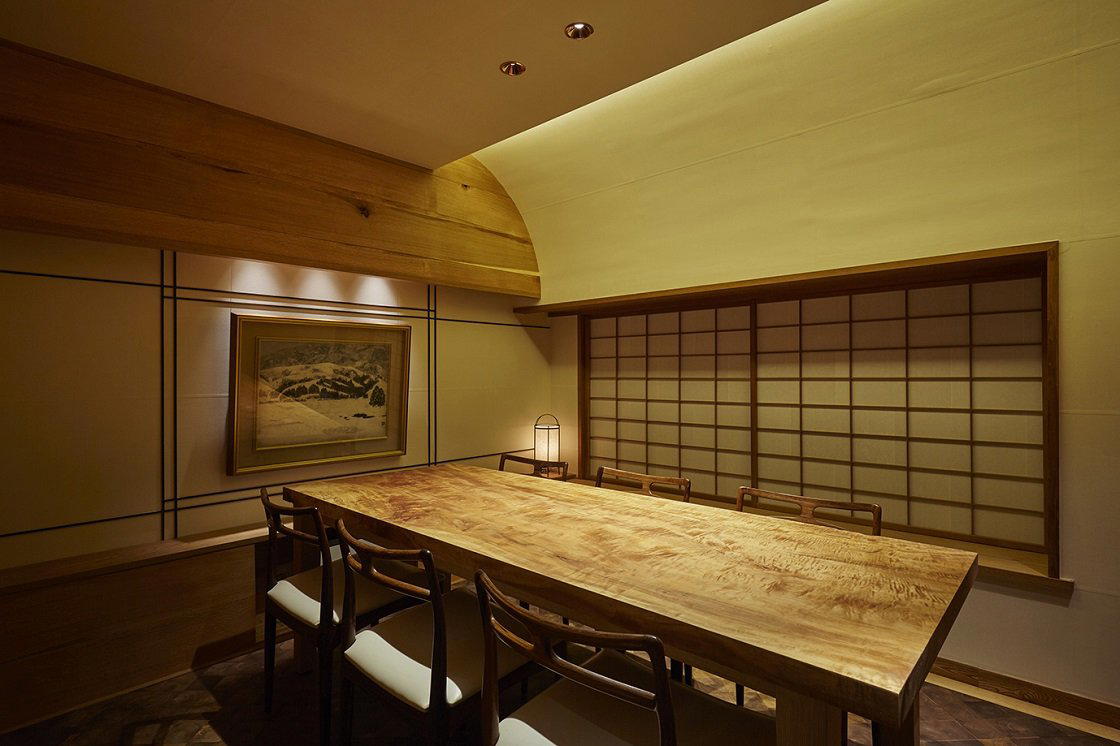



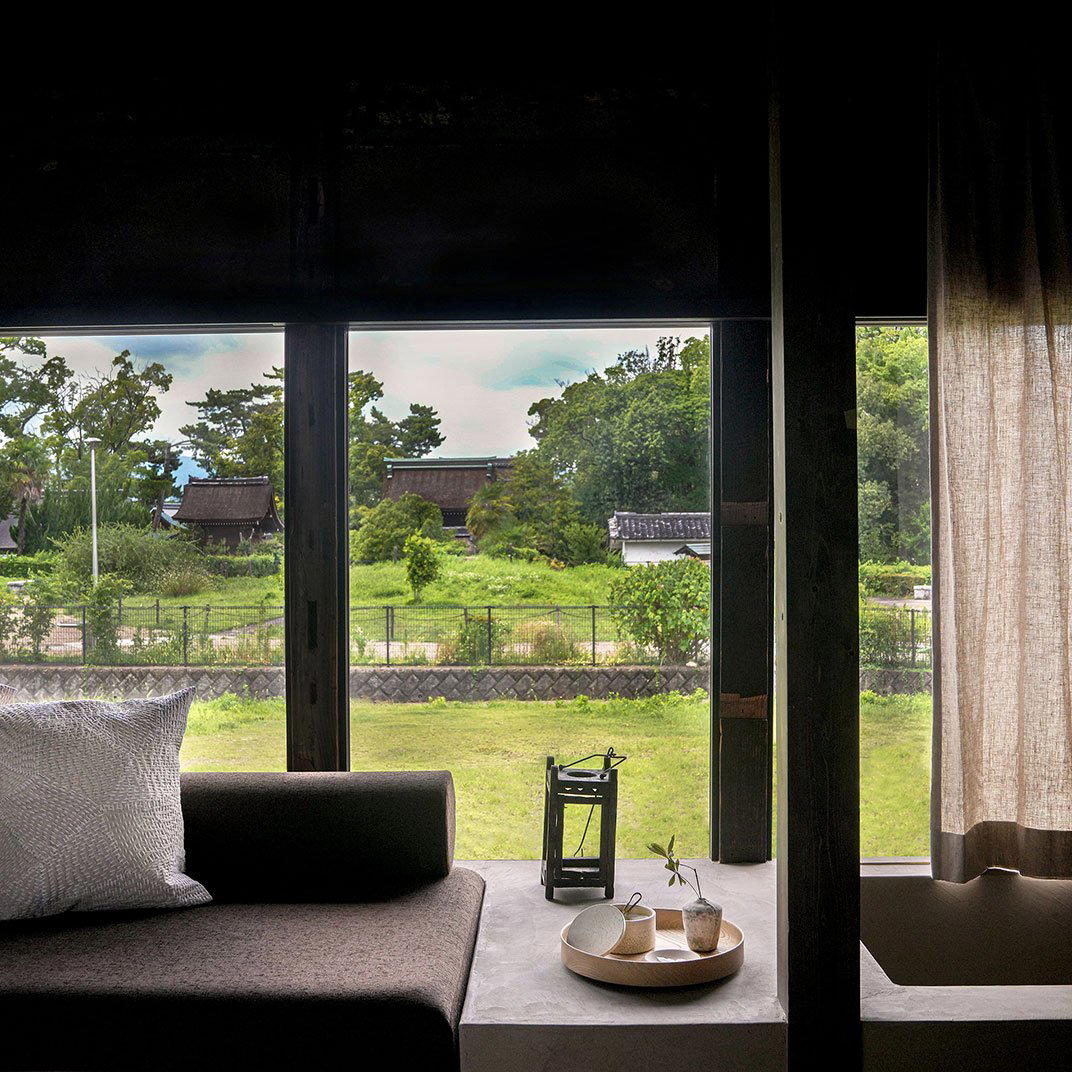
Bars in Osaka
All bars in Osaka →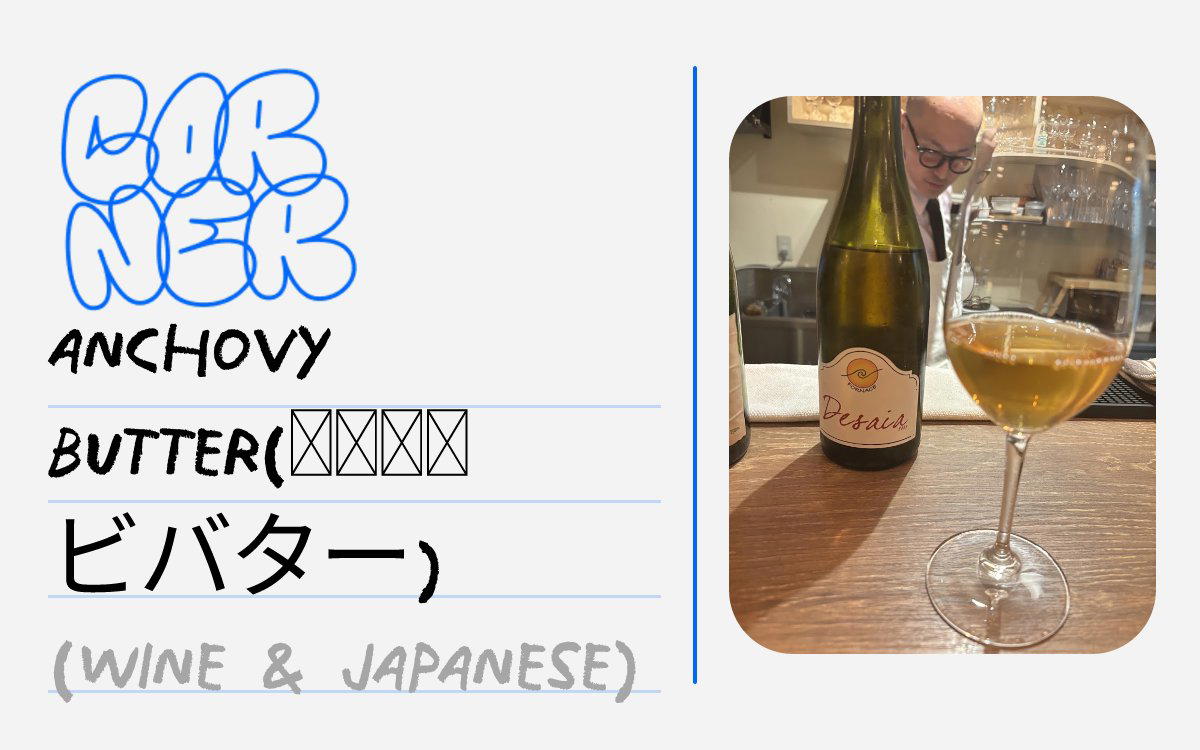



Hotels in Osaka
All hotels in Osaka →

Wineries in Osaka
Browse all →
Details
- Trendy
- Cozy
- Modern
- Intimate
- After Work
- Casual Hangout
- Solo
- Late Night
- Date Night
- Standalone
- Design Destination
- Sake Program
- Craft Cocktails
- Small Plates
- Counter Dining
- A La Carte
- Sake
- Cocktails
- Wine
- Shochu
Current opening hours
- Monday
- Closed
- Tuesday
- 3–11 PM
- Wednesday
- 3–11 PM
- Thursday
- 3–11 PM
- Friday
- 3–11 PM
- Saturday
- 3–11 PM
- Sunday
- Closed
Hours can change for holidays and private events. Hours as of .
A small, stylish tachinomi bar with a relaxed yet lively atmosphere, non-smoking interior, and a cozy hideout feel suited to solo or small-group drinking.