Wan Dao Tou Assam Laksa

Michelin Bib Gourmand
Our verdict
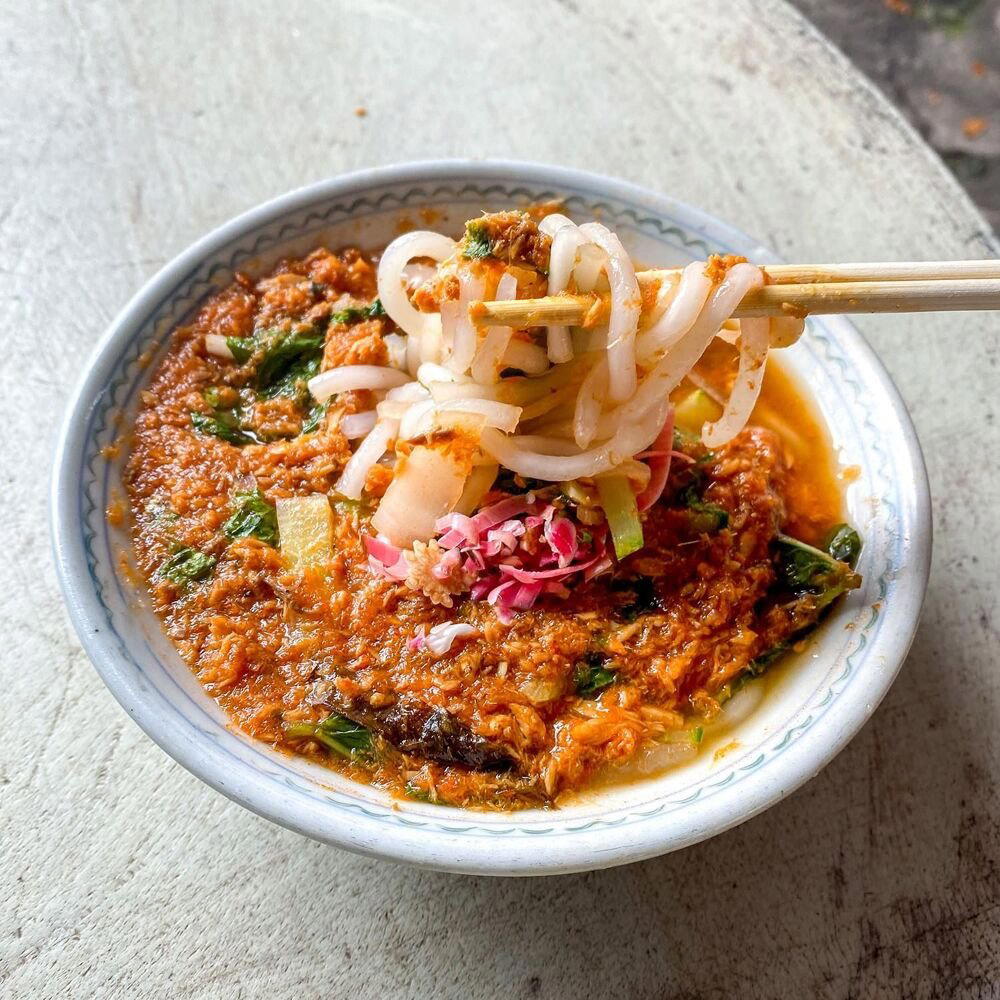
A third-generation family stall on Jalan Gottlieb, Wan Dao Tou Assam Laksa holds back-to-back Michelin Bib Gourmand recognition for 2024 and 2025. The signature laksa soup follows a 50-year-old family recipe, balancing tamarind sourness, spice, and a hint of sweetness, with fresh cucumber, shallot, and pineapple threading through each bowl. A starter platter rounds out the order at street-food prices.

Pearl is the En Primeur Club membership app, where members save venues, book tables and use the concierge.
George Town's Assam Laksa Tradition, and Where Wan Dao Tou Sits Within It
Penang assam laksa occupies a specific and fiercely debated register in the broader canon of Malaysian noodle soups. Unlike the coconut-milk laksas of the south, the Penang version draws its depth from tamarind, assam in Malay, layered with mackerel, lemongrass, and torch ginger flower. The result is a broth that is simultaneously sour, spiced, and faintly sweet, a profile that resists both replication and shortcut. George Town has dozens of stalls that claim authority over the bowl; only a handful carry the weight of generational continuity and external recognition to back that claim. Wan Dao Tou, at 1 Jalan Gottlieb, is among them.
The stall has held the Michelin Bib Gourmand in both 2024 and 2025, placing it in a tier of George Town street food that Michelin's inspectors have found worth returning to. That back-to-back recognition matters: a single year can reflect novelty or timing, two consecutive years indicate consistency. At this price point, a single dollar sign, the lowest tier, that consistency is the editorial story. The Bib Gourmand programme, which exists specifically to identify high-quality cooking at accessible prices, has a strong record in this part of Southeast Asia; Hill Street Tai Hwa Pork Noodle in Singapore and A Noodle Story, also in Singapore, both carry Michelin recognition in the same noodle-soup tradition, and the peer comparison is instructive: these are not restaurants in the formal sense, but kitchens where decades of technique produce results that withstand the same critical framework applied to fine dining.
The Arc of the Meal: Starting Before the Laksa Arrives
The editorial angle here is progression, what you eat, in what order, and why sequencing matters at a stall like this. George Town's street-food culture does not enforce a formal tasting structure, but the smarter approach at Wan Dao Tou follows a deliberate arc. The starter platter is the opening act, and it functions as palate calibration before the main bowl. The components of a well-assembled Penang assam laksa starter typically include prawn paste (hae ko), fresh herbs, and raw vegetables, elements that appear again inside the laksa itself, but here presented without the heat and acidity of the broth. Starting with the platter allows the diner to register each ingredient individually before encountering them submerged and transformed.
Then comes the laksa. The soup at Wan Dao Tou follows a family recipe the third-generation owner traces back 50 years, to his grandparents. That kind of documented lineage is not common even in a city known for multi-generational hawker culture. The recipe's balance point, between tamarind sourness, spice heat, and a structural sweetness, is the technical achievement that Michelin's inspectors appear to have noted. Cucumber, shallot, and pineapple are the fresh components that interrupt the broth's intensity, and they perform a specific function: the acidity of the pineapple, the sharpness of the raw shallot, and the cool neutrality of cucumber collectively reset the palate between mouthfuls. This is not garnish; it is architecture.
The thick rice noodles (laksa noodles) provide the body. They absorb the broth without dissolving into it, which is a function of both noodle quality and broth viscosity. A well-made assam laksa broth has enough body from the flaked mackerel and aromatics to coat the noodle rather than simply surround it.
Where This Fits in George Town's Street-Food Hierarchy
George Town's hawker scene has been receiving sustained international attention since the city's UNESCO listing in 2008, but the street-food ecosystem predates that recognition by generations. The stalls that have survived and earned external validation tend to share a common profile: tight menus, long operational histories, and no interest in scaling. Wan Dao Tou, with its single-dish focus and family-recipe anchor, fits that profile precisely.
Within George Town's noodle-soup category specifically, the comparisons are instructive. Ah Boy Koay Teow Th'ng operates in a neighbouring register, pork-based clear broth noodles, and represents the same generational commitment in a different flavour tradition. 888 Hokkien Mee on Lebuh Presgrave brings prawn-heavy wok char to the equation. These stalls are not in competition with one another in the way that restaurants sharing a cuisine category might be; they are, in aggregate, the argument that George Town's street-food canon is as technically demanding as any formal kitchen tier in the region.
For context across the broader Malaysian restaurant spectrum, venues like Dewakan in Kuala Lumpur represent the formal fine-dining expression of Malaysian ingredients and techniques. What Wan Dao Tou represents is the opposite pole of that same culinary seriousness: no plating, no service theatre, no wine list, just a 50-year recipe executed consistently enough to earn Michelin recognition twice in succession.
Beyond George Town, the regional comparisons extend to Bee See Heong in Seberang Perai across the strait, and to street-food operations in Phuket such as A Pong Mae Sunee, which similarly earn formal recognition for single-item mastery at street prices. The pattern across the region is consistent: tight focus and generational knowledge outperform breadth and novelty in this category.
Comparable noodle-soup institutions in Singapore, including 545 Whampoa Prawn Noodles and 91 Fried Kway Teow Mee, reinforce the same editorial point: the Southeast Asian Bib Gourmand tier is built on this kind of unbroken craft, not on experimentation.
George Town also offers other strong entry points into its hawker culture. Air Itam Duck Rice, Air Itam Sister Curry Mee, and Ali Nasi Lemak Daun Pisang each anchor a different flavour tradition and represent an afternoon or morning well spent away from the tourist-facing dining strip.
For those extending beyond street food, The Planters at The Danna in Langkawi offers a formal dining contrast, and EP Club's broader destination coverage spans George Town restaurants, George Town hotels, George Town bars, George Town experiences, and George Town wineries for full trip planning.
Know Before You Go
Address: 1, Jalan Gottlieb, 10350 George Town, Pulau Pinang, Malaysia
Price range: $ (street-food pricing)
Awards: Michelin Bib Gourmand 2024, Michelin Bib Gourmand 2025
Booking: Walk-in; no reservations at street-food format
Hours: Not confirmed, verify locally before visiting, as hawker stalls frequently adjust operating times
Cuisine: Penang assam laksa (street food)
family recipe, dating back 50 years, delivers the tamarind-mackerel broth that defines the Penang style, balanced with fresh cucumber, shallot, and pineapple. Order the starter platter first: it introduces the key garnish components in isolation, which makes the subsequent bowl easier to read and appreciate as a composed dish rather than a single undifferentiated intensity.
Frequently asked questions
What's the pricing like at Wan Dao Tou Assam Laksa?
Pricing at Wan Dao Tou Assam Laksa is listed as $.
What distinctions does Wan Dao Tou Assam Laksa have?
Wan Dao Tou Assam Laksa has received recognition including: The third-generation owner makes his famous laksa noodle soup according to his grandparents’ recipe dating back 50 years ago. The soup strikes a fine balance between sweetness, sourness and spiciness, while the cucumber, shallot and pineapp….
What's the best thing to order at Wan Dao Tou Assam Laksa?
The assam laksa is the primary order and the sole reason the stall earned back-to-back Michelin Bib Gourmand recognition in 2024 and 2025. The recipe is third-generation, dating back 50 years, and the broth balances sweetness, sourness, and spice with cucumber, shallot, and pineapple providing contrast. The starter platter is also worth adding to the order before the soup arrives.
What's Wan Dao Tou Assam Laksa's location?
Wan Dao Tou Assam Laksa is located at 1, Jalan Gottlieb, 10350 George Town, Pulau Pinang, Malaysia, George Town.
Who runs the kitchen at Wan Dao Tou Assam Laksa?
The chef associated with Wan Dao Tou Assam Laksa is Rob Feenie.
Price and Recognition
| Venue | Cuisine | Price | Awards | Notes |
|---|---|---|---|---|
| Wan Dao Tou Assam LaksaThis venue (the venue you are viewing) | Penang Assam Laksa | $1–10 | Michelin Bib Gourmand | Not listed |
| Au Jardin | Modern European with Local Accents | $200–300 | 1 Michelin Star · World's 50 Best #39 | European Contemporary |
| Auntie Gaik Lean's Old School Eatery | Peranakan (Nyonya) | $10–20 | 1 Michelin Star | Peranakan |
| Ah Boy Koay Teow Th'ng | Teochew Koay Teow Th'ng | $1–10 | Michelin Bib Gourmand | Not listed |
| Communal Table by Gēn | Modern Malaysian Fusion | $30–50 | Michelin Bib Gourmand · Star Wine List | Not listed |
Recognition history
Dated appearances from independent guides and award organizations, with the underlying list record or original source where available.
Michelin Bib Gourmand
Michelin
Full recognition history (3 entries)
Michelin Bib Gourmand
Michelin
Michelin Bib Gourmand
Michelin
Continue exploring
More in George Town
Restaurants in George Town
All restaurants in George Town →
Bars in George Town
All bars in George Town →

Details
- Lively
- Casual
- Casual Hangout
- A La Carte
Current opening hours
- Monday
- Closed
- Tuesday
- 11 AM–5 PM
- Wednesday
- 11 AM–5 PM
- Thursday
- 11 AM–5 PM
- Friday
- 11 AM–5 PM
- Saturday
- 11 AM–5 PM
- Sunday
- 11 AM–5 PM
Hours can change for holidays and private events. Hours as of .
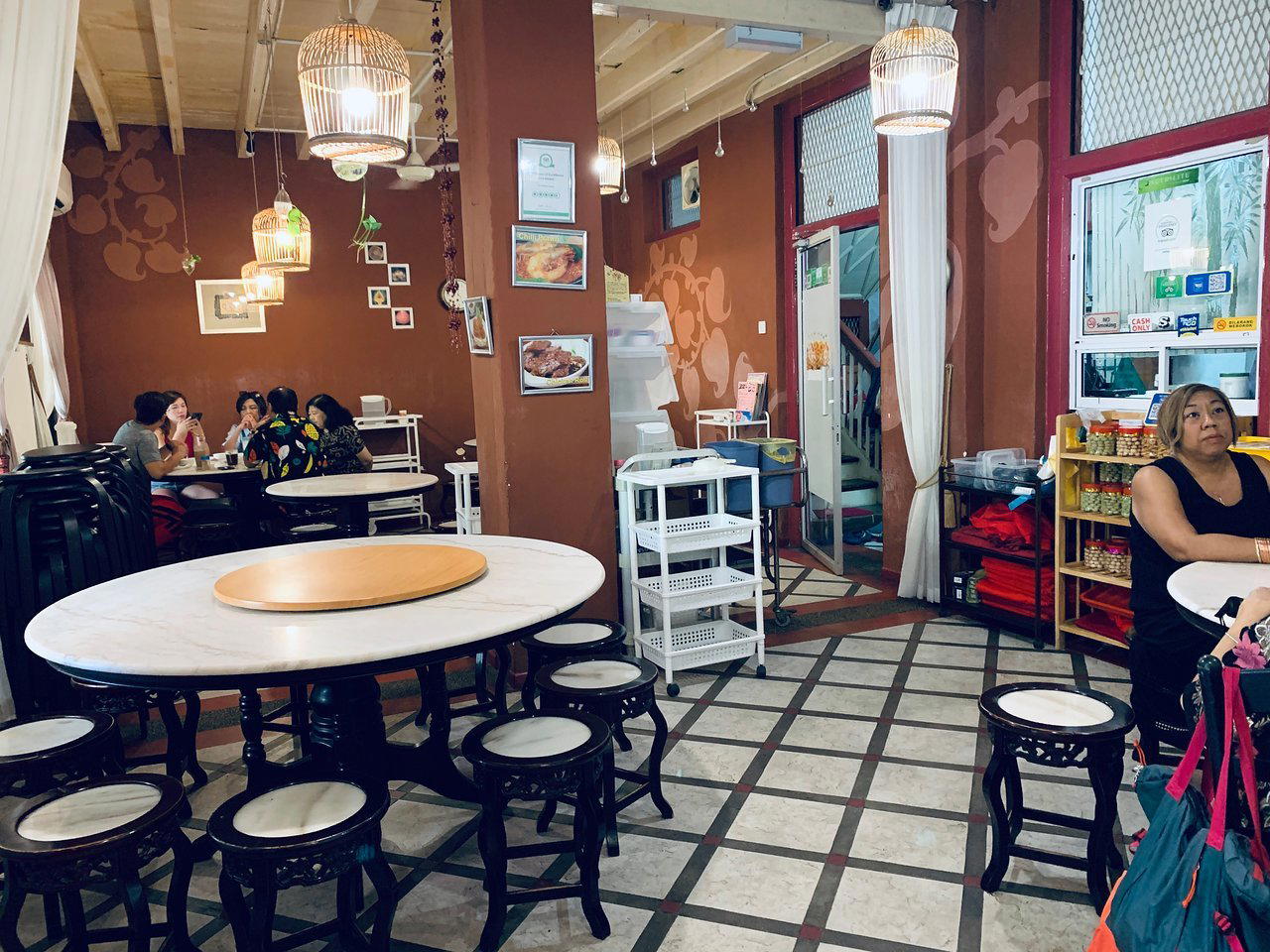
Matter-of-fact and lively atmosphere inside a coffee shop with communal, informal seating focused on quick meals.