Isbilir
On Clarastrasse in Basel's Kleinbasel district, Isbilir sits within a neighbourhood that has quietly become one of the city's more interesting dining corridors. The address places it across the Rhine from the old town's French-influenced fine dining circuit, in a quarter where Turkish and Middle Eastern kitchens operate with considerably less ceremony and considerably more directness. A counterpoint to Basel's Michelin-heavy restaurant culture.
Pearl is the En Primeur Club membership app — saves, bookings, and concierge access live there. Same editors, same standards.
- Address
- Clarastrasse 53, 4058 Basel, Switzerland
- Phone
- +41615064060
- Website
- isbilir-food.ch
- Directions
- Get directions
 Saves & bookings on Pearl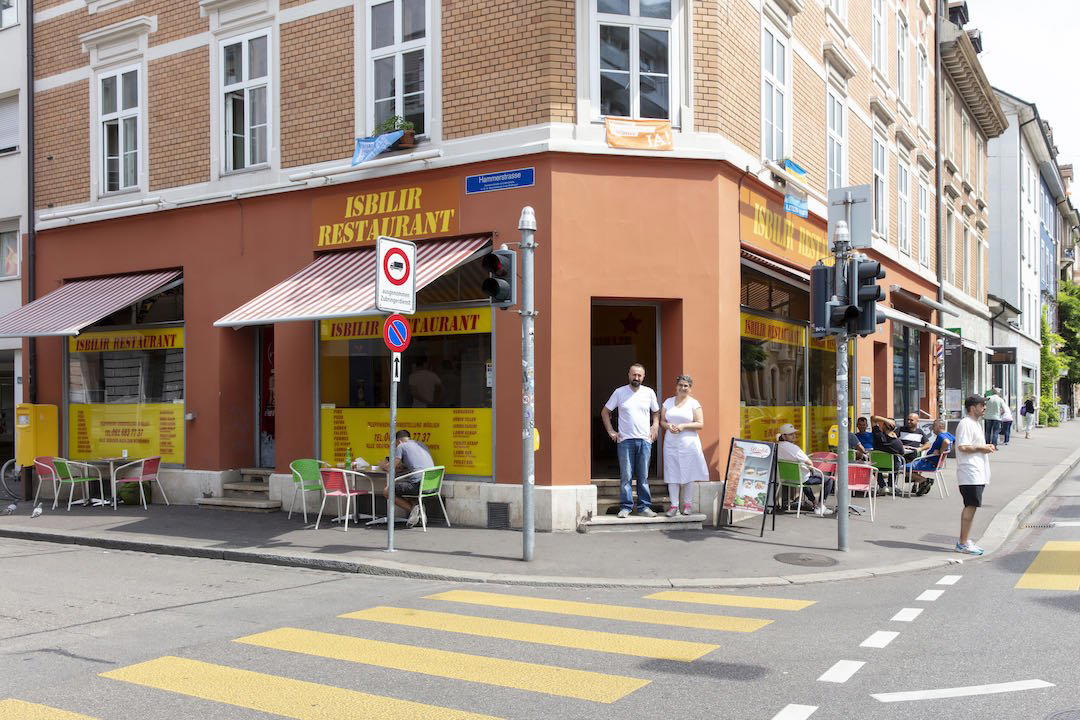
Across the Rhine: Where Basel's Dining Divides
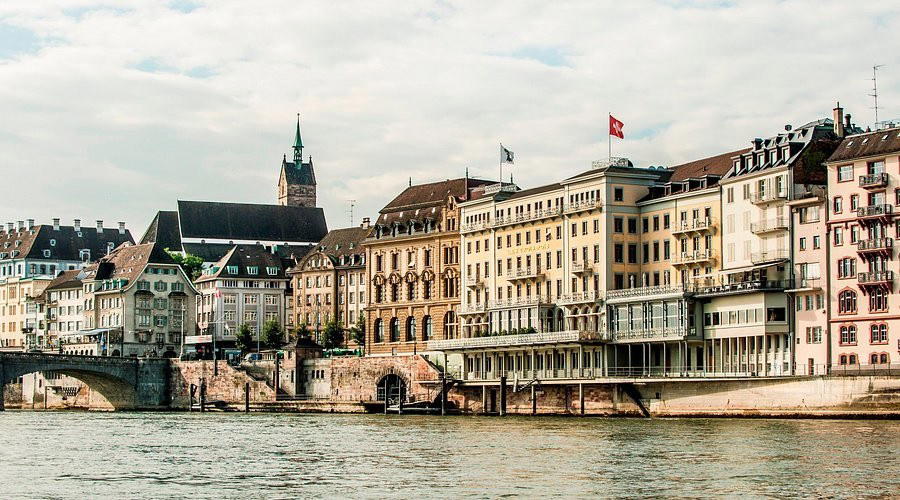
Basel's restaurant identity is largely defined by what happens on the other side of the Rhine. Cheval Blanc, Stucki, and roots anchor a fine dining corridor in Grossbasel that trades in French-accented tasting menus and Michelin recognition. The Cheval Blanc by Peter Knogl and Stucki - Tanja Grandits represent the kind of multi-course, high-ceremony format that Basel's reputation is built on internationally. Kleinbasel — the neighbourhood east of the Rhine where Isbilir sits at Clarastrasse 53 — operates under a different logic entirely. The streets here have historically drawn a more working-class, internationally diverse population, and the food culture that developed alongside it is less interested in ceremony and more interested in directness. Turkish and Middle Eastern kitchens dominate stretches of this quarter, offering a form of hospitality that doesn't require a reservation three weeks out or a dress code conversation.
That contrast matters when placing Isbilir in context. It isn't competing with the roots or the 1777. It belongs to a different tier of Basel dining, one that rewards regularity over occasion, and familiarity over discovery.
The Progression of the Meal: How Turkish Tables Build
Turkish dining, at its structural core, is built around accumulation rather than sequence. The Western tasting menu moves linearly, amuse, starter, fish, meat, dessert, with each course arriving in isolation. A well-run Turkish table works differently. It begins with cold mezze: spreads of yoghurt-based dips, roasted vegetables, cured or marinated items that are meant to be eaten slowly, with bread, while conversation settles the room. Dishes like haydari (thick yoghurt with herbs and garlic), patlıcan salatası (smoky aubergine salad), and cacık (cucumber in yoghurt with dried mint) are not starters in the Western sense. They're the foundation on which the rest of the meal rests, and a kitchen's confidence with these preparations signals a great deal about what follows.
The middle of a Turkish meal, the warm mezze and grill section, is where character becomes most legible. Köfte, beyti, and lamb chops grilled over direct heat require timing and attention that distinguishes a serious kitchen from a casual one. The fat should render without burning, the interior should hold moisture, and the seasoning should sit inside the meat rather than on top of it. It's a format that punishes inconsistency more than it rewards elaboration.
Dessert in this tradition tends toward the sweet end: baklava, künefe, or rice pudding. These are rarely the point of the meal, but their presence or absence tells you something about whether a kitchen is running the full register or stopping short.
Whether Isbilir follows this full structural arc, cold mezze through to dessert, is not confirmed in available records. What the Clarastrasse address and neighbourhood context suggest is a kitchen operating within this tradition rather than departing from it. The surrounding block has supported Turkish and Middle Eastern establishments for long enough that a certain competitive baseline has been established.
Kleinbasel as a Dining District
The case for eating in Kleinbasel rather than crossing the Rhine is partly about register and partly about cost. Basel's fine dining scene, bracketed by addresses like Ackermannshof at the Mediterranean end, prices itself at a level that makes a casual weeknight meal an event by necessity. Kleinbasel doesn't carry that weight. The neighbourhood's restaurants are walk-in or easy-book, priced for repetition rather than occasion, and staffed for pace rather than theatre.
For a visitor whose Basel itinerary already includes a meal at one of the city's decorated restaurants, Kleinbasel offers a useful counterweight. The contrast between a tasting menu at a Michelin-level kitchen and a direct, unglamorous Turkish spread the following evening isn't a step down, it's a different reading of what a city's food culture actually contains. Basel's dining reputation tends to travel internationally through its French-influenced fine dining. What the Clarastrasse corridor represents is the part of that culture that rarely makes the round-up lists but feeds the city's actual residents most consistently.
Switzerland's Broader Restaurant Context
Basel sits within a Swiss dining scene that has accumulated significant recognition at the formal end: Hotel de Ville Crissier in Crissier, Schloss Schauenstein in Fürstenau, and Memories in Bad Ragaz anchor a national fine dining identity that leans heavily on French and contemporary European technique. Further afield, 7132 Silver in Vals, Colonnade in Lucerne, and Einstein Gourmet in Sankt Gallen extend that register across the country's German-speaking cantons. Da Vittorio in St. Moritz, focus ATELIER in Vitznau, and IGNIV Zürich by Andreas Caminada in Zurich each represent a different inflection of Swiss fine dining ambition. In Geneva, L'Atelier Robuchon carries the weight of a globally recognised format. None of this context makes informal neighbourhood kitchens less relevant, if anything, it clarifies why they matter. A country with this density of decorated formal dining needs places that operate without that apparatus, and Kleinbasel provides them.
For comparative purposes outside Switzerland: the structure of a Turkish neighbourhood kitchen in a European city follows a logic closer to what you'd find at an informal counter in the outer arrondissements of Paris, or in the ethnic dining corridors of cities like Berlin or Amsterdam, than to the polished multi-course rooms represented by Le Bernardin or Atomix in New York. The comparison is not about quality but about mode, these are kitchens built for frequency, not occasion.
Planning a Visit
Isbilir's address at Clarastrasse 53 in the 4058 postcode places it in walkable distance from the Claraplatz tram hub, which connects directly to Basel's main train station and the old town via multiple lines. The neighbourhood is dense with dining options, making it sensible to arrive without a fixed backup plan, there's enough within a short walk that an evening in Kleinbasel can be constructed around the block rather than a single address. Phone and booking details for Isbilir are not currently confirmed in available records; visiting directly or checking the block for posted hours is the most reliable approach for first-time visitors. Clarastrasse's Turkish and Middle Eastern kitchen corridor tends to operate on walk-in terms rather than advance reservation systems, which aligns with the neighbourhood's general register. For a broader orientation to eating in Basel across all price points, the EP Club Basel restaurants guide maps the city's dining by district and format.
Continue exploring
More in Basel
Restaurants in Basel
Browse all →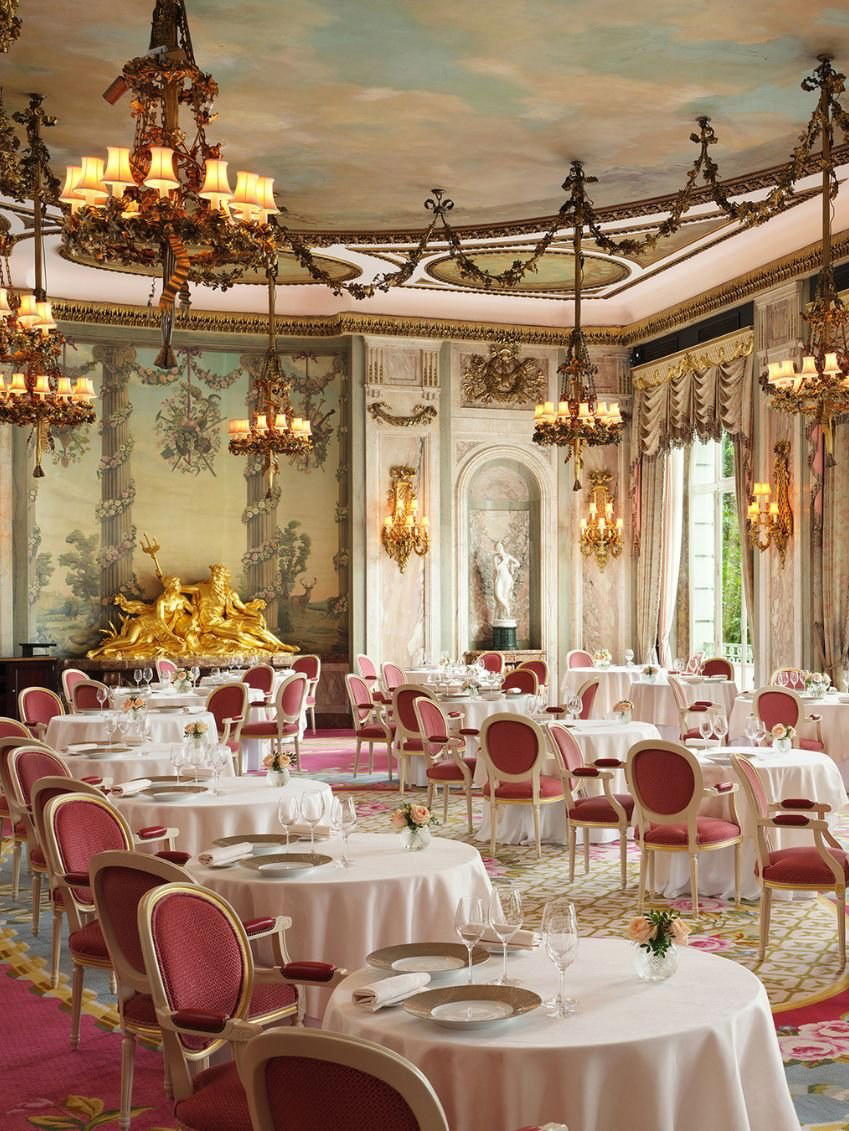
Bars in Basel
Browse all →
Hotels in Basel
Browse all →

At a Glance
- Lively
- Casual
- Casual Hangout
Current opening hours
- Monday
- 11 AM–12 AM
- Tuesday
- 11 AM–12 AM
- Wednesday
- 11 AM–12 AM
- Thursday
- 11 AM–12 AM
- Friday
- 11 AM–12 AM
- Saturday
- 11 AM–12 AM
- Sunday
- Closed
Hours can change for holidays and private events. Last verified .
Casual snack bar atmosphere with spectacular vibe that attracts repeat guests.
Know Before You Go
- Getting there
- Clarastrasse 53, 4058 Basel, Switzerland