Mirai
Mirai occupies a address on Sternengasse in Basel's old town, positioning itself within a city that punches well above its size in fine dining. With Basel's top tier running from classic French institutions to creative contemporary formats, Mirai enters a competitive field where menu architecture and culinary point of view matter as much as location. The address alone signals intent.
Pearl is the En Primeur Club membership app — saves, bookings, and concierge access live there. Same editors, same standards.
- Address
- Sternengasse 10, 4051 Basel, Switzerland
- Phone
- +41612714040
- Website
- mirai.ch
- Directions
- Get directions
 Saves & bookings on Pearl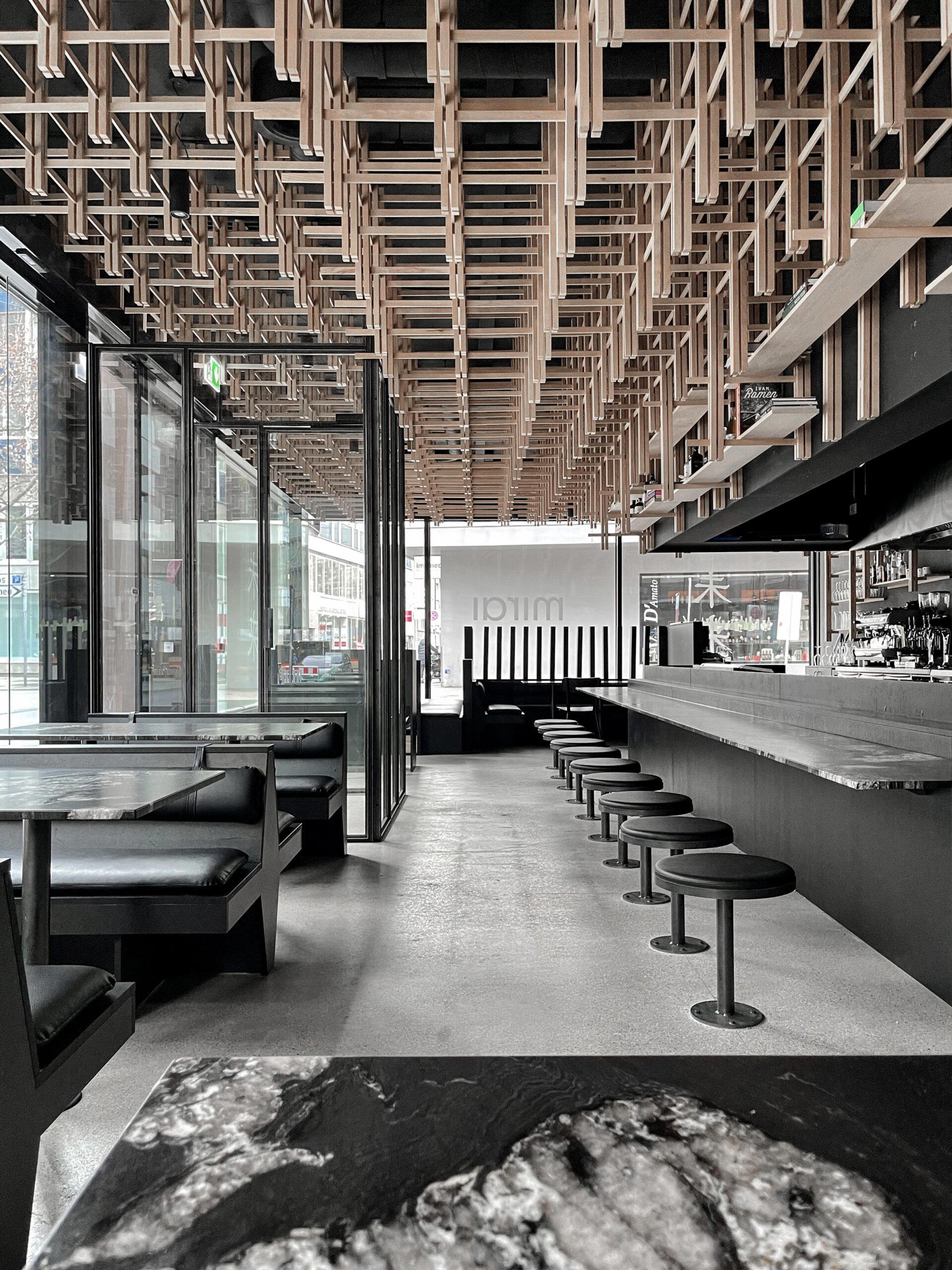
A Street That Sets Expectations
Sternengasse sits in the older fabric of Basel's city centre, a short distance from the Rhine embankment and the cluster of galleries and auction houses that give this city its particular cultural density. The streets in this part of Basel carry a quietness that contrasts with the intensity of what happens inside the better restaurants here: stone facades and narrow pavements that have hosted centuries of commerce now frame some of the more serious dining in the German-speaking world. Mirai, at number 10, operates within that context whether it intends to or not.
Basel's dining scene has developed along two distinct lines. The first is the classic French tradition, represented most visibly by Cheval Blanc by Peter Knogl at the grand hotel end, with multi-Michelin recognition and a price point to match. The second line is more recent: a cluster of creative and produce-driven formats, including Stucki - Tanja Grandits and roots, that have pushed the city's reputation beyond its classical inheritance. Mirai occupies an address in the same radius as these establishments, which places it immediately in a competitive conversation regardless of format.
What the Menu Structure Reveals
In a city where the dominant fine-dining grammar is French, a name like Mirai signals a departure. The word is Japanese, translating roughly as "future" — and in the context of a European dining room, that kind of naming decision usually carries structural consequences. Japanese culinary influence in European fine dining has moved well beyond the fusion moment of the 1990s. The more serious contemporary expressions treat Japanese technique as a discipline rather than an accent: precision in temperature, restraint in seasoning, an attention to the integrity of individual ingredients that aligns, in some respects, with the produce-led ethos that has reshaped European tasting menus over the past decade.
The architecture of a menu informed by Japanese thinking tends to prioritise sequence over abundance. Where classic French tasting menus once stacked courses and sauces, the Japanese-influenced format often works with fewer, cleaner transitions, where each course exists to isolate rather than accumulate.
Compared to the vegetable-driven architecture at roots or the spice-informed creativity of Stucki - Tanja Grandits, a Japanese-influenced format at Mirai suggests a different set of reference points entirely. The peer comparison shifts outward from Basel: restaurants like Atomix in New York City have demonstrated how Asian culinary frameworks can achieve the highest levels of international recognition when executed with full structural commitment rather than surface-level borrowing.
Basel's Position in the Swiss Fine-Dining Map
Switzerland's restaurant scene is more geographically dispersed than its size might suggest, with serious kitchens distributed across a network of smaller cities and resort destinations. Schloss Schauenstein in Fürstenau, Memories in Bad Ragaz, and Hotel de Ville Crissier in Crissier each anchor their respective regions with multi-star recognition. In Zurich, IGNIV Zürich by Andreas Caminada represents the sharing-format end of the premium market, while focus ATELIER in Vitznau and Colonnade in Lucerne add depth to central Switzerland's credentials. In that national context, Basel holds its own as a dining city, partly because its Art Basel adjacency brings an internationally mobile clientele with the same expectations they would carry to Le Bernardin in New York City or Da Vittorio in St. Moritz.
That clientele matters for understanding what Basel restaurants are actually competing against. In June, during Art Basel week, the city absorbs a concentration of international collectors, gallerists, and institutional buyers whose dining reference points span Tokyo, Paris, and New York. Restaurants that can hold their own in that comparison gain a credibility that extends well beyond the local market. For a venue like Mirai, positioned by name and apparent culinary orientation outside the French classical mainstream, the opportunity and the challenge are the same: to be assessed not against Basel's average, but against the international tier of whatever culinary tradition it is working within.
Other Basel addresses worth mapping alongside Mirai include 1777 and Ackermannshof, which each occupy different positions in the city's mid-to-upper dining range. The full spread of what Basel currently offers is covered in our full Basel restaurants guide.
Planning Your Visit
Mirai is located at Sternengasse 10, 4051 Basel, in the city's old town. Basel is served by EuroAirport Basel-Mulhouse-Freiburg, which connects to major European hubs, and the central train station (Basel SBB) puts the city within three hours of Zurich, Paris, and Frankfurt by rail. The Sternengasse address is walkable from the main tram network and from the museum quarter. Visitors planning a longer Swiss itinerary might also consider Einstein Gourmet in Sankt Gallen or 7132 Silver in Vals as companion destinations.
Continue exploring
More in Basel
Restaurants in Basel
Browse all →
Bars in Basel
Browse all →


Hotels in Basel
Browse all →

At a Glance
- Modern
- Trendy
- Casual Hangout
- Date Night
- Open Kitchen
Current opening hours
- Monday
- 11:45 AM–2 PM, 6–10 PM
- Tuesday
- 11:45 AM–2 PM, 6–10 PM
- Wednesday
- 11:45 AM–2 PM, 6–10 PM
- Thursday
- 11:45 AM–2 PM, 6–10 PM
- Friday
- 11:45 AM–2 PM, 6–10 PM
- Saturday
- 12–10 PM
- Sunday
- Closed
Hours can change for holidays and private events. Last verified .
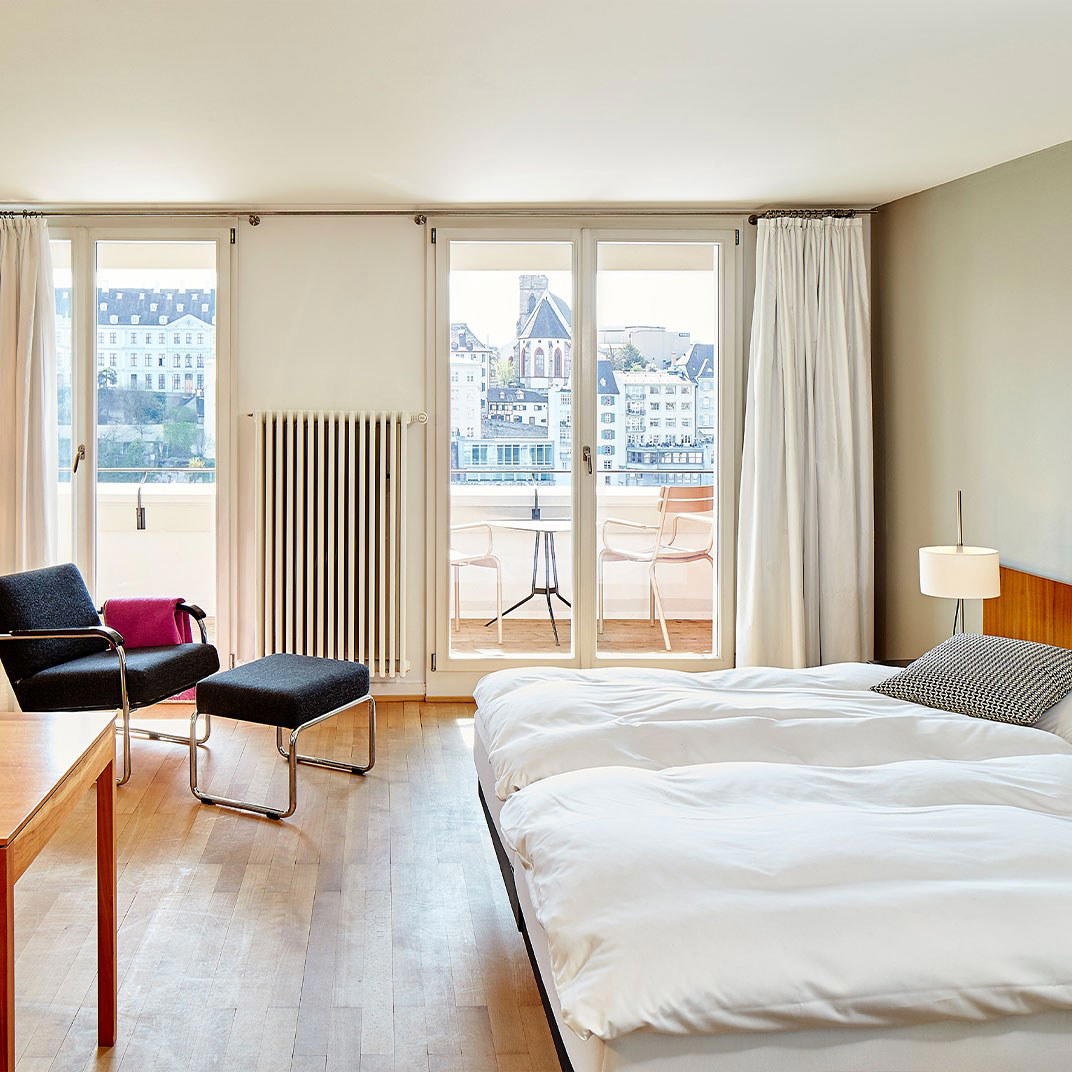
Modern raw Japanese style with stylish black and gray tones, open kitchen, and inviting interior using wood, stone, and metal.
Know Before You Go
- Getting there
- Sternengasse 10, 4051 Basel, Switzerland