VOI.bio Fine Dining

A Michelin Plate recipient in the quiet Salzburg commuter village of Puch bei Hallein, VOI.bio Fine Dining brings modern cuisine at €€€ pricing to a region more associated with Alpine tradition than contemporary plating. It represents the kind of understated fine dining address that Austria's mid-Salzach valley has quietly been developing alongside its more celebrated neighbours.
Pearl is the En Primeur Club membership app — saves, bookings, and concierge access live there. Same editors, same standards.
- Address
- Urstein N 24, 5412 Puch, Austria
- Phone
- +43 6232 3609351
- Website
- voi.bio
- Directions
- Get directions
 Saves & bookings on Pearl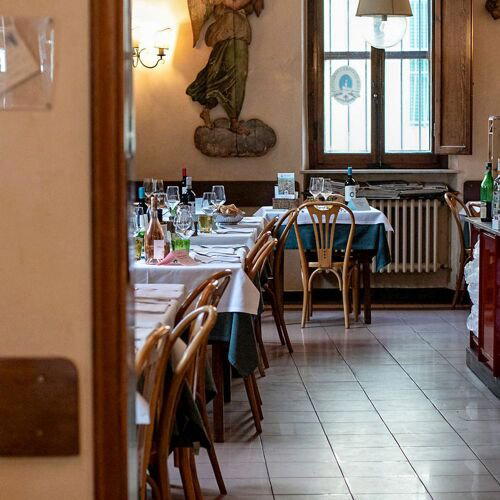
Fine Dining in the Salzach Valley's Quieter Stretch
The drive south from Salzburg city along the Salzach valley follows a corridor that concentrates more serious cooking per kilometre than almost anywhere in the German-speaking Alpine world. Hallein's salt-mining heritage defined the region for centuries; today, the stretch between Salzburg and the Tennengebirge draws a different kind of attention. Puch bei Hallein sits within this corridor, a village that reads as suburban Salzburg to anyone passing through, but which now holds a Michelin-recognised address in VOI.bio Fine Dining. The restaurant earned a Michelin Plate in 2025, the Guide's signal that cooking here meets a consistent technical standard, placing it in the same broader regional conversation as Döllerer in Golling an der Salzach and Obauer in Werfen, both a short distance further south.
That regional context matters. The Salzburg surrounds have developed a recognisable fine dining character: cooking that acknowledges Alpine produce without reducing itself to folkloric presentation, and that tends to sit in a mid-to-upper price tier without reaching the extreme pricing of Salzburg city's Ikarus. VOI.bio's €€€€ pricing places it squarely in that productive middle ground, accessible enough for a deliberate dinner rather than a special-occasion-only event.
What the Address Tells You About the Cooking
Urstein N 24 is not a prestigious dining address in the conventional sense. There is no old-town cobblestone outside the door, no lakeside terrace, no panoramic Alpine theatre. What this kind of address tends to signal, in Austria as much as anywhere, is that the restaurant draws its audience on the strength of the cooking rather than on location premium. but the consistency it suggests is notable for a modern cuisine format where polarising reactions are common. At this price tier and format, guests generally know what they are walking into, and the rating reflects deliberate satisfaction rather than accidental approval.
Modern cuisine as a category in the Austrian Alpine context spans a wide spectrum. At one end sit addresses like Steirereck im Stadtpark in Vienna, where the format is mature, internationally referenced, and deeply resourced. At the other end are younger, smaller addresses working through what contemporary Austrian cooking can mean at a community rather than destination scale. VOI.bio's Michelin Plate positions it as a serious participant in that conversation, with the credentialling body's recognition that execution here clears a defined threshold.
Sourcing as the Defining Argument
The restaurant's name carries an explicit ecological signal: the.bio suffix in Austrian and German commercial naming directly references organic or biologically responsible production. This is not a decorative choice. In the Salzach valley, the argument for sourcing from the immediate agricultural region is direct: the land between the Salzburg basin and the Tennengebirge produces dairy, meat, freshwater fish, and seasonal vegetables within a geography that allows short supply chains in a way that urban Austrian restaurants cannot replicate. Compelling fine dining in this corridor has consistently been built around that proximity, and stronger examples from it treats sourcing not as a marketing position but as a culinary constraint that focuses the menu.
This model has precedent in the region. Kräuterreich by Vitus Winkler in Sankt Veit im Pongau built its identity around herb cultivation and direct garden sourcing. Döllerer's long-running commitment to regional producers across the Salzach corridor set an early template. What VOI.bio appears to be doing is operating within that tradition while framing it through a contemporary idiom: modern cuisine technique applied to a supply chain anchored in the immediate valley landscape. That framing, when executed with the consistency Michelin recognition implies, produces cooking that is specific to place in a way that imported luxury-ingredient fine dining cannot be.
For context beyond the Austrian scene, modern cuisine addresses that have made sourcing their structural argument include Frantzén in Stockholm, where Nordic geography drives the menu's seasonal logic at a much higher price tier, and more recently FZN by Björn Frantzén in Dubai, which tests how far that model translates when separated from its source landscape. VOI.bio's version of the argument is local and grounded, operating where the supply chain and the dining room are in the same valley.
Atmosphere and Format
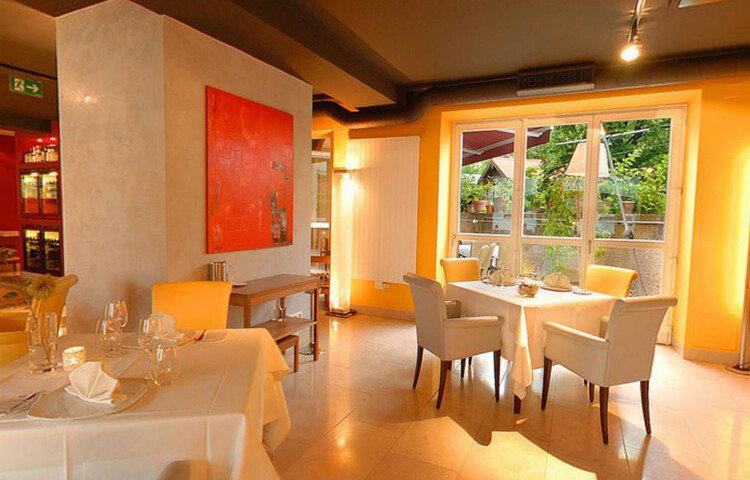
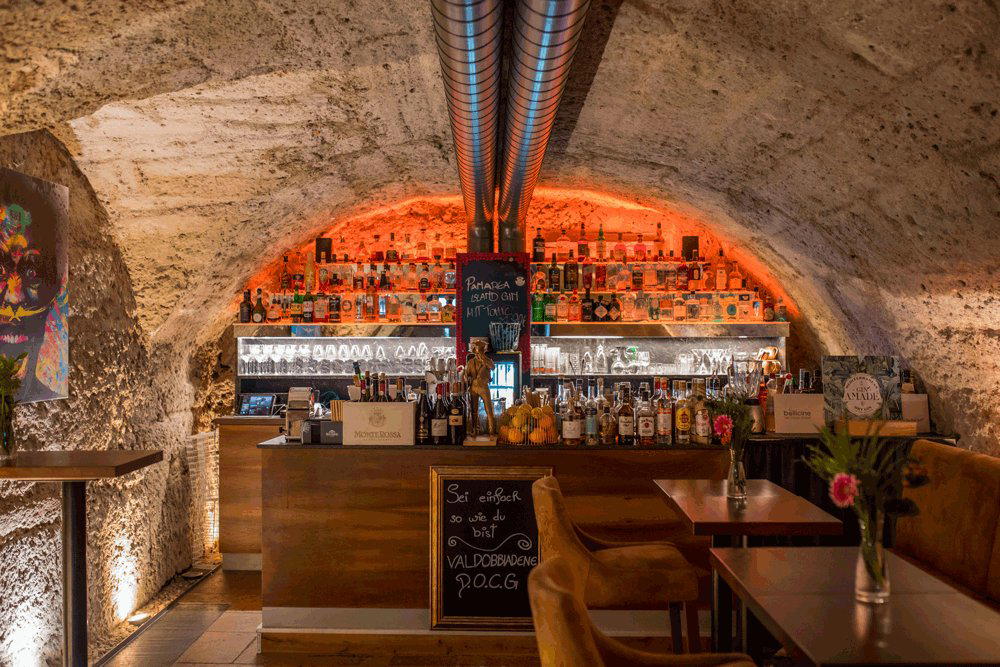
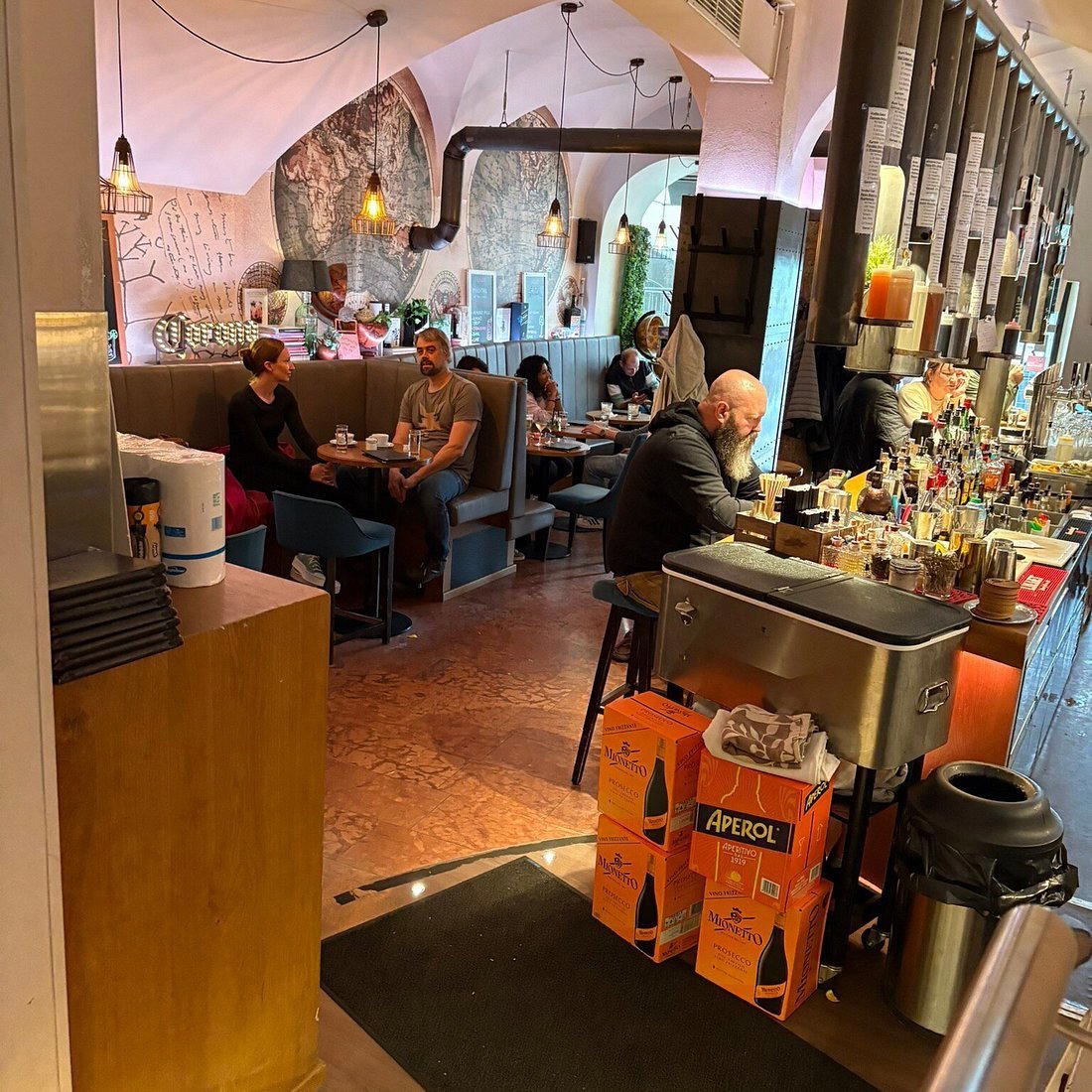
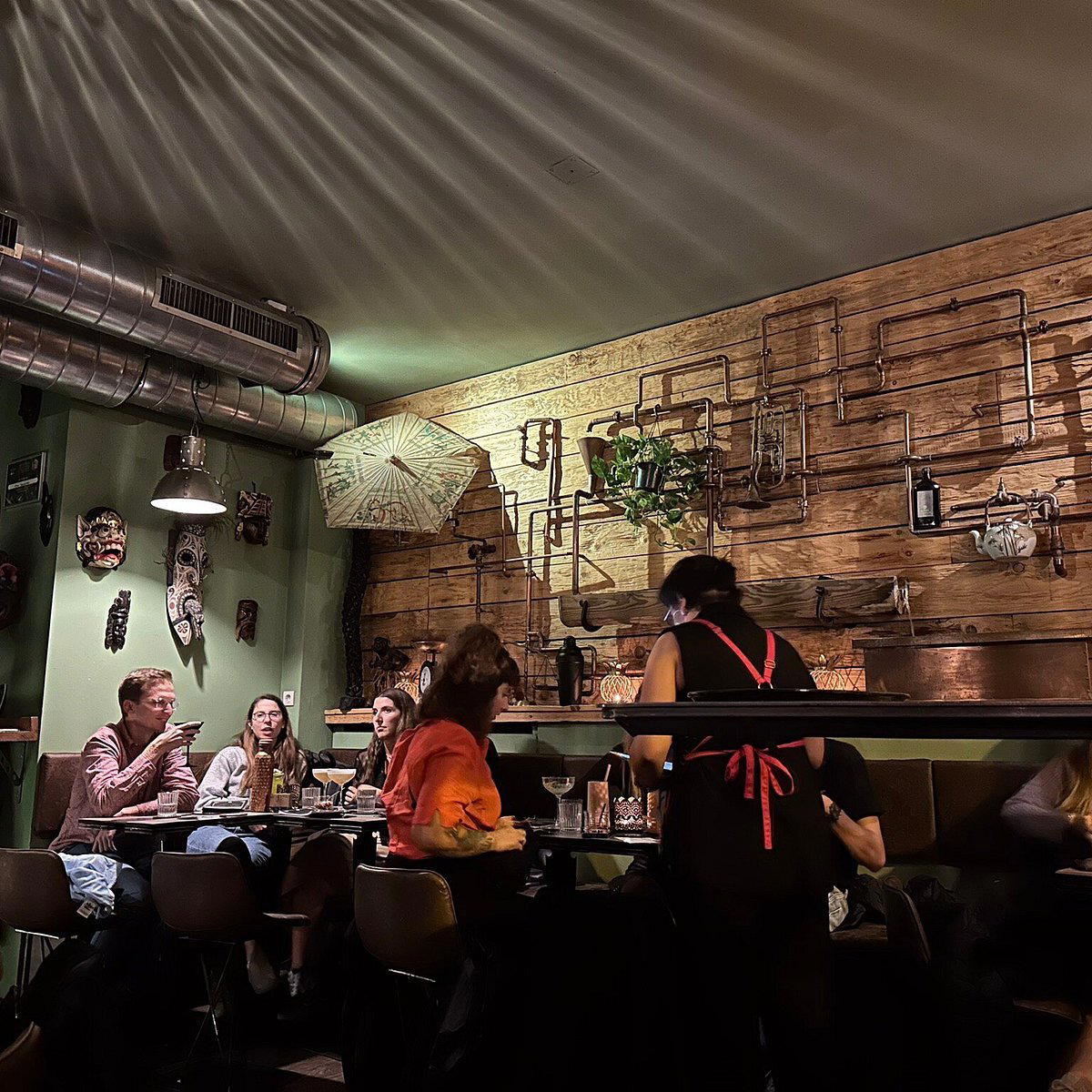
Fine dining in village Austria tends toward one of two atmosphere registers: the renovated farmhouse with exposed timber and ceramic tableware, or the clean-lined contemporary room that signals an intentional break from regional rusticity.
For comparison within Austria's contemporary fine dining tier, addresses like Gourmetrestaurant Tannenhof in Sankt Anton am Arlberg, Griggeler Stuba in Lech, and Schwarzer Adler in Hall in Tirol demonstrate that Alpine village fine dining works well when the room reinforces the sourcing story rather than competing with it. Stüva in Ischgl and Ois in Neufelden offer further points of comparison across Austria's dispersed fine dining geography. Restaurant 141 by Joachim Jaud in Mieming occupies a similarly off-radar village position with comparable credentialling.
Planning a Visit
Puch bei Hallein sits immediately south of Salzburg city on the A10 motorway corridor, making it reachable from the city centre in under twenty minutes by car. For visitors staying in Salzburg, it functions as a serious dinner option without requiring a dedicated overnight; consult our full Puch bei Hallein hotels guide if you prefer to base yourself locally. Booking at a Michelin Plate address in this region is advisable in advance, particularly through the summer festival season when the Salzburg basin fills with international visitors who extend their dining radius south. The €€€€ pricing tier positions the meal below the extended tasting menu spend of a Döllerer or Obauer evening.
A Quick Peer Check
Comparable venues nearby, for context on price, style, and recognition.
| Venue | Cuisine | Price | Awards | Notes |
|---|---|---|---|---|
| VOI.bio Fine DiningThis venue — the venue you are viewing | Bio Fine Dining | $$$$ | Michelin Plate | Not listed |
| Ping Pong Poke | Poke Bowls | $$ | Not listed | Puch bei Hallein |
| Marile | Modern Austrian Alpine | $$$$ | Michelin Plate | Lech am Arlberg |
| Broadmoar | Seasonal Contemporary Austrian | $$$$ | Michelin Plate | St. Josef |
| Kommod | Modern Art-Inspired Tasting Menu | $$$$ | Michelin Plate | Josefstadt |
| Fuggerstube | Alpine Fine Dining | $$$$ | Michelin Plate | Alpbach center |
Recognition history
Dated appearances from independent guides and award organizations, with the underlying list record or original source where available.
Michelin Plate
Michelin
Continue exploring
More in Puch bei Hallein
Restaurants in Puch bei Hallein
Browse all →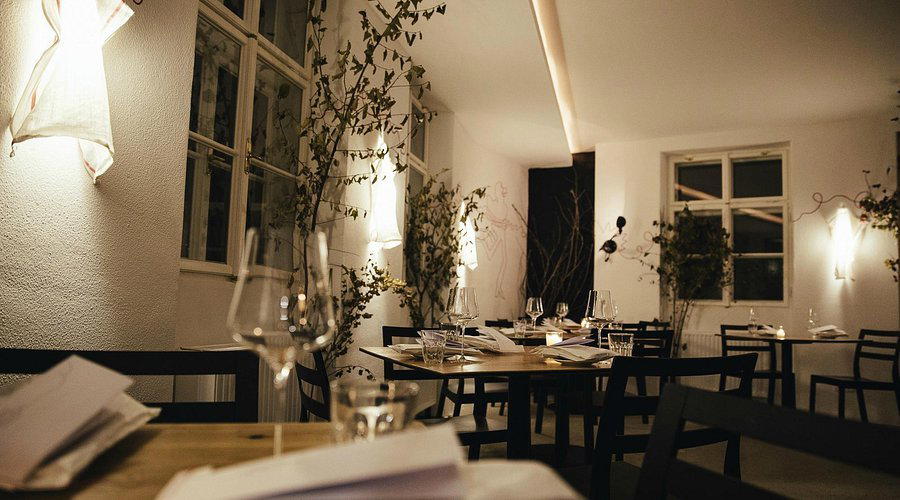
Bars in Puch bei Hallein
Browse all →
At a Glance
- Elegant
- Modern
- Sophisticated
- Intimate
- Date Night
- Special Occasion
- Chefs Counter
- Craft Cocktails
- Organic
- Local Sourcing
Current opening hours
- Monday
- 11:30 AM–11 PM
- Tuesday
- 11:30 AM–11 PM
- Wednesday
- 11:30 AM–11 PM
- Thursday
- 11:30 AM–11 PM
- Friday
- 11:30 AM–11 PM
- Saturday
- 11:30 AM–11 PM
- Sunday
- Closed
Hours can change for holidays and private events. Last verified .
Gedämpftes Licht, sanfte Musik, Erdtöne, urban and elegant with a mysterious flair.