Vinoteka Sodček
Vinoteka Sodček pairs a Slovenian wine bar and tasting format with a sommelier-led list, local sourcing, and a terrace in a historic building for leisurely, quiet visits.
Pearl is the En Primeur Club membership app — saves, bookings, and concierge access live there. Same editors, same standards.
- Address
- Linhartov trg 8, 4240 Radovljica, Slovenia
- Phone
- +38645315071
- Website
- vinoteka-sodcek.si
- Directions
- Get directions
 Saves & bookings on Pearl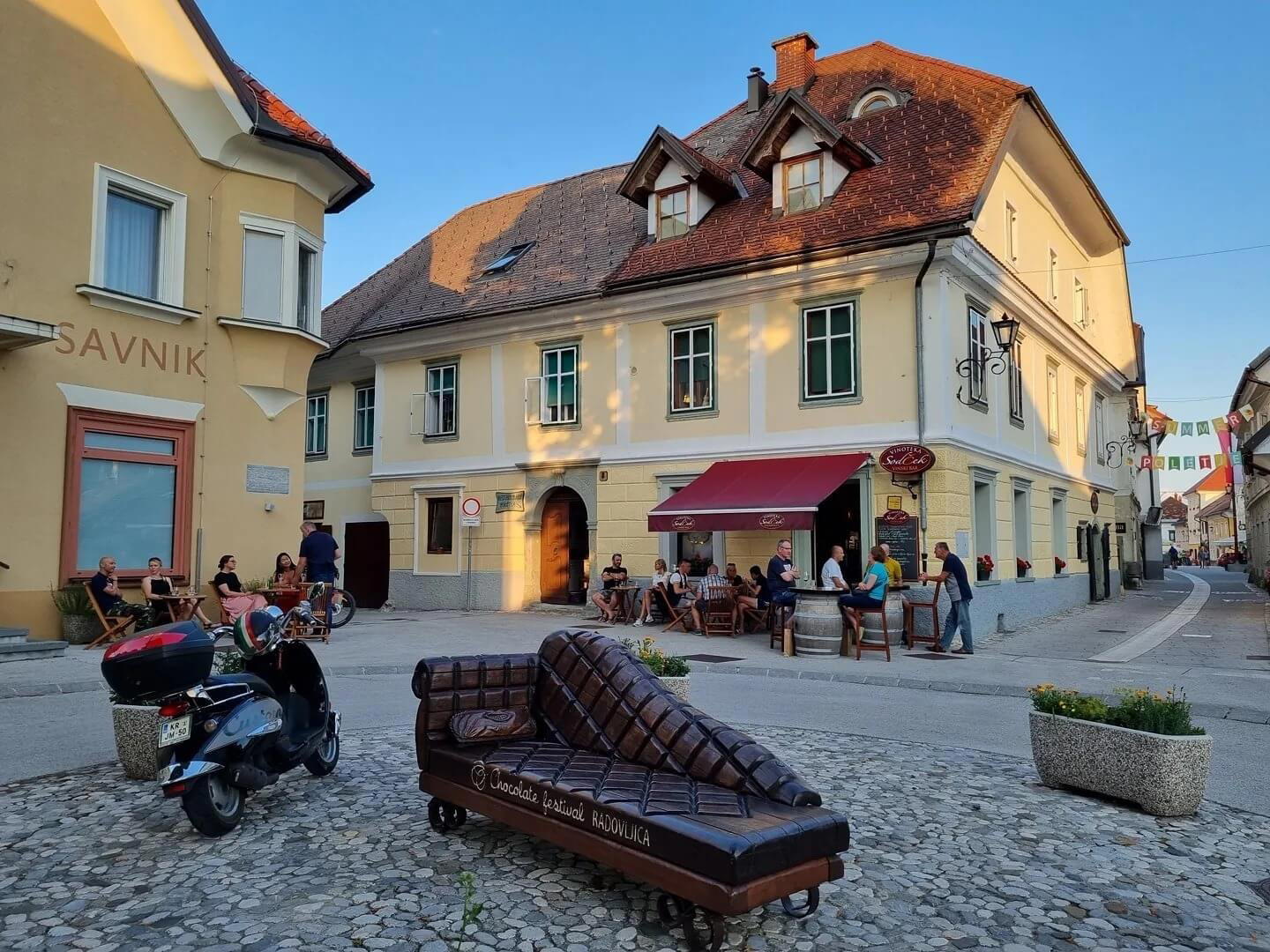
A Wine Cellar on Radovljica's Old Town Square
Linhartov trg, the cobblestoned main square of Radovljica's medieval old town, is one of the better-preserved baroque ensembles in Slovenia. The square functions as both civic stage and dining corridor: residents cross it on errands, visitors slow down at its arcade edges, and in the evening the whole thing takes on the kind of unhurried sociability that Gorenjska towns do particularly well. Vinoteka Sodček sits on this square at number 8, occupying a ground-floor space whose stone walls and vaulted architecture are characteristic of the region's Habsburg-era building stock. The name translates roughly as "wine cellar barrel," and the format follows that framing: a wine bar with the particular intimacy that old-town Slovenian vinoteke tend to cultivate.
The Gorenjska Wine Bar Tradition
Slovenia's wine bar culture is geographically uneven. The country's production heartlands, Vipava, Brda, and the Karst, sit in the west and southwest, and the densest concentration of serious wine programming clusters there too. Radovljica, in the Alpine northwest, is Gorenjska country: hiking trails, beekeeping heritage, and a food tradition built around game, river fish, and dairy rather than viticulture. That geography makes a dedicated vinoteka in the old town something of a curated intervention, a venue that assembles wine from across the country's regions rather than drawing on a local appellation. Wine bars in this position often serve a useful editorial function for visitors, offering a breadth of Slovenian labels that a single estate or regional restaurant would not.
The broader Slovenian wine story has gained considerable international attention over the past decade, driven in part by natural wine circles discovering the macerated whites of Brda and the Karst, and in part by producers like Movia and Klinec appearing on European wine lists. For a traveller passing through Gorenjska, a vinoteka format offers access to that story without requiring a dedicated wine-country detour. Comparable venues elsewhere in Slovenia, such as the wine bars attached to producers in Vipava or those operating alongside restaurants like Gostilna Pri Lojzetu in Vipava, tend to draw from tighter regional selections. A town-square vinoteka in Gorenjska necessarily takes a wider view.
Radovljica's Dining Context
Radovljica's restaurant scene is small but not thin. The old town supports a range of formats across different price tiers and culinary approaches. Hiša Linhart occupies the contemporary fine-dining position in the same historic square, operating at the €€€ tier with a kitchen that treats the Gorenjska larder with technical ambition. Further down the price register, Gostilna Avguštin and Gostilna Kunstelj hold the traditional gostilna position, and Baffi House Of Pizza and Gostišče Draga add casual-format options. A vinoteka sits between and alongside these categories, functioning less as a meal destination in the conventional sense and more as an anchor for an evening that might start with a glass before dinner or wind down with one afterward.
That role matters in a town where evening options are limited by the scale of the place. Radovljica draws visitors primarily for its old-town architecture, the nearby Bled lake circuit, and in December, its well-regarded Festival of Chocolate. The Linhartov trg square is the natural gathering point, and a wine bar on the square feeds into the rhythm of an evening stroll in a way that a restaurant requiring a reservation does not.
Slovenia's Wine Regions in a Glass
Understanding what a Gorenjska vinoteka is likely to pour requires a brief sketch of the country's wine geography. Slovenia divides into three principal wine regions. Podravje in the northeast produces aromatic whites, particularly Laški Rizling, Šipon, and Pinot Blanc, from a continental climate not unlike southern Austria's. Posavje in the southeast is lighter-bodied and less internationally profiled. The Primorska region in the west, subdivided into Brda, Vipava, Karst, and Slovenian Istria, generates the labels that have attracted outside attention: orange wines from Brda, Teran from the Karst's iron-rich terra rossa soils, and the Vipava Valley's increasingly sophisticated white and red blends.
A vinoteka with national scope can position itself as a sampler of all three regions, and in a town like Radovljica, that breadth is a genuine service to a visitor base that may have arrived from Ljubljana, Bled, or the Triglav National Park area without a detailed map of the country's wine geography. This is the same function that destination-agnostic wine bars perform in alpine towns across central Europe, from Innsbruck to Bolzano, where the local terroir does not produce wine but the visitor demographic expects a serious glass.
Within Slovenia's Broader Dining Scene
Slovenia's fine-dining circuit has gathered international credibility over the past several years. Hiša Franko in Kobarid remains the country's most internationally cited restaurant address, and venues like Dam in Nova Gorica, Grič in Šentjošt nad Horjulom, and Hiša Denk in Zgornja Kungota hold Michelin recognition. The wine bar format occupies a different register entirely, but it connects to the same national conversation about Slovenian produce and identity that those restaurants advance through their kitchens. Restavracija Strelec in Ljubljana and Gostilna Mlinar in Idrija represent the country's range at different price points and formats. For Alpine-adjacent dining in the Gorenjska corridor, Milka in Kranjska Gora and Gostišče Karavla 297 in Trzic extend the regional map. Pavus in Lasko rounds out the southern corridor. Wine bars, meanwhile, serve the connective tissue between these dining anchors, offering an accessible entry point to the country's wine culture without the commitment of a tasting menu. By comparison, the format's international counterparts, from Le Bernardin in New York City to Atomix in New York City, operate at a completely different scale of ambition and infrastructure, underscoring just how specific and local the vinoteka tradition remains.
Planning a Visit
Vinoteka Sodček is located at Linhartov trg 8 in Radovljica's old town, within walking distance of the town's main parking areas and a short walk from the Radovljica train station. The old town is compact enough that the square is effectively the centre of any visit, and the vinoteka's position there makes it easy to combine with a meal at any of the surrounding restaurants. Vinoteka Sodček is open Tue to Thu from 9 AM to 9 PM, Fri and Sat from 9 AM to 10 PM, and is closed on Monday and Sunday. Reservations are recommended.
Budget and Context
Comparable venues nearby, for context on price, style, and recognition.
| Venue | Cuisine | Price | Notes |
|---|---|---|---|
| Vinoteka SodčekThis venue — the venue you are viewing | Not listed | $$ | Not listed |
| Gostilna Avguštin | Linhartov trg, Traditional Slovenian | $$ | Not listed |
| Gostilna Kunstelj | Not listed | $$ | Radovljica, Traditional Slovenian Gorenjska |
| Baffi House Of Pizza | Radovljica, Neapolitan Pizza | $$ | Not listed |
| Restaurant Šobec | Lesce, Traditional Gorenjska with pizzas | $$ | Not listed |
| Gostišče Draga | Not listed | $$ | Begunje na Gorenjskem, Traditional Slovenian with Gorenjska Flavors |
Continue exploring
More in Radovljica
Restaurants in Radovljica
Browse all →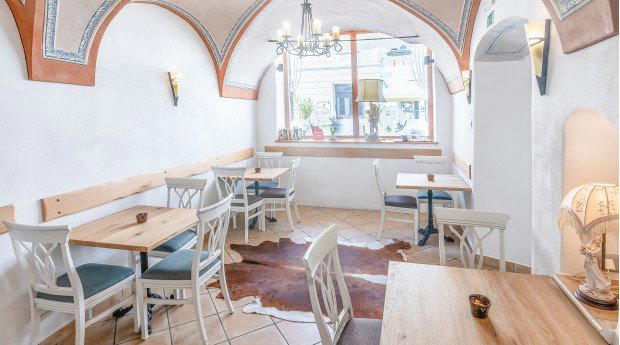
Bars in Radovljica
Browse all →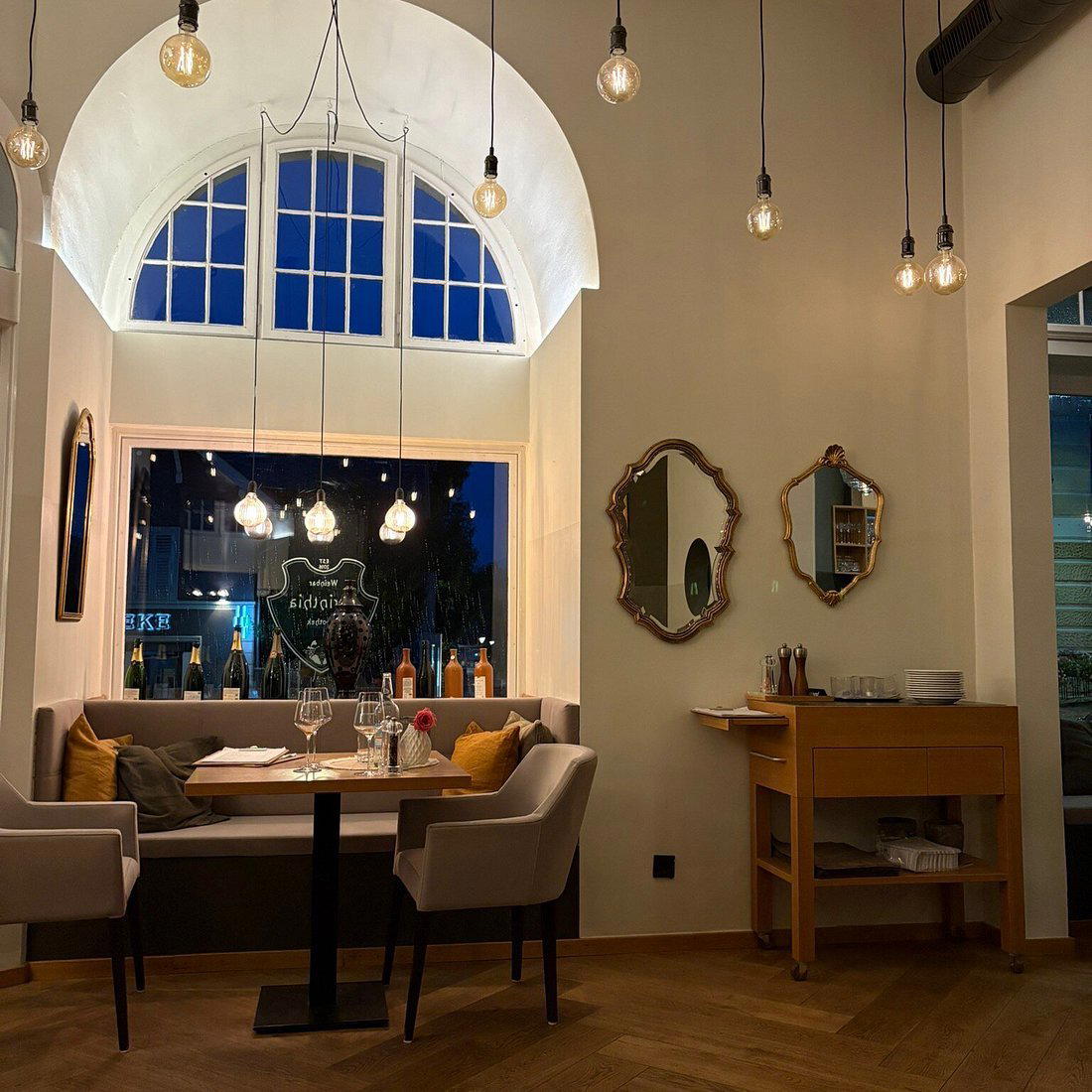
At a Glance
- Cozy
- Rustic
- Intimate
- Casual Hangout
- Date Night
- Group Dining
- Wine Cellar
- Terrace
- Historic Building
- Extensive Wine List
- Sommelier Led
- Local Sourcing
- Street Scene
Current opening hours
- Monday
- Closed
- Tuesday
- 9 AM–9 PM
- Wednesday
- 9 AM–9 PM
- Thursday
- 9 AM–9 PM
- Friday
- 9 AM–10 PM
- Saturday
- 9 AM–10 PM
- Sunday
- Closed
Hours can change for holidays and private events. Last verified .
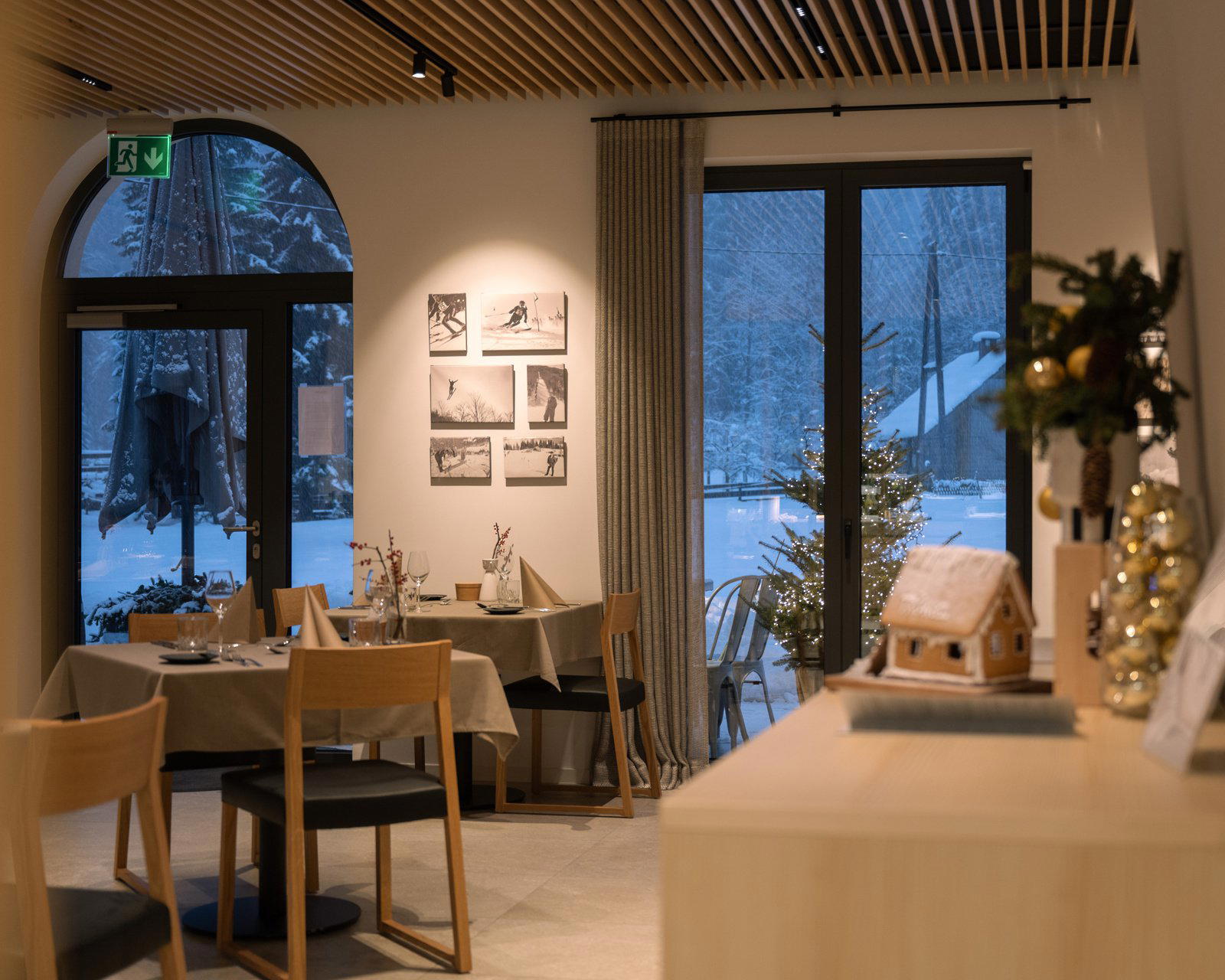
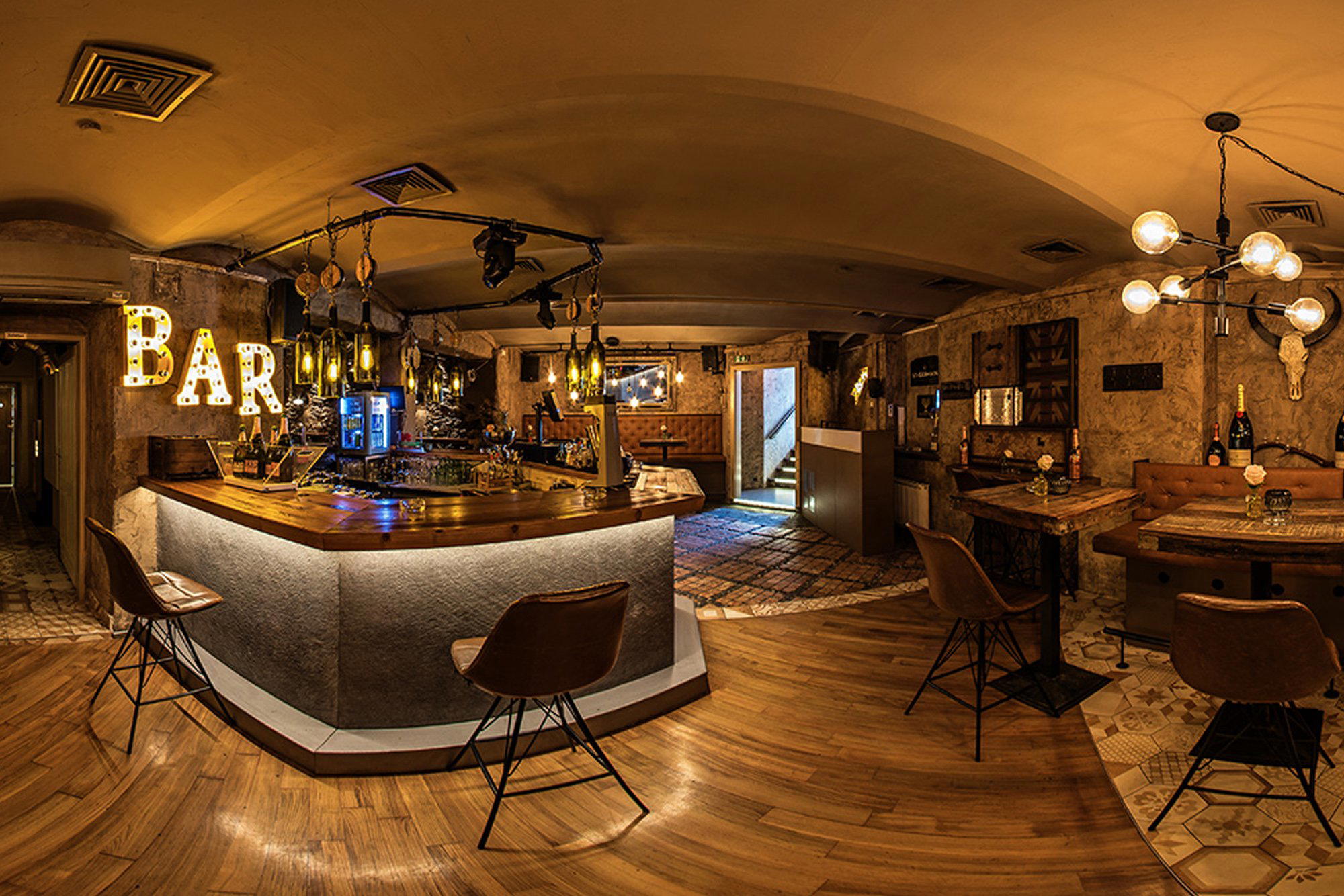
Rustic stone-walled interior with cozy tasting room and scenic terrace, well-suited for relaxed wine conversations.