Austin Sports Club
Austin Sports Club brings sports dining into downtown Austin’s wider conversation about casual food, game-day pacing, and local sourcing. The draw is not ceremony; it is the city’s appetite for social rooms where screens, snacks, drinks, and regional ingredients share the same table without pretending to be fine dining.
Pearl is the En Primeur Club membership app — saves, bookings, and concierge access live there. Same editors, same standards.
- Address
- 205 E 3rd St, Austin, TX 78701
- Phone
- (737) 329-5992
- Website
- loboshospitality.com
- Directions
- Get directions
 Saves & bookings on Pearl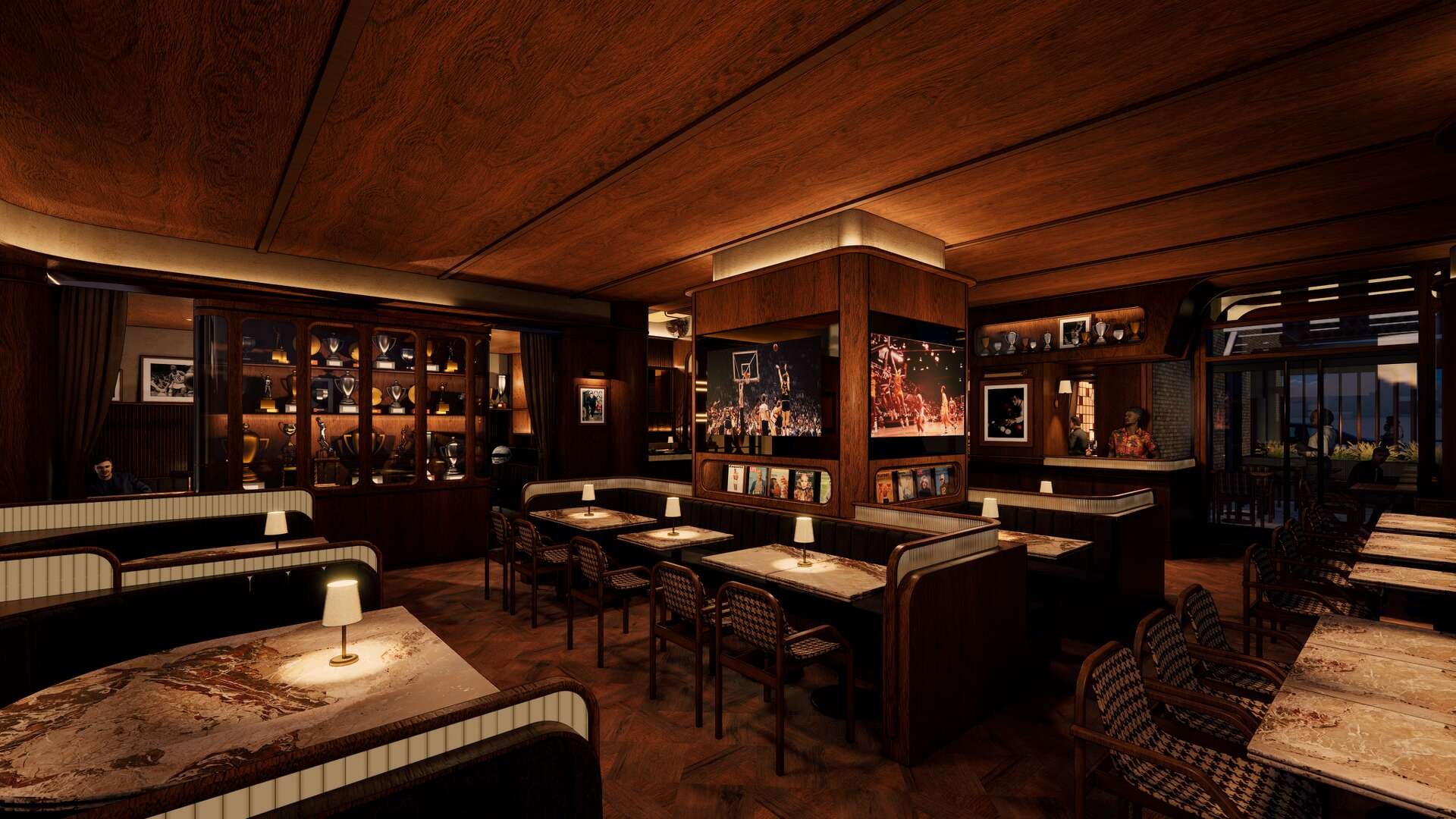
Austin changes register fast: office towers, hotel lobbies, live-music spillover, convention traffic, and late-afternoon game crowds all press into the same city rhythm. In that setting, sports dining works only when the room can absorb noise without losing its food identity. Austin Sports Club sits in that urban current, where the point is not a hushed meal but a social format built around group pacing, casual eating, and the rhythm of the sports-dining occasion.
The stronger version of this category has moved beyond frozen-bar shorthand. Across Austin, casual restaurants now compete on sourcing language, regional references, and kitchen credibility as much as format. That matters because sports dining is often judged too narrowly, as if the format excuses generic food. In a city where farmers’ markets, barbecue culture, Tex-Mex habits, and chef-led casual rooms all shape expectations, a sports room has to read as Austin rather than anonymous.
Sports dining in Austin now has to answer to local food culture
Austin’s dining scene has made informality a strength. Counter service, patio eating, all-day diners, coffee bars, and late-night rooms can carry as much civic meaning as tasting-menu restaurants. Sports dining fits that pattern when it treats the menu as part of the city’s food conversation rather than background fuel. The sourcing angle is where the category earns attention: produce, bread, meat, beer, and pantry staples drawn from regional suppliers give casual formats a sense of place without forcing them into fine-dining costume.
For readers mapping Austin, the useful comparison is not another named sports bar but Austin’s broader casual ecosystem. The city supports Asian-influenced rooms, diner formats, and coffee-led stops. Those places speak to a city comfortable mixing utility and character. A sports dining room in Austin enters that same field, not a separate, lower-stakes one.
The ingredient question also changes how to read the menu. In Austin, beef, chicken, tortillas, peppers, pickles, greens, and local beer are not neutral commodities; they are part of a regional grammar. A kitchen does not need a celebrity narrative to be judged seriously. It needs coherent sourcing, clean execution, and dishes that make sense before, during, and after a game. Group-friendly formats matter because the table is rarely static. People arrive in waves, order around the timing of the outing, and eat with one eye on conversation and one eye on the room.
The room's value is pace, not ceremony
Sports dining is a time-based format. The kitchen has to handle surges; the service rhythm has to keep pace with groups; the room has to let a table stay long enough for the occasion without making dinner feel stalled. That makes atmosphere a practical matter rather than decoration. Noise, sightlines, and food that can survive a crowded table are all part of the editorial assessment.
Austin Sports Club is therefore best understood as part of Austin’s social dining tier. The venue name signals the category plainly, and its Austin setting places it in the path of visitors, workers, and locals using the city as a meeting point. The trust signal is contextual: Austin’s dining audience is demanding, price-aware, and quick to punish rooms that feel imported without local translation. Sports dining here needs Austin fluency, especially in how the kitchen frames regional expectations and group-friendly eating.
That distinction matters for travelers. A conventional restaurant can be judged by the arc of a two-hour dinner. A sports dining room is judged by flexibility: a quick stop before another reservation, a longer outing with food across the table, or a casual meal when a group cannot agree on cuisine. The format works when nobody has to choose between the social reason for gathering and eating properly.
For broader planning, Austin rewards clustering. Dining can be paired with the city’s wider hospitality and nightlife map through Our full Austin restaurants guide, Our full Austin hotels guide, Our full Austin bars guide, Our full Austin wineries guide, and Our full Austin experiences guide. Other Austin listings also show how the city’s restaurant map stretches across multiple corridors and mixed-use developments rather than sitting in a single dining district.
Where it sits in the casual-dining conversation
The national casual scene is splintering. Some rooms double down on single-item specialization; others use service style and food as equal anchors. Regional identity can be equally direct, whether the model is neighborhood comfort, plant-forward cooking, drinking-food formats, or ingredient-led casual service. The lesson for Austin is clear: casual does not mean placeless.
That is the standard to apply here. Austin Sports Club should be approached as an Austin sports-dining room whose success depends on rhythm, sourcing, and group usability. The sharper read is not whether it behaves like a formal restaurant; it should not. The question is whether the food feels specific enough for Austin while the room does the practical work sports dining requires.
Comparable venues nearby, for context on price, style, and recognition.
| Venue | Cuisine | Price | Notes |
|---|---|---|---|
| Austin Sports ClubThis venue — the venue you are viewing | Modern American Sports Bar | $$$ | Not listed |
| Swift's Attic | Modern American Shareable Plates | $$$ | Downtown |
| The Carillon | New American with Texas influences | $$$ | The Drag |
| Nightcap | Modern American Fusion | $$$ | Old West Austin |
| Murray's Tavern | New York-Style Tavern Fare | $$ | East Cesar Chavez |
| The Kitchen American Bistro | Modern American Bistro with Global Influences | $$$ | Market District |
Continue exploring
More in Austin
Restaurants in Austin
Browse all →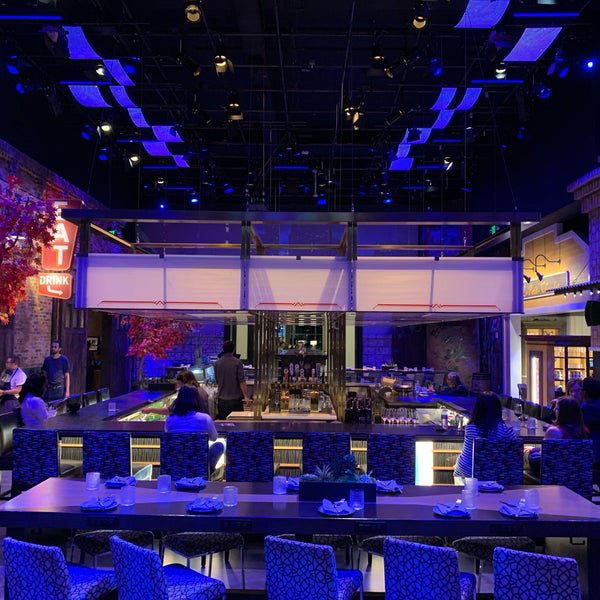
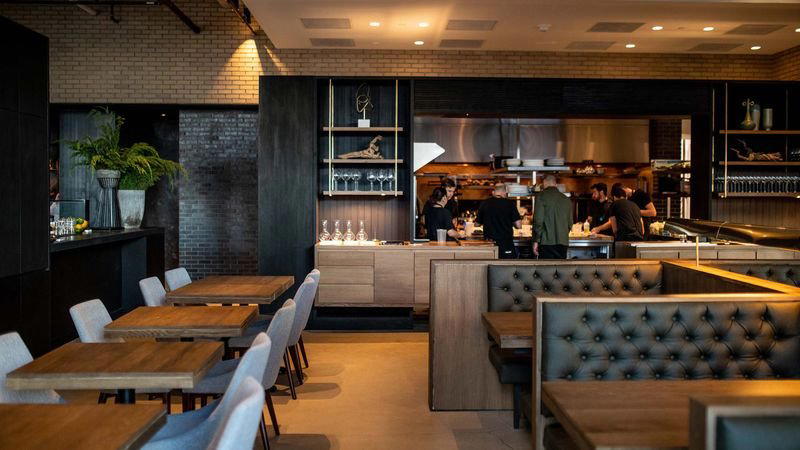
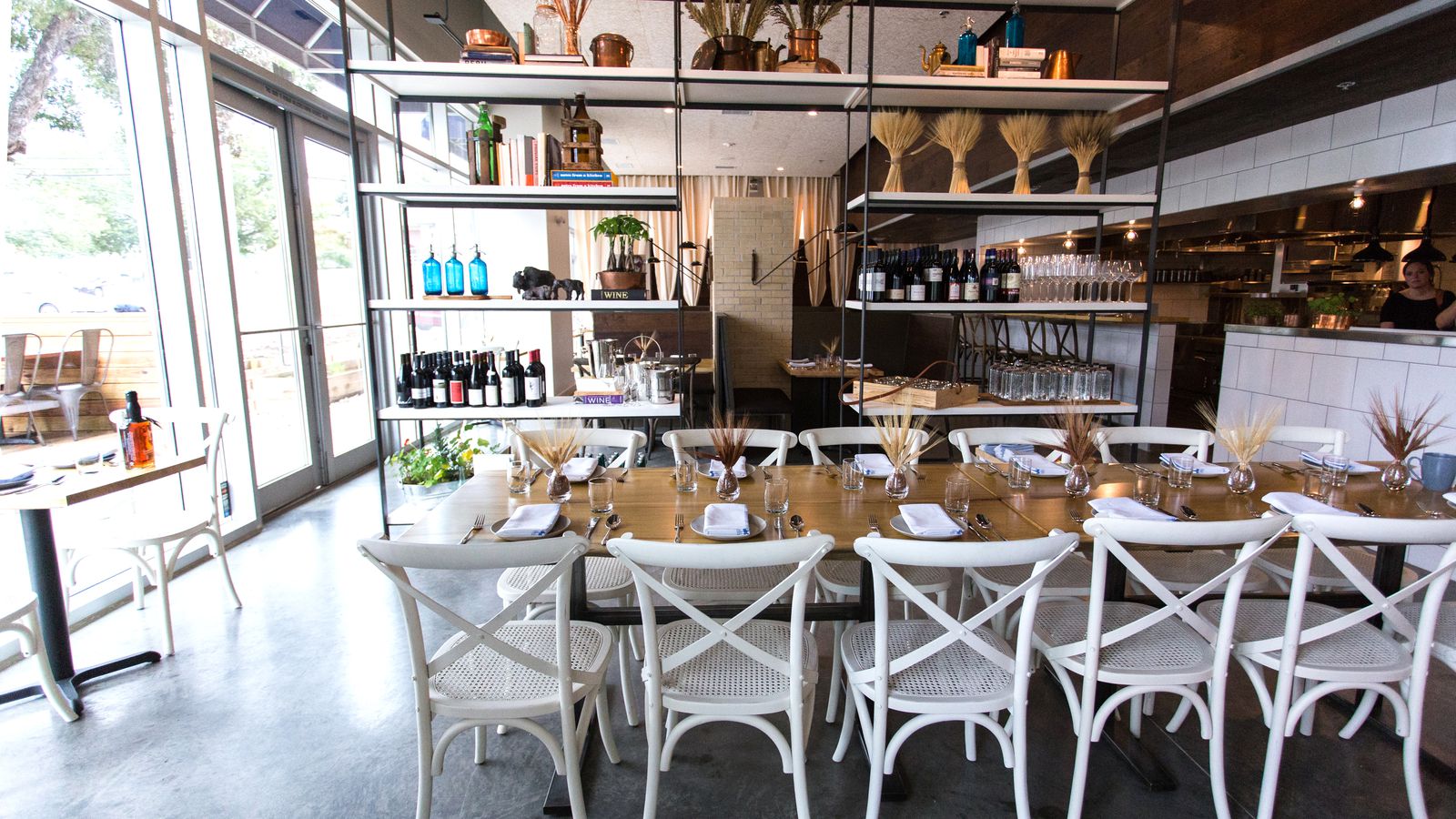
Bars in Austin
Browse all →
Hotels in Austin
Browse all →

At a Glance
- Modern
- Trendy
- Energetic
- Sophisticated
- Lively
- Group Dining
- After Work
- Casual Hangout
- Standalone
- Craft Cocktails
- Beer Program
Refined and lively, with an easygoing hospitality style and a social atmosphere aimed at sports fans and tastemakers.
Know Before You Go
- Reservations
- Recommended
- Dress code
- Smart casual
- Getting there
- 205 E 3rd St, Austin, TX 78701