Vinarija Kos-Jurišić
Vinarija Kos-Jurišić operates from Suhodol Zelinski, a small settlement in the Zelinska Gora hills northeast of Zagreb, where the winemaking tradition is shaped by continental Croatia's clay-heavy soils and sharp seasonal rhythms. The winery sits within a broader arc of Zagreb-county producers who are quietly redefining what inland Croatian wine can mean at the table. For visitors arriving from the capital, it represents a direct encounter with the region's agricultural character.
- Address
- Suhodol Zelinski 25, 10382, Suhodol Zelinski, Croatia
- Phone
- +385915110073
- Directions
- Get directions
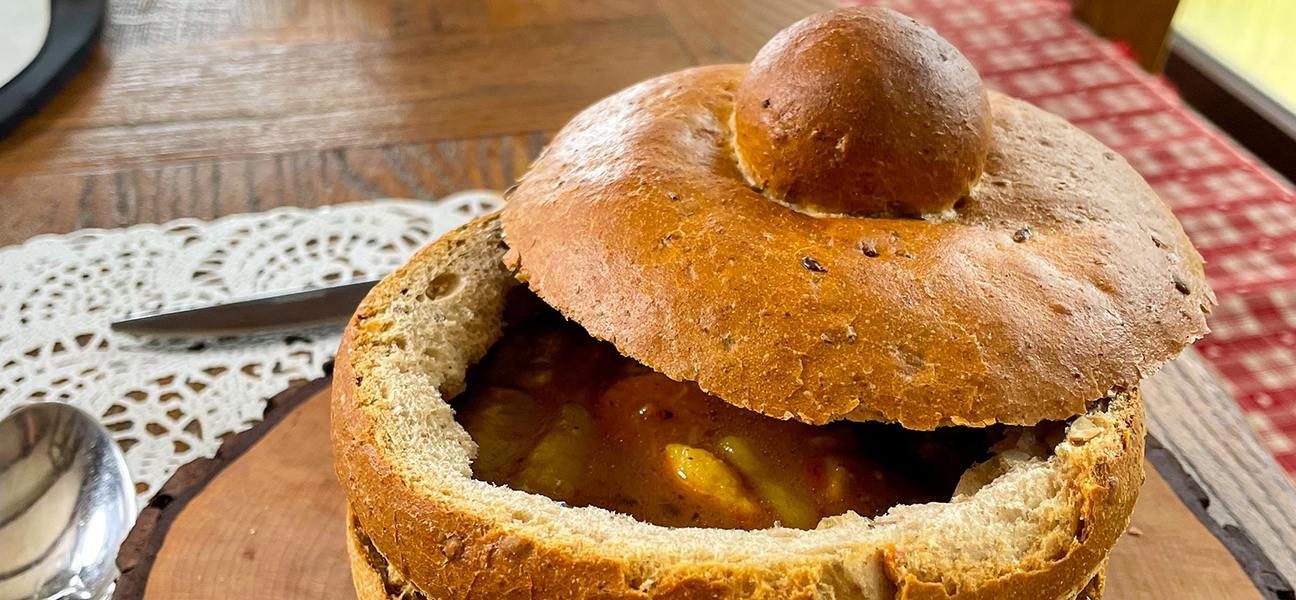
Continental Croatia's Quiet Wine Country
The hills northeast of Zagreb do not announce themselves. There are no grand appellations on motorway signs, no wine-route billboards competing for attention along the road to Suhodol Zelinski. What exists instead is a pattern of small agricultural holdings running across the Zelinska Gora ridge, where clay and loam soils, cold winters, and warm summers produce conditions that suit varieties most Croatians know from their grandparents' cellars rather than from restaurant lists. Vinarija Kos-Jurišić is a restaurant in Suhodol Zelinski, Croatia, serving Croatian Wine & Charcuterie at about US$25 per person.
The broader context matters here. Croatia's wine conversation has, for most of the past two decades, centred on the Dalmatian coast: Plavac Mali from the Pelješac peninsula, Pošip from Korčula, the indigenous varieties that coastal restaurants from Pelegrini in Sibenik to Restaurant 360 in Dubrovnik have built their wine programs around. Inland, and particularly in the Prigorje and Zagorje sub-regions flanking Zagreb, a smaller cohort of producers has continued working with Graševina, Chardonnay, Pinot Noir, and various local crossings in relative obscurity. Vinarija Kos-Jurišić belongs to that cohort. Its position in the hills above the Sava plain places it physically and stylistically apart from the maritime wine culture that dominates Croatian export identity.
What the Land Contributes
Continental Croatian viticulture is shaped by a climate that has little in common with the Adriatic coast. Winter temperatures drop sharply. Spring frosts remain a genuine risk. The growing season is compressed compared to Dalmatia, which pushes winemakers toward varieties that ripen reliably under those constraints. The soils in the Zelinska Gora area carry significant clay content, which retains moisture through dry spells and contributes to wines with texture and weight rather than the leaner, mineral-driven profiles typical of karst and limestone coastal terroir.
This distinction between Croatia's two wine geographies is worth holding in mind when considering what a producer like Vinarija Kos-Jurišić is working with. The sourcing question, in continental Croatia, is fundamentally local: the vines are close, the harvests are weather-dependent in specific ways, and the character of the wine reflects an inland agricultural calendar rather than the Mediterranean rhythms that define coastal Croatian viticulture. Producers in this zone are not competing on coastal variety recognition; they are making a case for a different kind of Croatian wine altogether. For a parallel exercise in regional food and wine identity elsewhere in the country, Boskinac in Novalja on the island of Pag offers a useful comparison point: an operation rooted in place-specific ingredients, making a self-contained argument for its own geography.
Zagreb County's Winemaking Tradition
The Prigorje-Bilogora wine region, of which Zelinska Gora forms a part, is one of Croatia's older viticultural zones by recorded history, though it has rarely translated that heritage into commercial prominence. The region's producers have tended to sell locally, to restaurants in Zagreb and to private buyers, rather than through the export channels that have built international recognition for Dalmatian houses. This local-supply pattern is not a weakness so much as a structural characteristic: it keeps volumes small, keeps relationships direct, and means the wines often appear at Zagreb tables through routes that have nothing to do with conventional distribution.
Zagreb's more prominent restaurant scene has drawn on this surrounding county supply for decades, even when menus don't explicitly flag it. Places like Dubravkin Put in Zagreb have long positioned themselves around Croatian ingredients and regional sourcing. The wine connection to producers in the hills north and east of the city follows the same logic. For visitors to the capital looking to extend their understanding of the region beyond the city's restaurants, the drive out to Suhodol Zelinski passes through the agricultural context that underpins much of that sourcing. Nearby in Jastrebarsko, Korak similarly anchors itself to its Zagreb-county surroundings, offering another point of reference for understanding how seriously some producers in this arc take place-specific production.
Arriving and Visiting
Suhodol Zelinski sits roughly 30 kilometres northeast of Zagreb's centre, reachable by car via routes that follow the Zelina valley. The address at Suhodol Zelinski 25 places the winery within the village itself, in the pattern typical of small Croatian family wine operations where production and reception happen from the same property. Visits are recommended by reservation. For those building an itinerary around Croatian wine and food production that extends beyond the coastal circuit, this kind of producer represents the inland complement to what places like Agli Amici Rovinj in Rovinj or LD Restaurant in Korčula offer at the table.
Croatia's broader wine and dining map, covered across properties from Nebo by Deni Srdoč in Rijeka to Krug in Split, tends to foreground coastal and island production. Inland producers like Vinarija Kos-Jurišić occupy a different register in that map: less visible, more local in their supply chain, and more directly tied to the agricultural rhythms of continental Croatia. That specificity is precisely what distinguishes them within the wider Croatian wine context.
Side-by-Side Snapshot
Comparable venues nearby, for context on price, style, and recognition.
| Venue | Cuisine | Price | Notes |
|---|---|---|---|
| Vinarija Kos-JurišićThis venue — the venue you are viewing | Croatian Wine & Charcuterie | $$ | Not listed |
| SOL tapas na hrvatski | Croatian Tapas | $$ | centar |
| Stari Mlin Klet | Moslavina Traditional Croatian | $$ | Kloštar Ivanić |
| Seoski Turizam Stara Preša | Traditional Croatian Farmhouse Cuisine | $$ | Šenkovec |
| Gostionica Ficlek | Authentic Croatian / Zagreb Traditional | $$ | Gornji Grad - Medveščak |
| Cacao | Dessert Patisserie with Vegan Options | $$ | City Center |
Continue exploring
More in Suhodol Zelinski
Restaurants in Suhodol Zelinski
Browse all →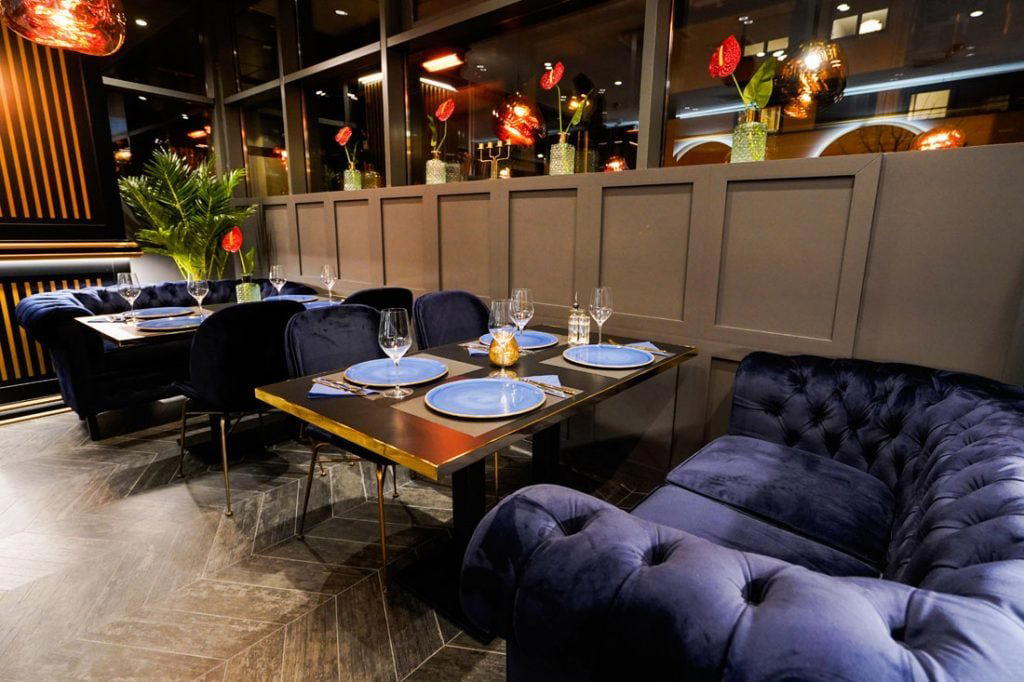
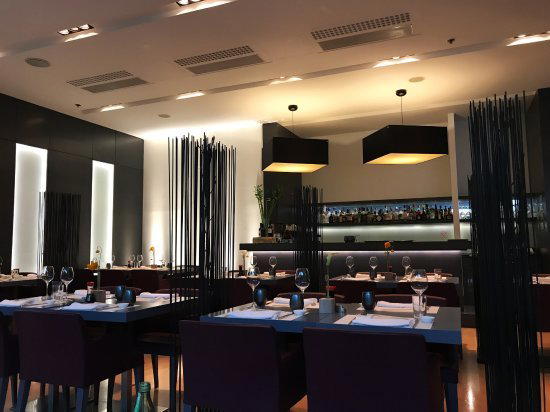
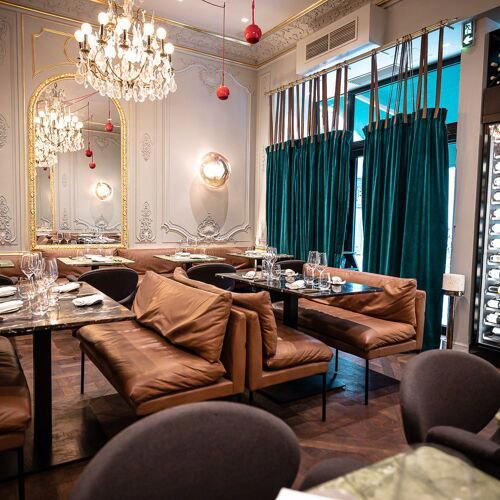
Bars in Suhodol Zelinski
Browse all →

Hotels in Suhodol Zelinski
Browse all →

At a Glance
- Rustic
- Scenic
- Cozy
- Casual Hangout
- Group Dining
- Special Occasion
- Wine Cellar
- Garden
- Terrace
- Extensive Wine List
- Local Sourcing
- Organic
- Vineyard
Rustic countryside setting with vineyard views, warm and welcoming family farm atmosphere ideal for leisurely wine experiences.