Our verdict
Vila Komoda sits on Meilės alėja in Palanga, Lithuania's primary Baltic resort town, where the short growing season and proximity to the sea shape what kitchens can credibly put on a plate. The address places it within walking distance of the resort strip, making it a natural stop before or after the beach. For context on the wider Palanga dining scene, see our full city coverage.

Pearl is the En Primeur Club membership app, where members save venues, book tables and use the concierge.
The menu
What to order
- Poke bowl with caramelized shrimp
- Octopus tentacle on risotto
- Crème brûlée with sesame crust
Where the Baltic Coast Sets the Menu
Palanga operates on a different culinary logic than Lithuania's inland cities. The town sits at the edge of the Baltic Sea, and for the kitchens that pay attention, that geography is a set of constraints that also function as a brief: Baltic herring, smoked eel from the Curonian Lagoon, coastal foraged greens during the brief summer window, and root vegetables and preserved goods for the rest of the year. The restaurants that earn repeat visitors in this town tend to be the ones that read those constraints as an asset rather than a limitation. Vila Komoda, at Meilės alėja 5, sits within that context, occupying a spot on one of Palanga's quieter resort-side avenues.
The wider Baltic coast dining conversation is anchored by sourcing proximity. Venues from Fisheria in Neringa to Šturmų švyturys in Sturmai and Šturmų Švyturys in Kintai have built their identities around what the lagoon and the coast produce within a short radius. That sourcing discipline, when applied seriously, produces menus that shift with season and catch rather than defaulting to a fixed international template. It is the distinguishing line between kitchens that use their coastal address as decoration and those that use it as a working methodology.
The Palanga Setting
Palanga is Lithuania's primary seaside resort, drawing domestic tourists through summer and falling quiet through winter, which means its restaurant trade is seasonal in a way that few Western European beach towns still are. That seasonal pressure shapes which venues survive and which do not: kitchens that build menus around what is locally available in summer, and can pivot their offer for the shoulder months, tend to outlast those built purely for peak-season volume. The town's dining scene has matured in recent years, with a handful of addresses on and around the main pedestrian strip offering something more considered than the fried fish and beer-garden format that dominated a decade ago.
Meilės alėja, where Vila Komoda is addressed, runs parallel to the main Basanavičiaus pedestrian street and carries a slightly lower density of tourist-facing venues. That positioning, a short walk from the beach and the resort core but not directly on it, is a reliable indicator in Palanga of where the more serious eating tends to happen. Comparable positioning can be seen at Žuvine and Todá, both of which operate in the same part of the city and have built reputations that extend beyond the seasonal visitor trade.
Sourcing as Editorial Stance
Across the broader Lithuanian dining conversation, the venues that have attracted the most sustained critical attention in the past five years are those with a clear position on ingredient sourcing. Demo in Vilnius and Arrivée in Kaunas represent the inland version of this argument: locally foraged, seasonally anchored menus that treat Lithuanian produce as a point of pride rather than a fallback. On the coast, the logic sharpens because the supply is more immediate. Baltic fish landed the same morning, smoked products from the lagoon villages, and summer berries from the Samogitian hinterland are not marketing copy, they are the actual supply chain that coastal kitchens can access if they choose to.
That choice, to source close and cook accordingly, is what separates the more interesting Palanga venues from the ones running on frozen imports with a seaside view as the primary selling point. For context across the wider Lithuanian coastal region, venues like ALBA Bistro in Klaipėda have demonstrated that a rigorous local sourcing approach can sustain a serious dining operation outside of Vilnius. The same argument applies at different scales and price points up and down the Curonian coast.
Where Vila Komoda Sits in the Local Tier
Palanga's restaurant tier has a clear structure. At the leading end, a small number of venues have moved toward composed, sourcing-led cooking that competes on quality rather than price or volume. Below that sits a broad mid-market layer of seasonal bistros, cafes, and resort-facing operations that serve the summer crowd efficiently. Vila Komoda's address on Meilės alėja places it within the upper-mid portion of that structure, alongside addresses like Monist, which occupies a similar neighbourhood position.
For those drawing comparisons against a global frame of reference, the sourcing-first methodology that defines the better Baltic coast kitchens echoes approaches taken at very different scales: the fisherman-to-table discipline of Le Bernardin in New York City, or the hyper-local produce commitment seen at Lazy Bear in San Francisco. The ambition and the budget differ considerably, but the underlying argument, that proximity to the source produces better food when the kitchen is paying attention, is the same one being made, at more modest scale, in the better Lithuanian coastal kitchens.
Planning a Visit
Palanga's dining season runs from late May through August, with the strongest concentration of open kitchens and the shortest wait for a table outside of peak July weekends. Shoulder months, particularly September, when the summer crowds thin but the weather holds, can be a better time to visit if the goal is a quieter room and a kitchen not running at full seasonal volume. Vila Komoda is at Meilės alėja 5 in Palanga, a walkable distance from the main resort beach and the town's pedestrian core. For a fuller picture of what the city's restaurant scene currently offers, the EP Club Palanga City restaurants guide covers the wider tier in detail.
Those extending a Baltic trip beyond Palanga will find that the coastal sourcing argument continues south along the lagoon: Fisheria in Neringa is the most direct comparison in terms of geography and ingredient logic. Further afield, Surr in Druskininkai, Apvalaus Stalo Klubo in Trakai, Paliesius manor in Paliesius, and Red Brick in Radiškis each represent a different regional take on the same question of what Lithuanian produce can support at table. For a sense of how this country's dining scene is performing at a global scale, Atomix in New York City and Emeril's in New Orleans offer useful reference points for how regional ingredient identity translates into serious dining operations internationally.
Frequently asked questions
How do I find Vila Komoda?
Vila Komoda is located at Meilės al. 5, Palanga, 00135 Palangos m. sav. Lithuania, Palanga City.
Is Vila Komoda worth visiting outside of Palanga's summer season?
Palanga operates primarily as a seasonal resort economy, and restaurants on addresses like Meilės al. 5 often adjust their hours or close partially through the winter months. The upside of an off-season visit, if the kitchen is open, is a quieter room and a pace that summer crowds do not allow. Checking current operating status directly before visiting is advisable for any Palanga dining address between October and April.
What do regulars order at Vila Komoda?
Vila Komoda sits on Meilės al. 5 in Palanga, Lithuania's principal Baltic resort town, which historically shapes kitchens toward coastal and regional produce. Baltic fish preparations, pike-perch, herring, and smoked eel, are the category to follow in this part of Lithuania.
Can I walk in to Vila Komoda?
Palanga's peak season runs through July into August, when the resort fills with domestic visitors and the better-regarded addresses along quieter residential streets see consistent demand. Walk-ins at that time carry real risk of a wait or a turned table. Outside summer, from September through May, Palanga operates at a fraction of its seasonal volume, and the same kitchens that run full through August typically have availability without advance notice.
Comparison Snapshot
Comparable venues nearby, for context on price, style, and recognition.
| Venue | Cuisine | Price | Awards | Notes |
|---|---|---|---|---|
| Vila KomodaThis venue (the venue you are viewing) | Modern French-Asian Fusion | $50–100 | Not listed | Not listed |
| Todá | Tel Aviv-inspired Middle Eastern | Not listed | Not listed | Palanga Beach |
| Žuvine | Fresh Baltic Seafood | Not listed | Not listed | Basanaviciaus promenade |
| Monist | Modern Lithuanian European | Not listed | Michelin Plate | Palanga City |
| Blue Lotus | Indian and Thai Fusion | $20–30 | Not listed | Old Town |
| Thai House | Authentic Thai | Not listed | Not listed | Kaunas |
Continue exploring
More in Palanga
Restaurants in Palanga
All restaurants in Palanga →
Hotels in Palanga
Browse all →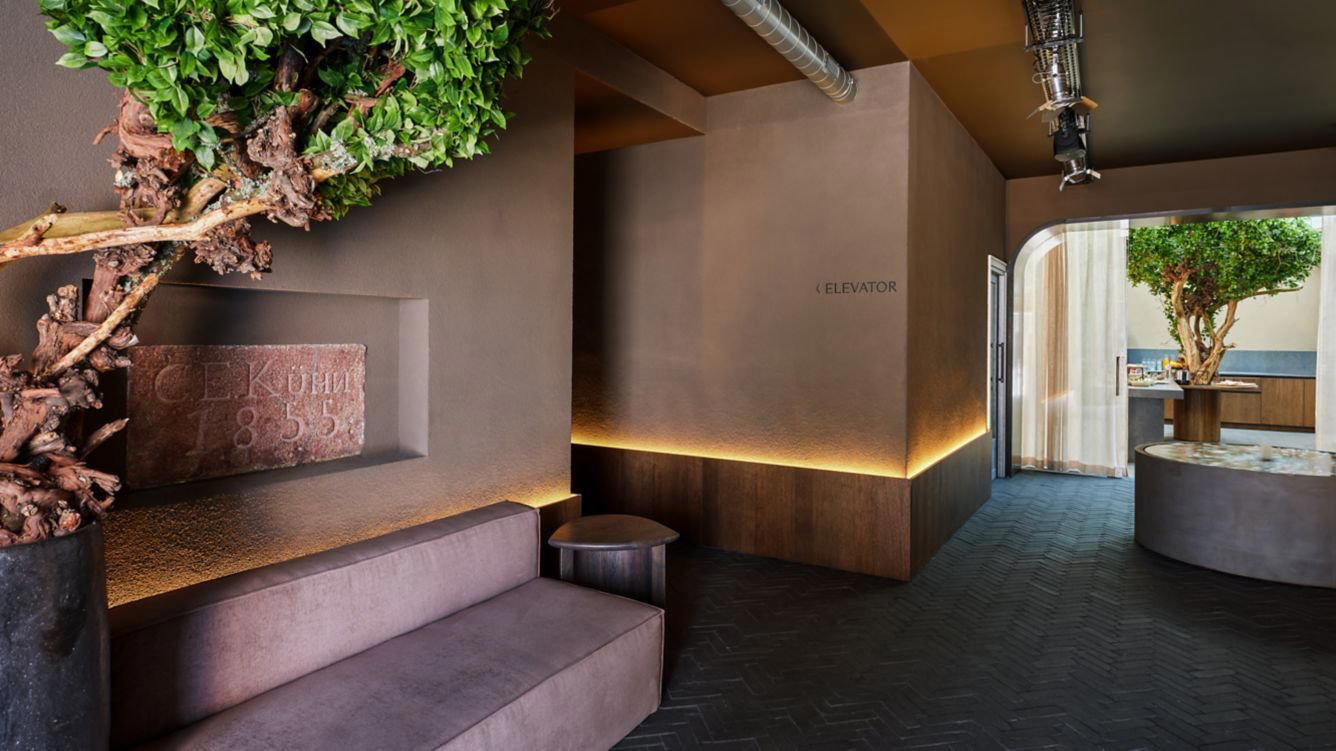
Details
- Elegant
- Sophisticated
- Romantic
- Quiet
- Modern
- Date Night
- Special Occasion
- Celebration
- Rooftop
- Garden
- Private Dining
- Historic Building
- Design Destination
- Hotel Restaurant
- Extensive Wine List
- Sommelier Led
- Farm To Table
- Local Sourcing
- Garden
- Tasting Menu
- A La Carte
- Wine Pairing
- Craft Cocktails
- Vegetarian Friendly
Current opening hours
- Monday
- Closed
- Tuesday
- Closed
- Wednesday
- Closed
- Thursday
- Closed
- Friday
- 11 AM–10:30 PM
- Saturday
- 9 AM–10:30 PM
- Sunday
- 9 AM–8 PM
Hours can change for holidays and private events. Hours as of .
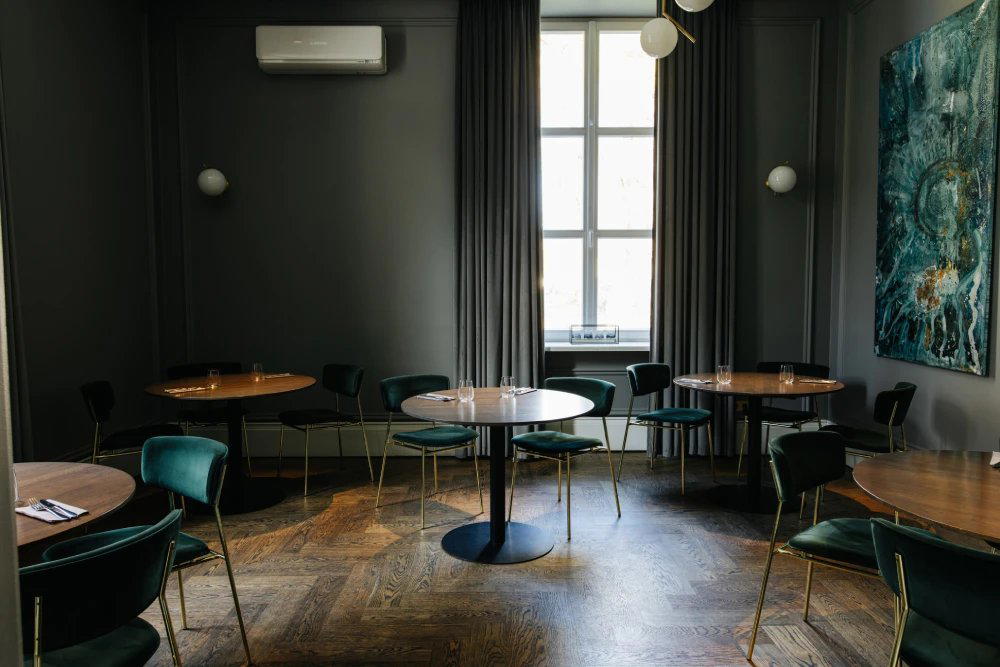
Minimalist, elegant interior with muted lighting and chill-out jazz music; historic building with modern design elements creating a refined, peaceful atmosphere.