Locally caught seafood takes center stage
- Address
- Taikos g. 5, Neringa, 93123 Neringos sav., Lithuania
- Phone
- +37064197729
- Website
- facebook.com
- Directions
- Get directions
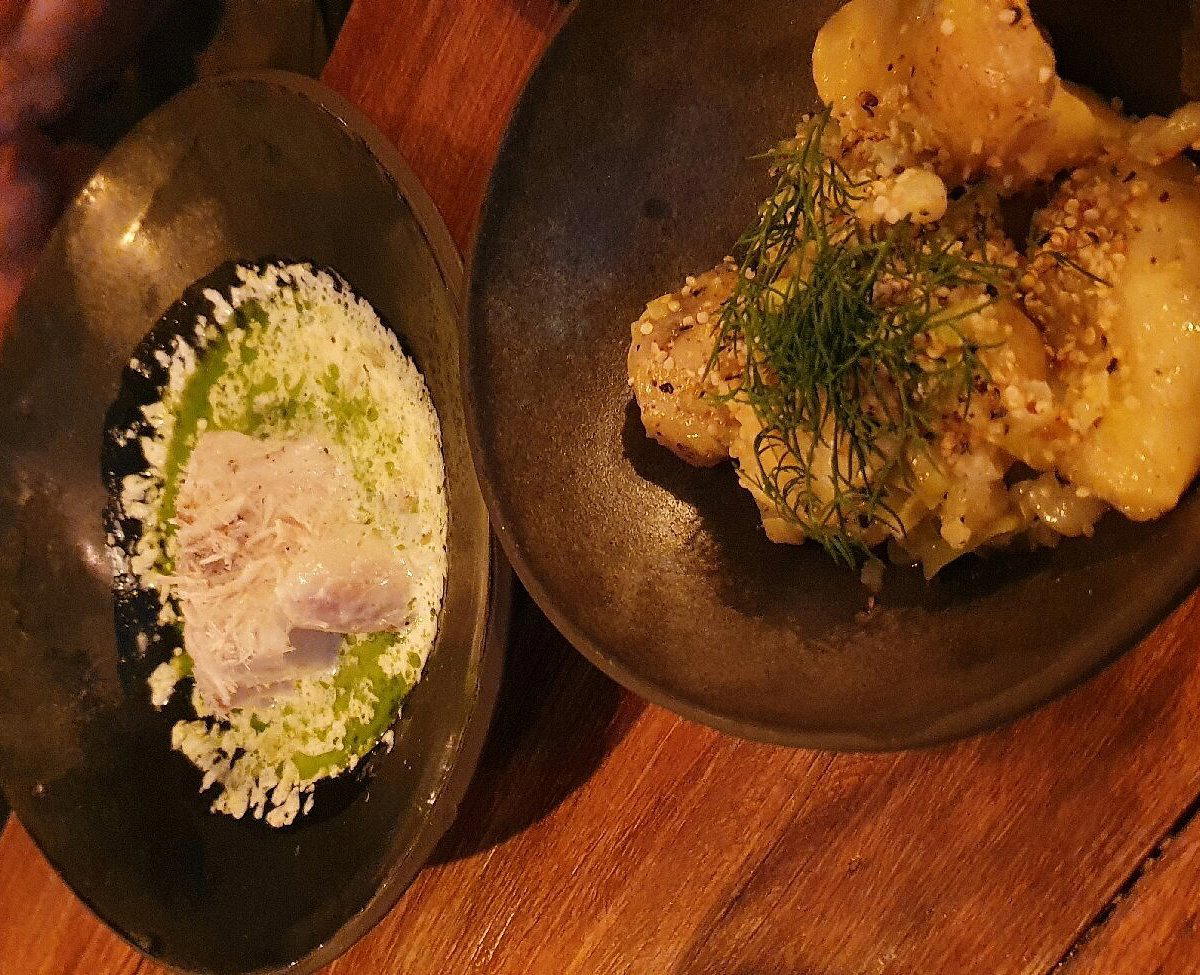
Where the Curonian Spit Meets the Plate
Fisheria is a restaurant in Neringa, Lithuania, at Taikos g. 5, serving fresh seafood fine dining at about $15 per person. Taikos g. 5 sits on a quiet stretch of Neringa, the narrow sand-bar peninsula that separates the Curonian Lagoon from the Baltic Sea. The town itself is a UNESCO-listed sliver of dune forest and fishing village, one of Lithuania's most geographically singular addresses, and the dining culture here has always been shaped more by what the water offers than by any culinary trend arriving from Vilnius or Klaipeda. Restaurants along this corridor live or die by their relationship with local catch, and Fisheria positions itself squarely inside that tradition.
The approach to the building along Taikos gives you the key signal before you open a door: this is not a resort restaurant dressed up in nautical kitsch. The address is modest, the signage restrained, and the surrounding neighbourhood reads as a working community first, tourist destination second. That proportion matters when you are trying to understand what the kitchen is likely doing with its sourcing.
The Sourcing Logic of the Curonian Lagoon
Ingredient provenance is not a marketing choice in this part of Lithuania, it is a constraint shaped by geography. The Curonian Lagoon produces freshwater and brackish species, primarily bream, perch, pike-perch (zander), and eel, that have fed the peninsula's fishing families for centuries. Any kitchen operating at Neringa's address with serious intent will have a direct or near-direct relationship with that supply chain, because the alternative, trucking in standardised protein from a regional distributor, reads as obviously incongruous to any local eating at the table next to you.
This sourcing pattern mirrors what you see at destination-focused fish restaurants across Northern Europe, where the geography of the water body determines the menu logic more than any chef's preference. Consider how Dal Pescatore in Runate has built a multigenerational identity around the specific agricultural and aquatic produce of the Po Valley, or how Atelier Moessmer Norbert Niederkofler in Brunico has made Alpine provenance the organising principle of its entire program. In Neringa, the lagoon plays that structural role: it sets the seasonal calendar, the species available, and the preservation techniques, smoking, salting, drying, that have been part of the local culinary vocabulary long before any restaurant existed here.
Smoked fish from the Curonian Spit carries protected geographical indication status in Lithuania, which gives you a sense of how deeply embedded these preparation methods are in the region's identity. A kitchen in Neringa that draws from this tradition is not making a lifestyle statement; it is working within a production system that predates it by generations. That historical depth is the context in which Fisheria should be read, even before you examine what is on the menu.
Neringa's Dining Context and Where Fisheria Sits
The restaurant scene along the Curonian Spit is small by any measure. Neringa's permanent population is under 3,000, which means the hospitality infrastructure here is designed for seasonal volume with limited year-round depth. Summer months bring visitors from Klaipeda (connected by ferry) and from across Lithuania and the Baltic states, compressing the demand curve significantly. Restaurants that survive multiple seasons here tend to have a distinct local identity rather than a generic tourist menu, because repeat visitors and locals form the financial backbone when the summer crowd thins.
For context on what the Lithuanian coastal dining scene looks like at its more established end, ALBA Bistro in Klaipeda represents the regional city anchor, while Monist in Palanga City shows how the Baltic coast further north has developed a distinct seasonal dining identity. Neringa operates in a more contained register than either, and Fisheria's address on the peninsula places it in conversation with a short list of comparable options. The nearest alternative seafood-focused dining along the spit, such as Sofa de Pancho Nida, approaches the peninsula's produce from a different register entirely.
Seasonal Timing and the Visit Decision
The Curonian Spit's tourism rhythm is sharply defined. The peninsula sees its highest footfall between late June and late August, when the dune trails, amber beaches, and lagoon sunsets draw visitors in large numbers. Outside that window, Neringa contracts significantly: some restaurants close for the off-season entirely, while others shift to weekend-only or reduced service. This is a practical consideration that sits above any quality assessment, visiting outside peak season requires verifying current hours directly, as published schedules from prior seasons may not reflect current operation.
Within the peak season, Neringa's catch-driven restaurants are subject to the natural fluctuations of the lagoon harvest. Pike-perch runs, eel season restrictions under EU sustainable fishing regulations, and weather-related disruptions to small-boat fishing all affect what a kitchen in this geography can reliably put on a plate week to week. That variability is a feature of genuinely source-driven cooking, not a deficiency, and it distinguishes this type of restaurant from the standardised seafood menus you encounter at resort properties where supply chains are insulated from the actual local catch.
Across Lithuania: The Broader Dining Map
Fisheria sits at one geographic extreme of Lithuania's restaurant conversation. At the other end, Vilnius has developed a small but serious fine dining scene, anchored by operations like Pas mus in Vilnius, while Kaunas has produced its own strand of ambitious cooking represented by places such as Uoksas in Kaunas. Rural and manor-house dining adds another register, visible at Apvalaus Stalo Klubo in Trakai and Paliesius manor in Paliesius. Fisheria belongs to a different category from all of these: ingredient-led, geographically constrained, and built around a local supply system rather than a culinary program that could theoretically be transplanted elsewhere.
Internationally, the model of a restaurant whose identity is inseparable from a specific body of water and its catch has produced particularly durable addresses in fish-focused dining. Le Bernardin in New York City built a multi-decade reputation on the logic that seafood deserves the same precision applied to meat-centred haute cuisine. At the other end of the formality scale, destination fish restaurants in Scandinavian coastal towns have demonstrated that a rigorous sourcing relationship with a local harbour can sustain a serious kitchen in a small community. Neringa's geography fits that latter model more closely than the metropolitan one.
Planning Your Visit
Fisheria is located at Taikos g. 5, Neringa, in the Nida area of the peninsula, reachable from Klaipeda via the ferry crossing to Smiltyne followed by the road south through the spit. The journey from Klaipeda takes approximately 50 minutes by car including the ferry, and during peak summer weekends the ferry queue adds time that is worth factoring into arrival planning. Given the seasonal nature of dining in Neringa and the limited public contact information currently available for Fisheria, confirming current hours and service availability before travelling is advisable, particularly for visits outside the June-to-August window.
At-a-Glance Comparison
Comparable venues nearby, for context on price, style, and recognition.
| Venue | Cuisine | Price | Awards | Notes |
|---|---|---|---|---|
| FisheriaThis venue — the venue you are viewing | Fresh Seafood Fine Dining | $$ | Not listed | Not listed |
| Sofa de Pancho Nida | Authentic Mexican Taqueria | $$ | Not listed | Nida |
| Šturmų Švyturys | Fresh Lithuanian Wild Fish | $$ | Not listed | Šturmų k., Kintai |
| Žuvine | Fresh Baltic Seafood | $$$ | Not listed | Basanaviciaus promenade |
| Todá | Tel Aviv-inspired Middle Eastern | $$$ | Not listed | Palanga Beach |
| monai | Modern Baltic Seasonal Cuisine | $$$ | Michelin Plate | Klaipeda Old Town |
Continue exploring
More in Neringa
Restaurants in Neringa
Browse all →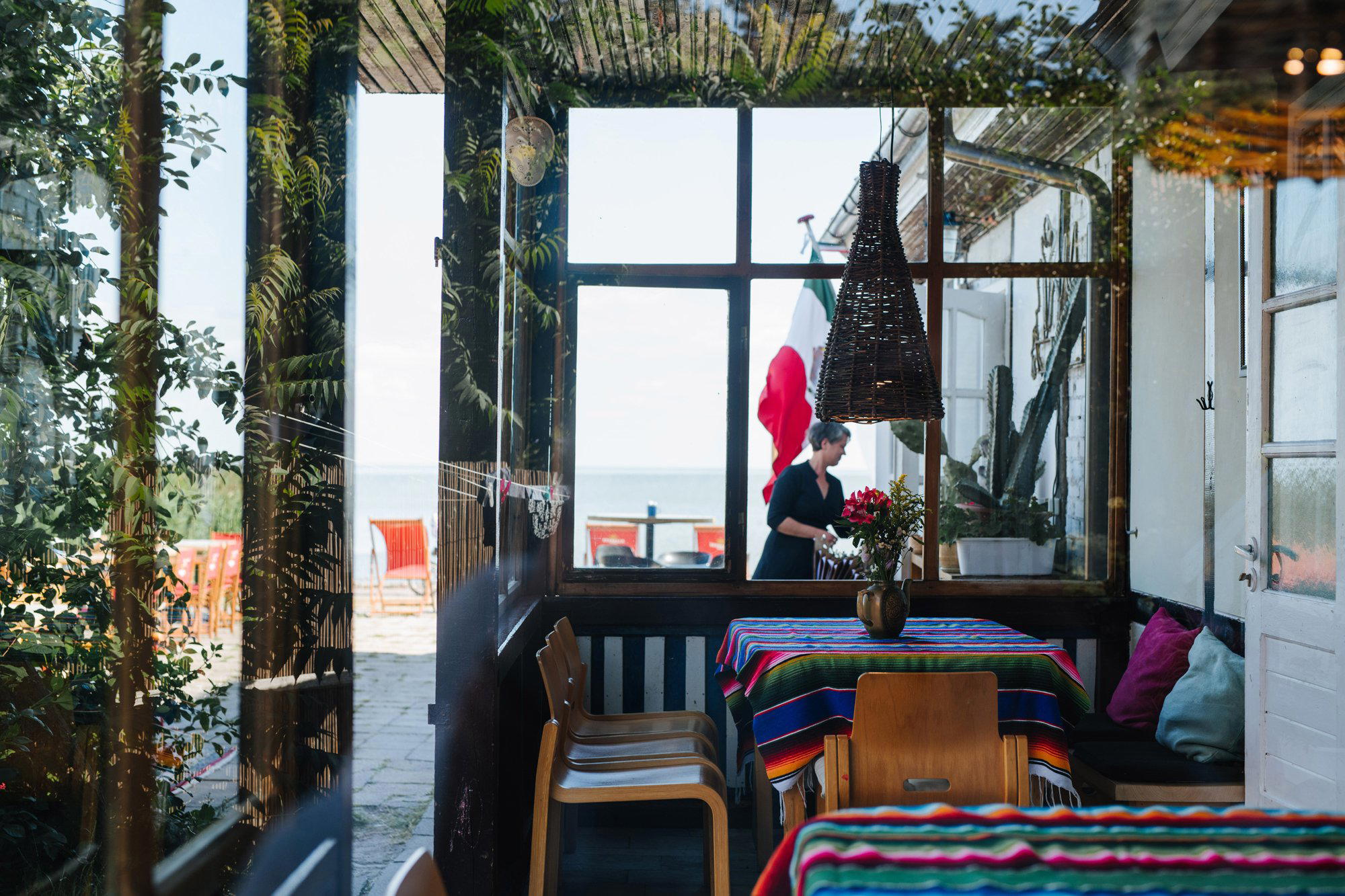
Bars in Neringa
Browse all →
Hotels in Neringa
Browse all →
At a Glance
- Cozy
- Elegant
- Date Night
- Special Occasion
- Open Kitchen
- Local Sourcing
- Sustainable Seafood
Cozy and peaceful environment with nice interior, focusing on notable fish quality.