Our verdict
On a quieter residential stretch of Palanga, Todá occupies a spot in Lithuania's Baltic resort dining scene where the pacing of a meal matters as much as what's on the plate. The address at S. Nėries g. 25 places it within reach of the town's central corridor, and the surrounding context, a city that shifts dramatically between off-season calm and summer density, shapes how restaurants here approach the rhythm of service.

Pearl is the En Primeur Club membership app, where members save venues, book tables and use the concierge.
Palanga at the Table: How Lithuania's Baltic Resort Shapes the Dining Ritual
Resort dining in the Baltics operates on a different clock to city restaurants. In Palanga, Lithuania's principal seaside town, the summer influx compresses the dining calendar in ways that reward planning and punish spontaneity. By July, the city's population multiplies several times over, and the better restaurants fill on walk-ins alone, not because booking is unwelcome, but because the foot traffic is simply that dense. By September, the rhythm inverts: tables open, pacing slows, and the experience of eating here takes on a quieter register that regulars often prefer. Todá, addressed at S. Nėries g. 25 in Palanga, sits within this seasonal cycle, and understanding that cycle is the starting point for any honest account of dining here.
For those tracing a broader arc of Lithuanian restaurant culture, the contrast is instructive. Vilnius has developed a restaurant scene with genuine European ambition Demo in Vilnius represents the kind of technically driven, course-by-course format that competes on a regional level. Kaunas has its own emerging identity, with places like Arrivée in Kaunas anchoring a more urban dining sensibility. Palanga operates outside that register. Its restaurants answer to a different set of expectations: a more relaxed relationship with time, a preference for seafood drawn from the nearby Baltic coast, and a guest profile that skews toward Lithuanian families and domestic tourists rather than international fine-dining seekers.
The Ritual of a Meal on the Curonian Coast
Across the Baltic coast strip, from Palanga south toward Klaipėda and then into the Curonian Spit, a distinct dining ritual has evolved. It is not the omakase-style progression of a Japanese counter, nor the parade of sharing plates common in Southern European resort towns. Lithuanian coastal dining tends toward a more deliberate, course-by-course sequence, with fish and amber-coloured lager often appearing together, and with an unhurried approach to the gap between courses that reflects the holiday tempo of the region. The meal is not compressed. It is meant to occupy an evening.
This format suits the geography. The Curonian Lagoon and the Baltic Sea between them supply smoked fish, pike-perch, eel, and herring in forms that range from traditional preparations to more contemporary interpretations. Along the coast, restaurants like Fisheria in Neringa and ALBA Bistro in Klaipėda have built their identity around this ingredient story. In Palanga itself, the same pull toward Baltic produce shapes the competitive set. Žuvine leans explicitly into the fish-house tradition, while Vila Komoda and Monist represent different points on the spectrum from casual to more considered dining. Todá occupies its own position within this local peer group, at S. Nėries g. 25, a street that runs through a less commercially saturated part of the city than the central Basanavičiaus pedestrian axis.
Etiquette, Pacing, and What the Setting Signals
In resort towns, the physical setting of a restaurant communicates its intended register before a single dish arrives. The difference between a terrace facing the main promenade and a quieter interior room on a residential street is not merely aesthetic, it indicates who the restaurant is for and how it expects the meal to unfold. Addresses removed from the tourist spine tend to attract guests who arrived with intention: they have looked the place up, made a decision, and are prepared to sit with it. That self-selecting quality changes the atmosphere of a room in ways that are difficult to manufacture.
Lithuania's wider dining culture has become more attuned to this distinction in recent years. Properties like Paliesius manor in Paliesius and Apvalaus Stalo Klubo in Trakai have each cultivated a sense of deliberate arrival, the idea that reaching the table requires some commitment, and that commitment shapes the experience of sitting down to eat. Coastal Palanga is a different context, but the principle applies: restaurants away from the high-traffic strip operate with a slightly different social contract between kitchen and guest.
For international reference points, the gap between high-volume resort dining and more considered formats mirrors distinctions visible in other markets. The disciplined service pacing at Le Bernardin in New York City, or the structured progression at Atomix in New York City, represent the far end of that spectrum. Palanga does not compete in that register, nor should it, but the underlying question of how seriously a kitchen approaches the sequence and pacing of a meal applies at every level of the market.
Planning a Visit: Seasonal Timing and Local Context
Palanga's dining calendar is shaped by one overriding variable: the Lithuanian summer. June through August brings the heaviest demand, and tables at the more established addresses fill quickly. The S. Nėries g. 25 location places Todá within walking distance of the town centre but off the most congested stretch, which affects both atmosphere and accessibility during peak season. Early September represents a useful window, the crowds thin, the weather often holds, and restaurants operating year-round tend to settle into a more attentive service rhythm once the summer pressure lifts.
For those building a broader itinerary along the coast, the region's other addresses are worth mapping in advance. Šturmų švyturys in Sturmai and Šturmų Švyturys in Kintai extend the dining logic of the Curonian coast southward, while Red Brick in Radiškis and Surr in Druskininkai offer inland alternatives for those combining a coastal trip with Lithuania's spa resort circuit. Emeril's in New Orleans and Lazy Bear in San Francisco stand as international comparisons where the notion of a restaurant anchored to a specific regional food culture has been taken furthest. The Lithuanian context is distinct, but the ambition of building a meal around place and season translates across both.
A complete picture of Palanga's dining options, including comparative notes on the full set of addresses operating in the city, is available in our full Palanga City restaurants guide.
Frequently asked questions
Is Todá a family-friendly restaurant?
Palanga itself is Lithuania's most frequented family seaside destination, and restaurants along S. Nėries g. and the surrounding resort grid broadly accommodate mixed-age groups during the summer months. The address at S. Nėries g. 25 places it within the central resort corridor, which typically draws a cross-generational summer crowd.
What kind of setting is Todá?
Todá is located at S. Nėries g. 25 in Palanga City, Lithuania's primary Baltic coast resort town. The address sits within the central town grid rather than on the beachfront itself, which in Palanga typically signals a more neighbourhood-oriented setting than the open terrace spots lining the promenade.
Where exactly is Todá located in Palanga, and is it near the beach?
Todá is at S. Nėries g. 25, Palanga City, Lithuania, postcode 00136. S. Nėries gatvė runs through the central town area rather than along the beachfront promenade, placing Todá within Palanga's residential and commercial core. For visitors staying near the seafront, the address is reachable on foot through the town centre. Exact walking times depend on your starting point within the resort.
What do regulars order at Todá?
Specific menu data for Todá is not on file, and generating dish descriptions without that record would be speculative. What is consistent across Palanga's dining culture is a seasonal rhythm: the summer window from June through August shapes what kitchens prioritise, and local Baltic ingredients tend to anchor menus along this stretch of the Lithuanian coast.
Where is Todá in Palanga City?
Todá is located at S. Nėries g. 25, Palanga, 00136 Palangos m. sav. Lithuania, Palanga City.
Where It Fits
| Venue | Cuisine | Price | Awards |
|---|---|---|---|
| TodáThis venue (the venue you are viewing) | Tel Aviv-inspired Middle Eastern | Not listed | Not listed |
| Vila Komoda | Modern French-Asian Fusion | $50–100 | Not listed |
| Monist | Modern Lithuanian European | Not listed | Michelin Plate |
| Žuvine | Fresh Baltic Seafood | Not listed | Not listed |
Continue exploring
More in Palanga
Restaurants in Palanga
All restaurants in Palanga →
Hotels in Palanga
Browse all →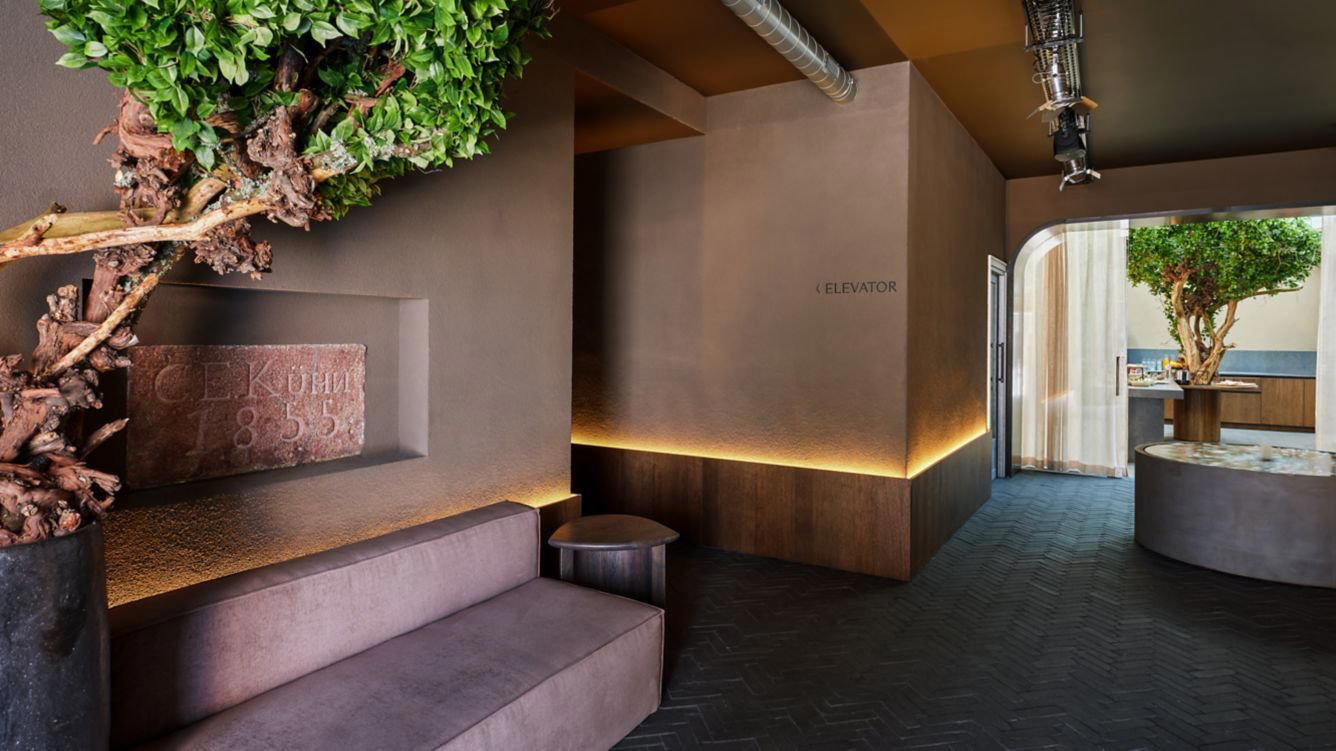
Details
- Cozy
- Modern
- Trendy
- Date Night
- Casual Hangout
- Extensive Wine List
- Local Sourcing
- Small Plates
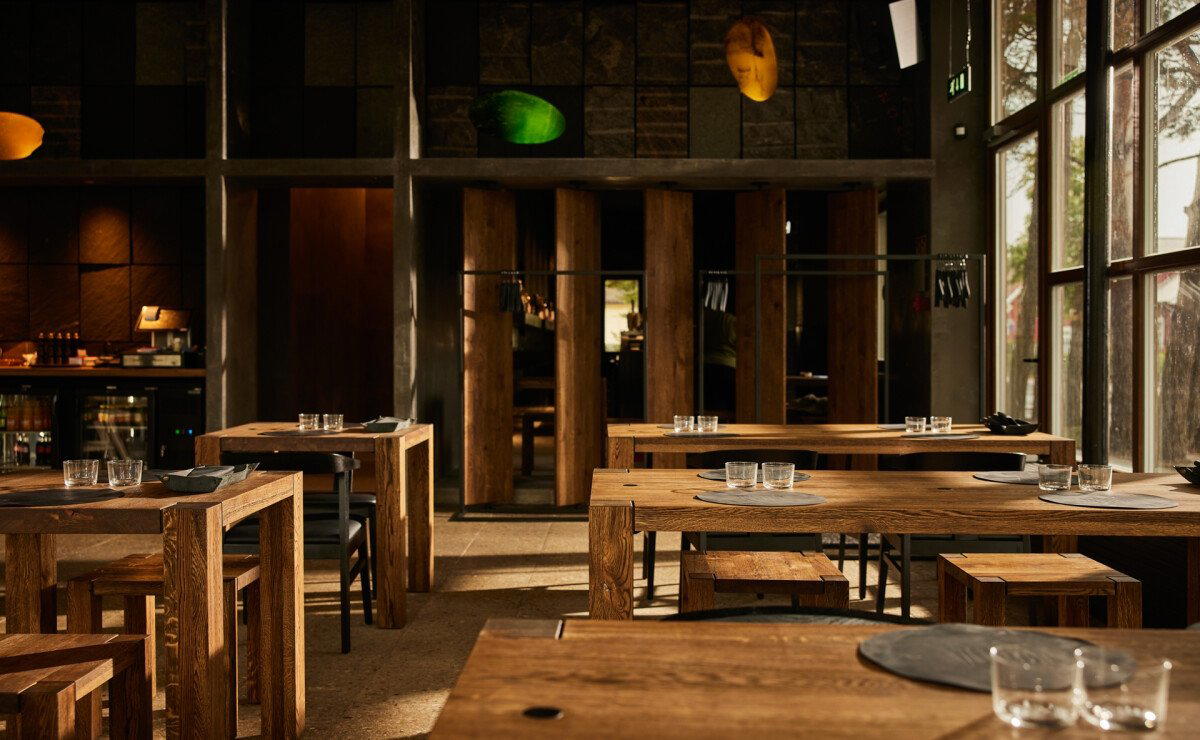
Cozy and modern interior with a relaxed seaside holiday atmosphere.