
Michelin Plate
Our verdict
Monist occupies a quiet address on Vytauto gatvė in Palanga, Lithuania's principal Baltic resort town. With sparse publicly available data on its format and menu, the restaurant sits within a dining scene shaped by seasonal coastal rhythms and a growing regional interest in produce-led cooking. Visitors exploring Palanga's restaurant options will find it alongside peers including Todá, Vila Komoda, and Žuvine.

Pearl is the En Primeur Club membership app, where members save venues, book tables and use the concierge.
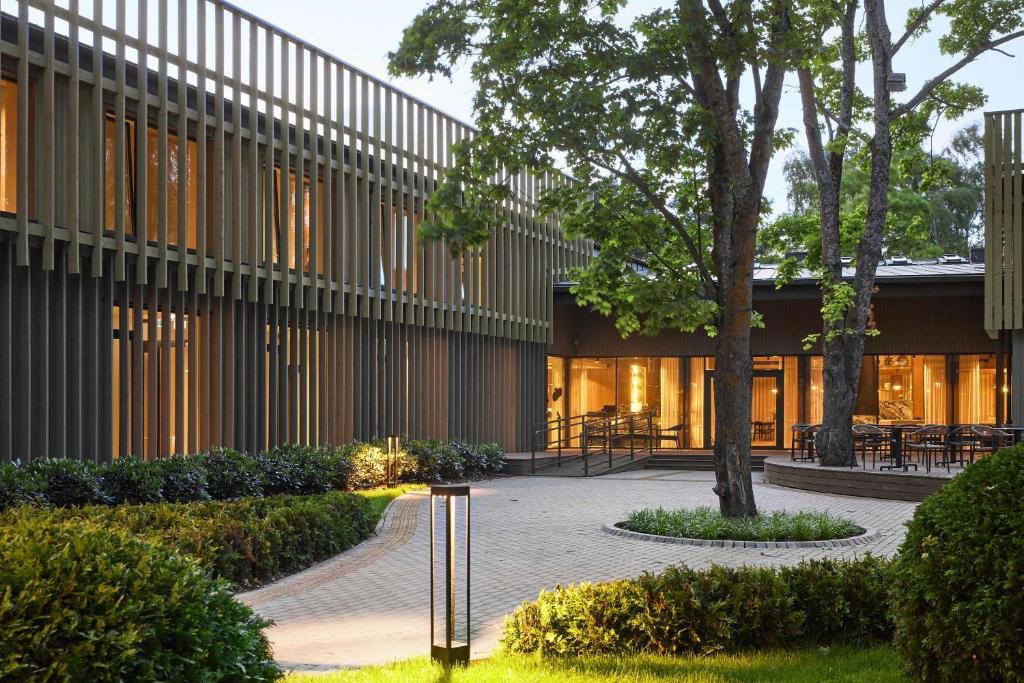
Palanga's Dining Scene and Where Monist Sits Within It
Lithuania's Baltic coast has long operated on a different culinary register than Vilnius or Kaunas. Palanga, the country's most frequented seaside resort, draws a largely domestic crowd through summer and quiets to a near-residential pace between October and April. That seasonal rhythm shapes what restaurants here can sustain: kitchens that serve grilled fish and amber-coloured local beer in July may be reduced to weekends-only service by November. Monist, at Vytauto g. 88a in the town's central corridor, sits inside that pattern. Its address places it close to the pedestrianised stretch that connects the seafront pine forest to the town's commercial core, a zone that concentrates most of Palanga's dining options. For broader orientation across the city's restaurant scene, our full Palanga City restaurants guide maps the options by neighbourhood and price tier.
The Cultural Weight of Baltic Coastal Cooking
Understanding any restaurant in Palanga requires understanding what the Baltic coast actually means as a culinary region. This is not a cuisine of abundance in the Mediterranean sense. It is a cuisine of preservation, of making the most of what a cold sea and a short growing season provide. Smoked eel from the Curonian Lagoon, flounder landed at Klaipėda, pickled vegetables that carry summer into winter, rye breads dense enough to serve as a meal anchor: these are the reference points that serious cooks on this coastline work from or against. The region's leading restaurants tend to fall into one of two orientations. Some lean into heritage ingredients with contemporary technique, aligning themselves with the broader New Nordic movement that has reshaped Scandinavian and Baltic fine dining since the mid-2000s. Others operate as more direct resort dining, satisfying a summer crowd that wants freshness and sea air without culinary complexity. Comparable ambition can be tracked at Fisheria in Neringa, which operates along the Curonian Spit with a focus on local catch, and at ALBA Bistro in Klaipėda, where the regional city's dining scene has developed more year-round consistency.
Monist Among Palanga's Current Restaurant Set
Palanga's restaurant scene is smaller and more seasonal than its summer footfall might suggest. The permanent dining infrastructure is modest; most kitchens here are designed for peak throughput from late June through August, when the town's population multiplies several times over with Lithuanian and Latvian holidaymakers. That context matters when assessing any individual venue, because the competitive pressures and operating models differ substantially from those of year-round urban restaurants. Within Palanga itself, the more frequently referenced options include Todá, Vila Komoda, and Žuvine, each of which has established enough of a presence to attract visitors specifically. Monist occupies the same general zone and, by its address, the same audience.
For those travelling along the Lithuanian coast more broadly, the dining picture extends beyond Palanga. Šturmų švyturys in Sturmai and Šturmų Švyturys in Kintai serve the Nemunas Delta region with a distinctly rural, water-adjacent character. Further inland, Apvalaus Stalo Klubo in Trakai and Paliesius manor in Paliesius represent a manor-house tradition that frames Lithuanian culinary heritage differently, through landscape and estate rather than coastline. Urban reference points include Demo in Vilnius, which operates in a more technically ambitious register, and Arrivée in Kaunas, a useful point of comparison for how Lithuania's second city has developed its own contemporary dining identity.
Planning a Visit
Palanga is accessible by road from Klaipėda in under 30 minutes and from Vilnius in roughly three hours. The town is also served by Palanga Airport, which handles seasonal routes from several European cities. Monist's address on Vytauto gatvė puts it within walking distance of the central beach access and the amber museum, making it a plausible stop within a broader day in town. Given the seasonal nature of Palanga's dining scene, visiting outside peak summer months warrants advance confirmation that the venue is operating; hours and availability tend to compress significantly between September and May. Travellers planning around Lithuania's spa resort towns may also consider Surr in Druskininkai as a point of comparison, given that Druskininkai operates a similarly seasonal but increasingly year-round dining culture anchored to wellness tourism. For those whose itineraries include international reference points, the structural ambition of coastal fine dining finds its clearest global expression at venues like Le Bernardin in New York City, where the logic of sea-focused tasting menus has been refined over decades, or Lazy Bear in San Francisco, which applies a communal, produce-seasonal approach that has parallels with how the better Baltic coastal kitchens think about sourcing and format.
Frequently asked questions
Where exactly is Monist?
Monist is located at Vytauto g. 88a, Palanga, 00136 Palangos m. sav. Lithuania, Palanga City.
Is Monist open year-round, or does it follow Palanga's seasonal restaurant calendar?
Palanga City operates on a markedly seasonal rhythm, many restaurants along streets like Vytauto g. scale back or close entirely outside the May-to-September window when resort traffic drives local demand.
What should I order at Monist?
Specific menu details for Monist are not published at this time. Given the restaurant's location on Vytauto g. in Palanga, Lithuania's primary Baltic resort town, the broader coastal dining tradition in this region centres on smoked and cured fish, seasonal produce, and amber rye preparations.
Do I need a reservation for Monist?
Palanga's dining infrastructure is genuinely seasonal, with peak demand concentrated in the summer months when the town's population swells several times over. Restaurants on Vytauto g. one of Palanga's central streets, fill quickly during that window. Booking ahead is advisable from late June through August; outside of that period, walk-in availability tends to be less pressured.
What's the signature at Monist?
No confirmed signature dish or defining format has been documented for Monist at this stage. The restaurant sits within a Baltic coastal cooking tradition that historically draws on preserved fish, foraged greens, and dairy-forward preparations rooted in Lithuanian rural practice. What distinguishes any individual restaurant in Palanga is typically its sourcing relationships and its handling of that shared regional ingredient base.
Can Monist adjust for dietary needs?
No formal dietary policy has been published for Monist. As with most independent restaurants in Palanga City, the practical approach is to check the venue's official channels before your visit, particularly if your requirements are specific. Baltic coastal menus often centre on fish and animal proteins, so advance communication is the safest route for plant-based or allergen-sensitive diners.
Price Lens
Comparable venues nearby, for context on price, style, and recognition.
| Venue | Cuisine | Price | Awards | Notes |
|---|---|---|---|---|
| MonistThis venue (the venue you are viewing) | Modern Lithuanian European | Not listed | Michelin Plate | Not listed |
| Todá | Tel Aviv-inspired Middle Eastern | Not listed | Not listed | Palanga Beach, Tel Aviv-inspired Middle Eastern |
| Žuvine | Fresh Baltic Seafood | Not listed | Not listed | Basanaviciaus promenade, Fresh Baltic Seafood |
| Vila Komoda | Modern French-Asian Fusion | $50–100 | Not listed | Palanga, Modern French-Asian Fusion |
| Šturmų švyturys | Fresh Lithuanian Wild Fish | $20–30 | Not listed | Sturmai, Fresh Lithuanian Wild Fish from Curonian Lagoon |
| Blue Lotus | Indian and Thai Fusion | $20–30 | Not listed | Old Town, Indian and Thai Fusion |
Recognition history
Dated appearances from independent guides and award organizations, with the underlying list record or original source where available.
Michelin Plate
Michelin
Continue exploring
More in Palanga
Restaurants in Palanga
All restaurants in Palanga →
Hotels in Palanga
Browse all →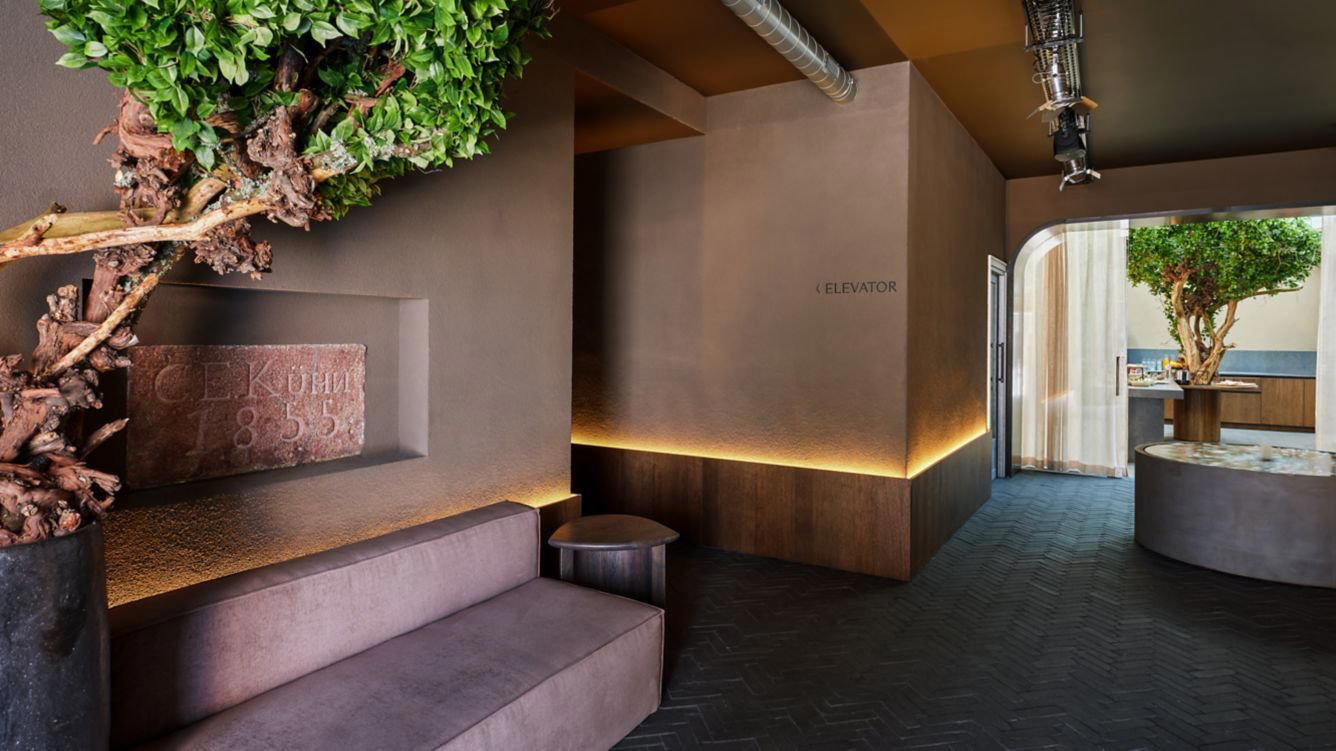
Details
- Cozy
- Modern
- Elegant
- Intimate
- Date Night
- Family
- Business Dinner
- Hotel Restaurant
- Open Kitchen
- Craft Cocktails
- Local Sourcing
- A La Carte
- Tasting Menu
- Vegetarian Friendly
- Vegan Options
- Gluten Free Options
Current opening hours
- Monday
- 8–11 AM, 12–10 PM
- Tuesday
- 8–11 AM, 12–10 PM
- Wednesday
- 8–11 AM, 12–10 PM
- Thursday
- 8–11 AM, 12–10 PM
- Friday
- 8–11 AM, 12–10 PM
- Saturday
- 8–11 AM, 12–10 PM
- Sunday
- 8–11 AM, 12–10 PM
Hours can change for holidays and private events. Hours as of .
Cozy and stylish with immaculate design, soft lighting, and a warm welcoming atmosphere.