
Apvalaus Stalo Klubo sits on Trakai's main Karaim street and has earned consecutive Michelin Plate recognition in 2024 and 2025, placing it among Lithuania's small but growing cohort of destination-quality restaurants outside Vilnius. Price sits at the mid-range €€ tier for the region.
Pearl is the En Primeur Club membership app — saves, bookings, and concierge access live there. Same editors, same standards.
- Address
- Karaimų g. 53A, Trakai, 21104 Trakų r. sav., Lithuania
- Phone
- +370 655 68012
- Website
- asklubas.lt
- Directions
- Get directions
 Saves & bookings on Pearl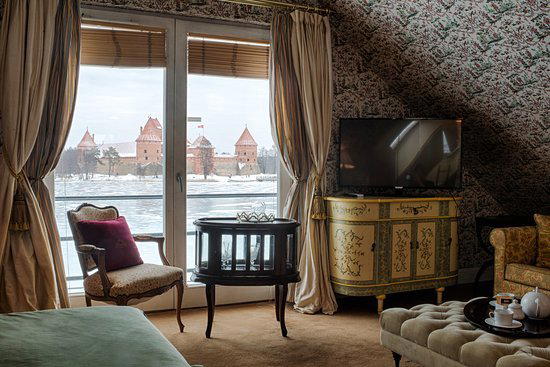
A Town Known for Castles, Now Worth Visiting for the Table
Trakai has long attracted visitors for one thing: the red-brick island castle rising from Lake Galvė, a structure that defines every postcard and package itinerary. The dining scene that surrounds it has historically been calibrated to that tourist economy, which is to say efficient, repeatable, and rarely memorable. That context makes the presence of a Michelin Plate-recognised kitchen on Karaimų gatvė more than a local curiosity. It is a signal that something structurally different is happening in how serious Lithuanian hospitality is distributing itself beyond Vilnius.
Apvalaus Stalo Klubo occupies a plot at number 53A on that same Karaim street, the narrow road that runs parallel to the peninsula's edge and carries the oldest settled identity in Trakai. The Karaim community, Turkic-speaking and distinct from both Lithuanian and Jewish traditions, gave the town its kibinai dumplings and its particular street of low wooden houses. Eating here, even at a modern kitchen, means eating inside a layer of culinary history that most of the castle-side restaurants ignore entirely. The address is not incidental.
Where the Ingredients Begin
Modern cuisine in the Lithuanian context rarely means the same thing it means in Copenhagen or Lyon. The country's short growing season, its forest and lake geography, and its distance from the large European produce networks push kitchens toward a narrower but more specific pantry. Mushrooms, root vegetables, freshwater fish, foraged herbs, rye, and dairy products from small regional producers form the backbone of what serious Lithuanian kitchens can honestly call local. In a town built on lakes, the sourcing logic for freshwater species is particularly direct: perch, pike, and carp from the Trakai lake system are among the most traceable proteins a kitchen in this region can place on the menu.
That sourcing geography matters because it determines how a kitchen in a town like Trakai can credibly operate in a modern cuisine register. The approach that earns Michelin attention in these contexts is typically one that takes raw material discipline seriously, treating provenance as the organising principle rather than technique as spectacle. Consecutive Michelin Plate recognition in 2024 and 2025 suggests the kitchen has maintained that standard with enough consistency to satisfy inspectors on return visits, which is a harder credential than a single-year listing.
Kitchens working at this level in smaller Lithuanian cities and towns occupy an interesting competitive position. Compared to Vilnius operations like Demo, which operates at the €€€€ tier with a Michelin star, or the starred Arrivée in Kaunas, Apvalaus Stalo Klubo functions at a more accessible price point while sustaining Michelin-level recognition. That is the middle tier of Lithuanian fine dining: not a neighbourhood bistro, not a tasting-menu destination charging capital-city prices, but a serious kitchen in a place where the setting adds something the city cannot replicate. For context on how modern cuisine plays out across different price registers in the region, see also ALBA Bistro in Klaipeda and Red Brick in Radiškis.
The Scale of the Audience
Trakai is a day-trip destination for Vilnius residents and a tourist stop for international visitors, which means a restaurant on the main street accumulates reviews from a broad and not especially self-selecting pool. Sustaining 4.4 at that volume, across what is presumably a mix of casual diners and food-focused visitors, indicates that the kitchen's output translates across audiences. It is not a score built on a narrow base of enthusiasts.
That breadth of approval does not diminish the Michelin credential; it adds to the picture. A kitchen that satisfies both the inspector's technical criteria and a large general audience is demonstrating range. The price range at €€ reinforces that the proposition is not built on exclusivity of access. You do not need to be planning a special occasion to eat here, though the kitchen is evidently capable of delivering one.
Placing Trakai in the Wider Modern Cuisine Conversation
The pattern of serious kitchens appearing in non-capital, geographically distinctive locations is not unique to Lithuania. Across Europe, restaurants in smaller towns with strong landscape or heritage identity have used that context as a productive constraint, letting the sourcing story carry the menu in ways that urban kitchens cannot. Maison Lameloise in Chagny and Agli Amici in Godia represent that European tradition of destination kitchens in towns most visitors would otherwise pass through. Bartholomeus in Heist follows a similar logic from a coastal sourcing position. Apvalaus Stalo Klubo operates on comparable principles in a smaller market, with Trakai's lake geography and Karaim food heritage providing a sourcing and cultural frame that distinguishes it from anything a Vilnius street address could offer.
For those interested in how the modern cuisine register plays out across very different geographic and cultural contexts, the contrast with places like Azafrán in Mendoza or Trescha in Buenos Aires is instructive. The common thread is not technique but discipline around local material. 11 Woodfire in Dubai and Cracco in Galleria in Milan show how the same category accommodates very different scales and settings. FZN by Björn Frantzén in Dubai and Frantzén in Stockholm represent the upper tier of Scandinavian-influenced modern cuisine, against which Lithuanian kitchens are increasingly measured by inspectors applying the same criteria.
Getting There and Planning Your Visit
Trakai sits roughly 28 kilometres west of Vilnius by road, and regular bus connections from the capital make it reachable in under an hour without a car. The town is small enough that Karaimų gatvė is walkable from the bus station in a few minutes. The €€ price positioning means the cost of an evening here compares favourably to a mid-range dinner in the capital. For a fuller picture of what Trakai offers beyond the table, see our full Trakai hotels guide, our full Trakai bars guide, our full Trakai wineries guide, and our full Trakai experiences guide. The full Trakai restaurants guide covers the wider dining picture across price tiers.
Comparison Snapshot
| Venue | Cuisine | Price | Awards |
|---|---|---|---|
| Apvalaus Stalo KluboThis venue — the venue you are viewing | Modern Cuisine | €€ | Michelin Plate (2025); Michelin Plate (2024) |
| Demo | Modern European, Innovative, Wine Bar & Small Plates | €€€€ | Michelin 1 Star |
| Somm | Fusion, Modern Cuisine | €€ | Fusion, Modern Cuisine, €€ |
| Džiaugsmas | Modern Cuisine | €€ | Michelin 1 Star |
| Gaspar's | Indian | €€ | Indian, €€ |
| Le Travi | Italian | € | Italian, € |
Recognition history
Dated appearances from independent guides and award organizations, with the underlying list record or original source where available.
Michelin Plate
Michelin
Michelin Plate
Michelin
Michelin Plate
Michelin
At a Glance
- Romantic
- Scenic
- Elegant
- Intimate
- Modern
- Sophisticated
- Date Night
- Special Occasion
- Celebration
- Business Dinner
- Waterfront
- Terrace
- Panoramic View
- Hotel Restaurant
- Standalone
- Extensive Wine List
- Sommelier Led
- Farm To Table
- Local Sourcing
- Waterfront
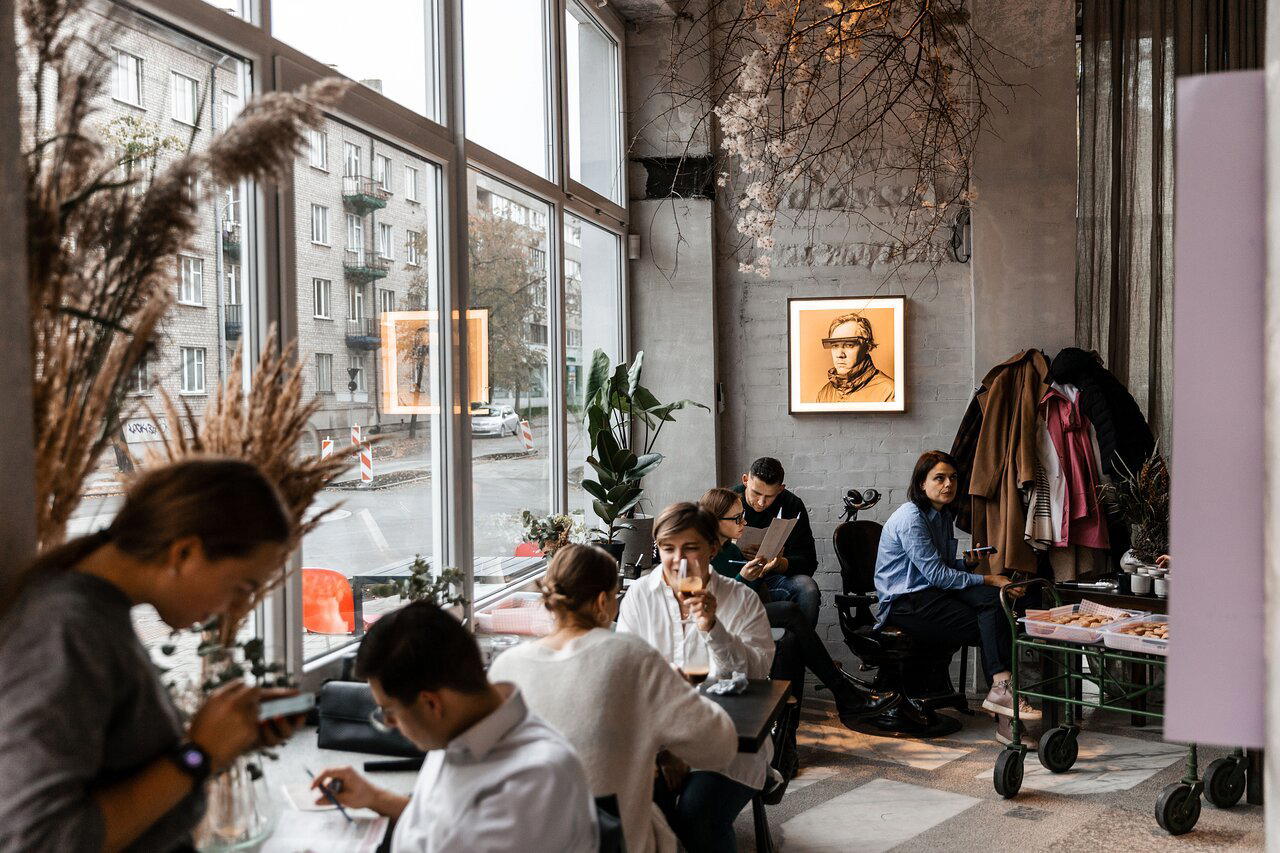
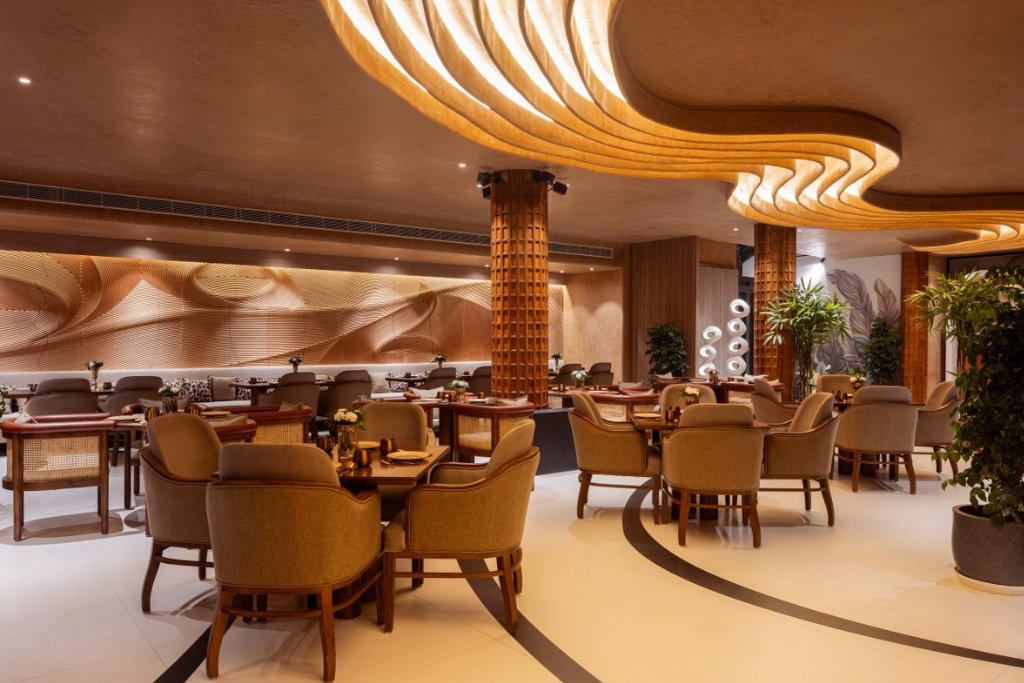
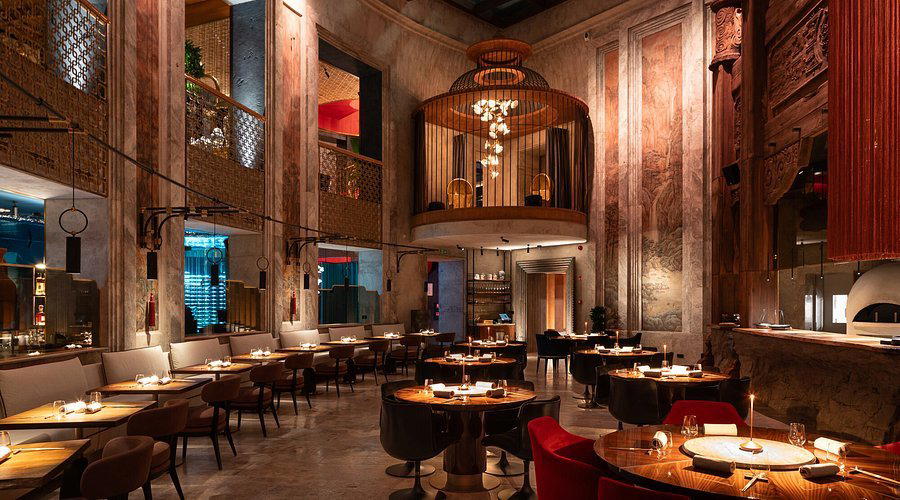
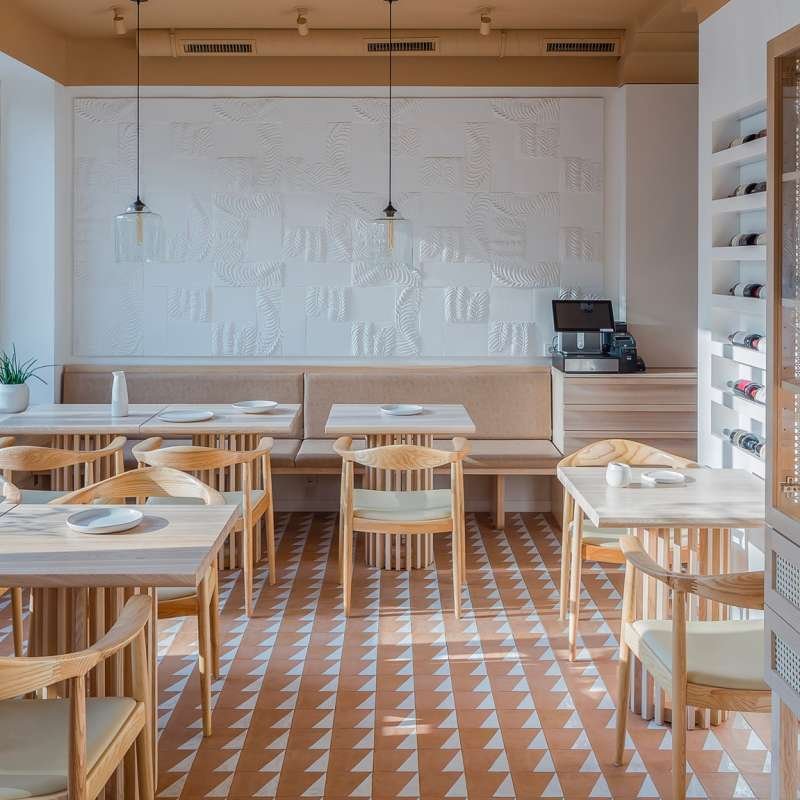
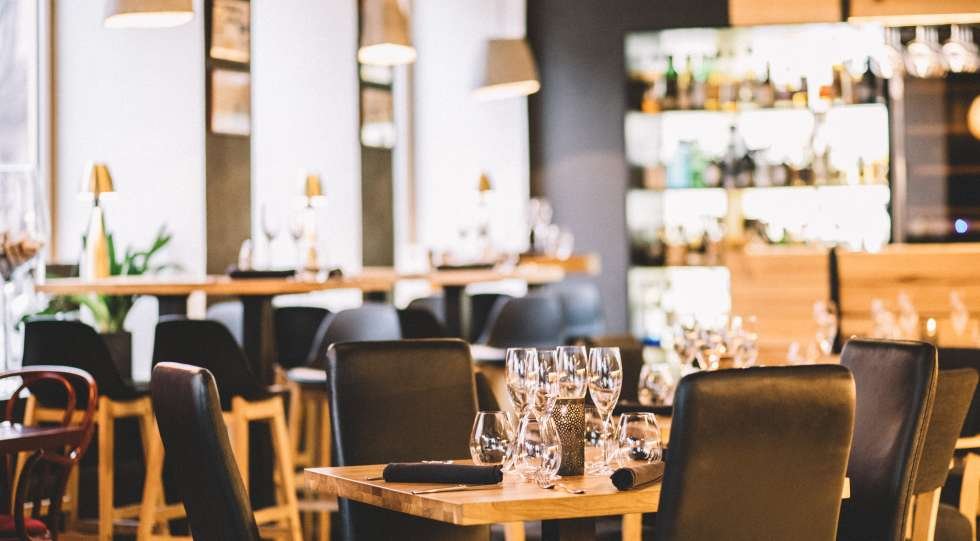
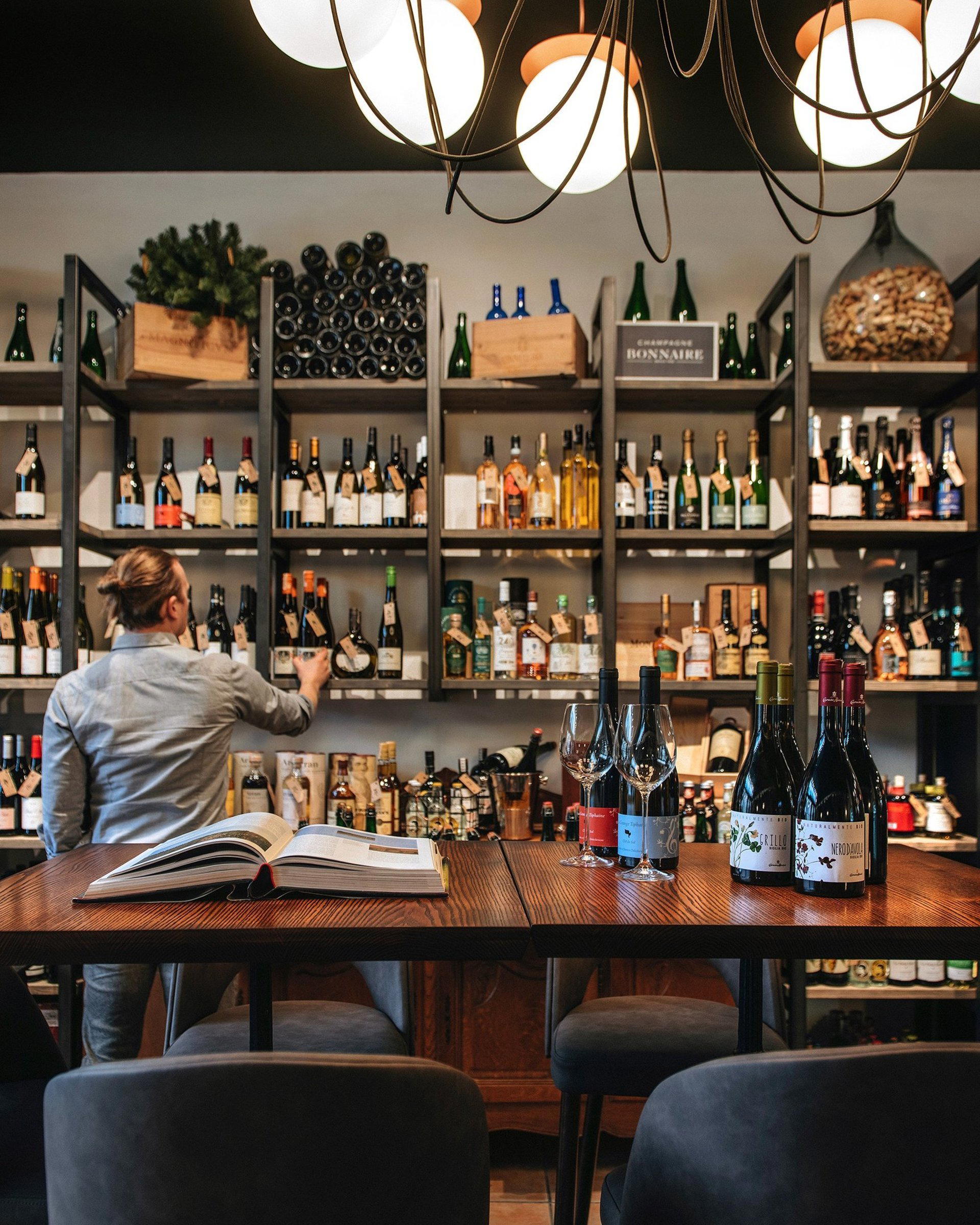
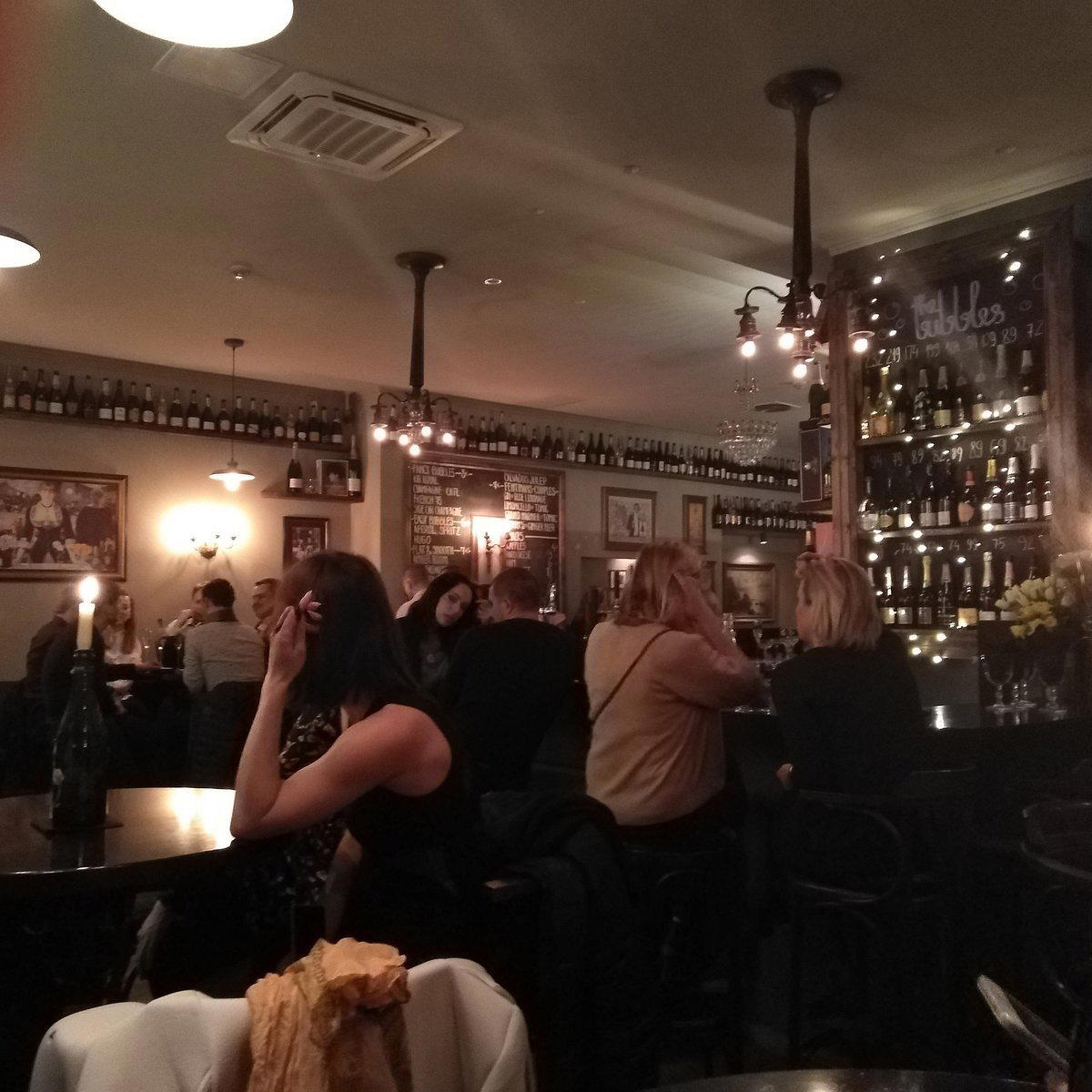
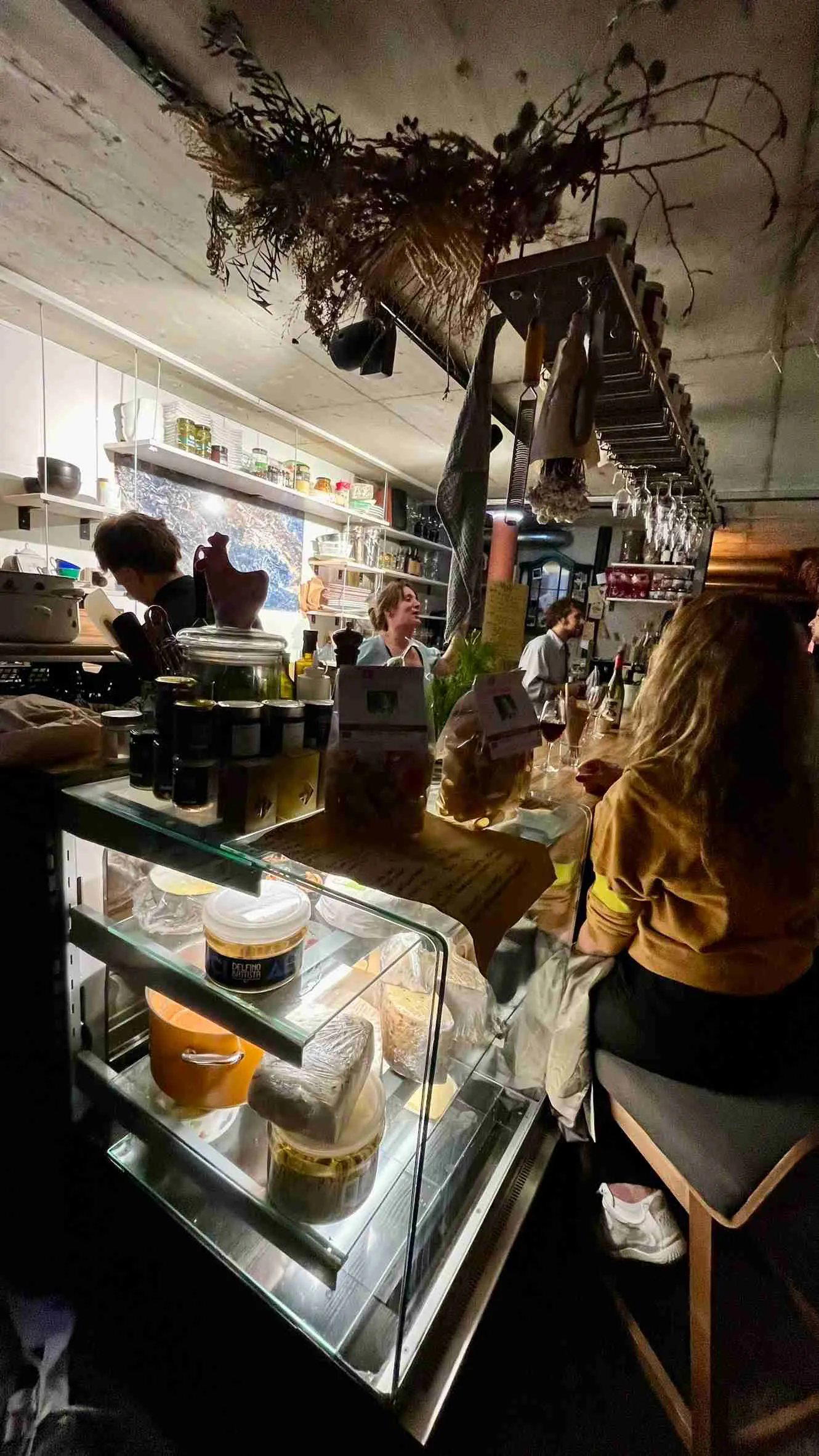
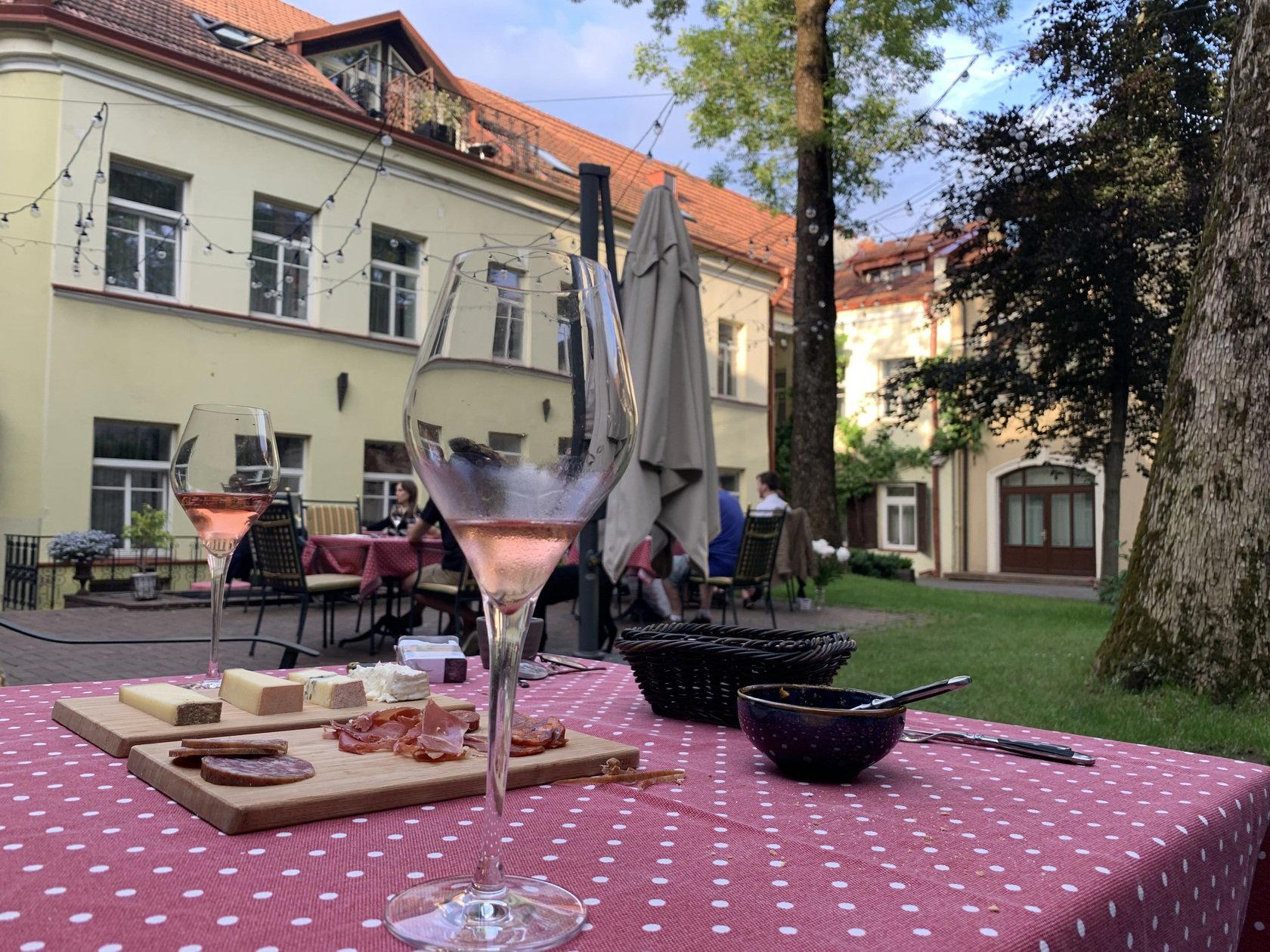
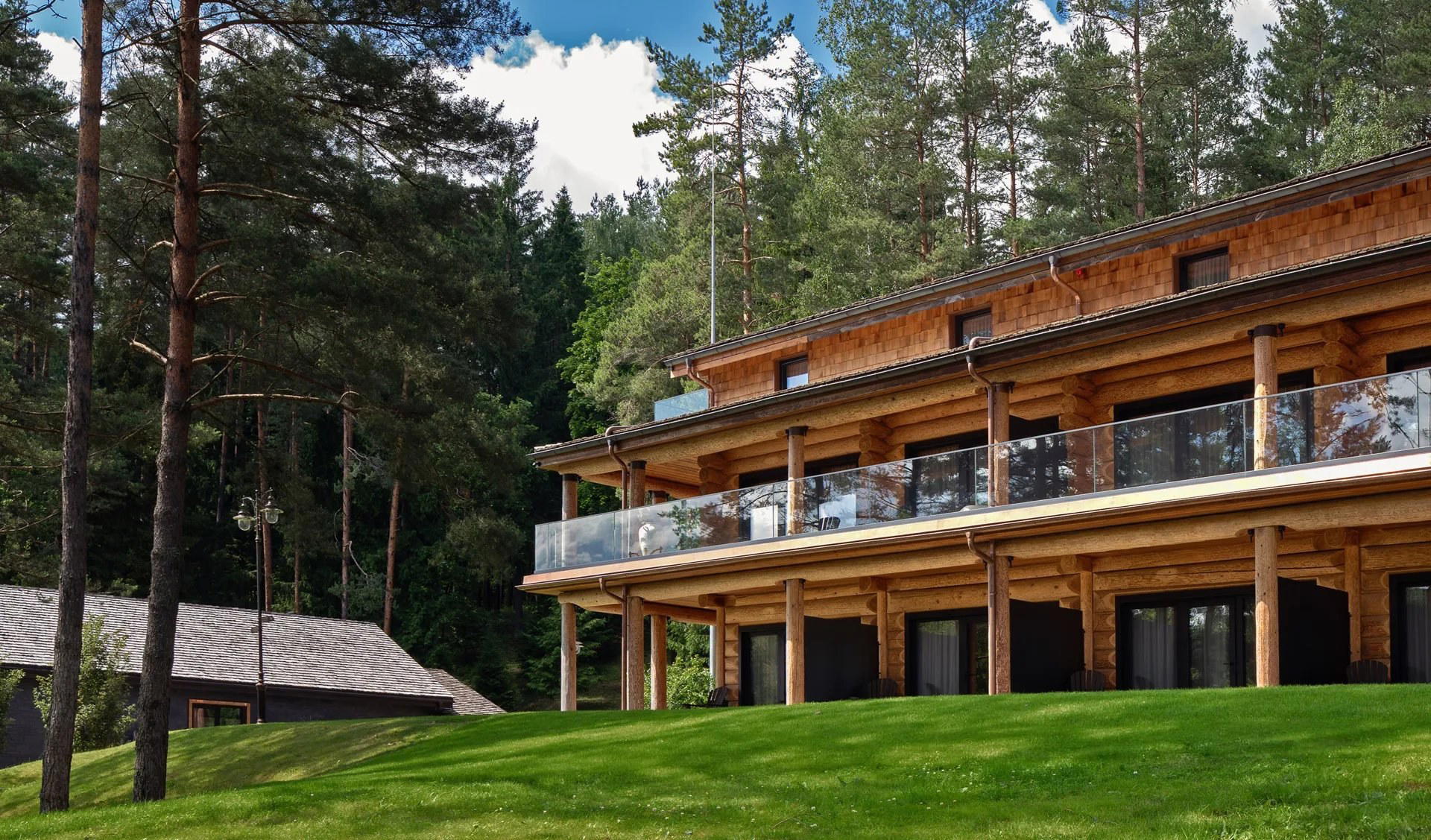
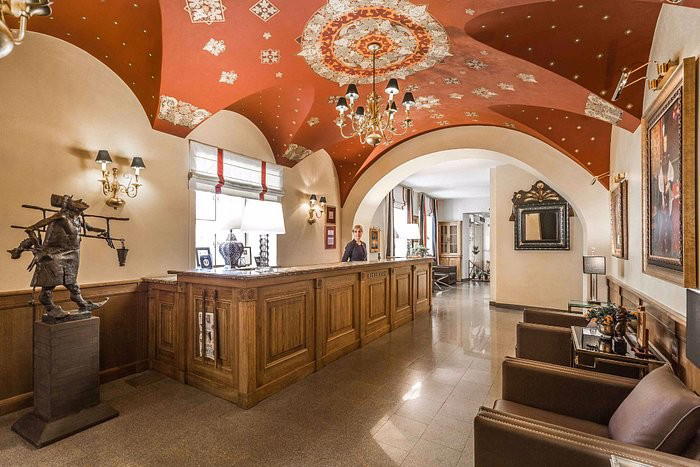
Intimate and modern with elegant surroundings combining tradition and contemporary design; warm, welcoming lighting that showcases the castle views; cozy yet sophisticated atmosphere.