Our verdict
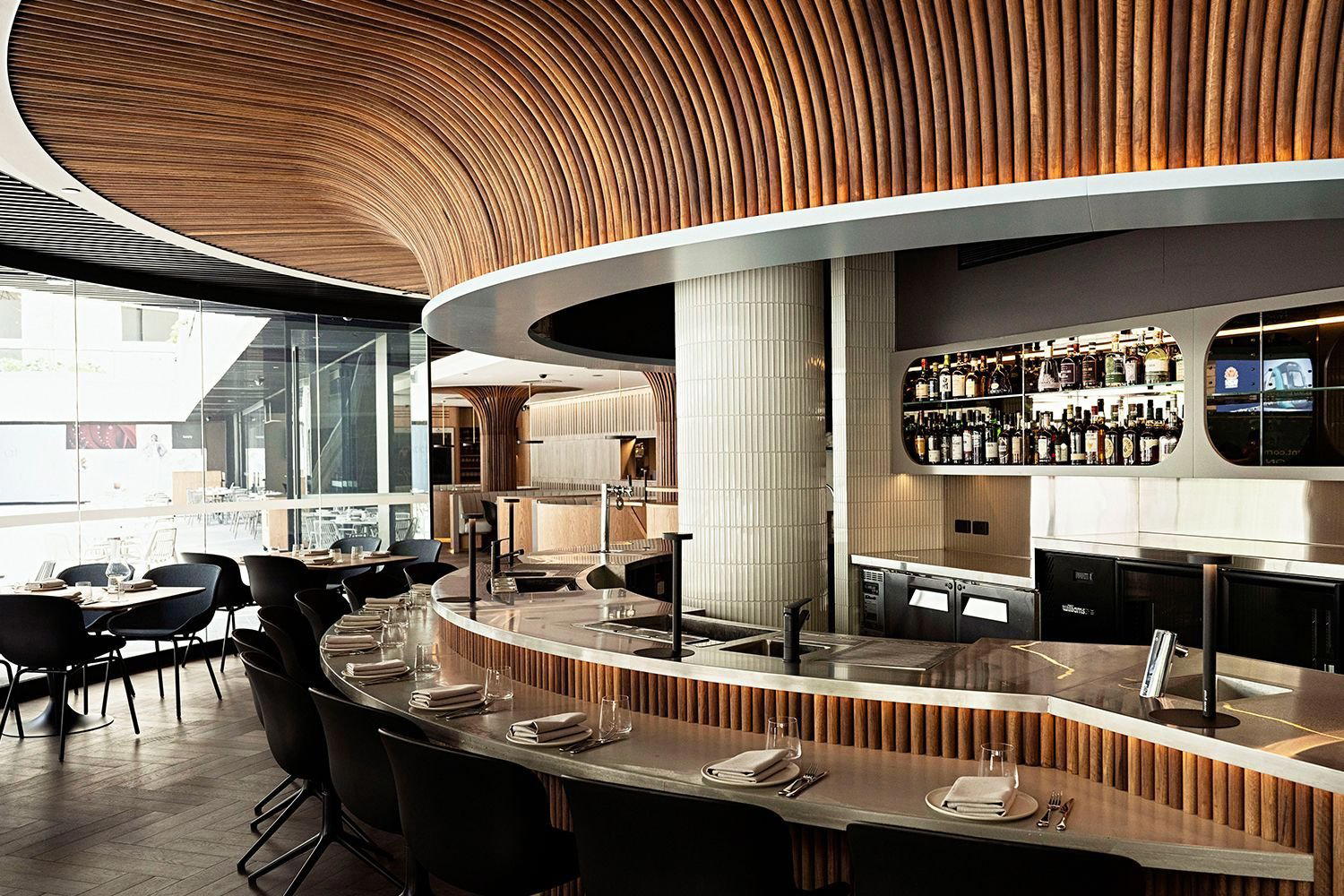
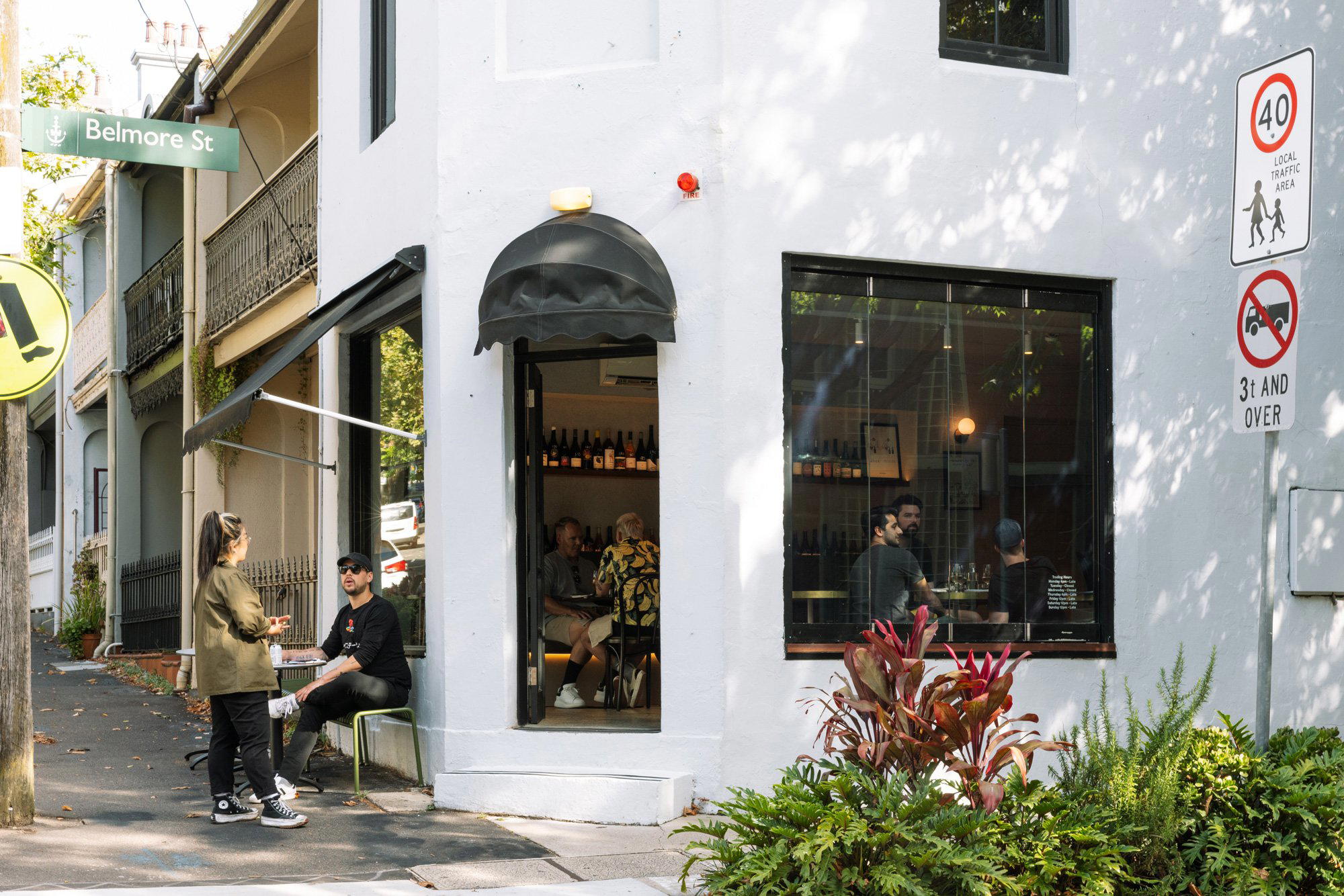
On Kensington Street in Chippendale, Viet sits within one of Sydney's more considered dining precincts, where warehouse conversions and independent operators have reshaped expectations of what a neighbourhood restaurant can be. The address alone signals intent: this stretch draws diners who track kitchens rather than suburbs, and Vietnamese cuisine here competes on the same terms as any other serious Sydney table.

Pearl is the En Primeur Club membership app — saves, bookings, and concierge access live there. Same editors, same standards.
- Address
- 14 Kensington St, Chippendale NSW 2008, Australia
- Phone
- +61292115081
- Website
- viet.kensingtonstreet.com.au
- Directions
- Get directions
- Booking
- Book on OpenTable
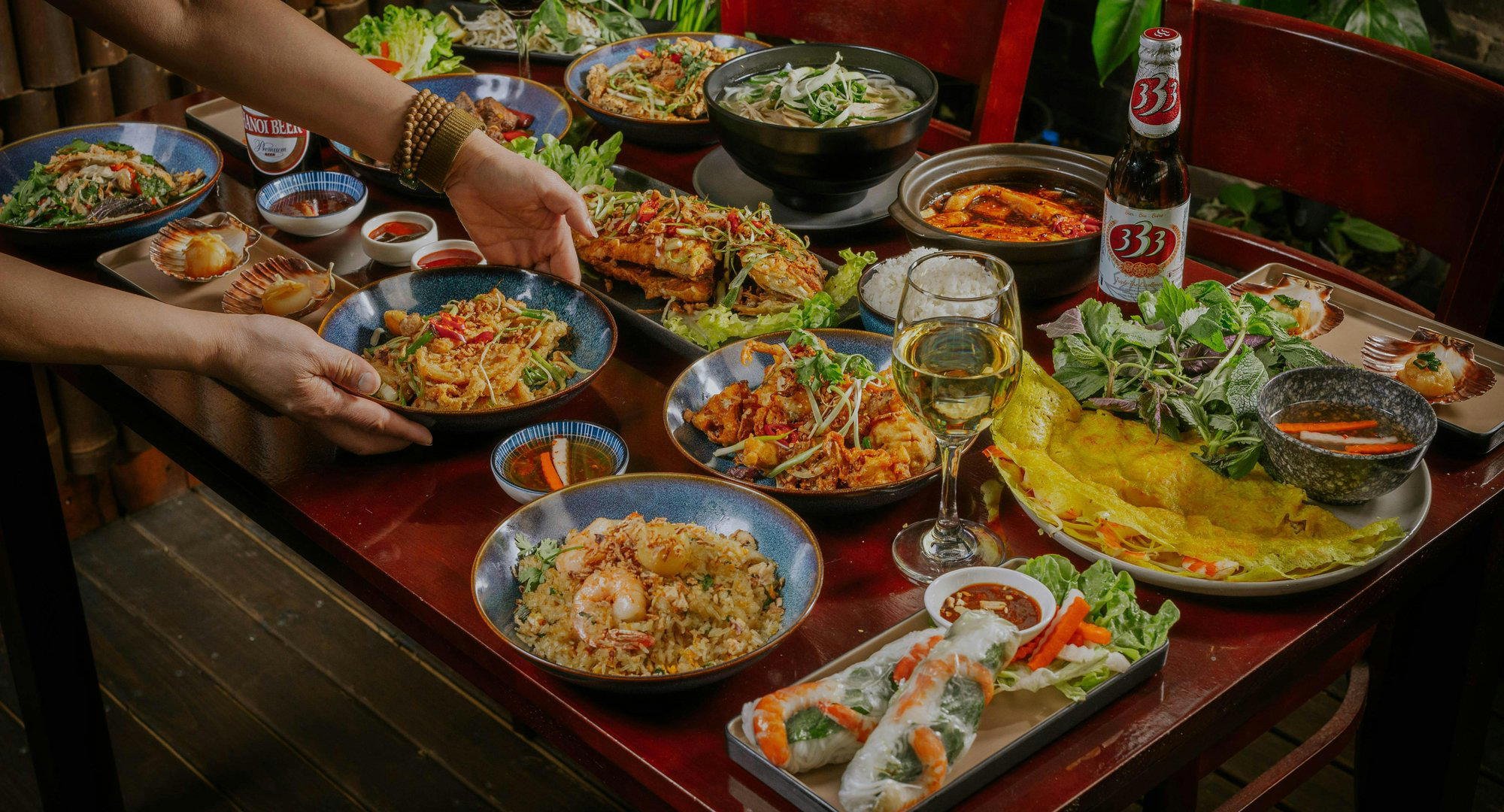
The menu
What to order
- Black truffle duck fried rice
- Deep-fried ice cream
Kensington Street and the Chippendale Shift
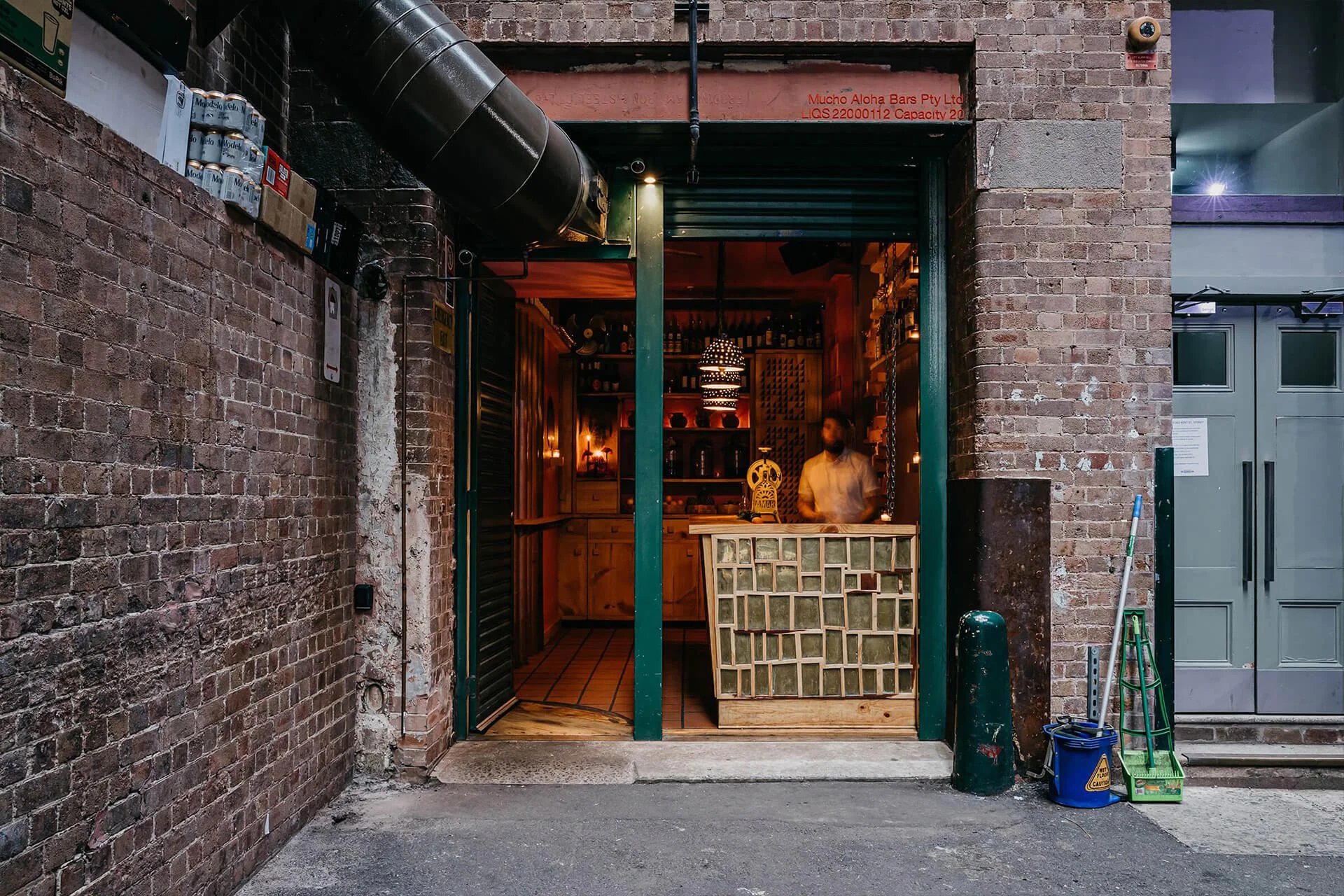
Chippendale's transformation from light-industrial backwater to one of Sydney's more deliberately constructed dining corridors happened faster than most precincts manage. Kensington Street, the spine of that transformation, now hosts a density of independent restaurants that makes it worth treating as a destination in its own right rather than a neighbourhood you pass through. The architecture helps: former warehouse shells and terrace-era shopfronts give operators a physical canvas that newer developments rarely offer, and the result is a street where the built environment and the cooking exist in genuine conversation. Viet, at number 14, occupies that context. The address is not incidental — it places the restaurant inside a precinct that draws an audience already primed for something considered.
Vietnamese Cooking in the Sydney Scene
Sydney's Vietnamese dining has historically concentrated in Cabramatta and Marrickville, where community-rooted kitchens built reputations over decades on pho broth clarity, banh mi construction, and the kind of institutional knowledge that only comes from cooking the same dishes across generations. The more recent movement has been different: Vietnamese kitchens appearing in inner-city precincts, addressing audiences shaped by exposure to both the original community restaurants and the broader wave of South-East Asian fine-dining that cities like Singapore and Melbourne have driven hard. That second wave tends to compete not just on flavour but on the surrounding experience — the room, the service register, the drinks programme. It is the territory where front-of-house and kitchen alignment matters most, because the margin for misalignment is visible in a way it is not in a family-run room where the cooking is the obvious centre of gravity.
Across Sydney's broader dining conversation, restaurants like Saint Peter and Rockpool have established a benchmark for how Australian produce and international technique can be held in productive tension. Vietnamese cooking in an inner-city setting asks a parallel question: how much of a cuisine's original logic survives when the context changes this substantially? The answer varies sharply depending on how well a team understands both sides of that equation.
The Collaboration That Shapes the Room
The editorial angle that matters at a restaurant like Viet is less about a single chef's biography and more about how kitchen, floor, and drinks operate as a coordinated unit. In Vietnamese cooking, the balance between sweet, sour, salt, and heat is not decorative, it is structural, and it demands a front-of-house team that can explain those balances to a table without reducing the cuisine to bullet points. The same applies to beverage pairing. Vietnamese food is not a natural match for the European wine grammar that dominates Sydney's fine-dining rooms, and operators who have thought seriously about that problem tend to show it through their list construction: lower-intervention whites, skin-contact wines with grip to match fermented elements, possibly a considered beer or spirit programme that draws from the same regional tradition as the food.
That kind of integration does not happen by accident. It reflects a team that has worked through the problem together, kitchen communicating flavour logic to the floor, sommeliers or drinks leads pressure-testing pairings against the actual dishes rather than against category convention. When it works, the result is a room where the service does not just deliver the food but frames it, and where a guest who knows nothing about Vietnamese culinary tradition leaves with a clearer understanding of it. That is the standard worth applying to any serious Vietnamese restaurant operating in a precinct like Kensington Street.
For comparison at the international end of that collaborative model, restaurants like Atomix in New York City and Le Bernardin have demonstrated how tightly integrated teams can carry a cuisine's integrity across the full arc of a meal, not just at the pass. The standard is reachable; it simply requires the investment in alignment that most rooms do not make.
Restaurants in Chippendale's Kensington Street precinct operate inside a competitive set that is more self-aware than most Sydney neighbourhoods. Diners here cross-reference their bookings, which means a restaurant's positioning relative to its neighbours matters. Vietnamese cooking, when it performs at the level the precinct's audience expects, holds its own against any other cuisine on the street. The dishes are technically demanding, stock work, herb management, the timing of fresh elements against cooked ones, and a kitchen that executes them with precision is doing something as difficult as what any European-derived kitchen on the same block is attempting.
Elsewhere in Sydney's broader dining geography, 10 William St and 1021 Mediterranean illustrate how inner-city operators have built coherent identities around specific culinary traditions without flattening them for broader appeal. 10 Pounds and Bayly's Bistro in Kirribilli approach the neighbourhood-restaurant question from different angles. For those building a broader map of Australian dining, Attica in Melbourne and Brae in Birregurra remain the reference points against which serious Australian restaurant ambition is measured, not because of cuisine type, but because of the depth of thinking that runs from kitchen to floor to guest. bills in Bondi Beach and Johnny Bird in Crows Nest show how neighbourhood identity shapes a dining proposition in Sydney's more residential pockets, while Bar Carolina in South Yarra and Barry Cafe in Northcote demonstrate Melbourne's parallel investment in locality. Further afield, Hungry Wolfs in Newcastle, Jaani Street Food in Ballarat, and Kulcha in Wollongong each reflect how cities outside the Sydney-Melbourne axis are developing their own dining confidence.
Planning a Visit
Viet sits at 14 Kensington Street, Chippendale, within walking distance of Central Station and the broader Surry Hills restaurant corridor. Kensington Street's precinct character means the area rewards arriving on foot from Central rather than driving, and the surrounding block has enough to build a longer evening around. For a broader view of where Viet sits within Sydney's dining options, our full Sydney restaurants guide covers the city's key precincts and operators in detail.
Frequently asked questions
How do I find Viet?
Viet is located at 14 Kensington St, Chippendale NSW 2008, Australia, Sydney.
Is Viet in Chippendale good for a group dinner in Sydney?
Viet's address at 14 Kensington Street places it inside the Kensington Street precinct, a corridor designed with communal dining in mind and foot traffic drawn from both the CBD and inner Sydney's creative districts. Vietnamese cuisine in Sydney's contemporary scene — where community-rooted kitchens have built durable reputations over decades — lends itself naturally to table-sharing formats. For confirmed group booking options, contacting the venue directly at its Chippendale address is the reliable route.
What's the best thing to order at Viet?
Vietnamese kitchens in Sydney's inner city tend to anchor their menus around pho, banh mi, and share-format dishes that reflect both regional Vietnamese tradition and local produce. Visiting in person or checking at the Chippendale precinct directly will give you the current picture.
Do they take walk-ins at Viet?
Walk-in policy for Viet on Kensington Street, Chippendale has not been formally published. Kensington Street operates as a curated dining corridor with variable demand across the week, so walk-in availability shifts with foot traffic from nearby Central Station and the Surry Hills corridor. Arriving early in a service period generally improves your odds at precinct restaurants of this type.
A Quick Peer Check
A quick peer reference to anchor this venue in its category.
| Venue | Cuisine | Price | Awards | Notes |
|---|---|---|---|---|
| VietThis venue — the venue you are viewing | Modern Vietnamese Fusion | Not listed | Not listed | Not listed |
| Rockpool | Modern Australian Steakhouse | $150–200 | World's 50 Best #49 · La Liste Top Restaurants | Australian Cuisine |
| Saint Peter | Modern Australian Seafood | $150–200 | World's 50 Best #66 · La Liste Top Restaurants | Australian Seafood |
| BENTLEY Restaurant & Bar | Modern Australian Fine Dining | $150–200 | La Liste Top Restaurants · Star Wine List | Australian Modern |
| Bennelong | Modern Australian Fine Dining | $200–300 | La Liste Top Restaurants · Star Wine List | Australian Cuisine |
| 20 Chapel | Modern Australian Wood-Fired Grill | $100–150 | Not listed | Not listed |