Our verdict
Vidrovača POP sits at the edge of a sheltered bay in Bilice, on the Dalmatian coast between Šibenik and Split. In a region where the sourcing question, what comes from the sea directly in front of you, and what travels to reach your plate, defines the quality gap between restaurants, this cove-side address places itself firmly in the locally-anchored tier. For the Dalmatian dining scene, that alignment with place is the starting point, not the marketing.

Pearl is the En Primeur Club membership app, where members save venues, book tables and use the concierge.
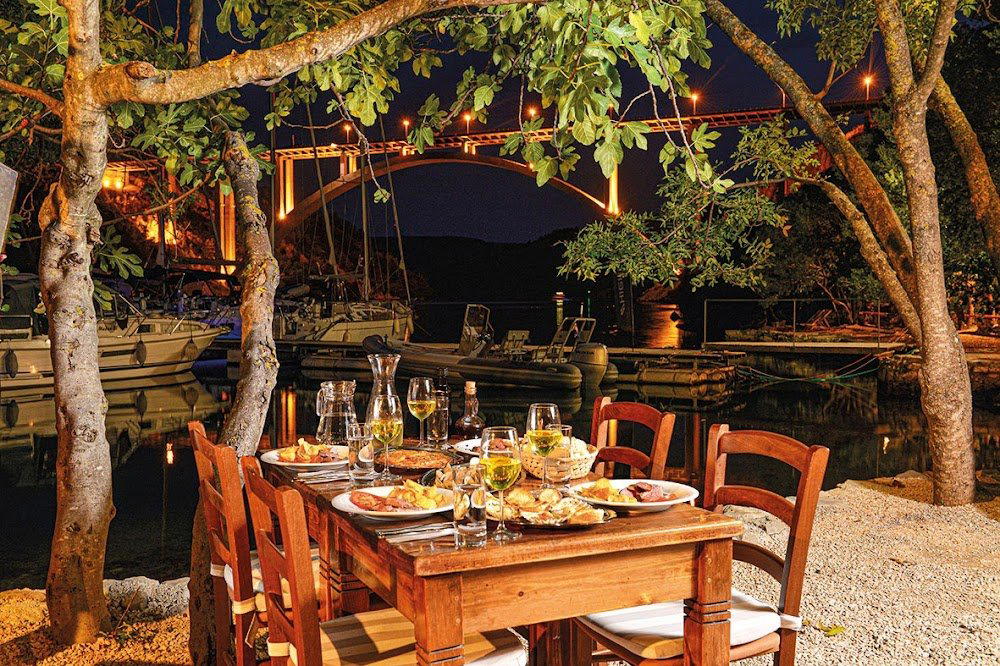
A Bay That Sets the Terms
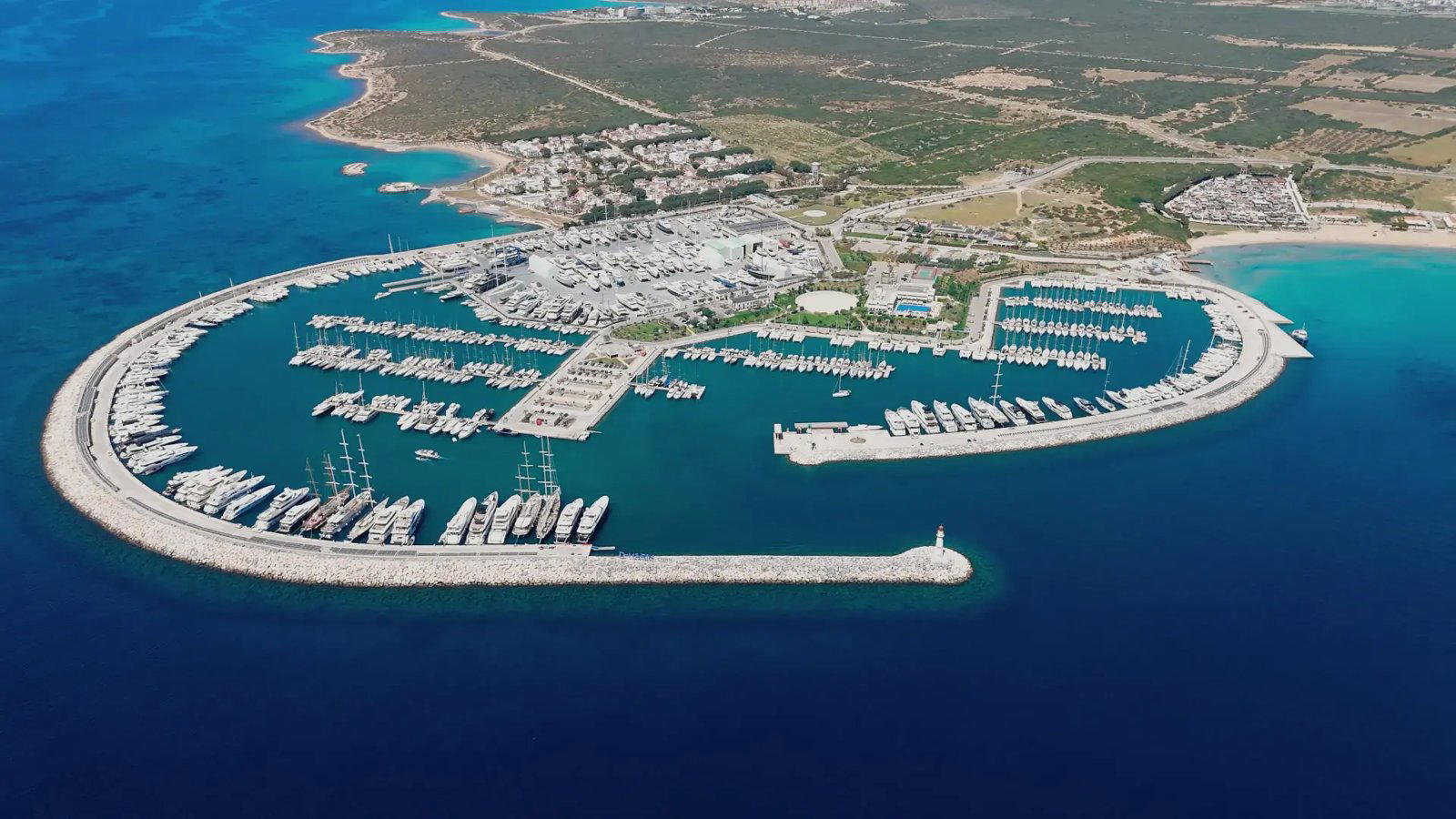
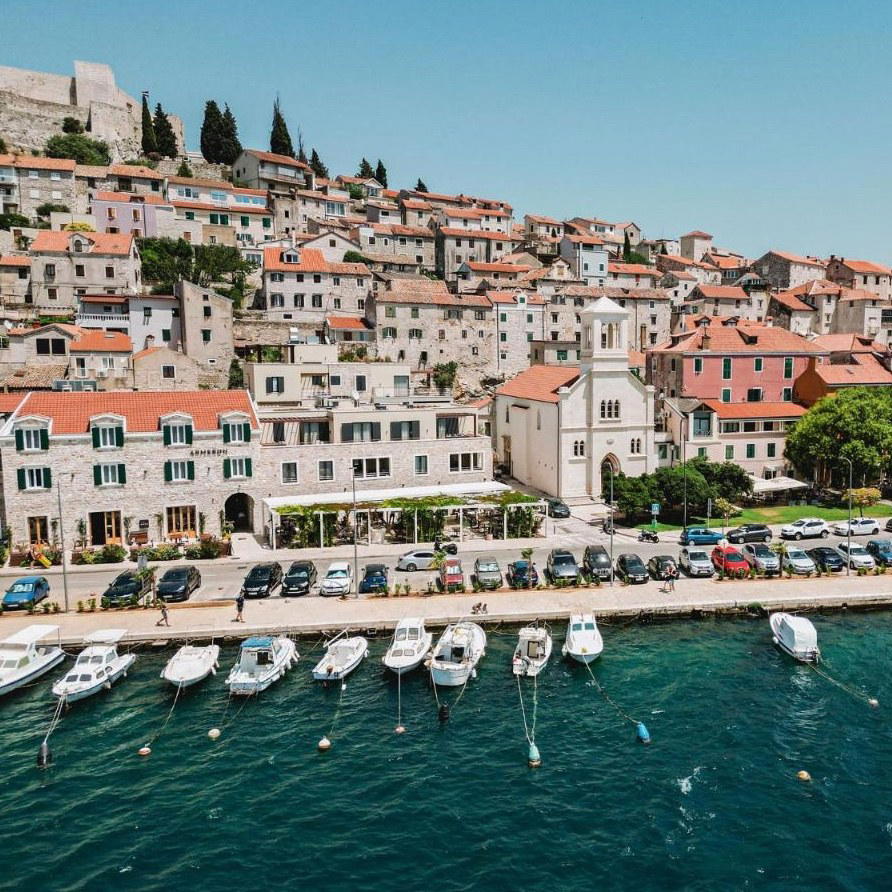
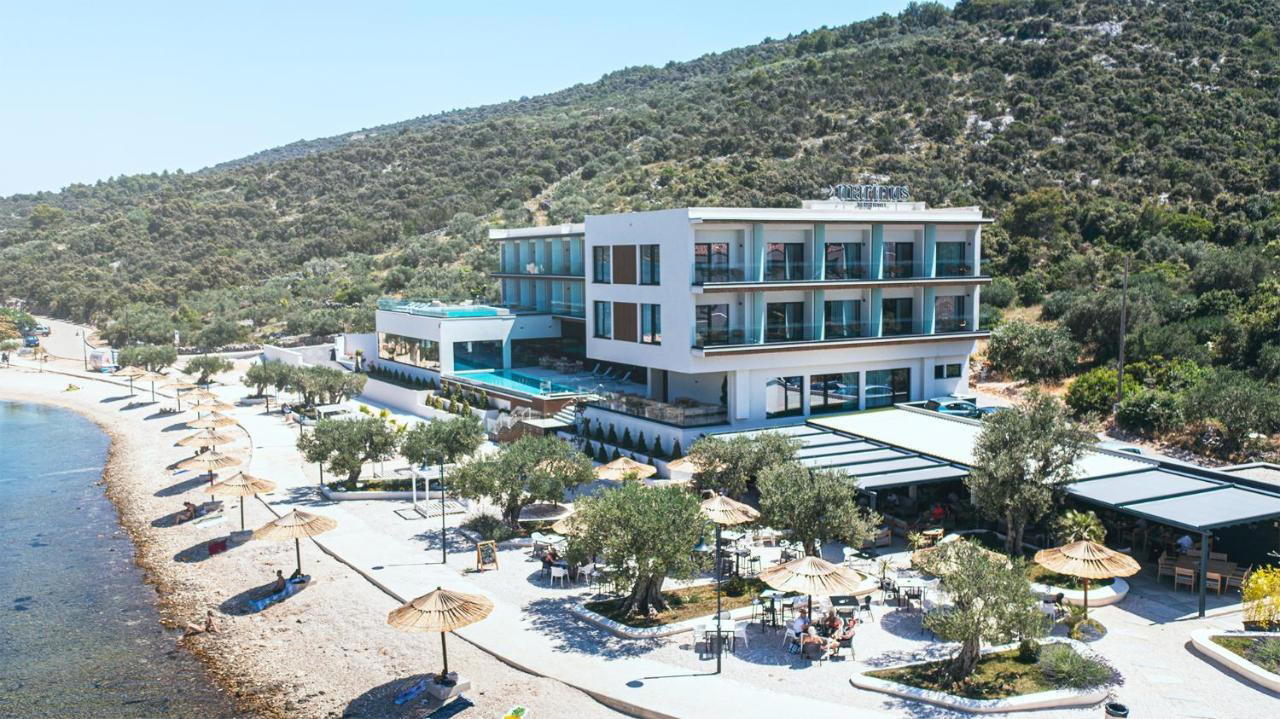
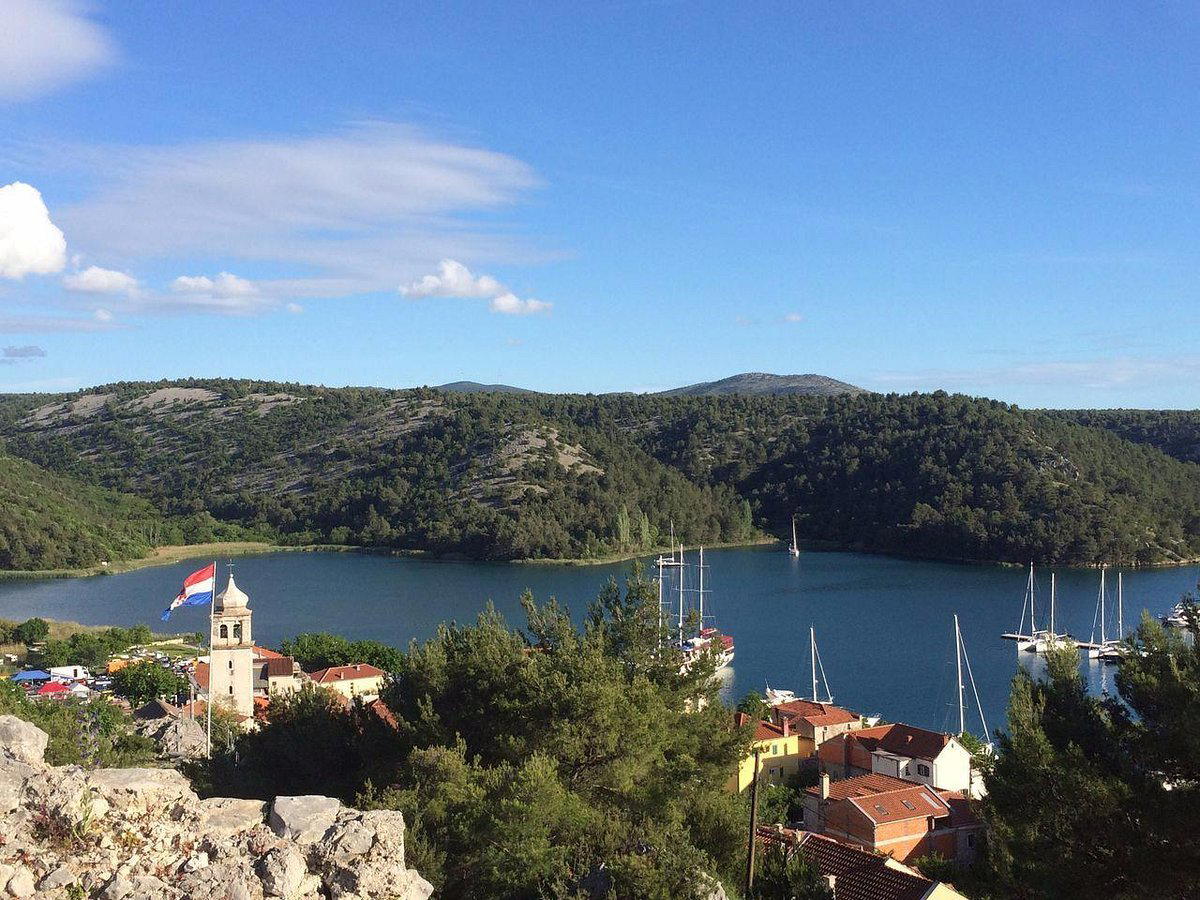
The Dalmatian coast between Šibenik and Split is one of the more underexposed stretches of Croatian shoreline, which means the restaurants operating there tend to answer to a local audience before they answer to tourist traffic. Bilice sits in that corridor, and Vidrovača POP occupies a position on the cove at Uvala Vidrovača that makes geography the first editorial fact: you arrive at a place that is defined by the water in front of it. In Dalmatia, that relationship between a restaurant and its immediate environment has historically been the sharpest indicator of what will appear on the plate.
Approaching along the bay, the setting belongs to a category of coastal Croatian dining that has little in common with the terrace-and-tablecloth operations further up the coast in Dubrovnik or Rovinj. The scale is smaller, the light is particular to a south-facing cove, and the logic of the place is shaped by proximity: proximity to the Adriatic, to the karst hinterland behind Šibenik, and to a food culture that still treats sourcing as the structural decision, not a finishing detail.
What Dalmatian Sourcing Actually Means
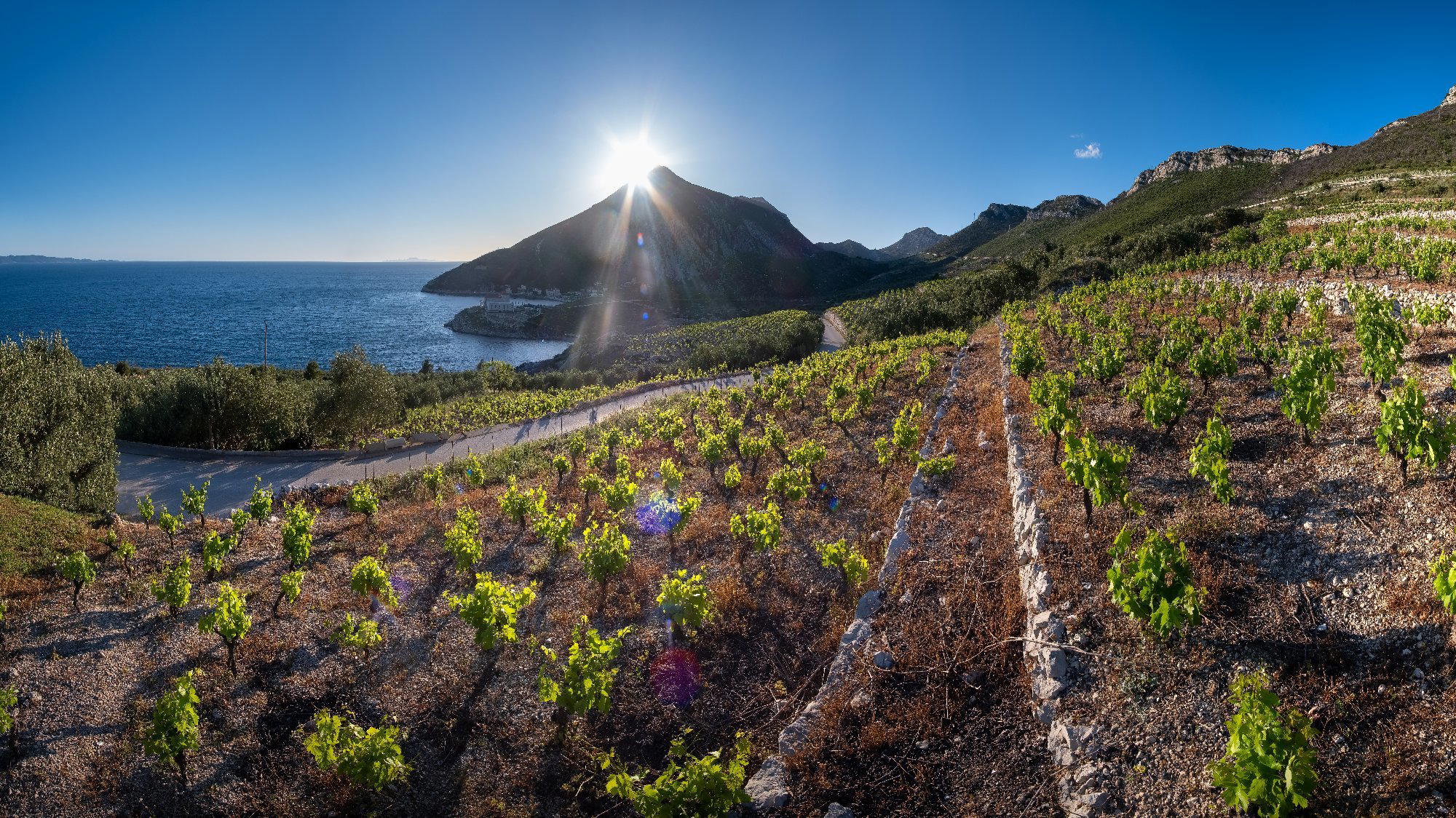
To understand where a restaurant like Vidrovača POP sits in the regional picture, it helps to understand what the sourcing question means on this specific coastline. Croatian Adriatic cuisine has always operated on a split between the sea and the land behind it, and the leading local tables resolve that split by working both sides: fish and shellfish from the immediate waters, lamb and cheese from the Dalmatian interior, olive oil pressed from groves that run down to the shoreline. The geography of Dalmatia is, in effect, a short supply chain, and the restaurants that read that geography correctly rarely need to import anything essential.
At the level occupied by Šibenik's Pelegrini, that sourcing logic gets applied with significant technical ambition: the kitchen uses the same regional inputs but processes them through a contemporary framework that has drawn sustained recognition from the European dining press. Vidrovača POP operates at a different register, less formal, more directly embedded in the cove itself, but the underlying sourcing premise is the same. What changes is the scale of the statement being made around the food.
Further afield along the Croatian coast, the pattern repeats with local variations. Boskinac in Novalja on Pag island anchors its kitchen in the produce and wines of Pag itself, making its insularity a deliberate competitive position. LD Restaurant in Korčula draws from the vineyards and olive terraces of the island's interior. The through-line in each case is that the leading Croatian coastal restaurants treat the administrative border of their sourcing zone as a virtue, not a limitation.
The Regional Tier: Where Bilice Sits
Croatia's restaurant hierarchy is more geographically distributed than the headline venues suggest. Dubrovnik's Restaurant 360 and the Istra-anchored Agli Amici Rovinj represent the high-formality, internationally-recognised tier. Below and alongside that level, a second tier of places operates with less ceremony but often with a more direct relationship to the ingredient itself. Bilice, as a settlement of modest scale between two larger coastal cities, sits in the territory where that second tier tends to do its most credible work.
Restaurants in this register rarely compete on tasting-menu architecture or sommelier depth. They compete on the quality of the raw material and the honesty of the preparation. In Dalmatia, that means fish handled simply, grilled over wood, finished with the local oil, served close to the moment of catch. It means lamb from the stone-pasture interior treated with a minimum of intervention. The format is closer to the working konoba tradition than to the modern Mediterranean fine-dining model that venues like Krug in Split represent, though the two traditions increasingly borrow from each other.
For context on how coastal Croatian sourcing compares with international benchmarks at the technical extreme, the fish-first philosophy at work in Dalmatia shares conceptual ground with the kitchen discipline at Le Bernardin in New York City, where the sourcing decision and the minimal-intervention principle are treated as inseparable. The scale and the formality are entirely different, but the underlying argument about what makes seafood worth eating is the same.
Planning a Visit to Vidrovača POP
Readers planning a wider Dalmatian itinerary will find relevant context in our full Bilice restaurants guide, as well as in coverage of nearby addresses including Burin in Crikvenica, Bodulo in Pag, and BioMania Bistro Bol in Bol. For inland Croatian dining at a comparable level of sourcing seriousness, Korak in Jastrebarsko and Dubravkin Put in Zagreb both apply the farm-to-table premise with notable rigour. Those making the Kvarner coast part of the same trip should consider Cubo in Opatija, Nebo by Deni Srdoč in Rijeka, and Alfred Keller in Mali Lošinj. For a different coastal sourcing model further north, Cantilly Garden Restaurant in Samobor and Atomix in New York City both demonstrate what committed sourcing programs look like when scaled to high-volume, high-recognition contexts.
Frequently asked questions
Is Vidrovača POP child-friendly?
Vidrovača POP sits in Uvala Vidrovača, a bay setting in Bilice that typically suits families with older children who can manage an outdoor or waterside environment. No formal children's menu is documented, so parents with younger children should check the venue's official channels before visiting. The bay location itself, away from heavy traffic and tourist crowds, makes the setting relaxed rather than hectic.
How would you describe the vibe at Vidrovača POP?
The address, Uvala Vidrovača bb in Bilice, places this restaurant on a cove along one of the quieter stretches of Dalmatian shoreline, between Šibenik and Split. That geography shapes the atmosphere more than any interior design decision: this is a spot where the pace is set by the water, not a city dining room. Expect something closer to a local's lunch in a working bay than a polished resort terrace.
Is Vidrovača POP worth visiting if I'm based in Šibenik or Split for the day?
Bilice sits roughly ten kilometres from Šibenik by road, making Vidrovača POP a realistic detour rather than a dedicated destination trip. The venue's bay address at Uvala Vidrovača bb puts it off the main coastal tourist circuit, which is precisely the reason to factor it into a Šibenik day rather than default to the city's waterfront restaurants. Travellers based in Split face a longer drive but gain access to a stretch of the Dalmatian coast that sees considerably less pressure than Hvar or Trogir.
What should I eat at Vidrovača POP?
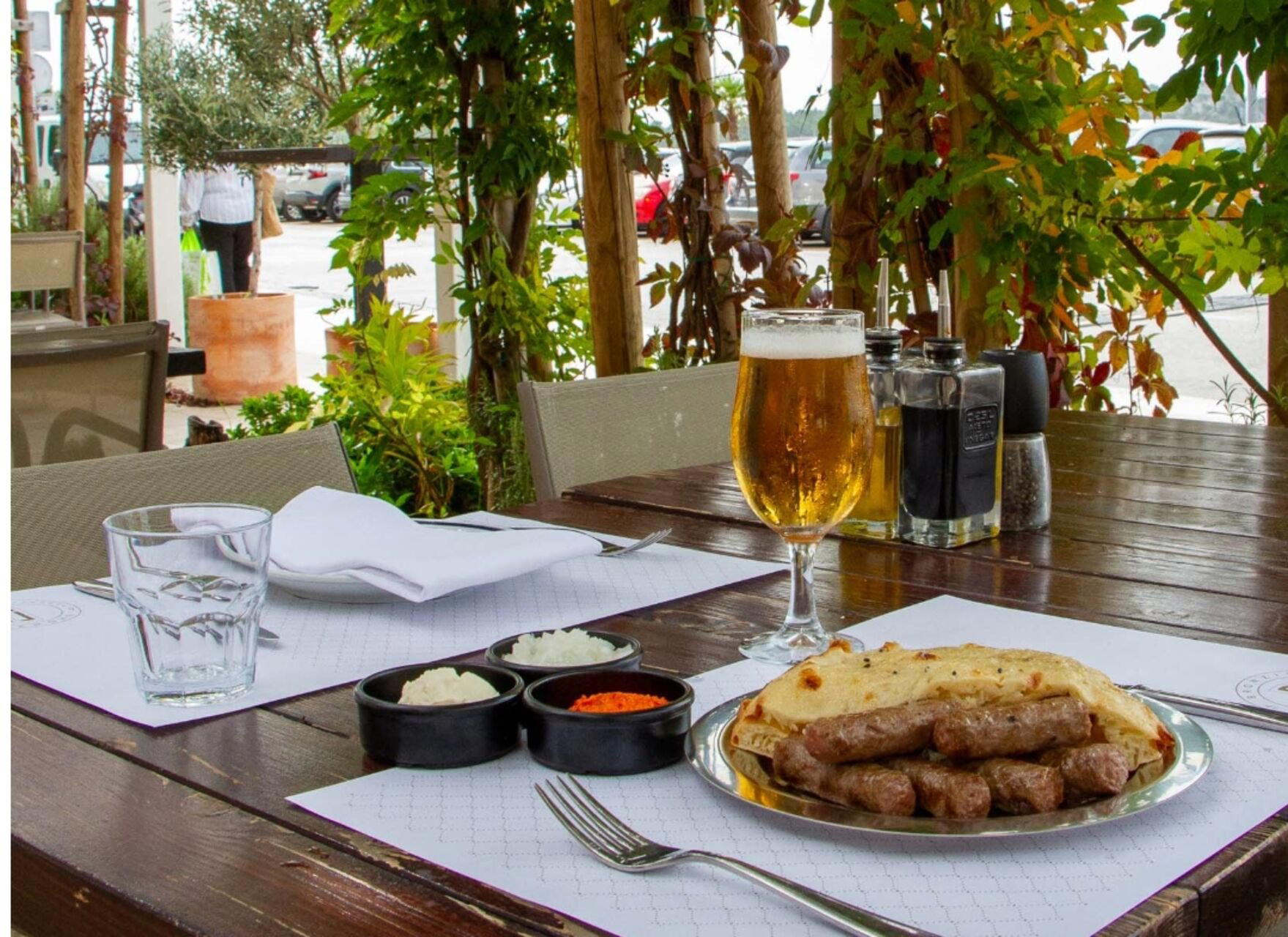
No specific menu has been publicly documented for Vidrovača POP, but the restaurant's position in Bilice, a coastal settlement in the Šibenik-Knin County, places it squarely in Dalmatian seafood territory. That means the regional framework typically runs to fresh-caught Adriatic fish, shellfish from local waters, and preparations built around olive oil, herbs, and simplicity rather than elaboration. Confirming current offerings directly with the venue before visiting is advisable.
In Context: Similar Options
| Venue | Cuisine | Price | Awards | Notes |
|---|---|---|---|---|
| Vidrovača POPThis venue (the venue you are viewing) | Dalmatian Seafood Tavern | Not listed | Not listed | Not listed |
| Pelegrini | Modern Dalmatian Fine Dining | $100–150 | 1 Michelin Star · La Liste Top Restaurants | Mediterranean, Modern Cuisine |
| Restaurant 360 | Modern Mediterranean with Asian and French Influences | $200–300 | 1 Michelin Star · La Liste Top Restaurants | International, Modern Cuisine |
| Foša | Modern Seafood | $50–100 | Michelin Plate | Croatian, Classic Cuisine |
| Nautika | Traditional Mediterranean Seafood | $100–150 | Michelin Plate · Star Wine List | Modern European, Classic Cuisine |
| Agli Amici Rovinj | Modern Mediterranean Fine Dining | $200–300 | 2 Michelin Stars · La Liste Top Restaurants | Italian Contemporary |
Continue exploring
More in Bilice
Restaurants in Bilice
All restaurants in Bilice →
Bars in Bilice
Browse all →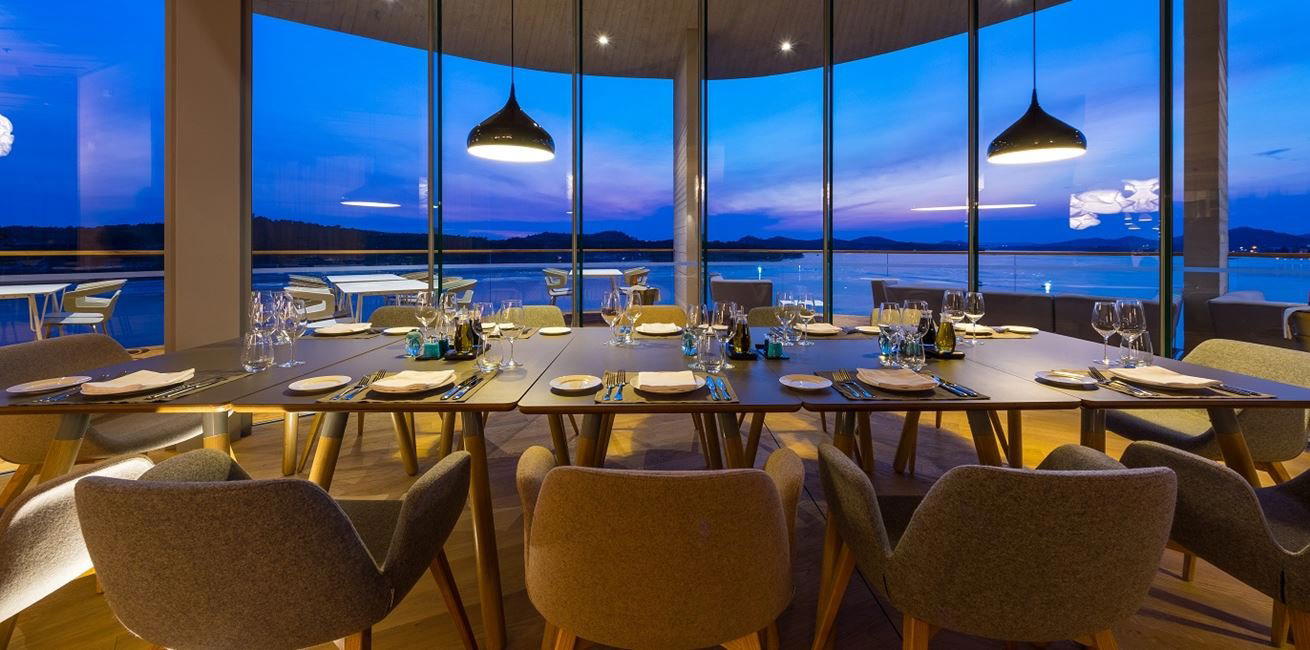

Details
- Rustic
- Scenic
- Group Dining
- Casual Hangout
- Waterfront
- Extensive Wine List
- Local Sourcing
- Waterfront
- A La Carte
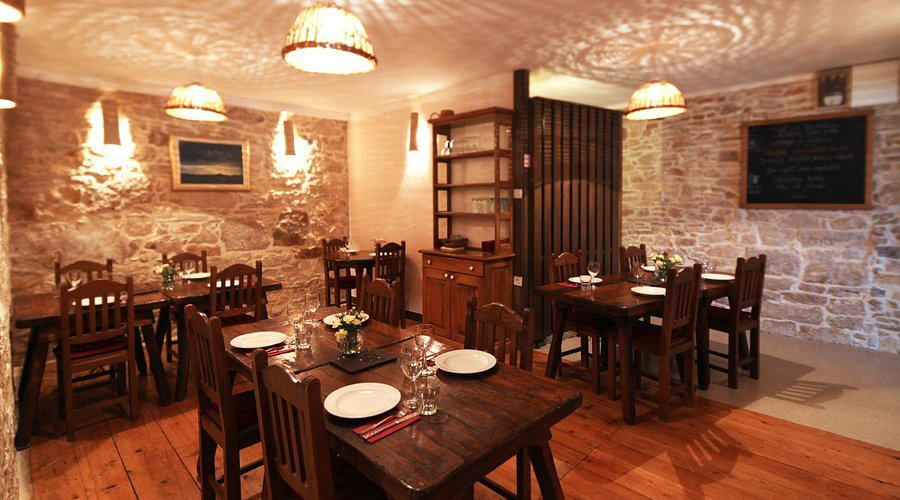
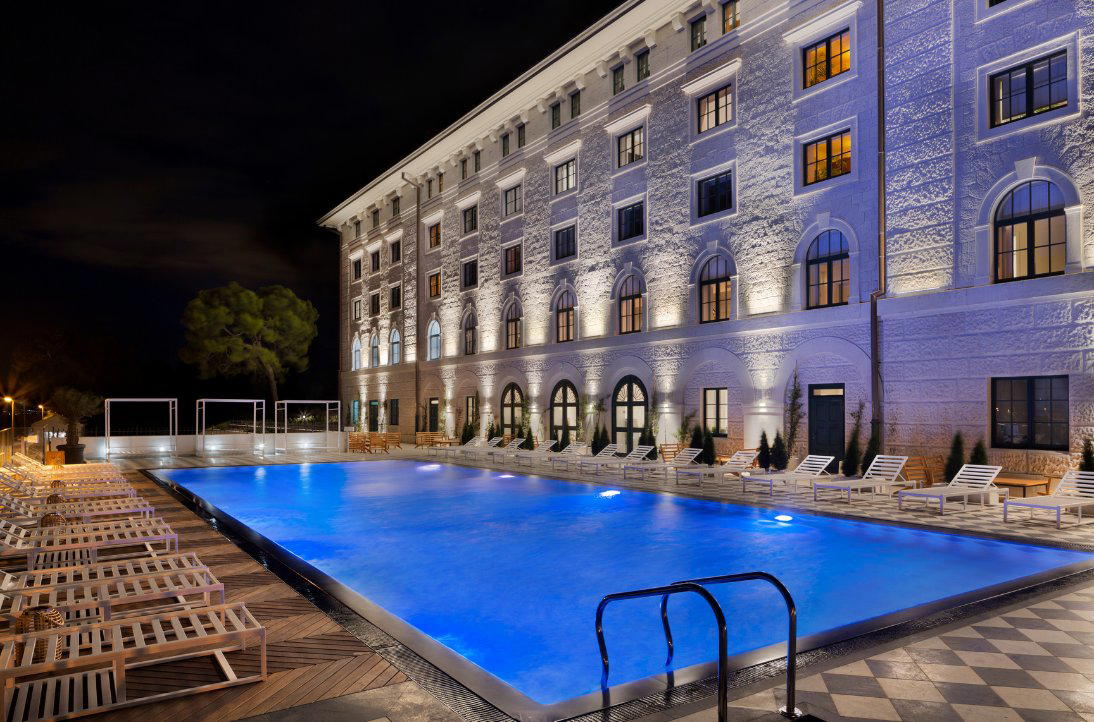
Rustic coastal atmosphere in a scenic bay setting.