Our verdict
Cantinetta sits on Aleja skradinskih svilara in Skradin, a small Dalmatian town at the mouth of the Krka river canyon, where the dining culture runs toward locally caught fish, river crayfish, and the slow-cooked lamb and veal traditions of the Dalmatian hinterland. The restaurant occupies a town whose scale keeps it off the main Dalmatian tourist circuit, placing it in a quieter tier of Croatian dining worth seeking out.

Pearl is the En Primeur Club membership app, where members save venues, book tables and use the concierge.
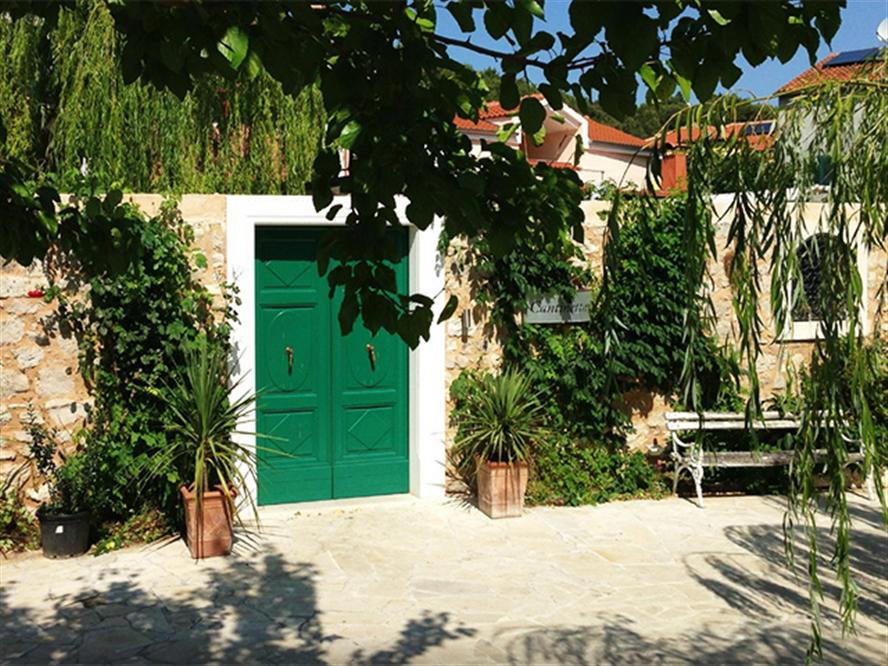
Where the River Meets the Table: Dining in Skradin
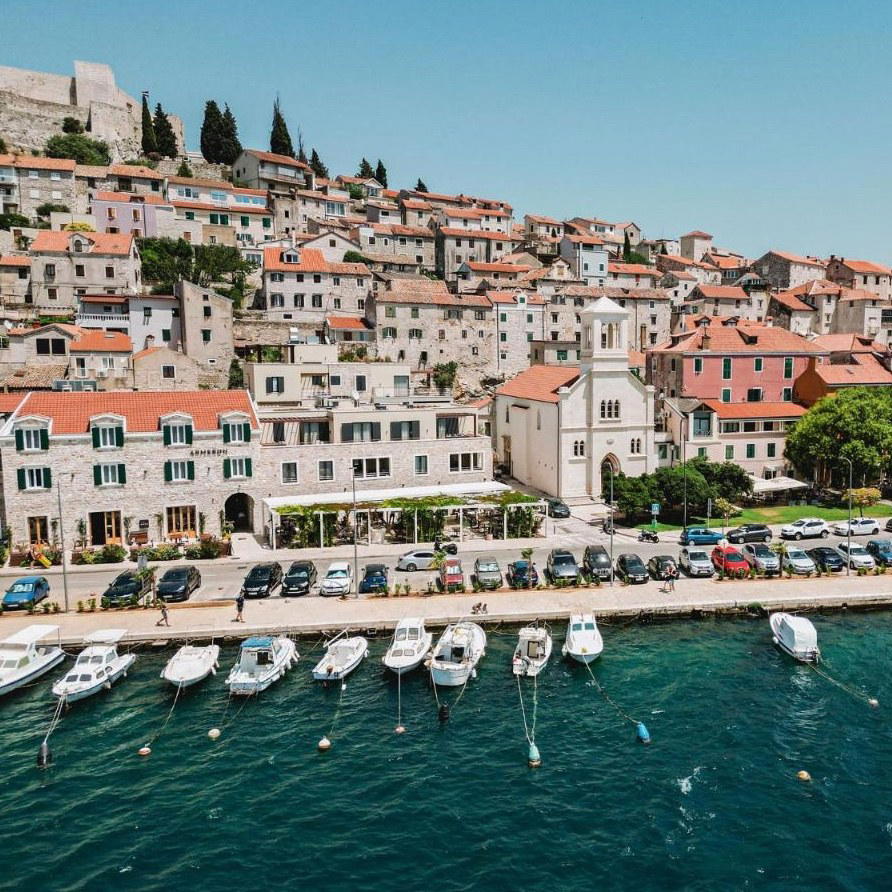
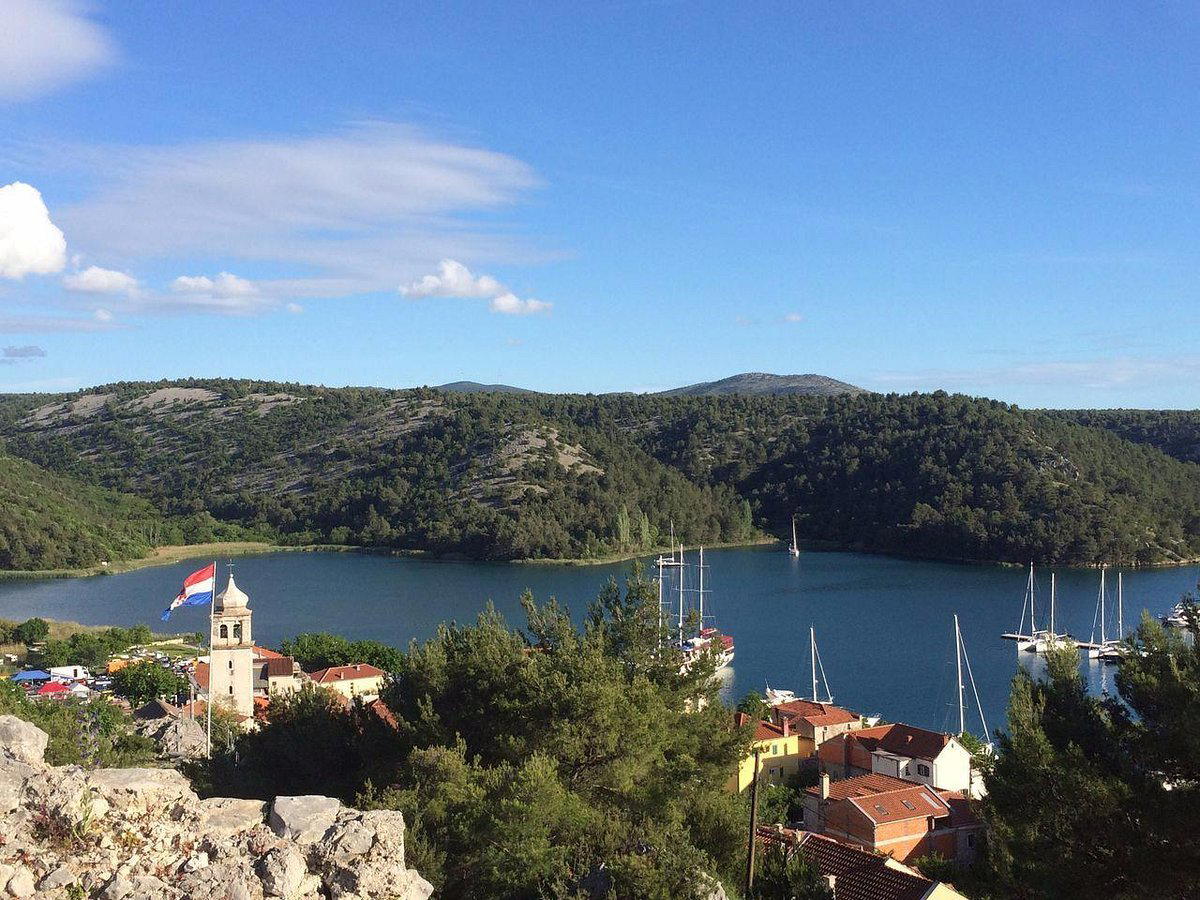
Skradin is not the kind of Croatian town that announces itself. It sits at the point where the Krka river slows and widens before the national park begins in earnest, and its stone-built waterfront holds fewer than two thousand permanent residents. That scale is precisely what shapes its dining culture. Without the hotel infrastructure of Split or the cruise-ship economy of Dubrovnik, the restaurants here draw largely from a local and regional pool: Dalmatian fishermen, farmers from the Šibenik hinterland, and the steady traffic of visitors arriving by boat or from the Krka park entrance nearby. Cantinetta, addressed at Aleja skradinskih svilara 7, sits within that context, a town where the dining proposition is rooted in place rather than built for export.
The Dalmatian Table and What It Means in a River Town
Understanding what Cantinetta represents requires some grounding in the broader Dalmatian culinary tradition. Dalmatia is often reduced, in international shorthand, to grilled fish and olive oil. That reading is accurate but incomplete. The coastal towns operate within a layered set of food traditions that split meaningfully between the coast and the Zagora, the hinterland stretching inland from the Adriatic. On the coast, the emphasis is on the sea: fresh catch prepared simply, wine-braised shellfish, and brodetto, the slow-cooked fish stew that varies village by village. In the Zagora, the dominant register shifts toward lamb roasted under the peka (a bell-shaped iron lid buried in embers), slow-braised veal, and cured meats from the Dalmatian highlands.
Skradin occupies a transition point between these two traditions. The Krka river historically supplied the town with freshwater fish and crayfish, the river crayfish of this region were once famous enough to be traded regionally, while the proximity to the Šibenik hinterland kept the lamb and veal traditions close. A restaurant in Skradin that engages seriously with this dual inheritance is doing something more specific than a typical coastal konoba, and that specificity matters when placing Cantinetta in the context of Croatian dining more broadly. Compare this with Pelegrini in Sibenik, which operates at the upper end of regional Dalmatian fine dining, or with Boskinac in Novalja, which anchors its identity in Pag island ingredients. Cantinetta, by contrast, operates in a town where the hospitality scale is smaller and the sourcing geography is hyper-local by necessity rather than by marketing choice.
Skradin Within Croatian Fine Dining
Croatia's restaurant tier has developed substantially since the country's EU accession in 2013, with a cluster of internationally recognized addresses emerging along the coast and in Zagreb. Agli Amici Rovinj in Rovinj holds Michelin recognition and positions itself within Italian-Istrian culinary continuity. Nebo by Deni Srdoč in Rijeka brought contemporary tasting-menu culture to Kvarner. Restaurant 360 in Dubrovnik operates at the high-price, high-spectacle end of the Adriatic dining spectrum. LD Restaurant in Korčula anchors the island's upper-tier hospitality. Further north, Alfred Keller in Mali Lošinj and Korak in Jastrebarsko each represent regional expressions of Croatian fine dining in smaller, less-trafficked settings.
What these addresses share is a clear positioning relative to their peer sets: awards, price anchors, or format signals that allow a reader to calibrate expectations immediately. Cantinetta's public record does not, at this point, include those calibration signals, no price band, no award tier, no published menu. That absence is not unusual for smaller Dalmatian restaurants operating primarily within the local and regional market, where walk-in trade and word-of-mouth carry more weight than digital presence. For the visitor arriving from outside the region, it means the due-diligence approach is slightly different: contact in advance, or look to local operators and boat tours (the most common entry point for Skradin's visitors) for current recommendations. The other Skradin addresses worth checking alongside Cantinetta include Bonaca and Konoba Dalmatino, both of which operate in the same town and offer points of comparison for understanding the local dining range. Our full Skradin restaurants guide covers the town's options in more detail.
Getting There and Planning Your Visit
Skradin is reachable by car from Šibenik in under twenty minutes via the D8 coastal road, or from the Split direction along the A1 motorway with a turn toward Skradin from the Šibenik junction. Visitors arriving for the Krka National Park frequently use Skradin as the entry point, with boats departing from the town waterfront to the park's main falls. That boat traffic makes summer afternoons in Skradin busier than the town's scale might suggest, and lunch service at popular addresses can fill early in July and August. Arriving at opening or planning for an early-evening table is the practical approach during peak season. Skradin's position also makes it a reasonable base for day trips to Šibenik, where the Cathedral of St. James (a UNESCO site) anchors a small but increasingly serious restaurant scene.
For travelers building a broader Croatian itinerary around serious eating, the logical extensions from Skradin run north toward Istria, San Rocco in Brtonigla and EatIstria in Pluj anchor that region's dining identity, or south toward Dubrovnik and the islands. In Zagreb, Dubravkin Put and Krug in Split each represent the urban end of Croatian dining. For reference points outside Croatia entirely, the discipline of place-rooted cooking that defines the best of Dalmatia's smaller restaurants shares a structural kinship with what Lazy Bear in San Francisco does with Northern California ingredients, or what Le Bernardin in New York City achieves with seafood specificity, the difference being that Skradin operates at a fraction of those price points and without any of the institutional apparatus.
If you are in or near Skradin, also worth exploring is Humska Konoba in Hum, which offers a similarly rooted, village-scale experience in Istria's smallest town, providing useful contrast with the Dalmatian approach.
Frequently asked questions
Can I bring kids to Cantinetta?
Skradin's dining culture runs toward the relaxed end of the Croatian spectrum, and family meals are standard practice in the town's restaurants. Cantinetta sits on Aleja skradinskih svilara in a town that draws a broad mix of visitors through Krka National Park, meaning the audience here is far from exclusively adult.
How would you describe the vibe at Cantinetta?
Skradin operates at the unhurried, locally embedded end of Croatian dining rather than the award-tracked, polished tier associated with Zagreb or Dubrovnik. Cantinetta is on Aleja skradinskih svilara, a street name that references the town's historical silk production, which gives the setting a layer of local specificity that tourist-facing restaurants rarely have. Expect a pace shaped by the river town itself rather than by international hospitality conventions.
Is Cantinetta a good option for exploring specifically Šibenik-region food traditions?
Skradin sits at the boundary between the Šibenik hinterland and the Krka river system, which means the cooking in this town draws on both coastal Dalmatian produce and the inland traditions of the Zagora region. That intersection is relatively underrepresented in Croatian food coverage, which tends to focus on Split and Dubrovnik. Cantinetta's address on Aleja skradinskih svilara places it inside a town with documented historical ties to trade and craft, adding context that goes beyond standard seaside dining.
What's the signature dish at Cantinetta?
No specific dishes are confirmed in the public record for Cantinetta. In the wider Dalmatian tradition, restaurants in river-mouth towns like Skradin draw on both freshwater and coastal sources, with lamb, river fish, and slow-cooked inland preparations appearing regularly at this latitude. check the venue's official channels for current menu specifics.
Where exactly is Cantinetta?
Cantinetta is located at Aleja skradinskih svilara 7, 22222, Skradin, Croatia, Skradin.
Should I book Cantinetta in advance?
Book ahead between June and September, when Skradin functions as the primary entry point for Krka National Park and visitor numbers push well beyond the town's year-round population. Outside peak season, the pressure is considerably lower, but given Cantinetta's address in a small town with limited restaurant options, calling ahead is practical regardless of when you visit.
Budget and Context
| Venue | Cuisine | Price | Awards | Notes |
|---|---|---|---|---|
| CantinettaThis venue (the venue you are viewing) | Traditional Skradin Mediterranean | Not listed | Not listed | Not listed |
| Pelegrini | Modern Dalmatian Fine Dining | $100–150 | 1 Michelin Star · La Liste Top Restaurants | Mediterranean, Modern Cuisine |
| Restaurant 360 | Modern Mediterranean with Asian and French Influences | $200–300 | 1 Michelin Star · La Liste Top Restaurants | International, Modern Cuisine |
| Foša | Modern Seafood | $50–100 | Michelin Plate | Croatian, Classic Cuisine |
| Nautika | Traditional Mediterranean Seafood | $100–150 | Michelin Plate · Star Wine List | Modern European, Classic Cuisine |
| Agli Amici Rovinj | Modern Mediterranean Fine Dining | $200–300 | 2 Michelin Stars · La Liste Top Restaurants | Italian Contemporary |
Continue exploring
More in Skradin
Restaurants in Skradin
All restaurants in Skradin →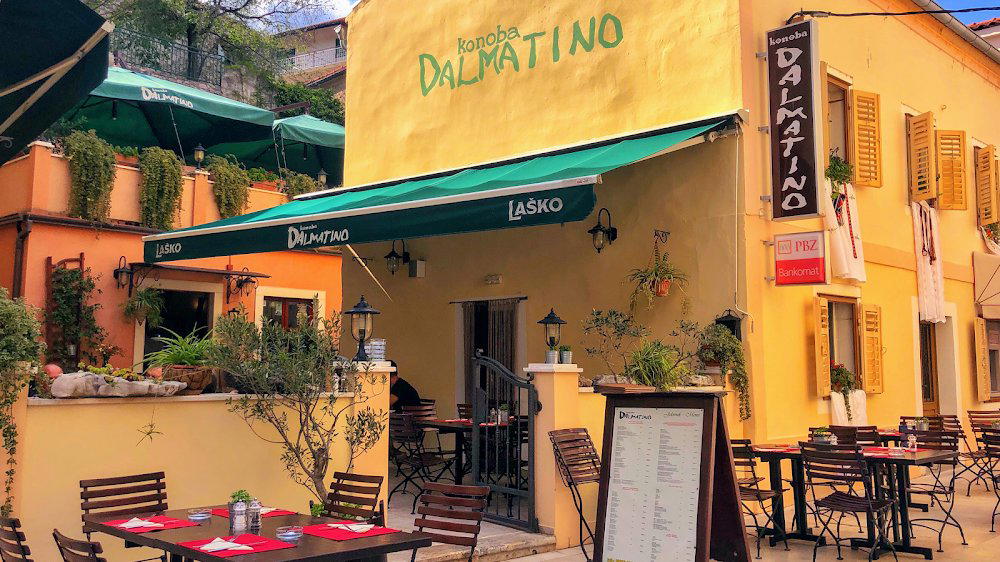
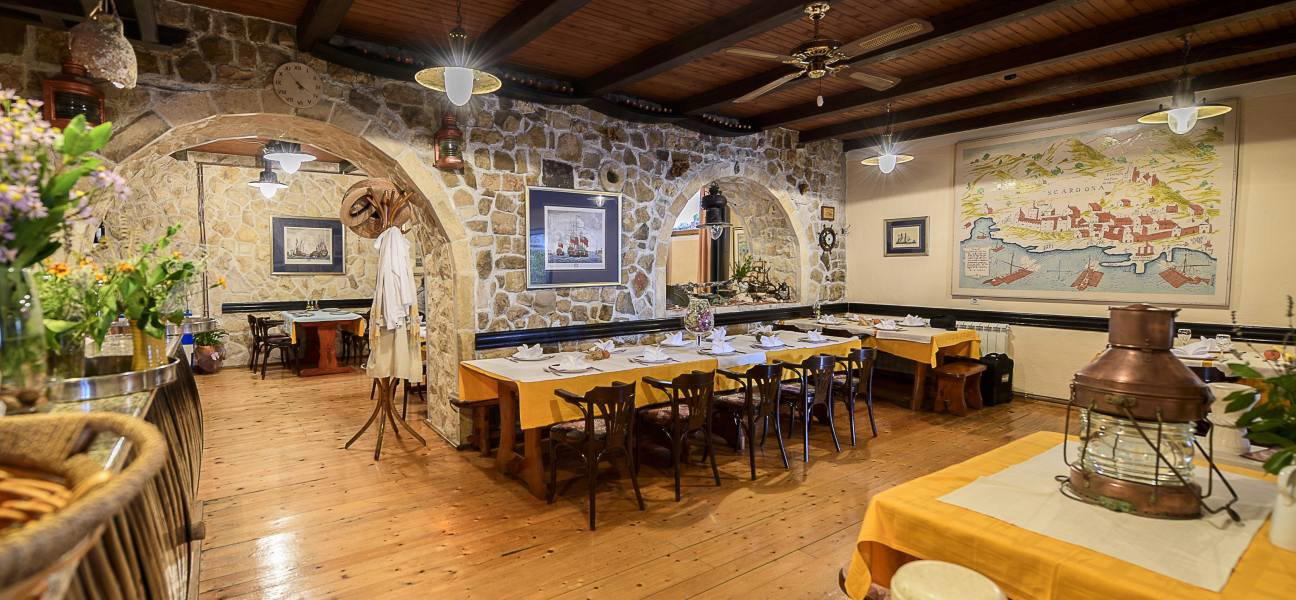
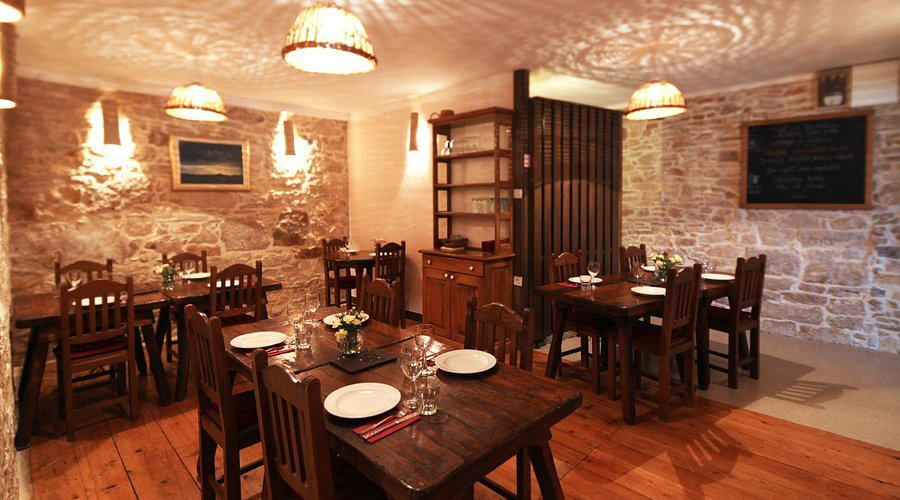
Bars in Skradin
Browse all →

Details
- Rustic
- Charming
- Family
- Group Dining
- Special Occasion
- Local Sourcing
- A La Carte
- Tasting Menu
- Vegetarian Friendly
- Vegan Options
- Gluten Free Options
Current opening hours
- Monday
- Closed
- Tuesday
- 12:30–11:30 PM
- Wednesday
- 12:30–11:30 PM
- Thursday
- 12:30–11:30 PM
- Friday
- 12:30 PM–12 AM
- Saturday
- 12:30 PM–12 AM
- Sunday
- 12:30–11:30 PM
Hours can change for holidays and private events. Hours as of .
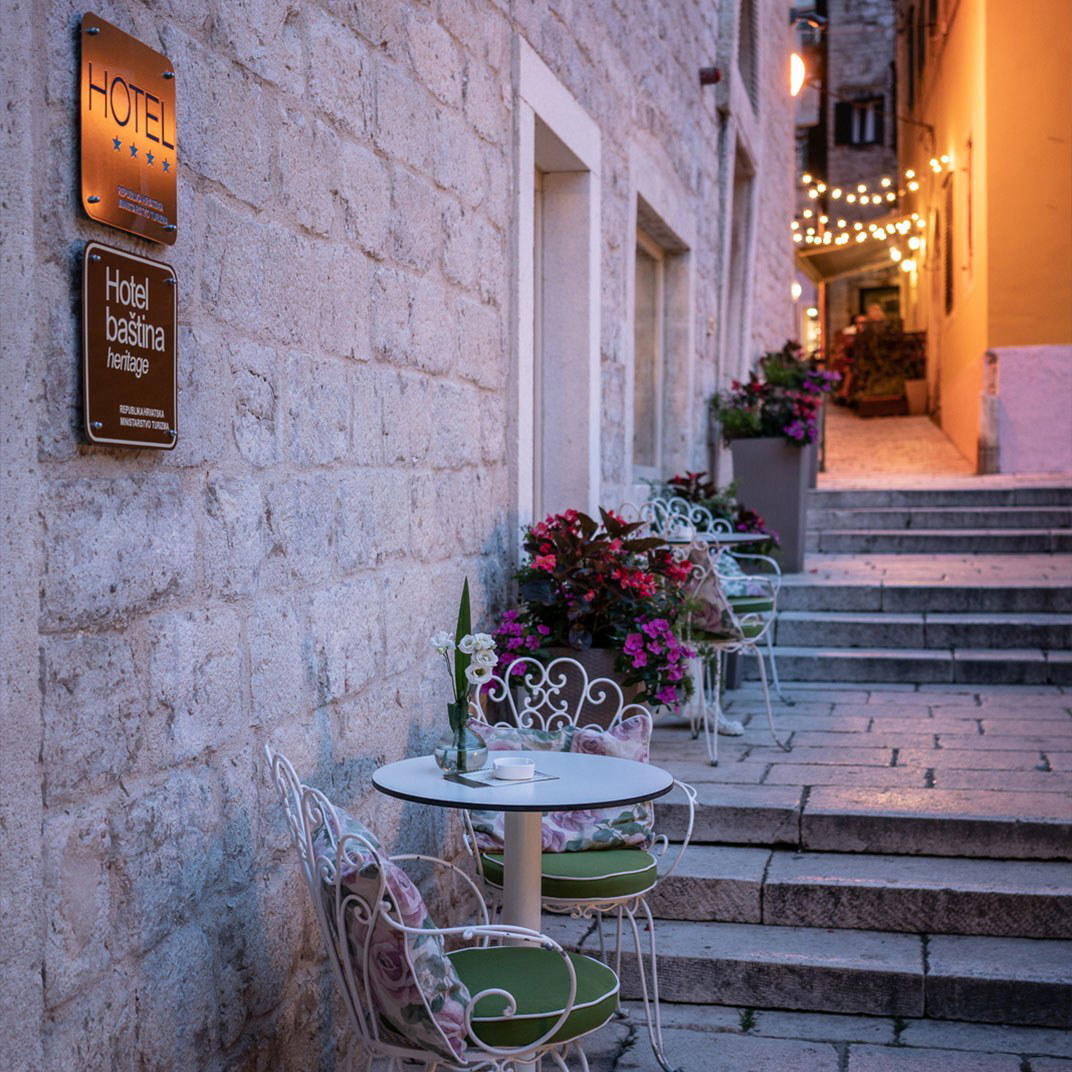
Warm hospitality in a pretty stone house with a beautiful outdoor setting tucked away from the harbor hubbub.