Tabelog 100
Our verdict
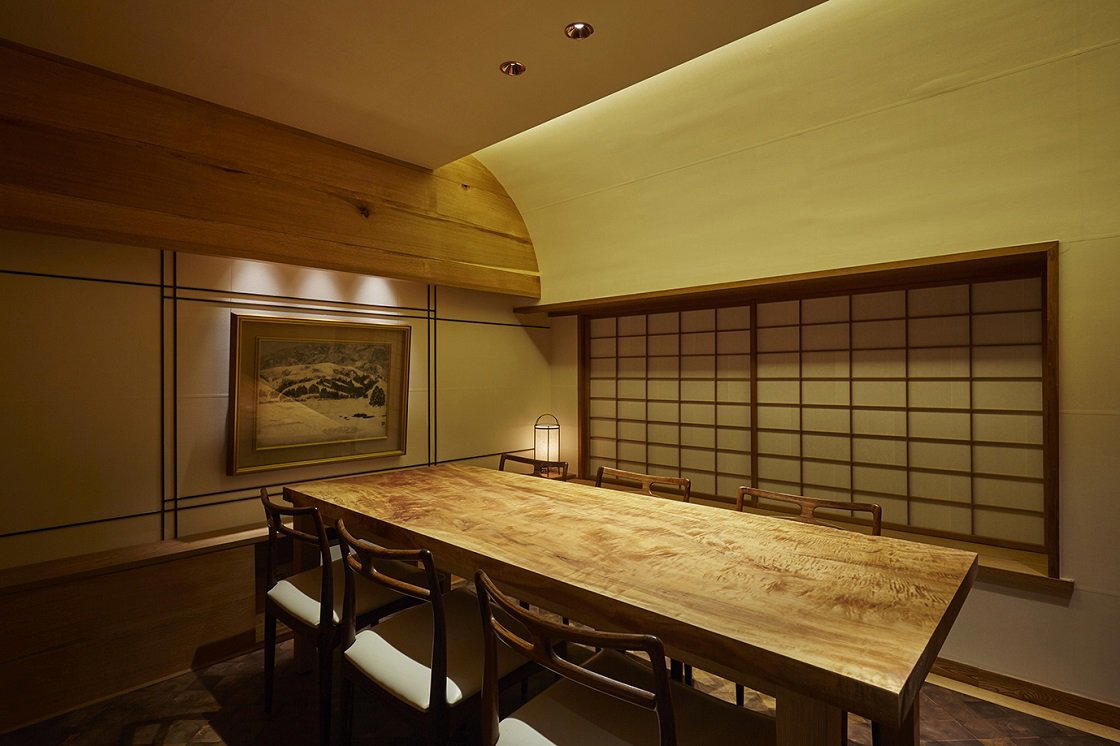
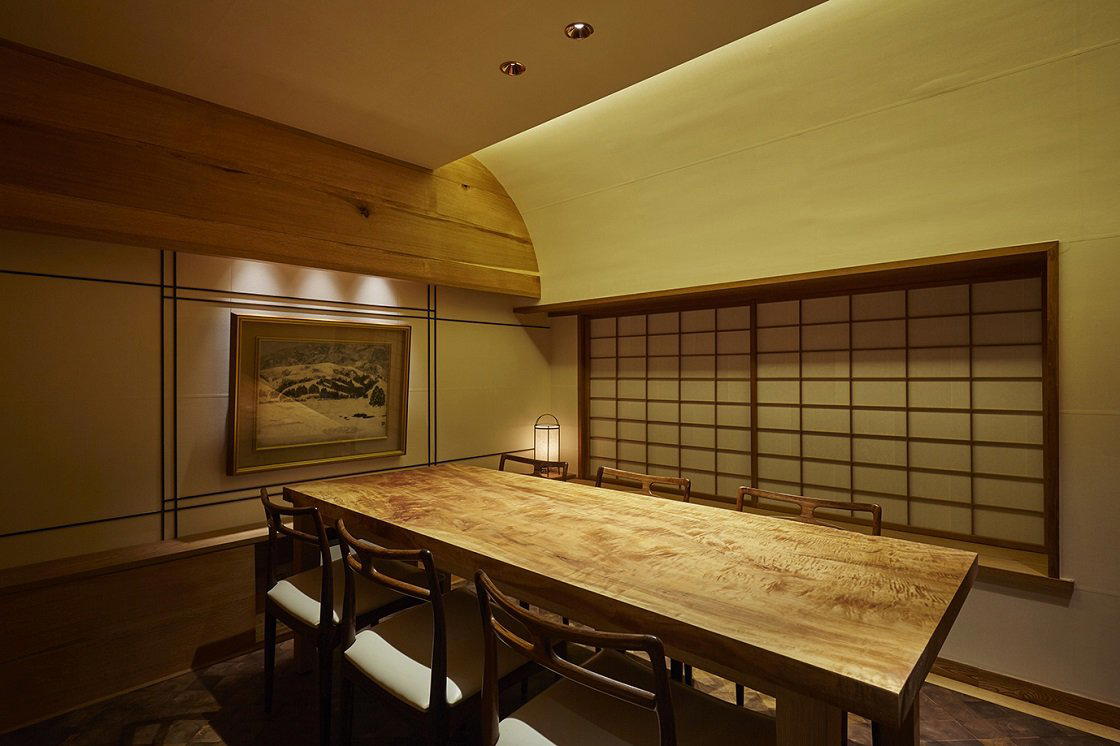
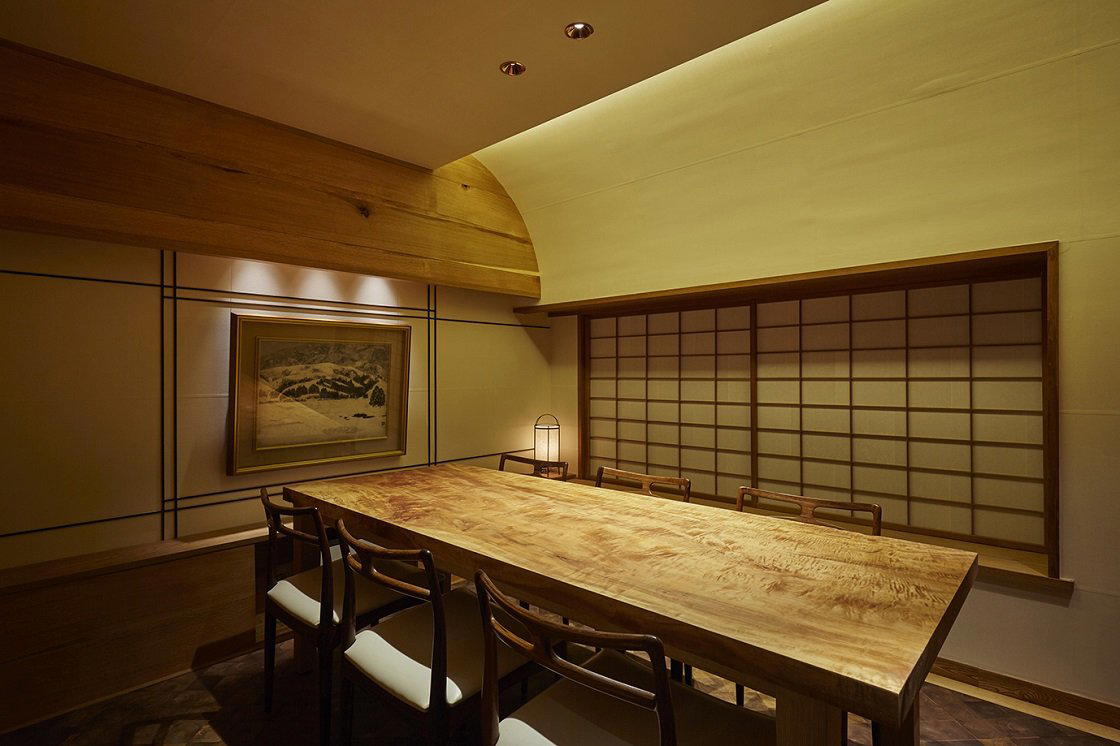
Victory places Osaka’s kissaten tradition in a compact Edobori setting: coffee-shop culture, sandwich-counter practicality, and the measured pace of a daytime room rather than a full restaurant performance. Its Tabelog 100 Kissaten selections in 2021 and 2022 give it a credible position within Japan’s old-school café category, especially for travelers tracing Osaka beyond takoyaki, ramen, and late-night izakaya circuits.

Pearl is the En Primeur Club membership app — saves, bookings, and concierge access live there. Same editors, same standards.
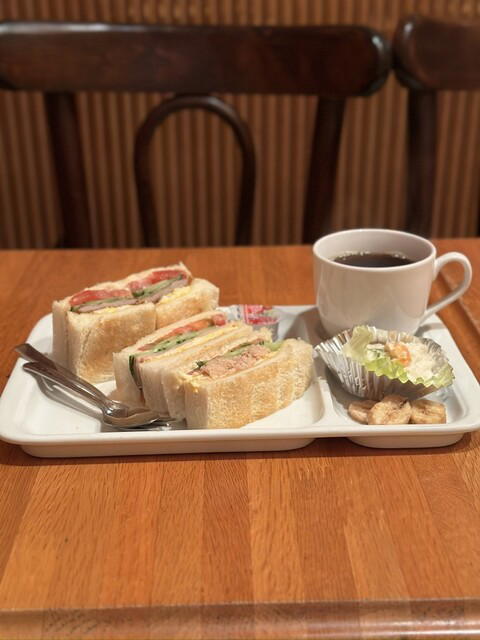
Osaka has a quieter register beyond its neon dining districts. The city can be workday-focused, transit-shaped, and more useful at midday than midnight, which matters for understanding its kissaten culture. These are not cafés built only around laptop sprawl or dessert theatrics. They belong to a Japanese coffee-shop tradition where the room, the counter rhythm, and the meal’s progression can feel deliberately compressed: coffee, sandwich, pause, exit back into the working city.
Victory sits inside that tradition rather than outside it. The category signal is precise: kissa, sandwich, café. In Osaka, that places it closer to daytime nourishment than destination dining, and closer to a small civic habit than a tasting-menu event. The recognition gives the format weight: selection for Tabelog 100 Kissaten in 2022 places it among a curated set for the genre, not merely among cafés competing for foot traffic.
A kissaten meal built as a short sequence, not a long lunch
The assigned arc here is modest by design. A kissaten meal does not need courses to create progression; it works through order and pacing. In this genre, the first decision is usually practical, the second is textural, and the final act is coffee or the lingering absence of hurry. That compact structure is why old Japanese coffee shops can feel more disciplined than many contemporary cafés. The experience is edited before it begins.
Victory’s place in that arc comes from its sandwich-and-café identity. Osaka has plenty of venues where the meal expands outward: udon counters, curry shops, small restaurants, standing bars, and department-store food halls all ask different things of the diner. A kissaten asks for compression. The pleasure is not abundance; it is the clean logic of a daytime stop that can sit between a cultural visit, a business meeting, or a walk through the city.
That makes the comparison within Osaka useful. Edobori Kida and Saboten Shokudo occupy other modest, tightly focused local dining lanes, while Udon Izakaya Edobori shifts toward a more evening-compatible, drink-friendly register. Ricuperare TAKEUCHI points to another small-restaurant mode, and La Fournee to the bakery layer that often supports Osaka’s daytime eating. Against that local mix, Victory reads as the kissaten option: time-specific, practical, and more tied to the Japanese coffee-shop lineage than to a full meal category.
Why Osaka's coffee-shop tradition rewards restraint
Osaka is often flattened into appetite-first shorthand, but its daytime dining culture has more range than that. The city’s kissaten rooms preserve an older urban rhythm: focused visits rather than open-ended sprawl, a measured tempo rather than counter spectacle, and a menu language that treats sandwiches and coffee as a complete proposition. This is not anti-luxury. It is a different standard of value, where reliability, scale, and a room’s social use matter as much as culinary ambition.
The trust signal is not decorative. Tabelog’s Kissaten 100 list is category-specific, so the recognition speaks to the format rather than forcing it into a restaurant hierarchy built for sushi, kaiseki, or French dining. The format also changes the stakes. A casual genre can feel selective without turning into a formal reservation chase. It also means the atmosphere is shaped by ordinary human tempo: arrivals, departures, the small pauses between plates and cups.
For travelers, the useful lens is not whether a kissaten can compete with Osaka’s headline restaurants. It cannot, and it should not be asked to. The better question is what part of the city it reveals. In Osaka, that answer is a quieter register: less performative than the city’s most famous entertainment zones, less retail-driven than its major shopping hubs, and more connected to daily lunch patterns around offices, cultural stops, walks, and transit nodes.
How to place it in an Osaka day
Victory works well as a daytime punctuation mark rather than the anchor of an itinerary. Pair it with other Osaka cultural stops, then use the meal as a reset before moving toward a broader restaurant plan. For a wider view of the city’s dining range, start with Our full Osaka restaurants guide, then compare casual formats across other Osaka dining rooms and small daytime counters.
The broader city planning layer matters too. Osaka’s food days often work better when restaurants, bars, hotels, and cultural stops are treated as one map rather than separate lists. Use Our full Osaka hotels guide, Our full Osaka bars guide, Our full Osaka wineries guide, and Our full Osaka experiences guide to build the rest of the day around geography instead of reputation alone.
Travelers extending the same editorial thread across Japan and beyond can compare how small-format dining changes by city: casual counters, coffee-shop rooms, bakery stops, and other compact dining formats all show how scale changes the rhythm of a meal. Victory belongs in that conversation because it keeps the focus narrow, practical, and rooted in the everyday habits of Osaka.
The editorial case for Victory is narrow and therefore strong: it gives Osaka travelers a category-specific look at kissaten culture in a city where daytime dining remains tied to workday rhythm. Go for the sequence, not spectacle. The reward is a small-format meal that explains a real piece of the city.
Frequently asked questions
What is the atmosphere like at Victory?
Victory reads through Osaka’s kissaten tradition rather than as a sprawling destination cafe. Its listed categories are kissa, sandwich, and cafe, and Tabelog selected it for its 100 Kissaten list in 2022.
What's the price range at Victory?
Pricing at Victory is listed as - JPY 999 JPY 1,000 - JPY 1,999 View spending breakdown.
What are the operating hours at Victory?
Operating hours for Victory are not specified in the provided venue details.
What is Victory known for?
Victory is known as an Osaka kissa, sandwich, and cafe venue recognized in Tabelog’s 100 Kissaten list in 2022.
Cost and Credentials
Nearby venues at a similar price tier for orientation.
| Venue | Cuisine | Price | Awards | Notes |
|---|---|---|---|---|
| VictoryThis venue (the venue you are viewing) | Sandwich shop / café | Not listed | Tabelog 100 | Not listed |
| Kyu Yamu Tetsudo | Osaka spice curry house | $10–20 | Tabelog 100 #25 | Kita, Osaka spice curry house |
| Manpuku Bakery | Not listed | $1–10 | Tabelog 100 #82 | Chūō, Japanese Neighborhood Bakery & Sandwich Shop |
| MAR | Creative cuisine | Not listed | Tabelog 100 #76 | Kita, Creative cuisine |
| Boulangerie Takagi | Not listed | $1–10 | Tabelog 100 #25 | Nishi, French-style bakery and pastry shop |
| Umeda Mix Juice Honten | Juice stand / mixed fruit juice | $1–10 | Tabelog 100 #24 | Kita, Juice stand / mixed fruit juice |
Recognition history
Dated appearances from independent guides and award organizations, with the underlying list record or original source where available.
Tabelog 100
Tabelog · Tabelog 100 - Kissaten - 2026
Full recognition history (2 entries)
Tabelog 100 #59 · No. 59
Tabelog · Tabelog 100 - Kissaten - 2022