Vicania
Morcote sits at the southern tip of Lake Lugano, where the Italian-Swiss border has shaped a culinary identity distinct from the rest of Switzerland. Vicania occupies that intersection, drawing on the Ticino region's produce traditions and its position within a village recognized as one of Switzerland's most architecturally preserved lakeside settlements. For travelers moving through the Swiss-Italian corridor, it represents a considered stop in a town that rewards that kind of attention.
Pearl is the En Primeur Club membership app — saves, bookings, and concierge access live there. Same editors, same standards.
- Address
- 6922 Morcote, Switzerland
- Phone
- +41919802414
- Website
- ristorantevicania.ch
- Directions
- Get directions
 Saves & bookings on Pearl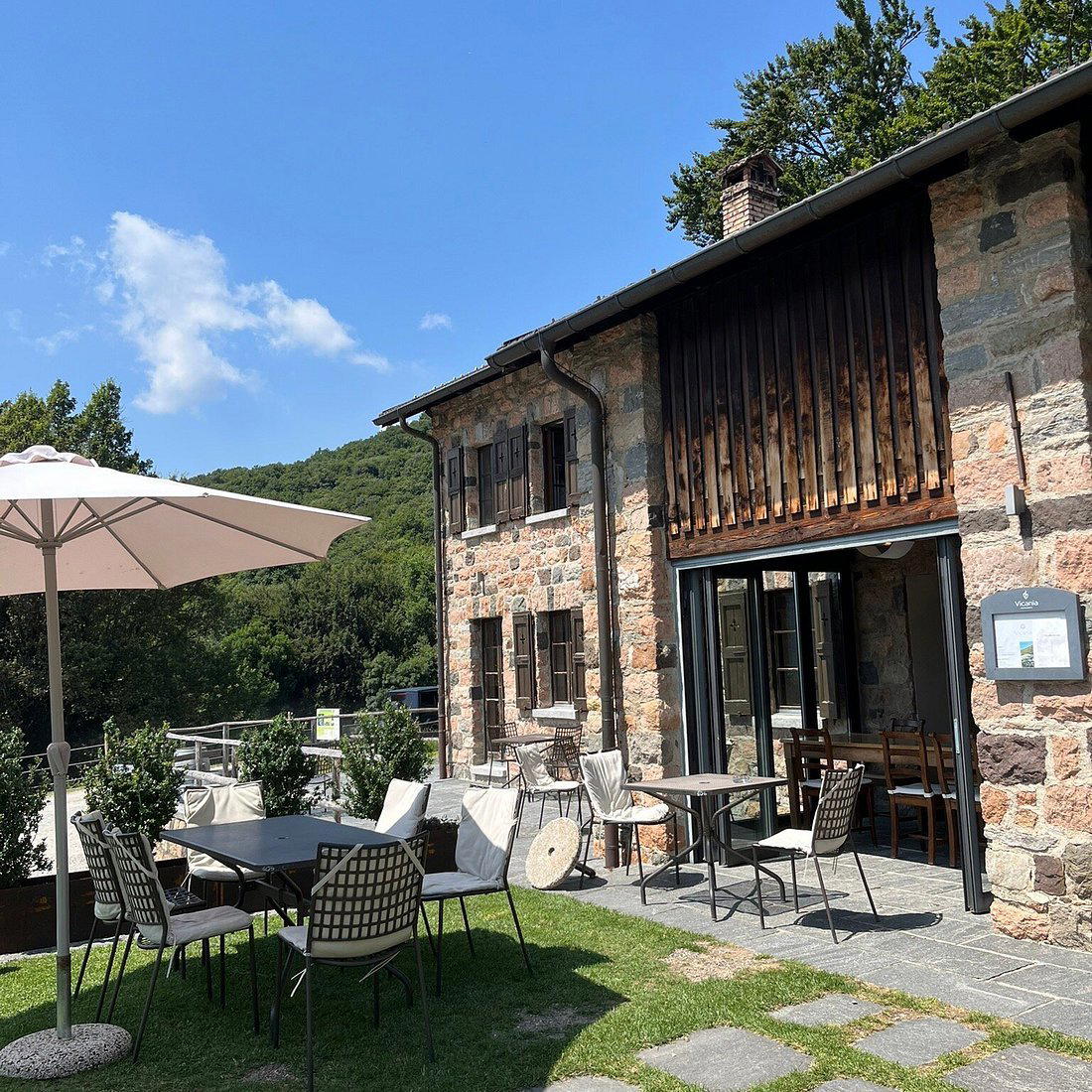
Where the Lake Meets the Plate: Dining in Morcote's Southern Register
Approach Morcote from the water and the village announces itself in tiers: arcaded stone walkways, rust-and-ochre facades, and a hillside church that dates to the fifteenth century. This is not a town that has been styled for tourism, it accumulated its character across centuries of trade between the Italian lake districts and the Swiss interior. That layered geography matters at the table. Ticino's position as Switzerland's only canton south of the Alps means its food culture pulls from a different source than Zurich or Basel: olive oil rather than butter, polenta alongside pasta, lake fish prepared with the restraint common to northern Italian lake cooking rather than the heavier Alpine traditions further north.
Vicania sits within this context. Morcote's restaurant scene is small and specific, the village draws visitors from Lugano and across the border, and the dining options reflect a scale that prioritises quality over volume. In a setting where a handful of addresses carry the full weight of the town's culinary reputation, each one operates with the awareness that provenance and place are as visible on the plate as they are through the window.
The Ticino Sourcing Tradition and Why It Shapes the Menu
The argument for ingredient sourcing as a primary editorial lens in Ticino is not abstract. The canton occupies a microclimate that allows for produce, chestnuts, wild mushrooms, lake perch, locally pressed olive oil from the Sottoceneri region, that has no direct equivalent in German-speaking Switzerland. The traditional cucina ticinese built itself around seasonal availability: polenta e brasato in autumn and winter, grilled lake fish and lake-grown vegetables in the warmer months. Restaurants in this register don't curate sourcing as a marketing position; they source locally because the supply chains have always run this way, and because the alternative, importing from further afield, simply produces a less coherent plate in a region where the local larder is this pronounced.
Lake Lugano itself supplies a distinct category of ingredient. Lavarello (whitefish), persico (perch), and trout from these cold, clear alpine waters carry a delicacy that suits preparations with minimal interference: a light braise, a slow poach, or simply grilled with local oil and herbs. Restaurants along the Lugano shoreline have built menus around this calendar for generations, and strong examples among them time their dishes to the lake's rhythms rather than to what's convenient to source year-round. For visitors arriving from the northern Swiss cities, where Hotel de Ville Crissier in Crissier or La Table du Lausanne Palace in Lausanne represent the formal French-influenced tier, Ticino's table reads as a different culinary argument entirely.
Morcote in the Swiss Fine Dining Conversation
Switzerland's fine dining map clusters around its cities. The three-Michelin-star tier is represented by places like Schloss Schauenstein in Fürstenau and Cheval Blanc by Peter Knogl in Basel, both operating within well-established frameworks of European haute cuisine. The newer generation, Memories in Bad Ragaz, focus ATELIER in Vitznau, IGNIV Zürich by Andreas Caminada in Zurich, tends toward a modern Swiss idiom with strong creative credentials. Ticino sits outside both of these dominant streams. Its restaurant culture is more closely aligned with the northern Italian lake tradition than with the Franco-Swiss or German-Swiss models, and that produces a different kind of dining experience: less formal, more overtly ingredient-driven, and grounded in a regional larder that the rest of Switzerland cannot replicate.
Within Morcote specifically, the competitive comparable set is narrow. Arbostora Charme represents the village's other notable address, and the two sit within a small bracket of restaurants that serve a clientele drawn from Lugano (roughly fifteen minutes by car or boat), the Swiss-Italian border zone, and visitors who have made the journey specifically for the village's preserved character. For the broader Ticino dining picture, La Brezza in Ascona offers a point of comparison further up the lake toward the Verbano. These are not restaurants competing on scale; they are competing on specificity.
The Setting as Context, Not Decoration
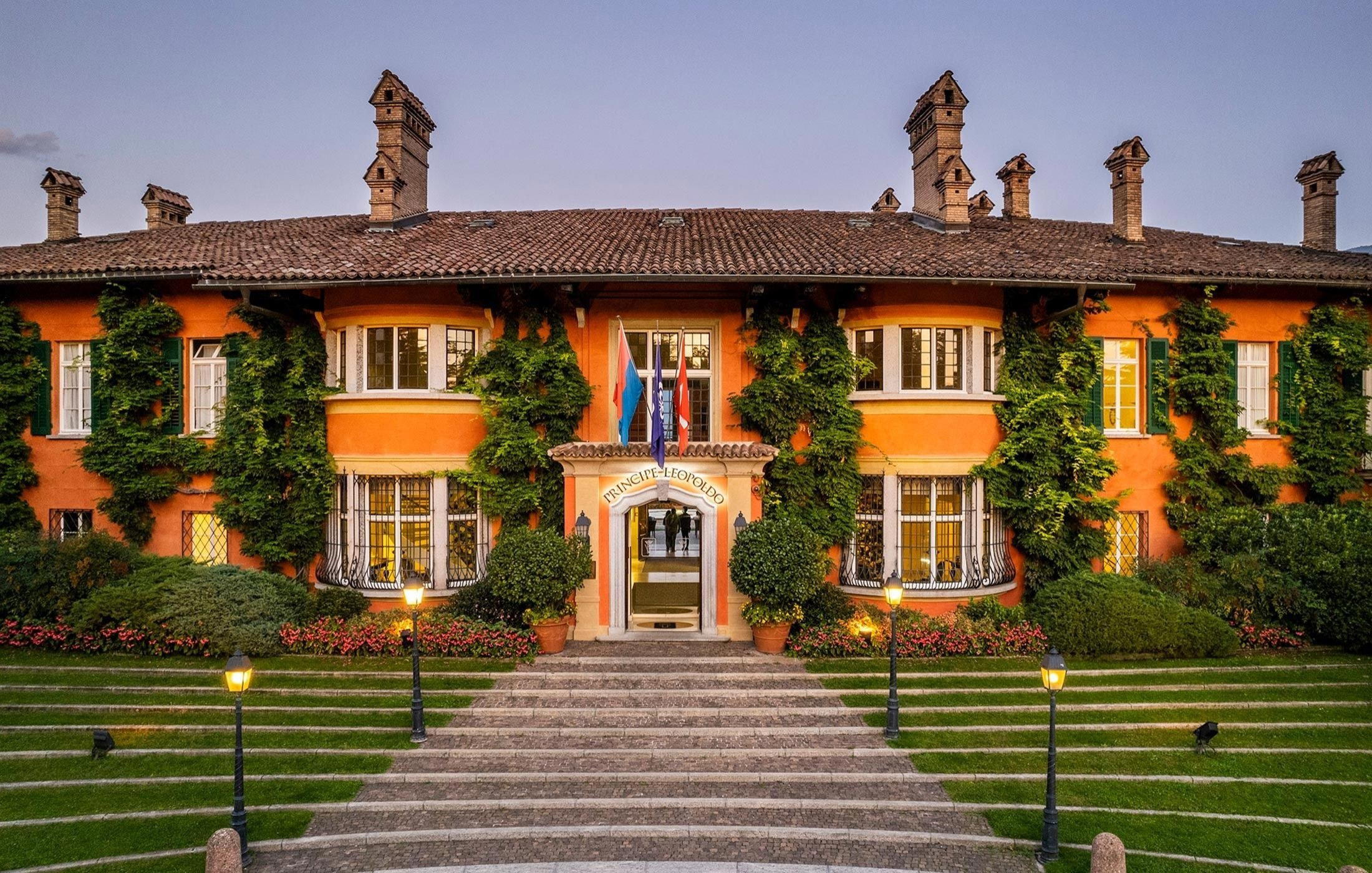
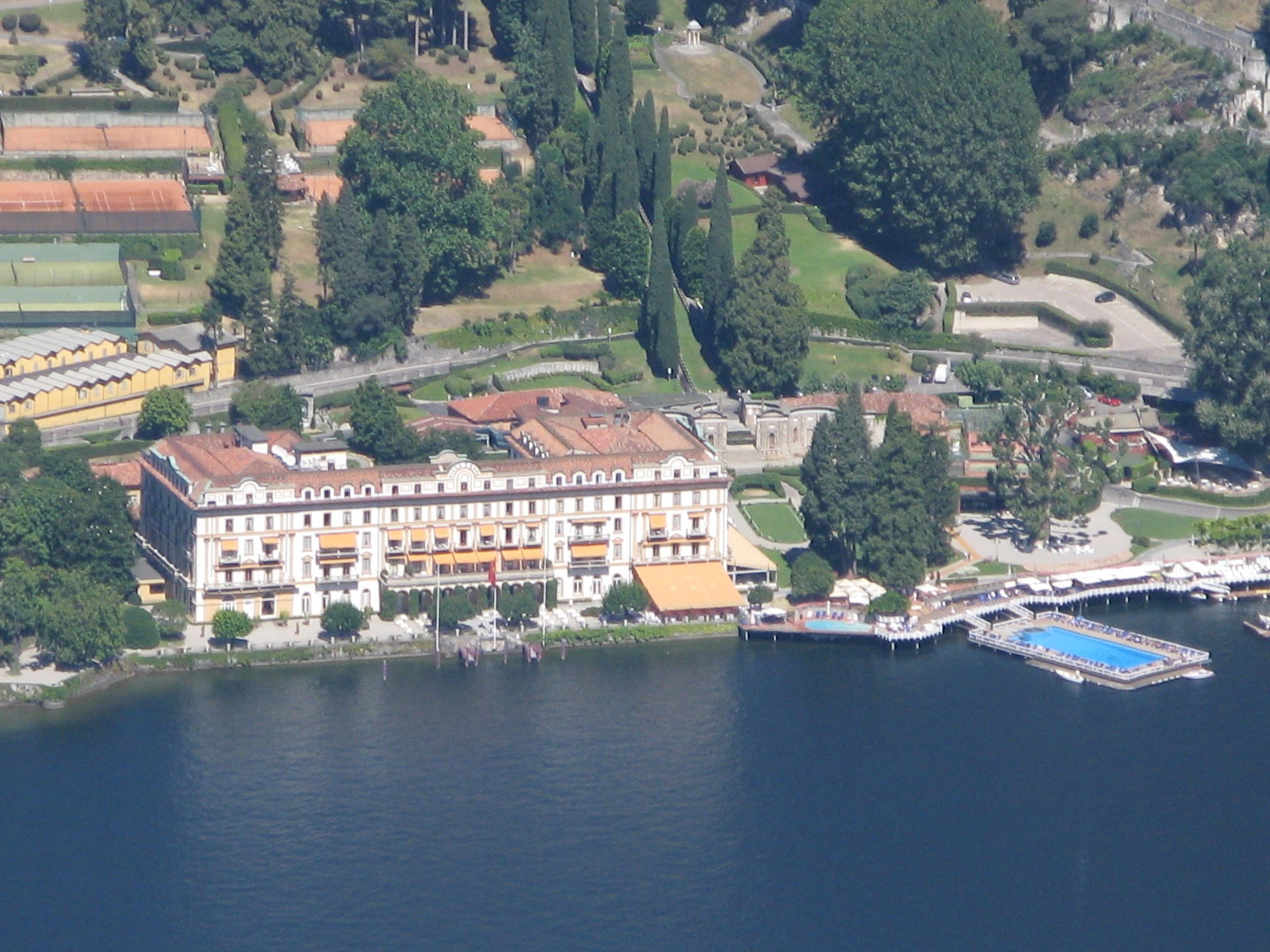
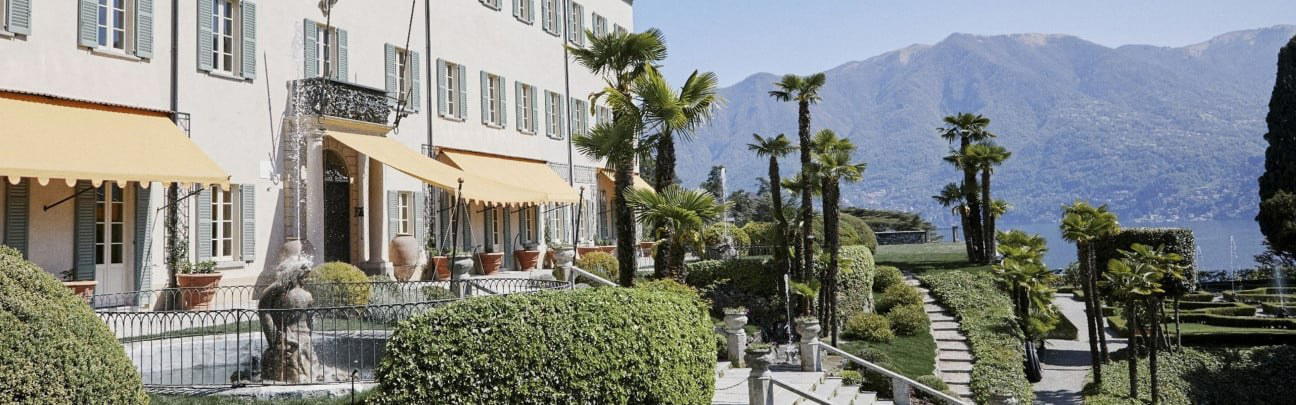
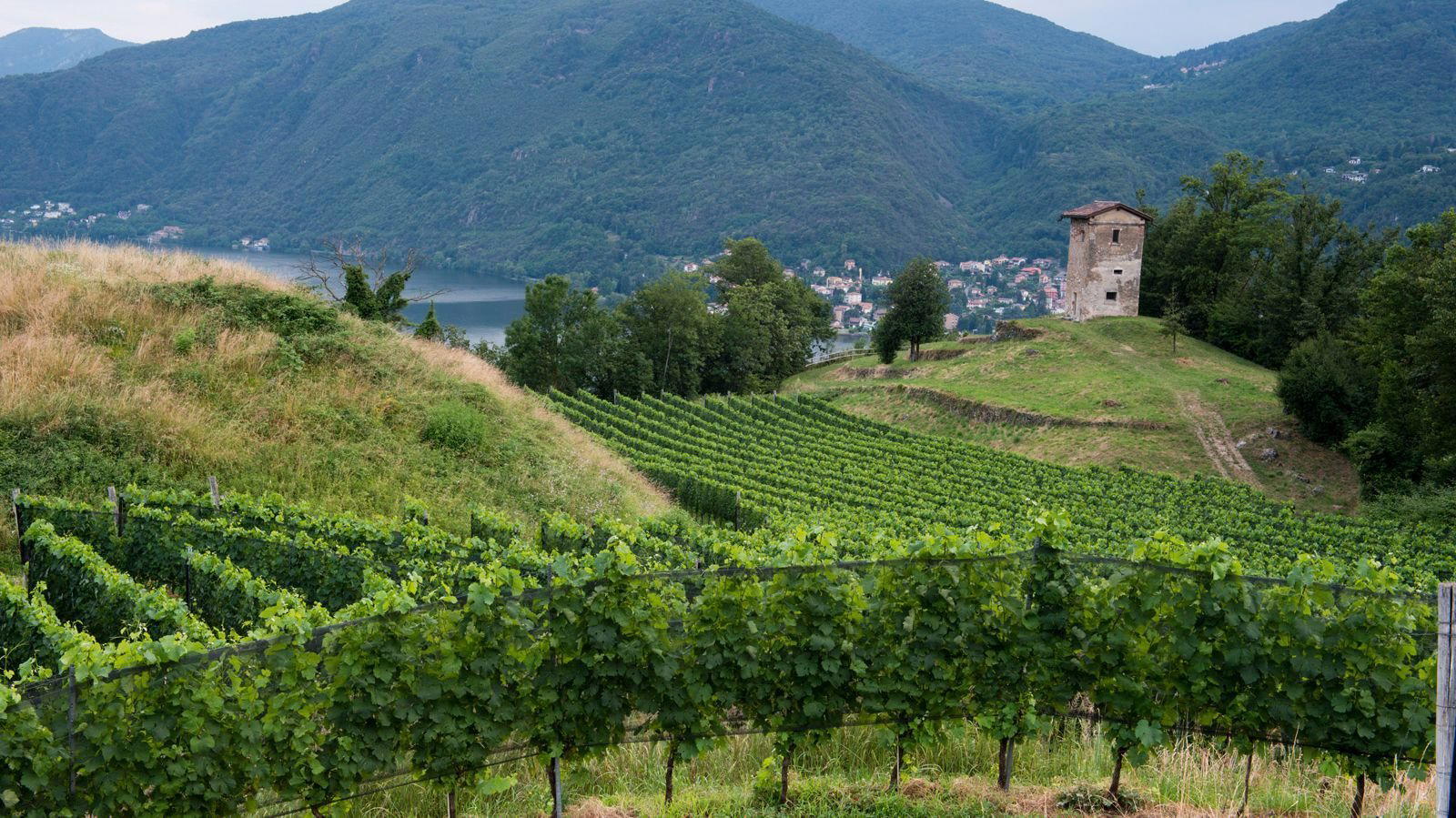
Morcote's physical environment shapes the dining experience in ways that extend beyond the obvious. The village is classified among the more architecturally significant in Switzerland, which means it operates under preservation constraints that limit development and keep the built environment close to its historical form. Restaurants here do not occupy purpose-built spaces with modern interiors grafted onto lake views for effect. They occupy rooms that have hosted some version of hospitality for generations, and that produces an atmosphere where the stonework, the proportions, and the relationship between interior and exterior are not designed, they simply exist. This is a meaningful distinction from lakeside dining rooms in purpose-built resort hotels, where the view is engineered and the room is constructed around it.
The practical approach to Vicania follows the logic of the village: arrive by the lake road from Lugano or take the short ferry crossing that connects Morcote to points north along the shoreline. Parking in the village itself is constrained by its medieval street plan, and arriving on foot or by water aligns with how the village has always been accessed. For visitors building a Ticino itinerary that also includes the broader Swiss dining circuit, 7132 Silver in Vals, Colonnade in Lucerne, Einstein Gourmet in Sankt Gallen, Magdalena in Schwyz, Morcote works as either a starting point in the Italian-speaking south or a final stop before crossing into Italy toward the lakes. For those whose reference points extend further, L'Atelier Robuchon in Geneva, Da Vittorio - St. Moritz in St. Moritz, Le Bernardin in New York City, and Atomix in New York City occupy a different tier of global ambition, but Ticino's interest lies precisely in not competing on those terms.
Planning Your Visit
Given the village's small scale and the seasonal nature of Ticino tourism, which peaks in late spring through early autumn when the lake is at its most accessible and the outdoor terrace culture is in full effect, it is worth confirming availability directly before building an itinerary around a specific date. The shoulder months of April and October tend to offer one composed experience: fewer visitors from across the border, the kitchen working with seasonal produce at its most interesting, and the village's stone alleyways navigable without the summer crowds that arrive from Lugano on weekends.
At-a-Glance Comparison
Comparable venues nearby, for context on price, style, and recognition.
| Venue | Cuisine | Price | Notes |
|---|---|---|---|
| VicaniaThis venue — the venue you are viewing | Creative Ticinese-Mediterranean | $$$ | Not listed |
| Arbostora Charme | Italian-Swiss Lakeside Fine Dining | $$$ | Morcote |
| Maruzzella | Mediterranean-inspired Seasonal Bistro | $$$ | Gelbes Quartier |
| Restaurant Zur Taube | Modern Mediterranean Fine Dining | $$$ | Old Town |
| SEIN | Modern Swiss-Mediterranean Tapas | $$$ | Industriequartier |
| Restaurant Scala | Modern Mediterranean Fine Dining | $$$$ | Adligenswil |
Continue exploring
More in Morcote
Restaurants in Morcote
Browse all →
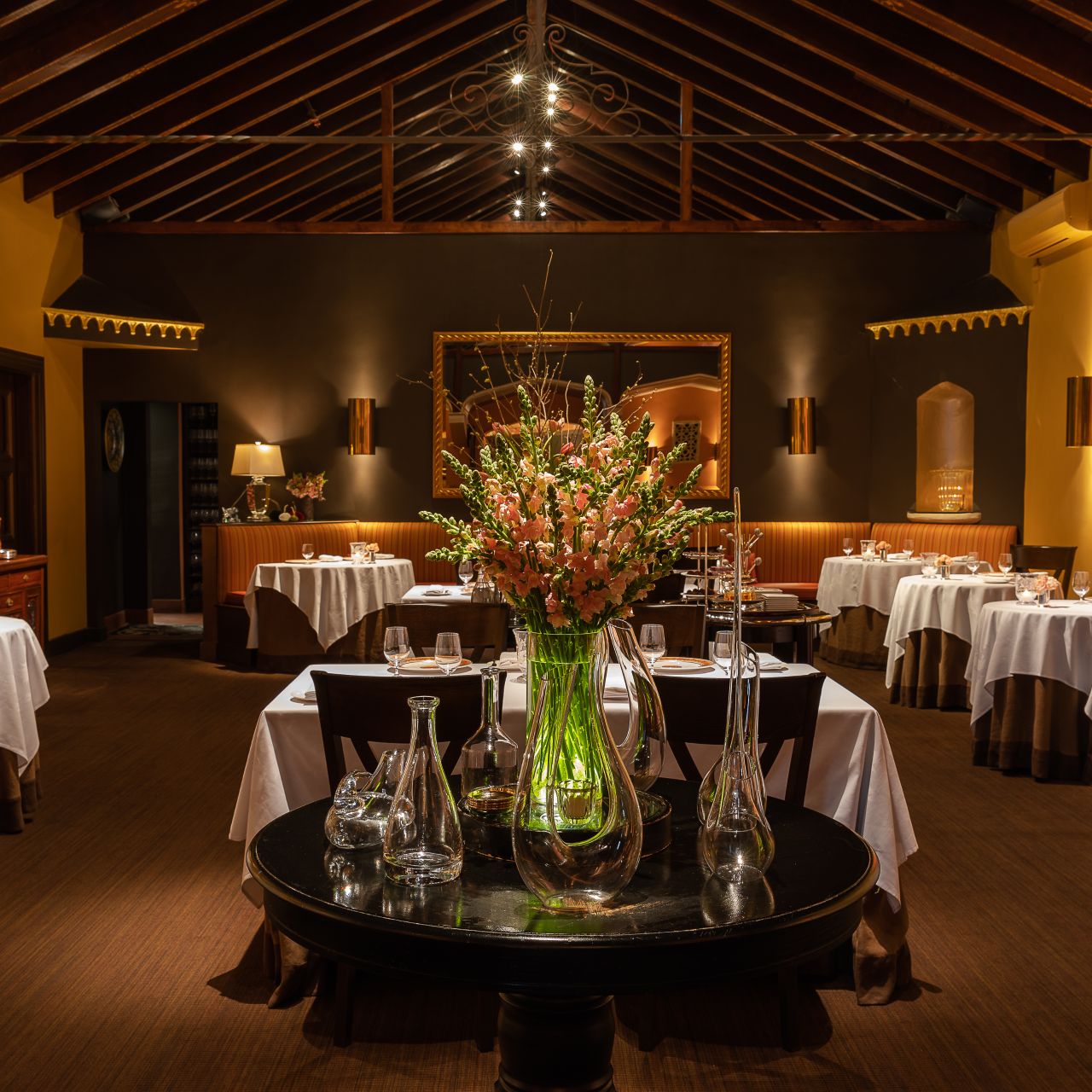
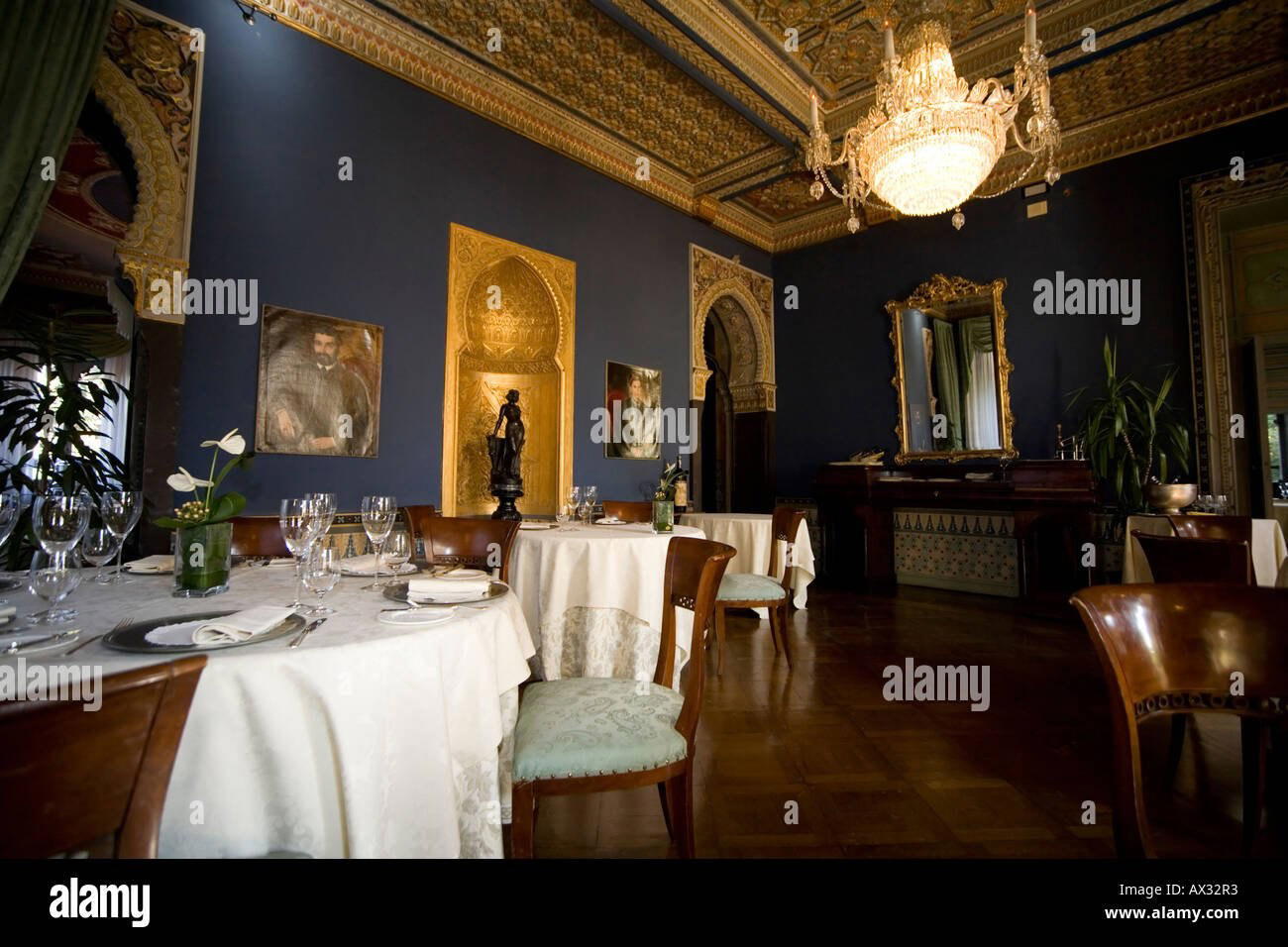
Bars in Morcote
Browse all →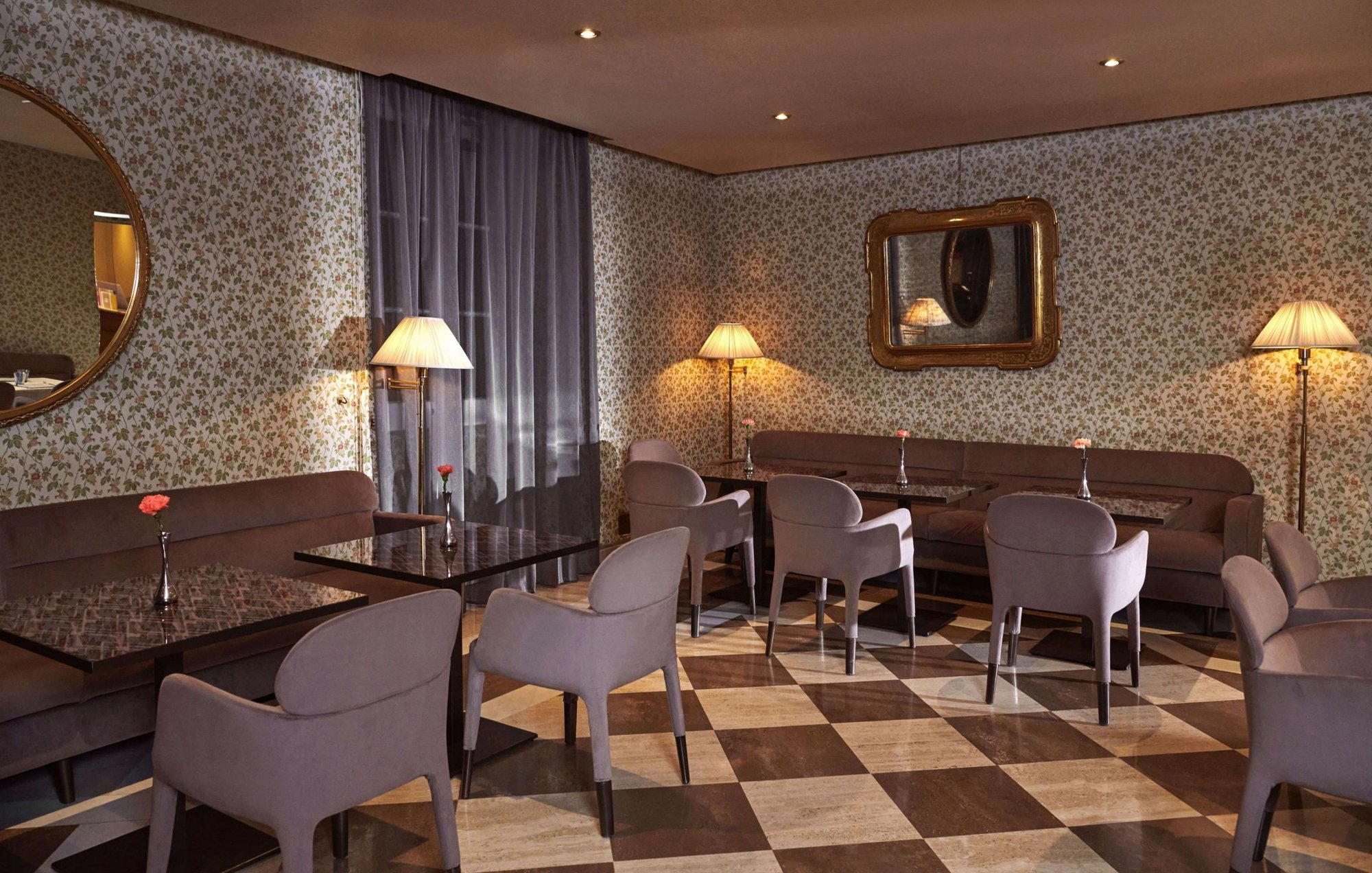
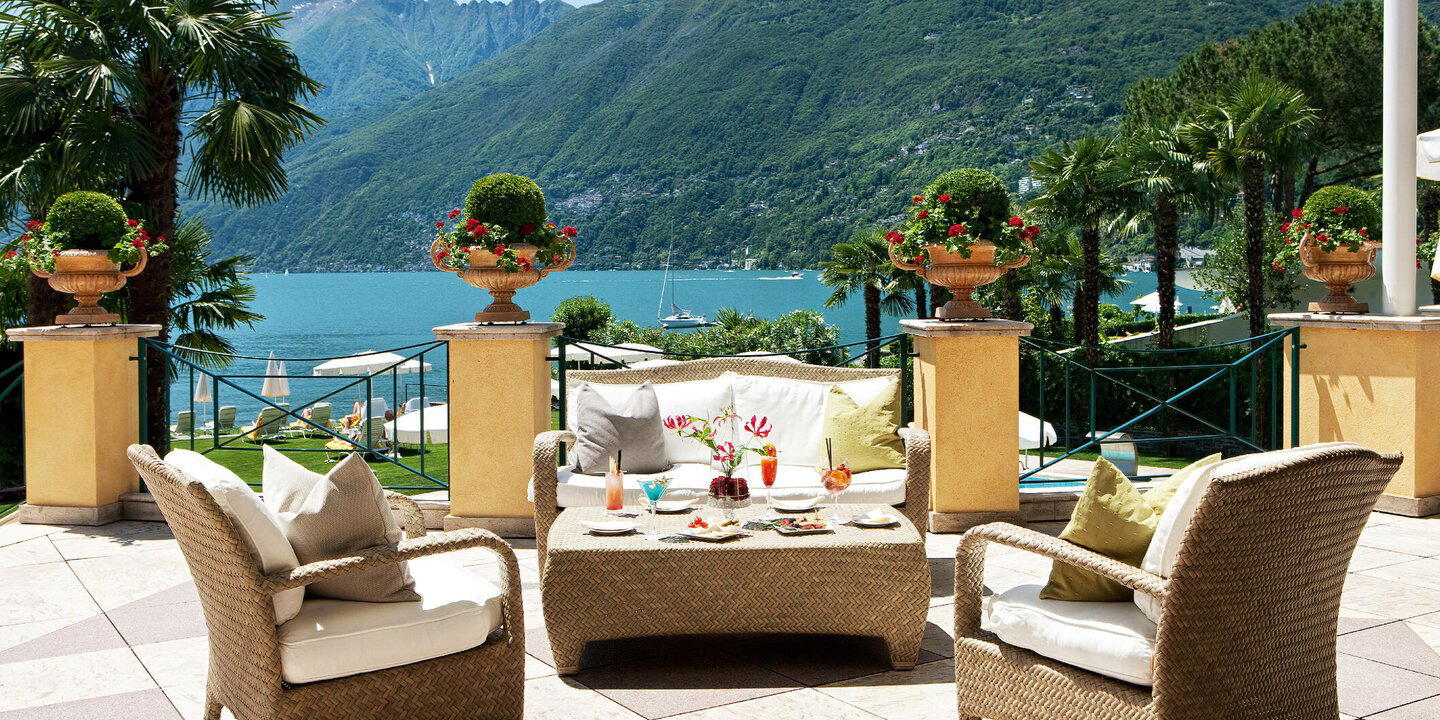
Hotels in Morcote
Browse all →

At a Glance
- Intimate
- Cozy
- Scenic
- Rustic
- Elegant
- Date Night
- Special Occasion
- Garden
- Terrace
- Panoramic View
- Historic Building
- Extensive Wine List
- Local Sourcing
- Mountain
- Garden
Current opening hours
- Monday
- Closed
- Tuesday
- Closed
- Wednesday
- 10 AM–12 AM
- Thursday
- 10 AM–12 AM
- Friday
- 10 AM–12 AM
- Saturday
- 10 AM–12 AM
- Sunday
- 10 AM–12 AM
Hours can change for holidays and private events. Last verified .
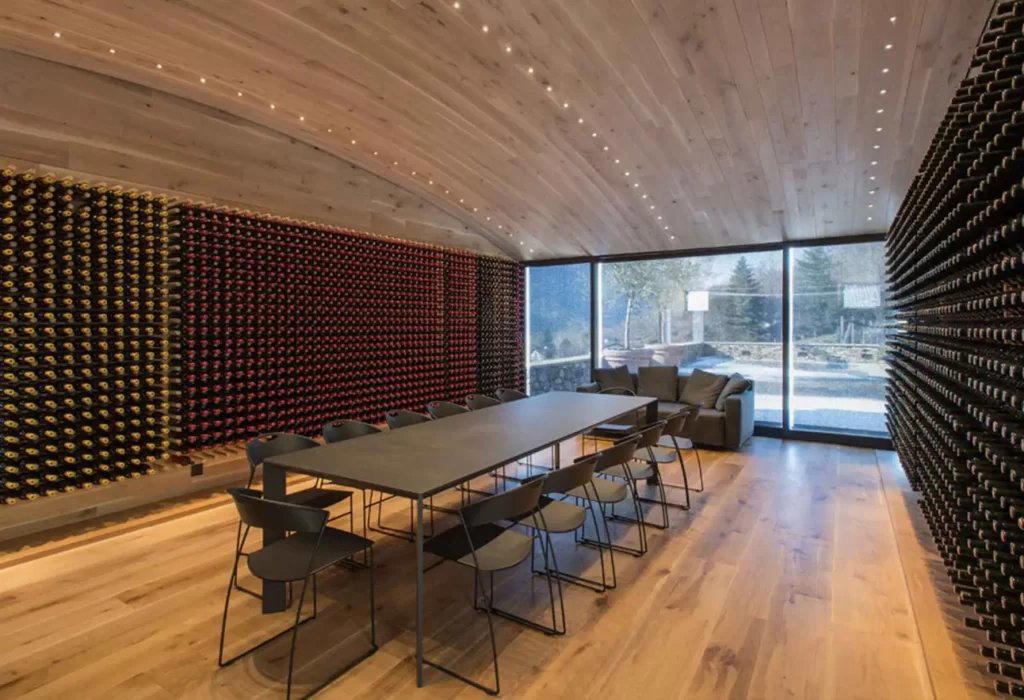
Intimate interior with open fireplace, cozy stone walls, and tranquil terrace surrounded by green pastures and mulberry trees.