
Verjus occupies a quietly significant address near the Palais-Royal gardens, operating within a Paris dining scene that increasingly prizes restraint, ethical sourcing, and wine-led programming over spectacle. The restaurant draws from a Franco-American tradition of produce-driven cooking and pairs it with a wine list tilted toward natural and low-intervention producers. It sits in a tier where the dining room and the cave bar below function as distinct but complementary experiences.
Pearl is the En Primeur Club membership app — saves, bookings, and concierge access live there. Same editors, same standards.
- Address
- 52 Rue de Richelieu, 47 Rue de Montpensier, 75001 Paris, France
- Phone
- +33 1 42 97 54 40
- Website
- verjusparis.com
- Directions
- Get directions
 Saves & bookings on Pearl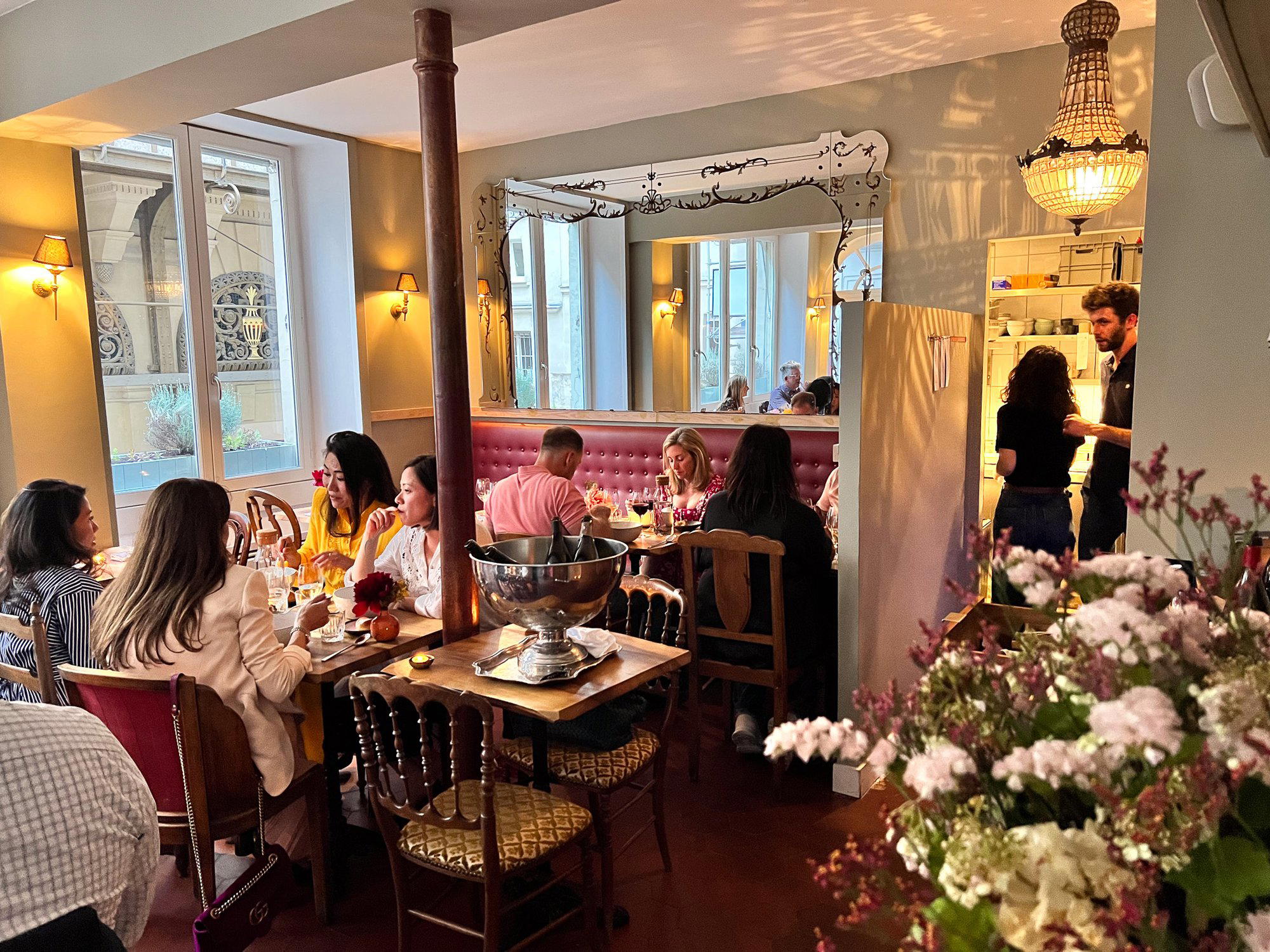
The Palais-Royal Corridor and What It Signals
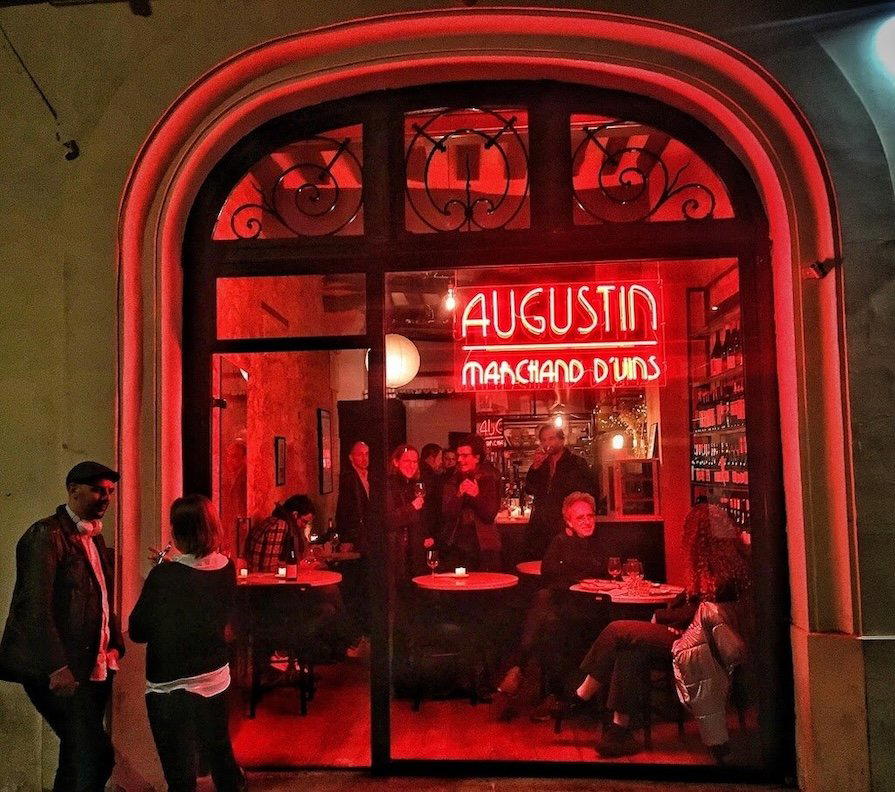
The stretch of streets flanking the Palais-Royal gardens has become one of the more interesting dining corridors in Paris, not because it clusters grand institutions, but because it attracts a particular kind of operator: smaller, less ceremonial, and more focused on the relationship between producer, cook, and plate. Verjus is a modern French fine dining restaurant in Paris's 1st arrondissement at 52 Rue de Richelieu, with a separate wine bar entrance on Rue de Montpensier. It fits that pattern. The building's dual-address structure is itself a tell: a street-level restaurant above and a wine bar below, each with its own atmosphere and pace.
Arriving from Rue de Montpensier, with the Palais-Royal's colonnaded arcades visible at the end of the passage, the approach already communicates something about register. This is not the 8th arrondissement's formal dining corridor, where Alléno Paris au Pavillon Ledoyen and Le Cinq at the Four Seasons George V set a standard of high ceremony and four-figure bills, nor the Left Bank's intellectual classicism represented by Arpège. The 1st arrondissement around Palais-Royal has carved out a different position: historically rooted, aesthetically restrained, and increasingly serious about sourcing.
Sustainability as a Structural Commitment, Not a Marketing Line
Across the French restaurant world, the vocabulary of sustainability has proliferated faster than the practice. What distinguishes the more credible operators is that ethical sourcing is embedded in the procurement logic, not announced in the menu copy. The lineage of this approach in France runs deep: Bras in Laguiole built an entire identity around the Aubrac plateau's wild plants and landscape; Les Prés d'Eugénie shaped Michel Guérard's cuisine minceur partly around reduction and vegetable intelligence; Mirazur in Menton moved to a biodynamic calendar for its garden-to-table menu. These are not aesthetic choices but operational philosophies that reshape sourcing, labour, and waste across an entire kitchen.
Verjus operates in this tradition at a smaller scale and a more urban register. The restaurant's programming leans toward a produce-first approach, seasonal, market-driven, with a Franco-American sensibility that takes stronger examples from French technique and applies it to ingredients sourced from farms with traceable, low-intervention practices. In Paris's dining scene, that positions it between the grand houses such as L'Ambroisie on the Place des Vosges and the more casual, bistronomic tier. The comparison that matters most is with smaller, wine-centric restaurants that treat the cellar and the kitchen as a single argument about flavour and provenance.
France's broader regional restaurant culture has long understood this. Troisgros in Ouches sources with documented rigour across its estate; Auberge du Vieux Puits in Fontjoncouse draws from the wild garrigue of the Corbières with a forager's precision; Flocons de Sel in Megève integrates altitude and season into a kitchen logic that treats the Savoy environment as both pantry and constraint. Paris restaurants that pursue similar thinking, sustainability as operational structure, not gesture, form a small but growing cohort.
The Wine Bar Below and the Restaurant Above
The wine bar beneath the dining room is, for many visitors, the entry point. It is a format that has become increasingly common in the Franco-American dining wave that hit Paris in the 2010s: an informal lower level serving small plates and natural wines, acting as a pressure valve for the full restaurant above. The wine list at Verjus tilts toward small producers, low-intervention viticulture, and bottles that reward attention rather than recognition. This is a different selection logic from the prestige-driven cellars at Kei or the classic French houses, and it reflects a broader view of what wine should do at the table.
Internationally, the restaurants that have most clearly articulated this position, wine as a lens on place and practice rather than a status layer, include Lazy Bear in San Francisco and, in the fish-forward register, Le Bernardin in New York, which pairs technical discipline with ingredient precision at a different price tier. Verjus's approach is closer to the former: less formal, more exploratory, with the wine list doing as much editorial work as the menu.
Where Verjus Sits in the Paris Dining Order
Paris dining stratifies in ways that matter for how you approach any given table. At the leading, three-Michelin-star restaurants like L'Ambroisie and Le Cinq deliver a form of dining that is as much about ritual and investment as it is about food. One tier below, contemporary operators like Kei blend French technique with international influence inside a still-formal frame. Verjus sits in a third tier: less ceremony, more curatorial intelligence. The dining room is small, the format is relatively intimate, and the experience is built around the quality of sourcing and the coherence of the wine programme rather than the theatre of service.
That positioning has a precedent in the broader French tradition of auberge and table d'hôte restaurants that prioritised the farmer's calendar over the dining room's ambition. Georges Blanc in Vonnas and Auberge de l'Ill in Illhaeusern represent the grander, generationally rooted version of this. Paul Bocuse's Auberge du Pont de Collonges and La Table du Castellet show how regional anchoring can define a restaurant's entire identity. Verjus translates something of that regional commitment into an urban, smaller-scale format that works within the 1st arrondissement's particular rhythm.
Verjus occupies a slot that the grander institutions cannot fill: the meal where the cooking is serious but the room is relaxed, the wine list rewards curiosity, and the sourcing is traceable.
Know Before You Go
- Address: 52 Rue de Richelieu (restaurant); 47 Rue de Montpensier (wine bar), 75001 Paris
- Neighbourhood: Palais-Royal, 1st arrondissement
- Format: Full dining room above; cave wine bar below with small plates
- Booking: Reservations are essential for the restaurant; the wine bar operates on a walk-in basis
- Getting there: The restaurant is a short walk from the Palais-Royal gardens in Paris's 1st arrondissement
- Leading timing: The wine bar is particularly well-suited to early evening visits before the dinner service fills the room above
Peers You’d Cross-Shop
Comparable venues nearby, for context on price, style, and recognition.
| Venue | Cuisine | Price | Notes |
|---|---|---|---|
| VerjusThis venue — the venue you are viewing | Modern French Fine Dining | $$$$ | Not listed |
| L'Atelier | Modern French Fine Dining | $$$$ | Saint-Germain |
| Au 41 penthièvre | Refined French Bistro | $$$$ | Faubourg Saint-Honoré |
| Cléo | Modern French Bistro | $$$$ | 7e Arr. – Palais Bourbon |
| Le Boeuf sur le Toit | Classic French Brasserie | $$$$ | 8e Arr. - Élysée |
| Bustronome | Contemporary French Fine Dining | $$$$ | 16th Arr. |
Recognition history
Dated appearances from independent guides and award organizations, with the underlying list record or original source where available.
Opinionated About Dining Casual in Europe Recommended
Opinionated About Dining
Continue exploring
More in Paris
Restaurants in Paris
Browse all →
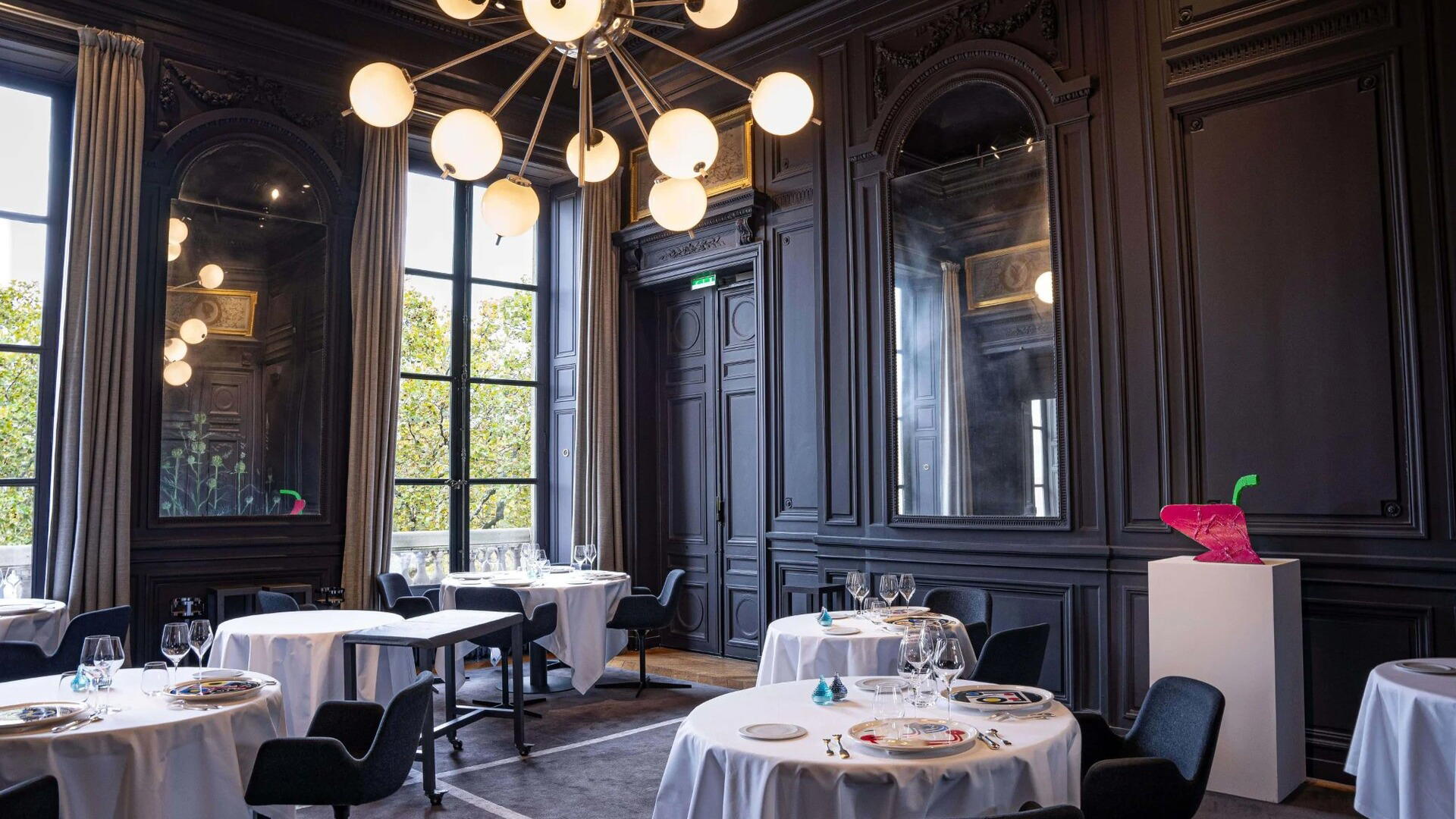
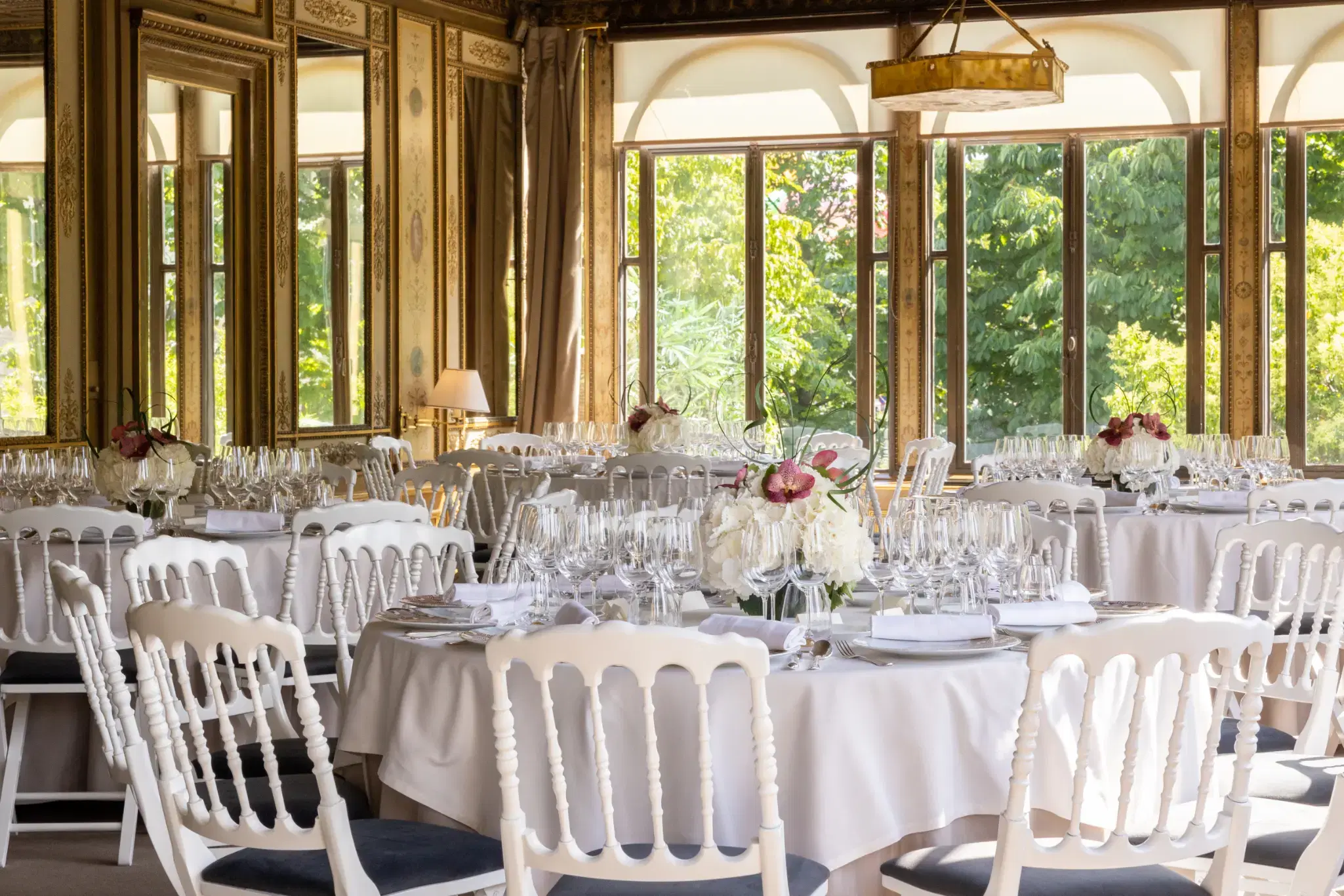
Bars in Paris
Browse all →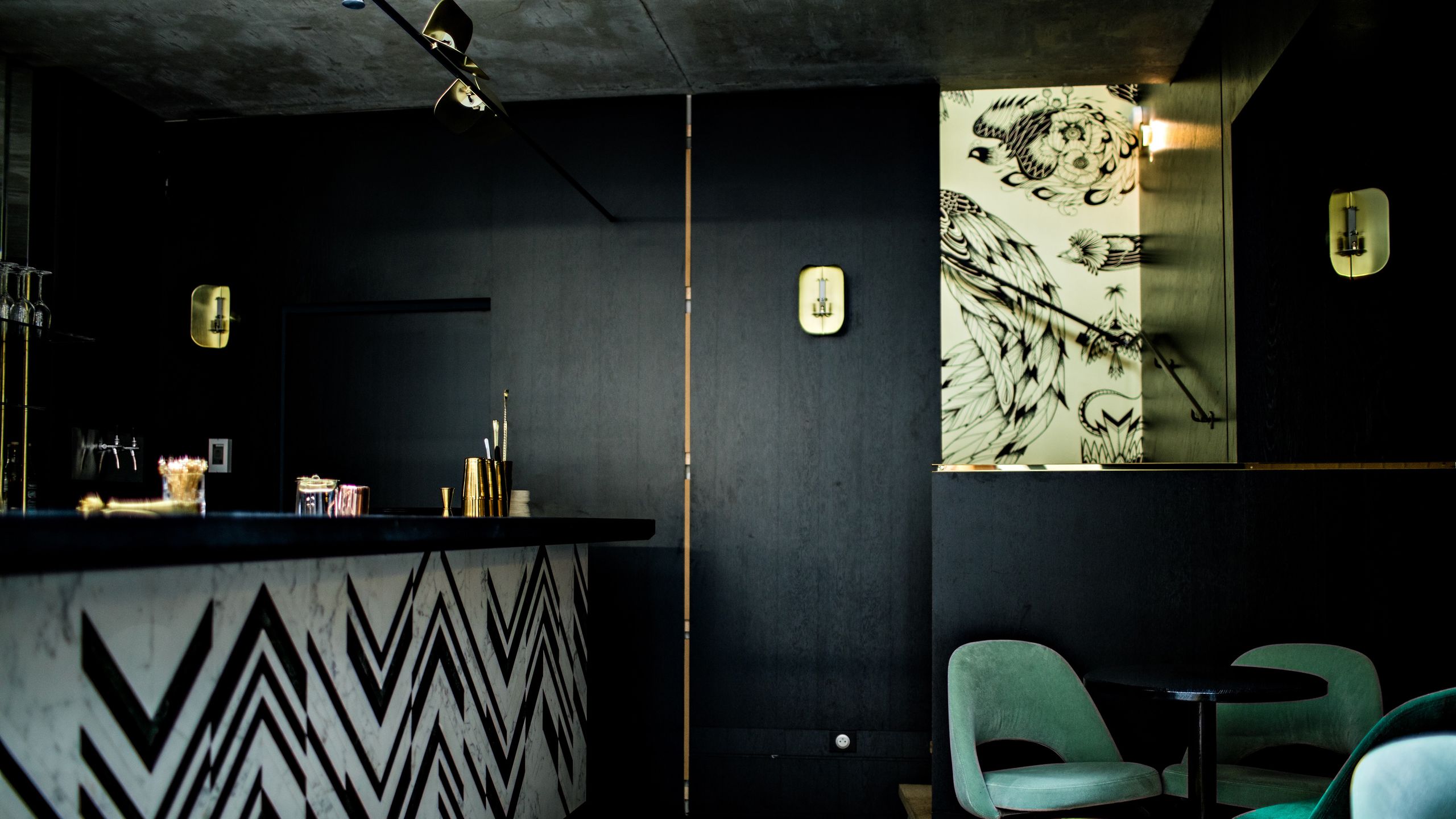
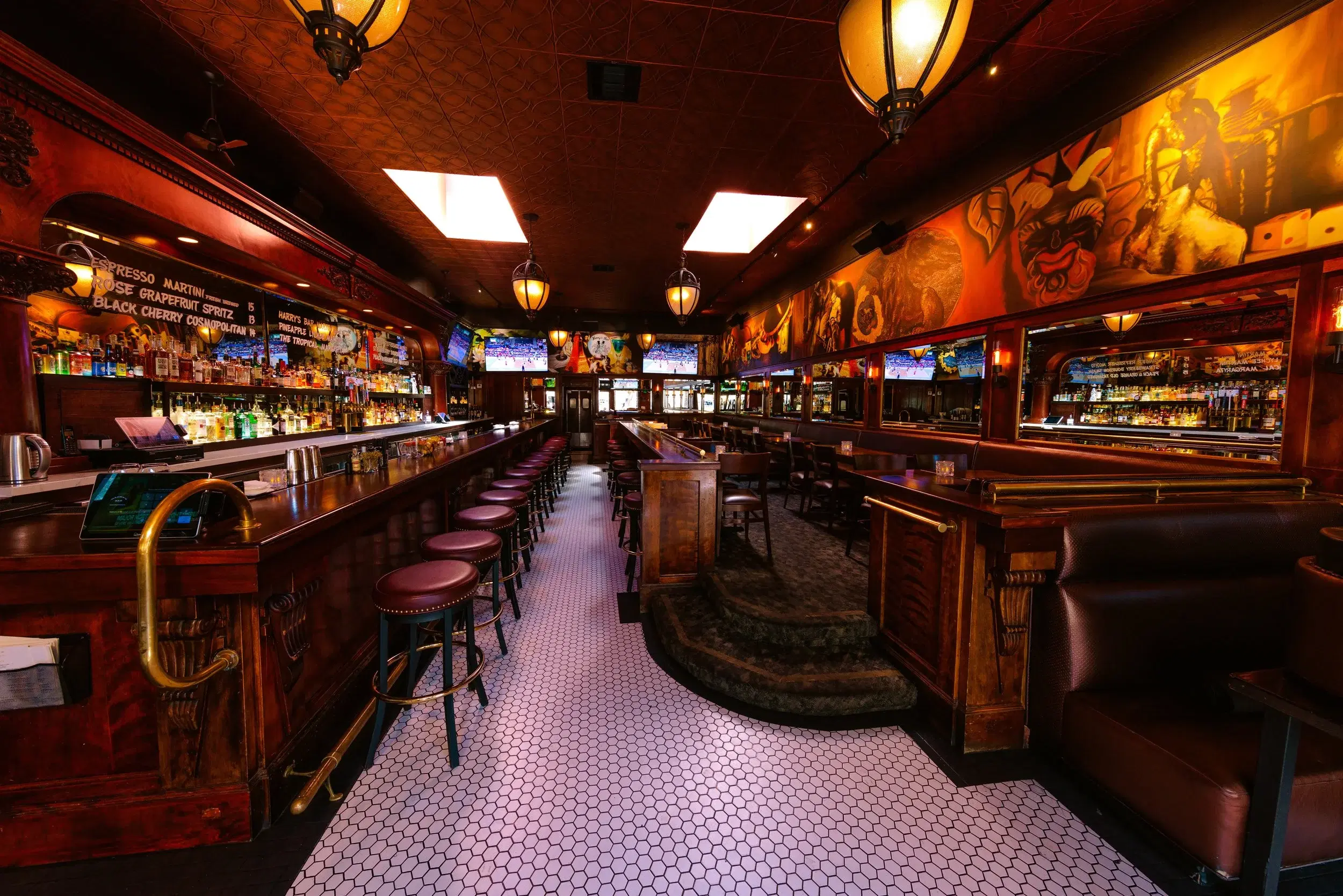
Hotels in Paris
Browse all →
At a Glance
- Elegant
- Intimate
- Modern
- Cozy
- Sophisticated
- Date Night
- Special Occasion
- Business Dinner
- Open Kitchen
- Extensive Wine List
- Local Sourcing
- Street Scene
Current opening hours
- Monday
- 6–11 PM
- Tuesday
- 6–11 PM
- Wednesday
- 6–11 PM
- Thursday
- 6–11 PM
- Friday
- 12:30–2 PM, 6–11 PM
- Saturday
- Closed
- Sunday
- Closed
Hours can change for holidays and private events. Last verified .
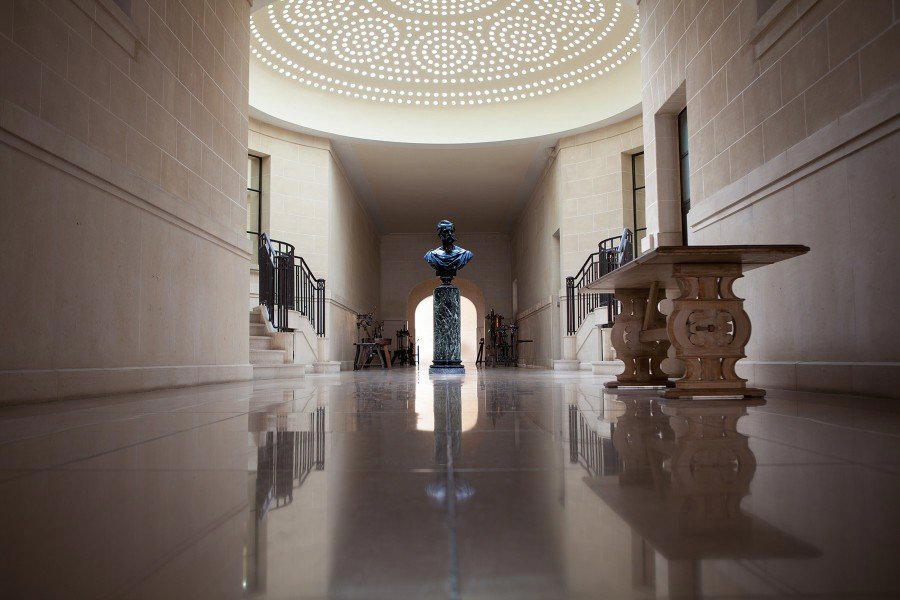
Light and airy with simple, comfortable design across three levels, creating a casual yet elegant atmosphere.