Our verdict
Among the 8th arrondissement's most enduring brasserie addresses, Le Boeuf sur le Toit at 34 Rue du Colisée occupies a position shaped by Paris's interwar café culture rather than the contemporary tasting-menu circuit. Its wine program and classic French brasserie format place it in a different competitive conversation from the €€€€ Michelin counters on nearby avenues, appealing to readers who prioritize cellar depth and historical atmosphere over modernist plating.

Pearl is the En Primeur Club membership app, where members save venues, book tables and use the concierge.

The menu
What to order
- Boeuf signature
- Escargots de Bourgogne
- Sole meunière
- Tartare de boeuf charolais
The 8th Arrondissement's Brasserie Tradition, Placed in Context
Paris's 8th arrondissement operates on at least two distinct dining registers. One is defined by the €€€€ tasting-menu houses: Alléno Paris au Pavillon Ledoyen, Le Cinq at the Four Seasons Hôtel George V, and the broader constellation of creative French cooking that has accumulated Michelin stars along the Champs-Élysées corridor. The other register, older and less discussed in international food media, belongs to the grand brasserie format: long rooms, zinc counters, mirrored walls, and a menu that follows the classical French playbook rather than trying to rewrite it. Le Boeuf sur le Toit at 34 Rue du Colisée has operated in this second register for most of the past century, and understanding it requires reading the brasserie tradition on its own terms rather than against the tasting-menu benchmark.
The brasserie as a format has a specific logic. It is not aspirational in the Michelin sense; it is aspirational in the civic sense, offering a room grand enough to mark an occasion without demanding that the occasion be built around a chef's personal statement. The wine list is the mechanism through which a serious brasserie signals its ambitions, and at Le Boeuf sur le Toit, the cellar has historically been the primary editorial argument for the address.
A Name Rooted in Parisian Cultural History
The name Le Boeuf sur le Toit carries weight in French cultural memory that goes beyond a restaurant address. In the 1920s, the original establishment on Rue Boissy d'Anglas became a meeting point for figures from the French avant-garde, including Jean Cocteau and the composers grouped under Les Six. The name migrated to the current Rue du Colisée address over subsequent decades, and while the bohemian salon energy of the interwar period has long since resolved into a more conventional brasserie atmosphere, the association still shapes how Parisian diners and international visitors position the restaurant within the city's cultural map. This kind of institutional memory is something the €€€€ modernist houses nearby, including Kei with its contemporary French-Japanese synthesis, cannot replicate regardless of their technical achievement.
For readers interested in how France's broader fine-dining tradition has developed over the same period, it is worth tracing the arc from the grandes maisons of the mid-twentieth century through to contemporary destinations such as Paul Bocuse's Auberge du Pont de Collonges in Collonges-au-Mont-d'Or, Auberge de l'Ill in Alsace, and Troisgros in Ouches. Le Boeuf sur le Toit belongs to a parallel lineage: the urban brasserie that served the bourgeoisie and the intelligentsia simultaneously, rather than the destination restaurant that demanded a journey.
The Wine Program as Primary Argument
In any serious Parisian brasserie, the wine list functions as the primary differentiator. Kitchen output at this format tends to be competent and consistent rather than revelatory; the cellar is where institutional investment and curatorial instinct become visible. A brasserie that has operated across multiple decades in the 8th arrondissement has had the opportunity to build depth in Burgundy and Bordeaux at acquisition prices that no restaurant opening today can match. What the format promises, at its strongest, is access to mature French wine at a markup structure more rational than the luxury hotel dining rooms nearby.
This puts the address in a different conversation from the high-end creative houses. L'Ambroisie on Place des Vosges, for instance, carries one of Paris's most storied cellars alongside three Michelin stars, where the wine program and the kitchen operate at a matched register. The brasserie model separates these two components: the kitchen is accessible and the cellar can still be serious. For a reader whose primary interest is in French wine rather than avant-garde cooking, that separation can be an advantage. It also compares interestingly with the approach taken at French regional addresses such as Assiette Champenoise in Reims, where the wine program is anchored to a specific regional identity, or Auberge du Vieux Puits in Fontjoncouse, where the cellar reflects Languedoc's depth.
For readers tracking French fine dining beyond Paris, Mirazur in Menton and Flocons de Sel in Megève offer contrasting reference points for how wine programs interact with kitchen ambition at a destination level. Within Paris itself, our full Paris restaurants guide maps the broader field.
Placing the Address in Its Neighbourhood
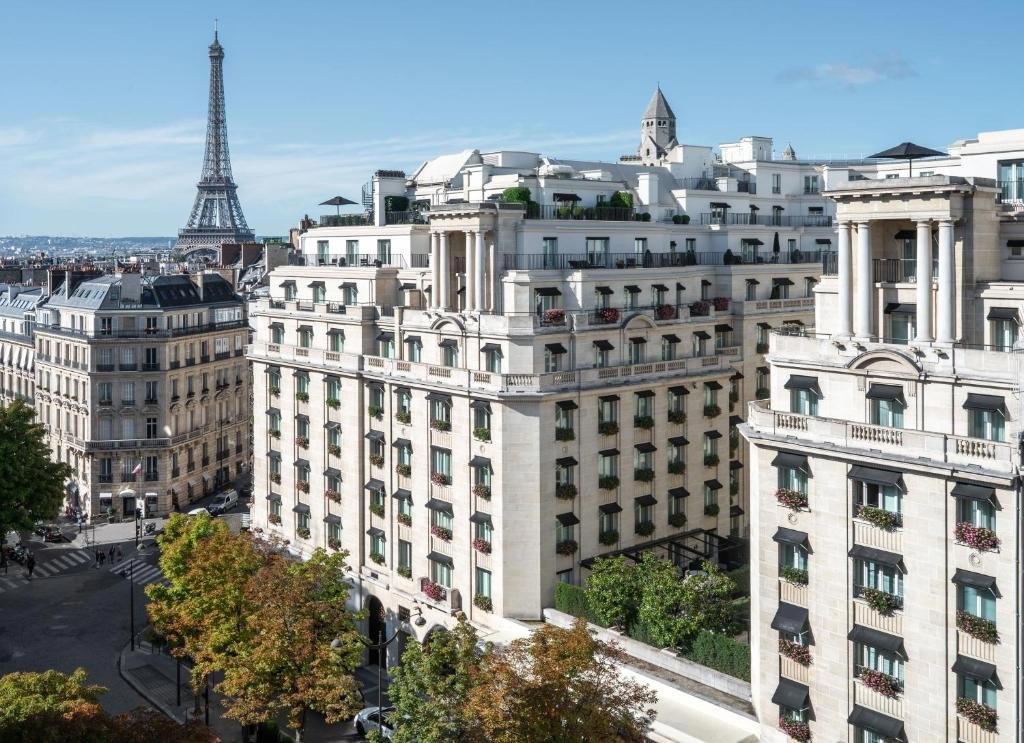
Rue du Colisée runs between the Champs-Élysées and Rue du Faubourg Saint-Honoré, positioning Le Boeuf sur le Toit in the commercial and diplomatic core of the 8th. The surrounding streets house fashion houses, gallery spaces, and the kind of office population that still maintains the lunch tradition. This geography matters for understanding the room's energy at midday versus evening: the lunch service draws a different crowd from the dinner service, and a brasserie of this vintage is built to serve both registers.
For comparative reference within the broader international fine-dining conversation, Le Bernardin in New York represents the French fine-dining tradition transplanted to a different city context, while Atomix in New York illustrates how contemporary tasting-menu formats have absorbed and reinterpreted classical French structure. Back in France, Arpège in the 7th arrondissement and AM par Alexandre Mazzia in Marseille anchor opposite ends of the French creative spectrum. Au Crocodile in Strasbourg and Bras in Laguiole complete the picture of how France's restaurant tradition distributes itself geographically and philosophically.
Planning a Visit
Le Boeuf sur le Toit is located at Address: 34 Rue du Colisée, 75008 Paris, France. Reservations: Dress: In line with 8th arrondissement brasserie conventions, smart-casual is appropriate as a baseline, but current dress code should be confirmed with the venue. Budget: Timing: The lunch service is the traditional entry point for this type of address in the 8th, when the room reflects its neighbourhood character most clearly.
Frequently asked questions
What's the address for Le Boeuf sur le Toit?
Le Boeuf sur le Toit is located at 34 Rue du Colisée, 75008 Paris, France, Paris.
Is Le Boeuf sur le Toit historically connected to the 1920s Paris arts scene?
Yes, the name Le Boeuf sur le Toit carries documented weight in French cultural memory from the 1920s, when the original establishment was associated with the artistic milieu of interwar Paris. The current address at 34 Rue du Colisée, in the 8th arrondissement, trades on that heritage as part of its identity. Whether the current venue operates as a direct institutional continuation or draws on the name as a cultural reference is worth clarifying on-site.
What dish is Le Boeuf sur le Toit famous for?
The name itself signals the kitchen's orientation: beef is the reference point, and the brasserie format at 34 Rue du Colisée is built around French classics.
Is Le Boeuf sur le Toit reservation-only?
No verified booking requirement or advance-reservation policy is documented for Le Boeuf sur le Toit at 34 Rue du Colisée, Paris 8th. Given the address sits in one of the city's most commercially active corridors, between the Champs-Élysées and Rue du Faubourg Saint-Honoré, confirming availability before arrival is advisable, particularly at peak dining hours.
What do critics highlight about Le Boeuf sur le Toit?
The venue's cultural legacy is the consistent reference point: the original Boeuf sur le Toit of the 1920s was a gathering place embedded in Parisian artistic and social life, and that history shapes how the address is discussed.
What if I have allergies at Le Boeuf sur le Toit?
No allergy policy or dietary accommodation data is publicly documented for Le Boeuf sur le Toit. French brasserie kitchens at this address level typically work with classical preparations that rely on dairy, gluten, and shellfish as core ingredients, so contacting the restaurant directly before booking is the practical step for anyone with specific requirements.
Compact Comparison
Comparable venues nearby, for context on price, style, and recognition.
| Venue | Cuisine | Price | Notes |
|---|---|---|---|
| Le Boeuf sur le ToitThis venue (the venue you are viewing) | Classic French Brasserie | $50–100 | Not listed |
| Bel Canto | French Bistronomic with Opera | $100–150 | Hôtel de Ville, French Bistronomic with Opera |
| Au 41 penthièvre | Refined French Bistro | $50–100 | Faubourg Saint-Honoré, Refined French Bistro |
| Victoria 1836 | Modern French Brasserie | $50–100 | 16th Arrondissement, Modern French Brasserie |
| Les Jardins du Presbourg | Modern French Bistro | Not listed | 16e Arr., Modern French Bistro |
| Verjus | Modern French Fine Dining | $50–100 | 1st arrondissement, Modern French Fine Dining |
Continue exploring
More in Paris
Restaurants in Paris
All restaurants in Paris →

Bars in Paris
All bars in Paris →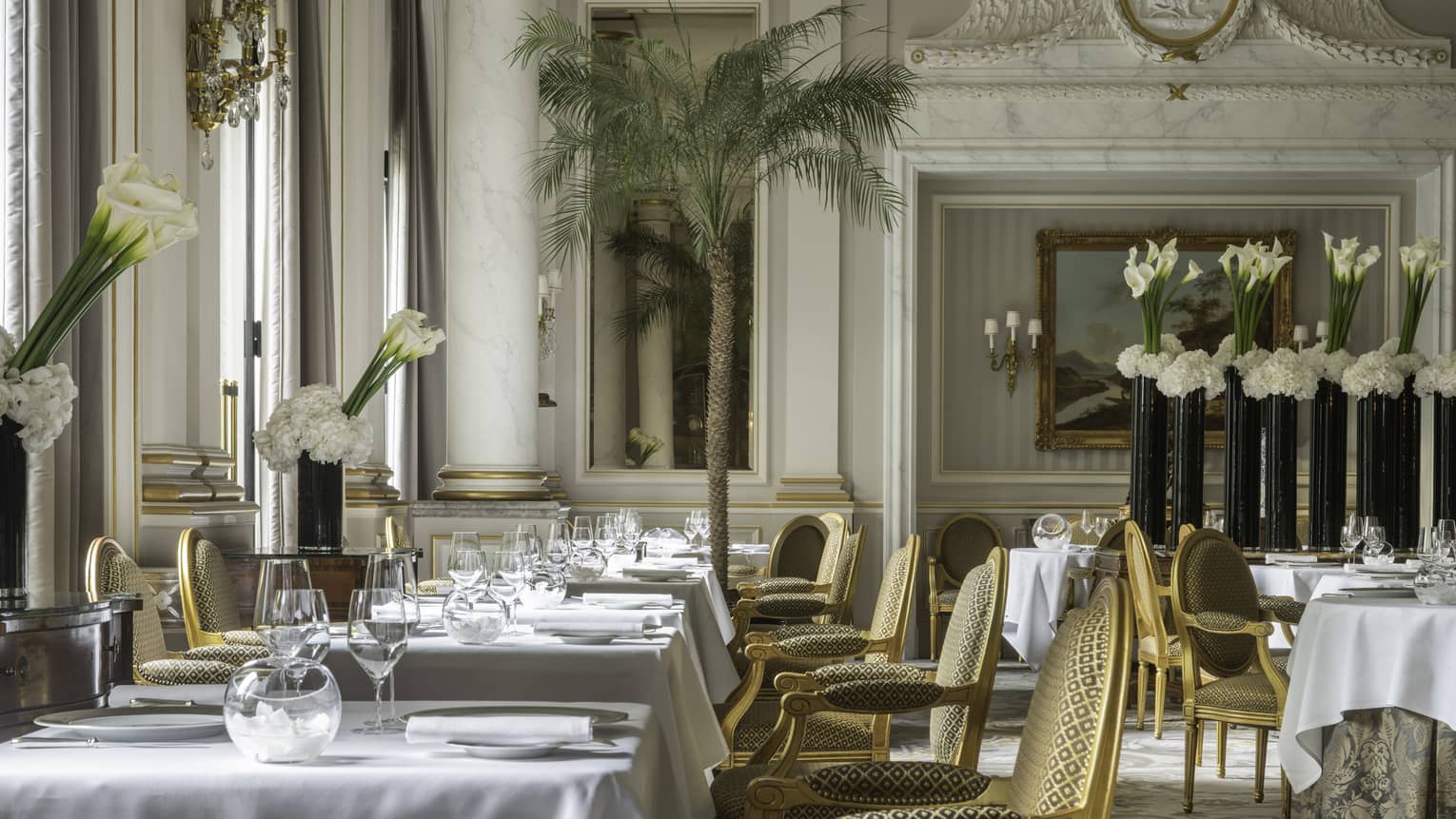

Details
- Well Known
- Elegant
- Lively
- Sophisticated
- Classic
- Special Occasion
- Date Night
- Celebration
- Late Night
- Live Music
- Historic Building
- Craft Cocktails
- A La Carte
Current opening hours
- Monday
- Closed
- Tuesday
- 7 PM–2 AM
- Wednesday
- 7 PM–2 AM
- Thursday
- 7 PM–2 AM
- Friday
- 7 PM–2 AM
- Saturday
- 7 PM–2 AM
- Sunday
- 7 PM–2 AM
Hours can change for holidays and private events. Hours as of .
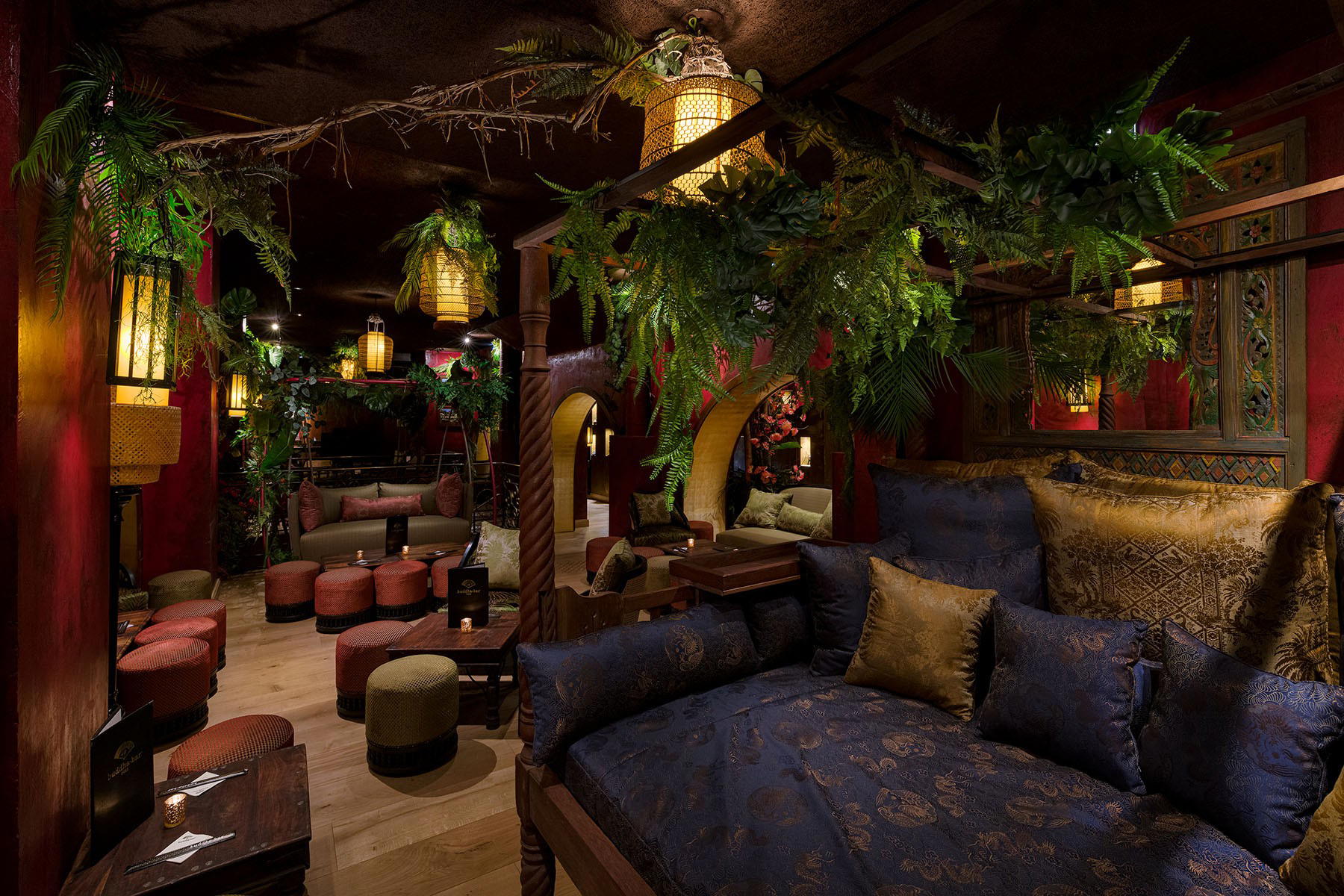
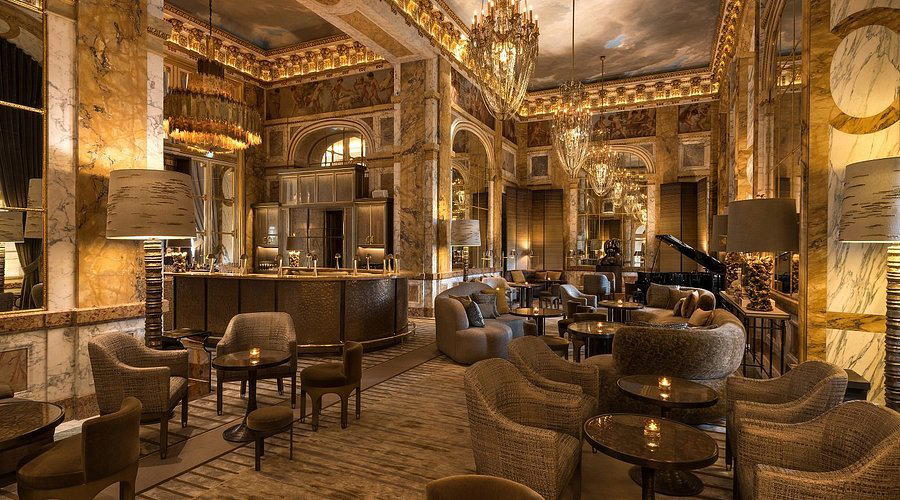
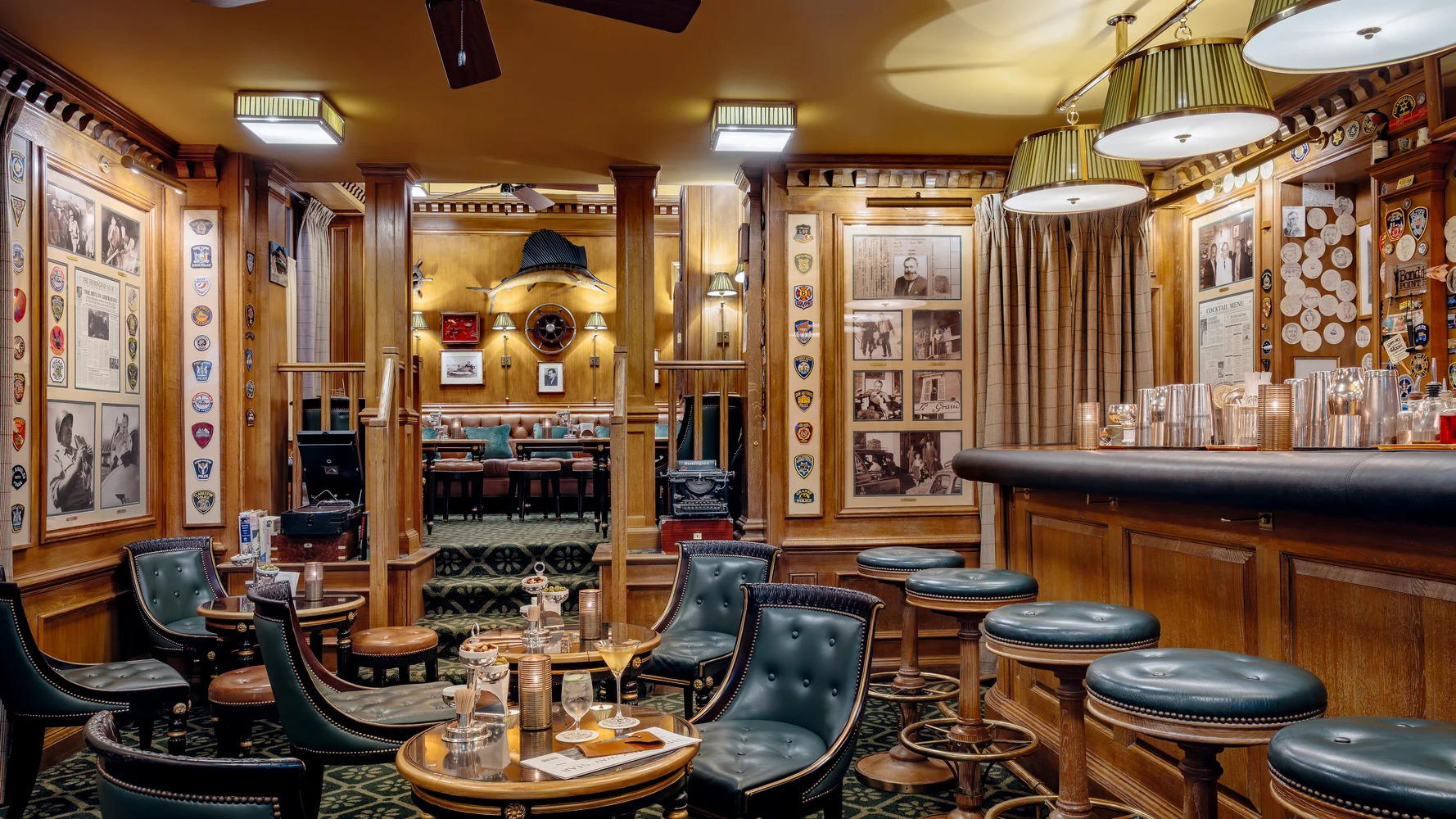
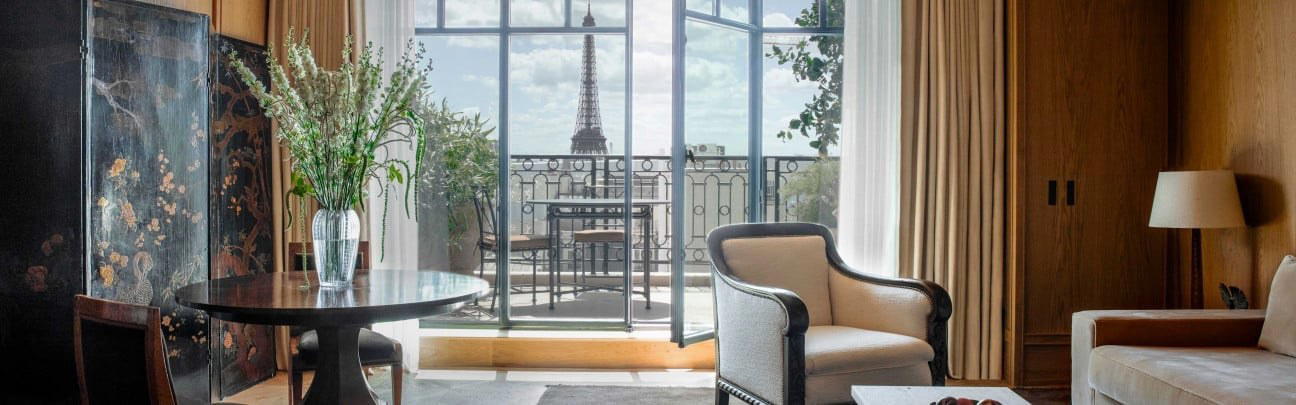
Glamorous Art Deco setting with mirrors, wood, orange leather, lively retro atmosphere evoking the Années Folles, transitioning to festive music performances.