
Tabelog 100 #90
Our verdict
Sushi Inukai belongs to Matsumoto’s smaller, more serious sushi tier: counter-led, fish-focused, and priced well above the city’s casual izakaya and soba circuit. Its Tabelog Sushi EAST 100 selections in 2022 and 2025 give it a clear recognition signal in a region better known to visitors for mountain produce than destination sushi.

Pearl is the En Primeur Club membership app, where members save venues, book tables and use the concierge.
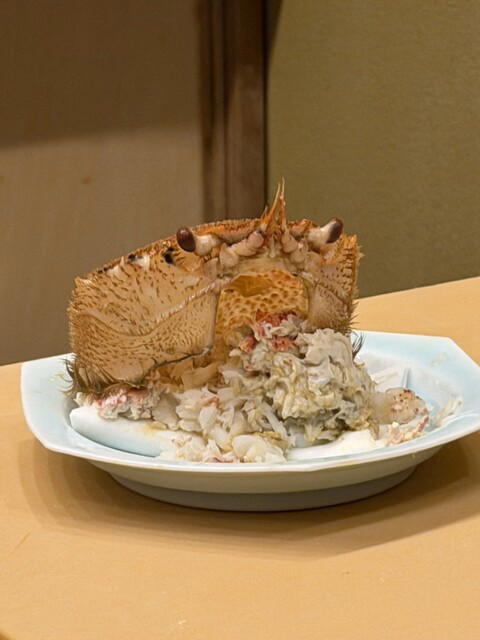
The menu
What to order
- Premium “Kiwami” Sushi Course
- Chef’s Choice Nigiri 10-piece
- Chef’s Choice Nigiri 15-piece
Matsumoto changes the expectation before the sushi arrives. This is not simply the easy rhythm of central sightseeing, where day-trippers move between cafés, soba rooms, and old merchant buildings. The setting is Matsumoto, but the meal asks to be treated as a planned appointment rather than a casual stop between sights.
Sushi Inukai sits in that category. Matsumoto’s restaurant identity is often read through Nagano vegetables, soba, river fish, mountain sake, and historic architecture. Sushi is a narrower lane here, and a restaurant in Matsumoto has to justify itself through sourcing discipline rather than urban glamour. The useful signal is not spectacle; it is whether fish selection and rice handling can carry a meal in a city whose culinary gravity usually points inland.
Fish-driven sushi in a mountain city
Nagano is landlocked, but that has never made sushi irrelevant in the prefecture. It makes logistics part of the craft. In coastal cities, freshness can become a lazy shorthand; in inland Japan, the stronger sushi rooms are judged by procurement, seasoning, timing, and the ability to make fish feel intentional rather than imported for status. Sushi Inukai’s public category is direct on this point: the restaurant is listed for sushi. That places it closer to a focused destination meal than to the neighborhood rooms built mainly for quick local set meals.
The recognition supports that reading. Its 2025 Tabelog Hyakumeiten listing puts the restaurant inside a curated sushi cohort rather than merely a Matsumoto dining list. Tabelog’s public score of 3.77 is also meaningful in the Japanese context, where high scores are harder to accumulate than many foreign review platforms suggest. The number should not be mistaken for a universal verdict, but it does show sustained attention from a demanding domestic audience.
The broader Matsumoto comparison is useful. Usagiya sits in a different local lane, while Furin Kazan suits the city’s izakaya appetite. Sanjiro and Nomugi point to other ways of reading the city’s dining scene. Sushi Inukai belongs to a different decision: not where to eat after sightseeing, but where to anchor an evening around a narrower craft. That distinction is the editorial reason to care.
Why the sushi format changes the meal
Sushi rewards attention to sequence. The format is not decoration; it is the operating system of the meal, where pacing, temperature, and portion order are controlled in short intervals. In Matsumoto, that focus also separates the restaurant from broader tourist dining, where English menus, group tables, and flexible drop-in traffic often shape the experience. A serious sushi meal asks for attention and gives less room for wandering conversation, especially when the meal is built around fish and rice rather than a long menu of cooked dishes.
The more revealing frame for this category is focus. Diners choosing sushi at this level are paying for calibration: the relationship between neta and shari, the order of richer and leaner pieces, and the way the sequence holds together. In Nagano, the drinks angle around a meal can matter because local sake culture is strong, and wine has become part of the prefecture’s wider food conversation, but the core reason to book remains the sushi itself.
There is also a useful continuity point. Sushi Inukai reads less like a broad tourist-facing concept and more like a focused Matsumoto dining address that has gained attention through sushi-specific recognition. That matters because the restaurant’s appeal is not built on spectacle or a famous location; it is built on the narrower question of whether sushi can feel convincing in an inland mountain city.
How to place it within a Matsumoto itinerary
For visitors, the smartest read is to treat Sushi Inukai as a focused sushi meal rather than a general introduction to Matsumoto cuisine. The city’s wider dining range is better mapped across multiple formats: soba rooms, cafés, izakaya energy at Furin Kazan, and other Matsumoto dining rooms. Read together, they show a city where the stronger meals are distributed across formats rather than concentrated in a single dining district.
That spread is why planning matters. Sushi Inukai is not the same proposition as choosing an easy meal near a major sightseeing stop or transport hub. Visitors should confirm access, reservation expectations, and payment details directly before going, because a focused sushi meal leaves less margin for improvisation than a casual night out.
Price also frames the audience. Sushi Inukai is listed at JPY 20,000 - JPY 29,999, a serious dinner bracket for Matsumoto, and that makes it a poor fit for diners who mainly want breadth, nightlife, or a flexible family meal. It is a stronger choice for travelers already building a Nagano itinerary around food and drink, especially those who want to see how inland Japan handles sushi without copying the Tokyo counter economy.
Readers comparing Japan dining styles beyond Nagano can also look more broadly at other Japanese dining rooms without treating them as direct peers for Sushi Inukai.
Frequently asked questions
Is Sushi Inukai good for families?
It can work for families that are comfortable with a focused sushi meal. The listed dinner price range is JPY 20,000 - JPY 29,999, so it sits in a higher spend bracket than a casual neighborhood spot in Matsumoto.
What's the vibe at Sushi Inukai?
Sushi Inukai is best understood as a focused sushi address in Matsumoto. Its 2025 Tabelog Hyakumeiten recognition and 3.77 score place it among the more noted sushi options in the city.
Is Sushi Inukai more mid-range or high-end?
Pricing at Sushi Inukai is listed as JPY 20,000 - JPY 29,999.
What are the opening hours for Sushi Inukai?
Check directly with Sushi Inukai before visiting.
What's Sushi Inukai's location?
Matsumoto.
What's Sushi Inukai best at?
Sushi Inukai is strongest as a sushi restaurant in Matsumoto. For diners comparing options in the city, the JPY 20,000 - JPY 29,999 dinner range, 3.77 Tabelog score, and 2025 Tabelog Hyakumeiten recognition are the clearest public signals.
Comparison Snapshot
Comparable venues by cuisine and price in the same metro.
| Venue | Cuisine | Price | Awards | Notes |
|---|---|---|---|---|
| Sushi InukaiThis venue (the venue you are viewing) | Edomae Omakase Sushi | $150–200 | Tabelog 100 #90 | Not listed |
| Hikariya Higashi | Nature French Gastronomy | $100–150 | Relais Chateaux Award · Tabelog Bronze #112 | Ote |
| Kiku Zou | Seasonal Japanese & regional cuisine with horse sashimi and hot‑pot courses | $50–100 | Tabelog 100 #90 | near Matsumoto Castle / Higashikouji |
| Usagiya | Seasonal Shinshu Izakaya | $30–50 | Tabelog 100 #66 | Chuo |
| Furin Kazan | Shinshu izakaya with local sake | $30–50 | Tabelog 100 #8 | Chuo |
| Sanjiro | Traditional Soba Set Menu | $20–30 | Tabelog 100 #44 | Ote |
Recognition history
Dated appearances from independent guides and award organizations, with the underlying list record or original source where available.
Tabelog 100 #90 · No. 90
Tabelog · Tabelog 100 - Sushi - EAST - 2025
Continue exploring
More in Matsumoto
Restaurants in Matsumoto
All restaurants in Matsumoto →

Details
- Elegant
- Intimate
- Modern
- Cozy
- Date Night
- Special Occasion
- Solo
- Business Dinner
- Chefs Counter
- Standalone
- Design Destination
- Sake Program
- Local Sourcing
- Sustainable Seafood
- Omakase
- Counter Dining
- Tasting Menu
- Sake
- Pescatarian Friendly
Current opening hours
- Monday
- Closed
- Tuesday
- 12–1:30 PM, 5:30–8 PM
- Wednesday
- 11:30 AM–1:30 PM, 5:30–8 PM
- Thursday
- 12–1:30 PM, 5:30–8 PM
- Friday
- 12–1:30 PM, 5:30–8 PM
- Saturday
- 12–1:30 PM, 5:30–8 PM
- Sunday
- 12–1:30 PM, 5–8 PM
Hours can change for holidays and private events. Hours as of .
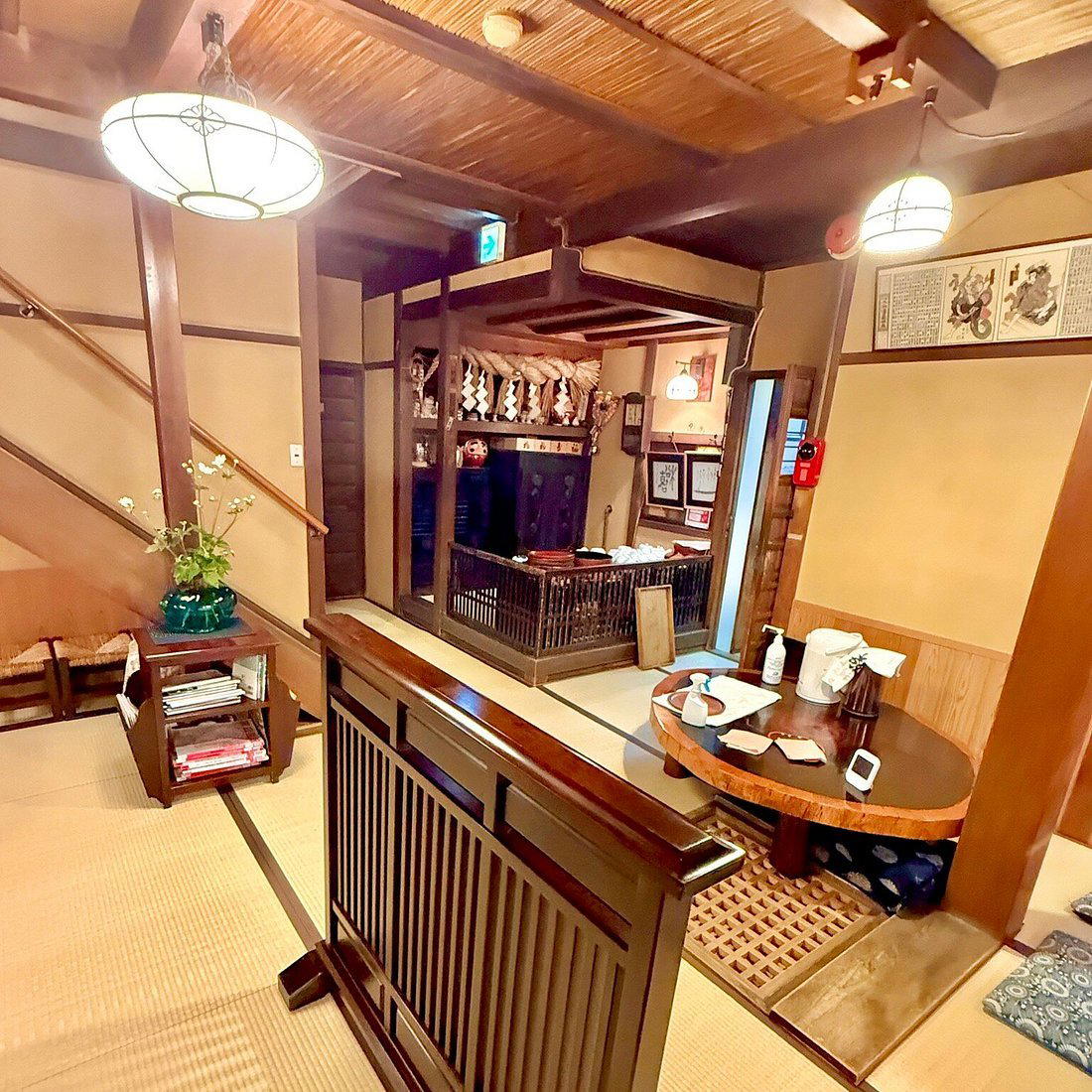
A small, quiet sushi counter with an elegant, modern white exterior and warm natural-wood Kiso hinoki interior, creating an intimate, focused setting for omakase with a refined yet relaxed atmosphere.