
Tabelog 100 #10
Our verdict
Ushi Tora is a Namba tachinomi built around sake, shochu, counter drinking, and the short-stay rhythm that defines Osaka’s standing-bar culture. Its selection for Tabelog 100 - Tachinomi - 2025 places it in a sharper category than casual bar-hopping alone suggests, with the format aimed at adults drinking solo or in small groups rather than lingering over a full dinner.

Pearl is the En Primeur Club membership app, where members save venues, book tables and use the concierge.
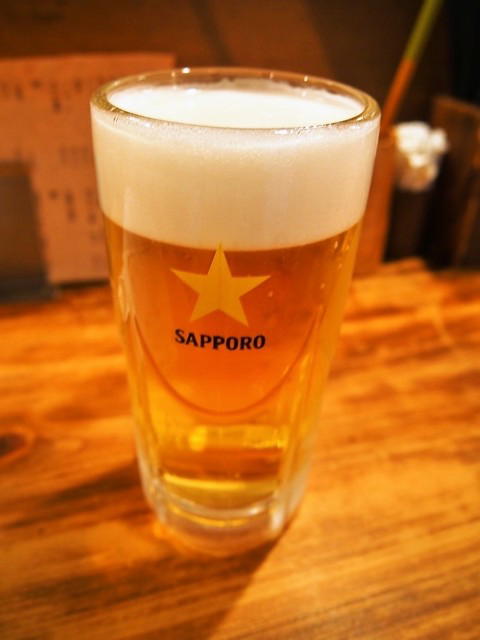
The menu
What to order
- Fried chicken with tartar sauce
- Sashimi platter
- Tempura assortment
Approach Osaka’s drinking grid and the tempo changes before the first glass: shutters, lanterns, station traffic, and compact counters built for people who mean to drink, eat lightly, and move on. Tachinomi is not a lesser izakaya. In Osaka, it is compression as discipline, where room, pour, and menu must work without chairs or a long reservation arc.
That frames Ushi Tora, a stand-up bar in Osaka with a clear place in the city’s casual drinking culture. Its 2025 recognition from Tabelog’s tachinomi-focused list matters because the format is crowded: recognition signals consistency in a setting where turnover, small groups, and drink-led ordering expose weak operations quickly. This is not booking a tasting counter or full izakaya meal. It is a narrower call: a standing counter, a compact bar rhythm, and a night shaped by pace rather than ceremony.
Osaka tachinomi, read through a stand-up bar format
The format tells the story. A tachinomi built around standing service sits apart from craft-cocktail bars, wine-led restaurants, or rooms built around heavy food sequencing. The bar’s pace is the spine, not decoration. That changes room use: shorter orders, smaller groups, and counter proximity make the venue feel like a working drinking stop, not a restaurant with standing added for effect.
Osaka rewards eating and drinking formats that understand speed and appetite. The city intensifies that logic because steady movement feeds the evening: office drinkers, solo diners, and pairs can share the same room without forcing a formal plan. Here, the stand-up framing is not a quirk. It clarifies the audience. This is not all-purpose hospitality; it is a standing bar with enough structure to keep the room disciplined.
Compared with Osaka listings such as NEXT Shikaku or Chitose Honten, this format occupies another pocket of the city’s value culture: less quick meal stop, more the social grammar of standing with drinks at the center. Against casual restaurants such as Aaaa or Singaporean Ryo Riyan Arou, the contrast is clearer. Tachinomi compresses the evening into fewer decisions and less table time. That compression is the appeal, if the guest wants a drink-led stop rather than a seated dinner.
The useful ordering principle is restraint. Tachinomi fails when treated like a banquet and works as a precise interval in a larger Osaka night: a drink, a few small food choices if the menu points that way, then the next address. For a broader crawl or dinner map, Our full Osaka restaurants guide gives wider city context, while Our full Osaka bars guide is the better companion for drink-led pacing.
The room rewards small parties, not celebration logistics
The standing-bar format has hard limits, and those limits are part of its intelligence. A compact standing room is rarely the natural setting for a large group without changing the experience for everyone else. Osaka’s better tachinomi rooms work because guests accept the bargain: less physical comfort for immediacy, lower friction, and a closer read on the bar’s rhythm.
Ushi Tora is more naturally read as a stop for solo drinking or a pair than as a venue built around a formal occasion. That small-party logic is common sense in this category. It protects the counter from becoming an event space and keeps the visit aligned with the standing-bar tradition, where the room belongs equally to the next person through the door. Editorially, that is the difference between casual and careless. The former can be exacting; the latter rarely lasts.
Travelers often misread Osaka nightlife as one circuit. It is better understood as overlapping food and drink patterns: quick bites, late izakaya sessions, specialist counters, department-store basements, and compact bars asking for little time but clear purpose. Generic nearby references can sharpen the map without needing to become the plan. Portable comfort food, bakery-and-snack stops, and more restaurant-shaped evenings all belong to the city’s range. Tachinomi sits between these modes: not a snack counter, formal dinner, or cocktail lounge.
That distinction helps trip planning. A guest might build one night around Osaka’s standing-bar culture and another around a seated table elsewhere. Our full Osaka hotels guide helps anchor the trip, while Our full Osaka experiences guide is useful for travelers who want the city beyond food and drink. Our full Osaka wineries guide is a separate lens, but it underscores the larger point: Osaka rewards category clarity. Pick the format first, then the address.
Where it fits in a sharper Osaka shortlist
The Tabelog tachinomi recognition gives the bar a credible signal without changing the visit. This remains a compact, stand-up, drink-led stop. That is why it belongs on a serious Osaka shortlist: not because it imitates fine dining, but because it preserves a form of drinking tourists often flatten into generic “local atmosphere.” The better reading is specific. Tachinomi is controlled informality, fast decisions, and social scale.
For travelers comparing across Japan, the category sits far from destination dining formats in other cities. It is closer to tightly defined casual specialism, visible across many compact drinking and eating addresses where the success depends less on scale than on discipline. Comparable drink-and-snack formats show the same point: a small room can be memorable when the format is clear, the ordering is simple, and the visit does not pretend to be something larger.
Within Osaka, place it alongside quick-hit addresses rather than full-service dining rooms. THE BUTCHER and other casual Osaka dining rooms each answer different appetite problems. The standing bar answers a narrower one: where to drink in Osaka when the evening calls for a concise, counter-led stop. That narrower brief is its strength.
Budget and Context
Comparable venues by category and price.
| Venue | Cuisine | Price | Awards | Notes |
|---|---|---|---|---|
| Ushi ToraThis venue (the venue you are viewing) | Casual Osaka Izakaya & Standing Bar | $10–20 | Tabelog 100 #10 | Not listed |
| Gyokusei Ya | Traditional Japanese wagashi & ohagi specialty shop | $10–20 | Tabelog 100 #58 | Chūō, Traditional Japanese wagashi & ohagi specialty shop |
| Niji no Hotoke | Osaka spice curry & Japanese-style Western curry | $10–20 | Tabelog 100 #48 | Tennōji, Osaka spice curry & Japanese-style Western curry |
| Hyakka Koushin Shokudo | Spice curry & small plates with natural wine | $10–20 | Tabelog 100 #72 | Chūō, Spice curry & small plates with natural wine |
| Sanuki Udon Imayuki | Traditional Sanuki Udon | $10–20 | Tabelog 100 #22 | Kita, Traditional Sanuki Udon |
| Chuka Soba Sen | Japanese Ramen | $10–20 | Tabelog 100 #85 | Sumiyoshi, Japanese Ramen |
Recognition history
Dated appearances from independent guides and award organizations, with the underlying list record or original source where available.
Tabelog 100 #10 · No. 10
Tabelog · Tabelog 100 - Tachinomi - 2025
Continue exploring
More in Osaka
Restaurants in Osaka
All restaurants in Osaka →



Bars in Osaka
All bars in Osaka →
Hotels in Osaka
All hotels in Osaka →



Wineries in Osaka
Browse all →
Details
- Lively
- Energetic
- Cozy
- After Work
- Casual Hangout
- Solo
- Group Dining
- Late Night
- Standalone
- Sake Program
- Beer Program
- Small Plates
- A La Carte
- Counter Dining
- Sake
- Beer
Current opening hours
- Monday
- 4–11 PM
- Tuesday
- 4–11 PM
- Wednesday
- 4–11 PM
- Thursday
- 4–11 PM
- Friday
- 4–11 PM
- Saturday
- 3–11 PM
- Sunday
- 3–11 PM
Hours can change for holidays and private events. Hours as of .
Dimly lit and a bit dark with a slightly mysterious feel, standing-bar energy, sake bottles and counter space creating an intimate but bustling local izakaya vibe where guests squeeze in for drinks and small plates.