
Tabelog 100 #48
Our verdict
Niji no Hotoke puts Osaka curry in a compact Shitennoji frame: low-cost, highly edited, and serious enough to have earned repeated Tabelog Curry 100 recognition in western Japan. The appeal is not ceremony but discipline, with curry and yoshoku sharing a small-room format that suits solo diners as much as regulars moving through Tennoji.

Pearl is the En Primeur Club membership app, where members save venues, book tables and use the concierge.
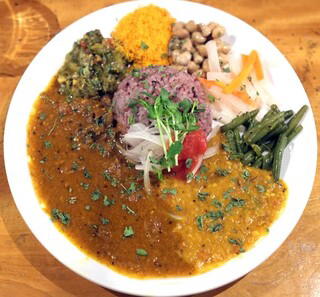
The menu
What to order
- Osaka spice curry inspired by Angolan muamba
- Curry katsu
Approaching Niji no Hotoke in Osaka, the city’s curry culture can feel far from the most theatrical images of urban dining. The rhythm is quieter: everyday meals, practical budgets, and focused restaurants where value matters as much as display. Niji no Hotoke belongs to the Osaka category where the experience is low-priced and more serious than the tariff suggests: curry, yoshoku, a focused format, and an appeal built on accessible dining rather than performance.
Osaka curry has its own grammar, borrowing from Japanese home cooking, kissaten-style plates, spice-shop experimentation, and yoshoku’s Western-in-Japanese-translation comfort, then compressing them into meals often cheaper than a hotel-bar cocktail. That affordability is central. Niji no Hotoke’s 2024 Tabelog Hyakumeiten recognition places it in a competitive field where consistency matters more than luxury signals, and where a concise format can feel personal without drifting into chef mythology.
Osaka curry, treated as a serious small-room genre
The useful comparison here is not only with other curry shops. Shitennoji Hayauchi shows how a soba restaurant builds authority through restraint; Sushidokoro Amano represents the opposite end of the Osaka dining economy, where sushi technique and spending expectations create a formal bracket. Between them sits the curry-yoshoku lane: informal, exacting, and dependent on clarity rather than ceremony. Niji no Hotoke’s appeal is legible through that lens. The restaurant can serve everyday dining needs while still carrying the seriousness implied by category recognition.
The format explains why the restaurant fits Osaka. Casual specialist dining in Japan is not just about saving money; it makes choices about production, pacing, and hospitality visible to the diner. In curry restaurants, the exchange is especially direct. The kitchen must balance heat, rice, sauce, garnishes, and timing while the room supports a meal that should feel practical without becoming anonymous. When coordination works, the meal feels edited rather than rushed. The team dynamic is the substance, even without named personalities.
Niji no Hotoke is a lens on Osaka’s less formal excellence. The city’s restaurant identity is often reduced to famous street foods and late-night appetite, but its specialist dining is just as revealing. It shows how value, focus, and repeatability become critical virtues. The Tabelog score of 3.71 is useful not as a universal verdict, but as a signal within Japan’s review culture, where sustained support for a modestly priced specialist carries weight. The 2024 Tabelog Hyakumeiten recognition adds the stronger editorial point: this is a curry and yoshoku restaurant that has drawn notice in a crowded category.
Why the Osaka setting changes the meal
Osaka has several dining personalities. Some meals in the city are quick and practical; others are slower, more formal, and more expensive. That difference matters for curry. A convenient casual stop competes on speed; a serious Osaka curry restaurant must justify attention through identity and repeat demand. Niji no Hotoke does so in a price-conscious lane while earning recognition in a category that attracts obsessive local comparison.
The yoshoku connection is important. Japanese curry is often misread as one dish rather than a family of styles shaped by military mess halls, school lunches, department-store dining, home roux, regional spice movements, and Western-style Japanese restaurants. Yoshoku gives the format a broader vocabulary: rice plates, sauces, comfort, and plating logic that makes a modest meal feel complete. Without inventing a specific order, the category tells the reader how to approach the table: expect Japanese curry within Osaka comfort food, not a facsimile of Indian or Thai curry.
For travelers building a food day, this differs from booking a formal tasting menu. It pairs naturally with an Osaka itinerary, then leaves budget and appetite for another register later. Osaka rewards that sequencing. A bakery stop, a casual city snack, or coffee can sit in the same day as a more structured dinner elsewhere in the city. The point is contrast: Osaka is strongest when low-cost specialists and formal rooms share the itinerary without pretending to be the same kind of experience.
How to place it in an Osaka itinerary
Niji no Hotoke is not for travelers seeking a long, choreographed meal. It is for the diner who understands that a modest curry and yoshoku restaurant can say as much about Osaka as a chef’s counter with a longer bill. Planning should follow the logic of the category: arrive with flexibility, expect a practical price band, and treat the meal as a focused stop rather than an all-evening production. The listed budget is Dinner: JPY 1,000 - JPY 1,999; Lunch: JPY 1,000 - JPY 1,999, which keeps the restaurant firmly in Osaka’s value-minded specialist lane.
Its selection history gives the restaurant a clear editorial reason to sit on a serious Osaka food map. Tabelog Hyakumeiten recognition in 2024 places the restaurant among recognized curry venues rather than generic casual restaurants. Curry at this level is not expensive dining made cheaper; it is its own craft category, judged on repeatability, sauce structure, rice handling, room flow, and local loyalty. The restaurant’s strength lies in that matrix.
Readers comparing Osaka options should use category, not glamour, as the filter. For soba, Shitennoji Hayauchi speaks to a separate tradition; for high-spend sushi, Sushidokoro Amano belongs to another bracket; for French, au soleil couchant changes the tempo entirely. Niji no Hotoke answers a narrower question: where does Osaka’s everyday curry culture become serious enough to merit a detour? For broader planning, use Our full Osaka restaurants guide alongside Our full Osaka hotels guide, Our full Osaka bars guide, Our full Osaka wineries guide, and Our full Osaka experiences guide. For a wider reading list, compare the format with other casual specialist dining in Japan and beyond, keeping the focus on how modest rooms can carry serious local identity.
Frequently asked questions
What does dinner at Niji no Hotoke typically cost?
Pricing at Niji no Hotoke is listed as JPY 1,000 - JPY 1,999 JPY 1,000 - JPY 1,999.
What's Niji no Hotoke's location?
Osaka.
Is Niji no Hotoke reservation-only?
Available ground-truth details place Niji no Hotoke in Osaka as a curry and yoshoku restaurant with a modest listed budget. Treat it as a focused casual dining stop rather than a long, choreographed meal.
What do critics highlight about Niji no Hotoke?
The strongest signal is institutional rather than rhetorical: Tabelog recognition in 2024, alongside a listed score of 3.71. The provided categories are Curry and Yoshoku, placing it within Osaka’s serious but accessible specialist dining culture.
The Quick Read
Comparable venues for context, by category and price tier.
| Venue | Cuisine | Price | Awards | Notes |
|---|---|---|---|---|
| Niji no HotokeThis venue (the venue you are viewing) | Osaka spice curry & Japanese-style Western curry | $10–20 | Tabelog 100 #48 | Not listed |
| Shitennoji Hayauchi | Traditional Soba | $30–50 | Michelin Bib Gourmand · Tabelog 100 #9 | Soba |
| Sushidokoro Amano | Edomae Sushi Omakase | $300–500 | 1 Michelin Star | Sushi |
| au soleil couchant | French Bistro | Not listed | Michelin Bib Gourmand | French |
| Boulangerie parigot | Not listed | $10–20 | Tabelog 100 #86 | JPY 999 - JPY 999 |
| Yuiitsu Muni no Ramen Senmon Ten Ibukuro Washizukami | Specialty Ramen Shop | $10–20 | Tabelog 100 #61 | JPY 999 - JPY 999 |
Recognition history
Dated appearances from independent guides and award organizations, with the underlying list record or original source where available.
Tabelog 100 #48 · No. 48
Tabelog · Tabelog 100 - Curry - WEST - 2024
Continue exploring
More in Osaka
Restaurants in Osaka
All restaurants in Osaka →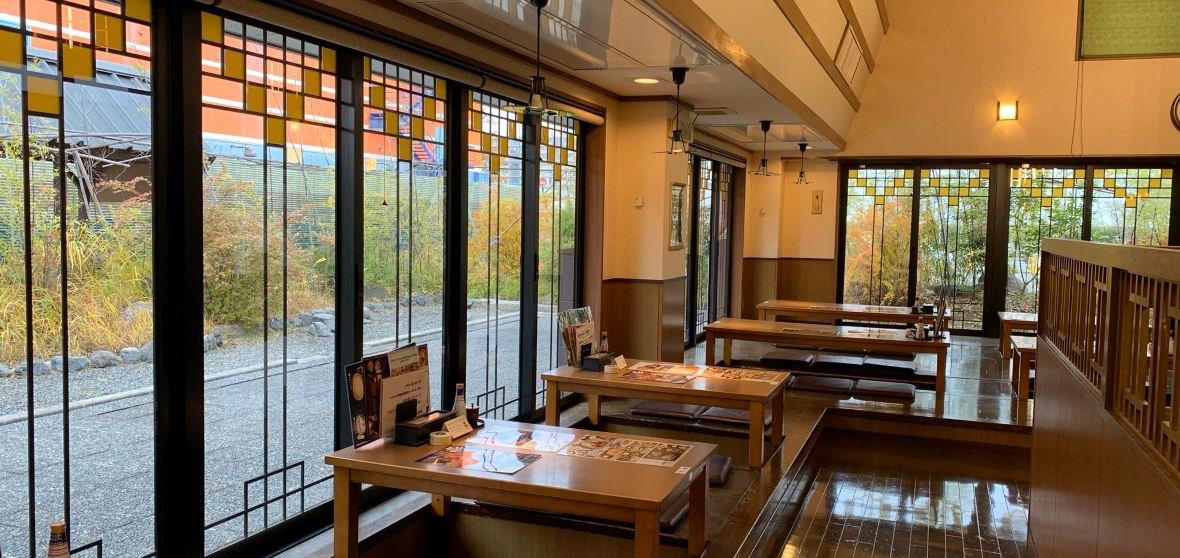



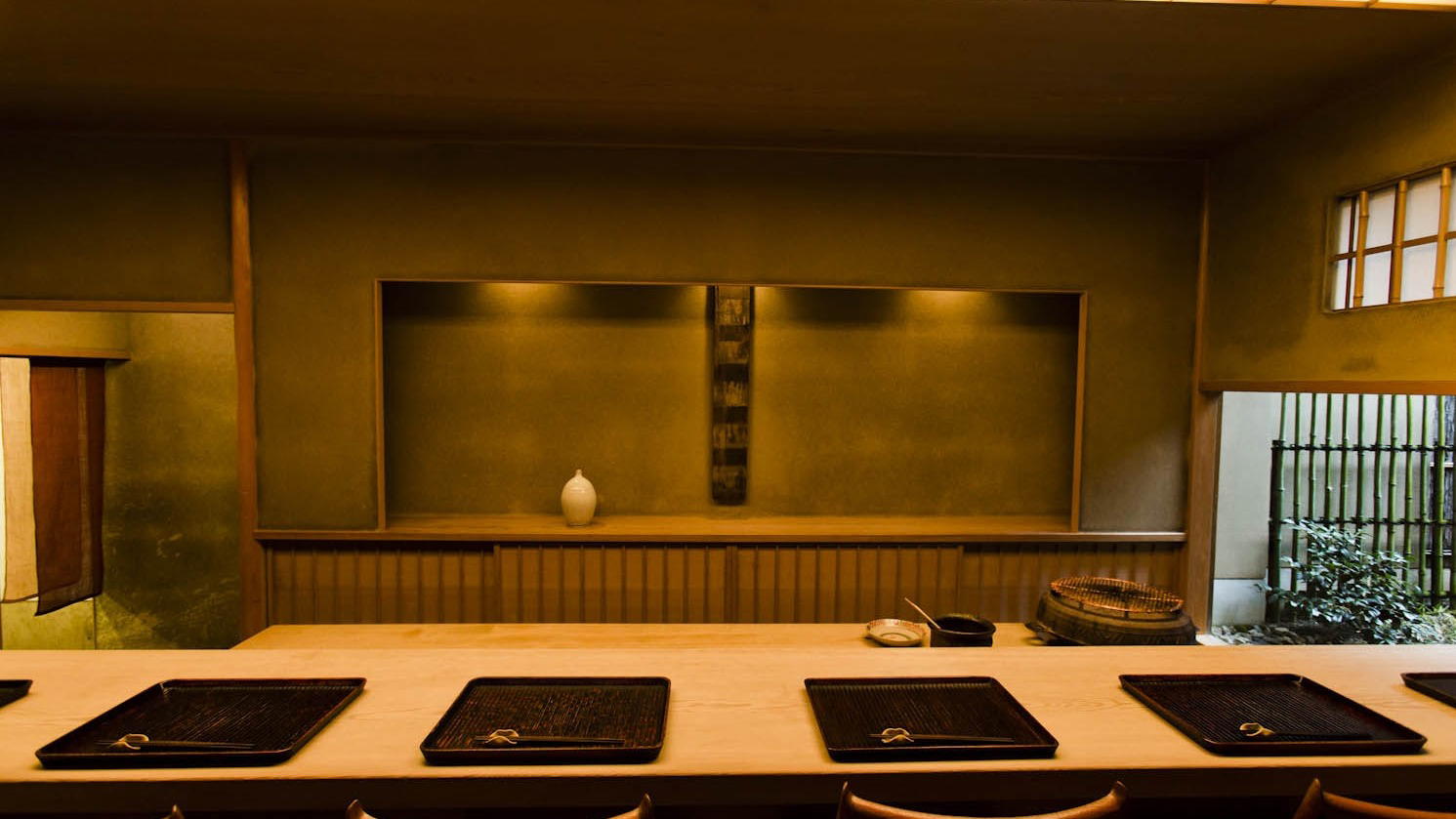
Bars in Osaka
All bars in Osaka →

Hotels in Osaka
All hotels in Osaka →



Wineries in Osaka
Browse all →
Details
- Cozy
- Casual
- Solo
- Casual Hangout
- After Work
- Standalone
- A La Carte
- Counter Dining
Small 19‑seat curry shop with counter seating and a relaxed, cozy atmosphere suited to solo diners and casual visits with friends.