← Guides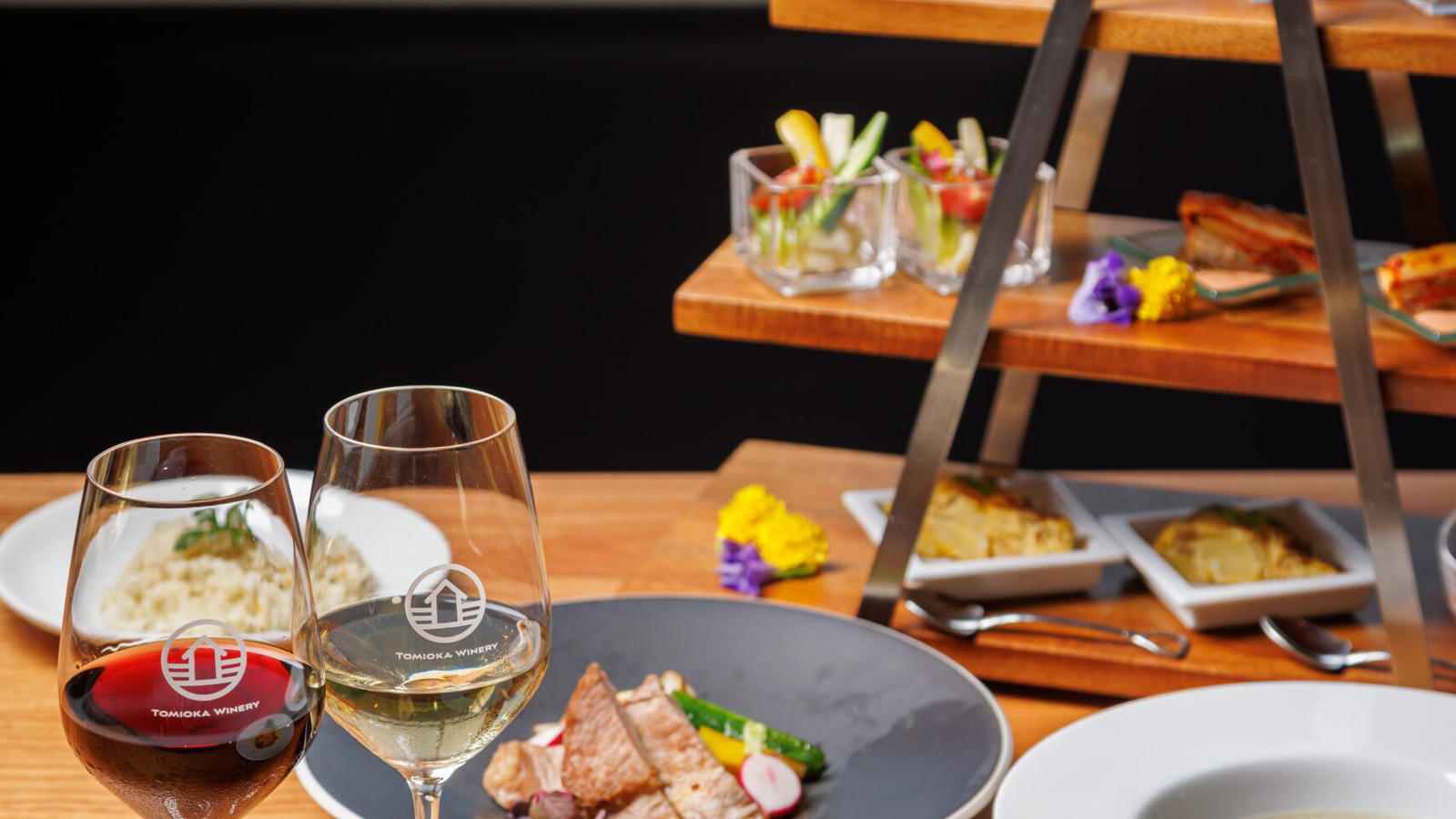
As Decanter describes it, five kilometres from Fukushima Daiichi, Tomioka Winery planted its first vines in 2016 while the town was still evacuated, now producing 10,000 bottles annually and employing 12 people.
As Decanter describes it, five kilometres from Fukushima Daiichi, Tomioka Winery planted its first vines in 2016 while the town was still evacuated, now producing 10,000 bottles annually and employing 12 people.
As Decanter describes it, five kilometres from the Fukushima Daiichi nuclear plant, Shubun Endo planted the first grapevines in Tomioka in April 2016, while the entire town was still under evacuation orders.
Fifteen years after the Great East Japan Earthquake and tsunami devastated this coastal community, Tomioka Winery has scaled from an experimental 57-bottle first vintage in 2019 to a 12-person operation producing 10,000 bottles annually.
The winery now farms 60,000 square metres of vineyards with 16,000 grapevines, a number that serendipitously matches Tomioka's pre-disaster population. Within five years, the operation plans to produce 30,000 to 40,000 bottles of Chardonnay, Merlot, Sauvignon Blanc, and Koshu.
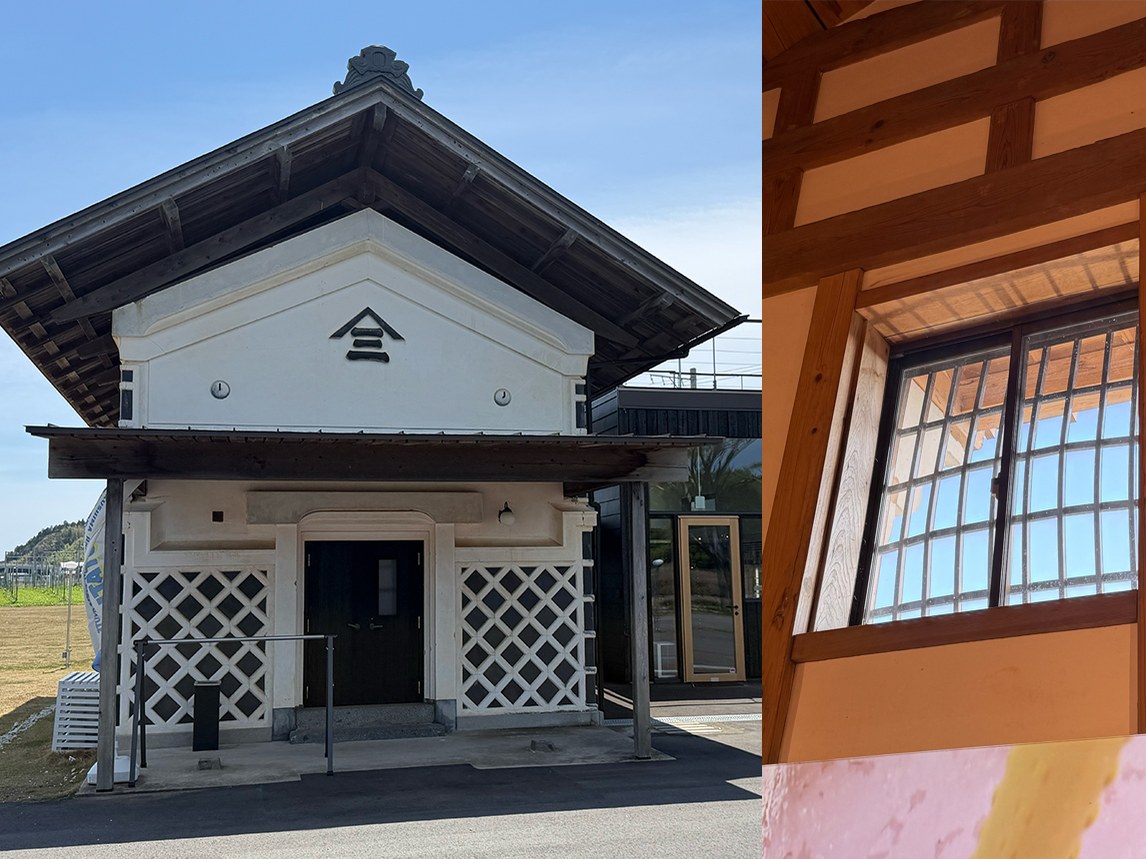
The winery sits beside Tomioka Station, next to an 80-year-old Endo family storehouse that survived the tsunami. The metal rails on its windows, bent and pummelled by the waves, are now part of the winery's logo, a visual anchor for a regeneration story that began with profound scepticism. When Endo first proposed viticulture in Tomioka, most residents doubted the plan. Grapes wouldn't grow near the ocean, they said. No one would drink wine made on land associated with radiation contamination.
Endo's family has 300 years of history in Tomioka. His father was serving as mayor during the 2011 disaster and led the town's evacuation. That lineage gave Endo a sense of duty that overrode the objections. "After the earthquake, I came to feel even more strongly about the importance of the region's revitalisation, and my desire to establish wine as a permanent part of the community grew," said Shubun Endo.1 He had traveled widely before 2011 and developed an appreciation for wine culture as a social anchor, a way to connect the region's sea, mountains, and rivers through a shared culinary identity.
The April 2016 planting was an act of defiance as much as agriculture. The town was still evacuated. The Fashion Center Shimamura near the winery site stood frozen in time, clothes torn and strewn across the ground. Endo assembled a team that included Junichiro Hosokawa, a sommelier and winemaker who relocated to Tomioka in 2022. Hosokawa had checked the radiation monitors in town before committing, the levels were not polished. What he found instead was a sense of purpose: starting a winery from scratch in a place with no track record of grape cultivation, every decision an exploration of what might work near the coast.
The biggest challenge was the soil. The team removed topsoil ravaged by the tsunami and replaced it with river sand from the Natsui River in Iwaki City and soil sourced from the Abukuma mountain range, about 45 minutes away. The replacement material came from the same geological origins as the original topsoil. "By using topsoil from the same origin as the original soil, we believe that Tomioka's terroir has been restored," said Junichiro Hosokawa.2 That claim, terroir restored through documented geological sourcing, is the kind of provenance detail that separates a regeneration project from a marketing narrative.
The first few years were marked by vine diseases and insect pressure. Endo, Hosokawa, and a team of volunteers had little success until 2019, when they harvested enough grapes to produce 57 bottles. Endo describes that moment as a turning point, the impossible becoming possible, the volunteers' mindset shifting from doubt to belief. That first vintage was a proof of concept, not a commercial release. It demonstrated that viticulture could survive in Tomioka's coastal microclimate, five kilometres from a nuclear disaster site.
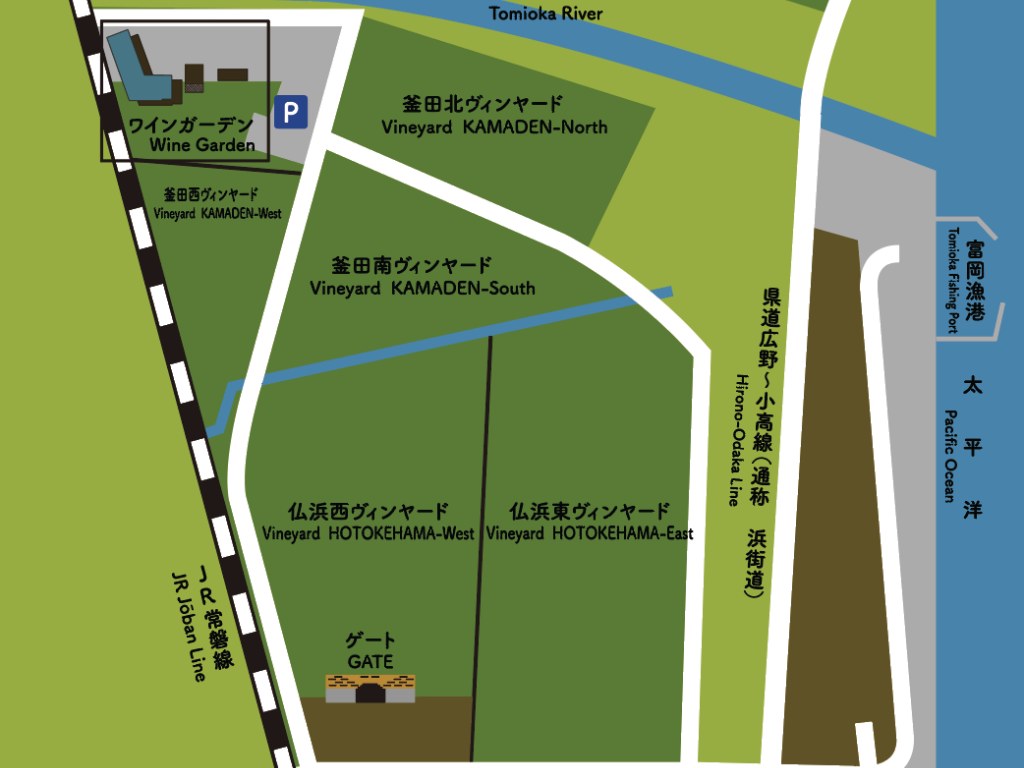
Today, Tomioka Winery employs 12 people across its restaurant, shop, and vineyards. The operation farms 60,000 square metres with 16,000 grapevines, a number that matches the town's pre-2011 population of 16,000 residents. Only around 1,300 of those residents have returned.
The winery's employment roster is a small but concrete contribution to the town's economic recovery. The operation does not yet produce enough grapes to meet its annual production of 10,000 bottles, so it supplements with fruit from other prefectures.
Within five years, the winery will have the infrastructure to produce 30,000 to 40,000 bottles annually, including Chardonnay, Merlot, Sauvignon Blanc, and Koshu.
The production timeline is a useful signal for collectors tracking Japanese wine. The 2019 first vintage of 57 bottles is effectively unobtainable. The current 10,000-bottle annual production is small enough to create scarcity but large enough to suggest the winery has moved beyond experimental status. The planned scale-up to 30,000-40,000 bottles within five years indicates a shift toward commercial viability without losing the artisanal scale that defines the project. For importers and sommeliers, that trajectory, from 57 bottles to 40,000, is a narrative anchor that differentiates Tomioka from other Japanese wine projects.
Endo's approach to winemaking includes a whimsical detail: he plays Debussy's La Mer continuously in the cellar during fermentation. The choice is deliberate. Many winemakers use Mozart, Endo notes, but it didn't work well in Tomioka. The winery needed something better suited to the sea breeze, music that reflected the ocean. The practice is inspired by winemakers who believe sound vibrations can influence fermentation, a claim that remains unverified by controlled studies but adds a layer of intentionality to the winemaking process. Endo has also placed stickers in the cellar reading "thank you" in Japanese, English, French, Spanish, Chinese, Korean, Indonesian, and Ukrainian, languages from the countries that inspired his winemaking journey. The gesture honors the living bacteria in fermentation, a practice he borrowed from a soy sauce factory in Nagoya.
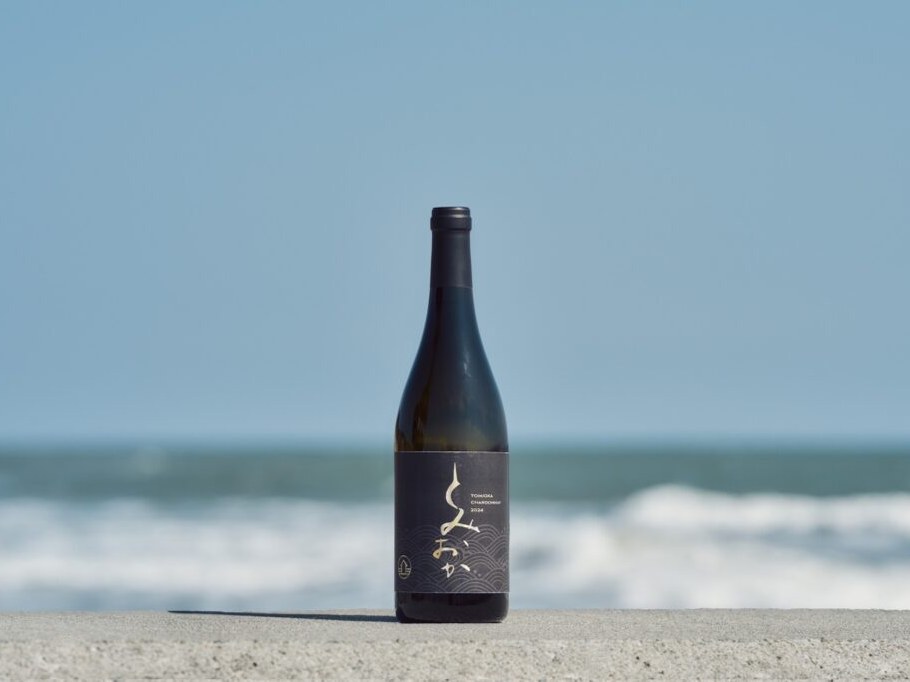
The wines themselves express a distinctive provenance story. Tomioka Winery grows Chardonnay, Merlot, Sauvignon Blanc, and Koshu, four varieties that represent both international recognition (Chardonnay, Merlot, Sauvignon Blanc) and Japanese wine tradition (Koshu). The choice of varieties reflects a dual ambition: to produce wines that can compete in global markets while honoring Japan's indigenous grape heritage. The coastal location, five kilometres from the Pacific, introduces a maritime influence that is rare in Japanese viticulture, which is more commonly associated with mountainous inland regions.
The soil replacement program, river sand from the Natsui River and mountain soil from the Abukuma range, creates a terroir profile that is both reconstructed and geologically continuous with the original site. That continuity is the basis for Hosokawa's claim that Tomioka's terroir has been restored. For collectors and trade, the documented soil sourcing is a form of provenance that goes beyond typical vineyard storytelling. It is a geological audit trail that ties the wine to a specific place, even after that place was physically altered by disaster.
The winery's location beside Tomioka Station and next to the 80-year-old Endo family storehouse adds a layer of historical continuity. The storehouse, with its tsunami-damaged window rails, is a physical artifact of the 2011 disaster. Its incorporation into the winery's logo is a deliberate choice to anchor the brand in the town's history rather than obscure it. For wine enthusiasts who value origin stories, that choice, to make the disaster visible rather than erase it, is a form of honesty that separates Tomioka from wine projects that rely on pastoral nostalgia.
The winery's current production of 10,000 bottles annually, supplemented with grapes from other prefectures, means that not all Tomioka Winery releases are estate-grown. That detail is important for collectors who prioritize single-estate provenance. The planned scale-up to 30,000-40,000 bottles within five years suggests that the proportion of estate-grown fruit will increase as the vineyards mature. For now, the wines are a hybrid: some fruit from Tomioka's reconstructed terroir, some from other Fukushima prefectures. That blend is a practical response to the winery's early-stage production capacity, not a compromise in quality.
Tomioka Winery's documented timeline, April 2016 first planting, 2019 first vintage of 57 bottles, current production of 10,000 bottles, planned scale-up to 30,000-40,000 bottles, creates a collector signal distinct from conventional Japanese wine narratives. The winery is not positioned as a centuries-old estate or a boutique project by a celebrity winemaker. It is a regeneration story with a precise start date and a measurable trajectory. That clarity is useful for importers and sommeliers who need to explain the wine's context to customers.
The winery's proximity to Fukushima Daiichi, five kilometres, is both a liability and a differentiator. Major recovery efforts in the region, including topsoil removal, demolition of contaminated buildings, and extensive cleaning, have reduced radiation levels. Most evacuation orders have been lifted.
Hosokawa checked the radiation monitors in town before relocating and found the levels were not polished. That fact, verifiable through public radiation monitoring data, is the basis for the winery's safety claim. For collectors, the documented radiation monitoring is a form of transparency that addresses the obvious concern about wine from Fukushima.
The winery's employment of 12 people and its role as a community anchor, a restaurant, shop, and vineyard operation beside Tomioka Station, positions it as a social enterprise as much as a wine producer. That dual identity is relevant for trade buyers who prioritize wines with a social impact story. The winery is not just producing bottles; it is creating jobs in a town where only 1,300 of 16,000 pre-disaster residents have returned. That employment figure, 12 people, is small in absolute terms but meaningful in the context of Tomioka's depopulation.
The planned production scale-up to 30,000-40,000 bottles within five years suggests that Tomioka Winery will remain a small-scale producer by global standards. That scale is consistent with the artisanal positioning that defines much of Japanese wine.
For collectors who track allocation-driven Japanese wine, the winery's production trajectory is a useful benchmark. The 57-bottle first vintage is a rarity signal. The current 10,000-bottle production is small enough to create scarcity but large enough to suggest the winery has moved beyond experimental status.
The planned 30,000-40,000 bottles within five years is a scale that can support international distribution without losing the artisanal identity that defines the project.
The winery's choice to grow Chardonnay, Merlot, Sauvignon Blanc, and Koshu reflects a strategy that balances international recognition with Japanese wine tradition. Chardonnay and Sauvignon Blanc are globally recognized white varieties that can compete in international markets. Merlot is a red variety with broad appeal.
Koshu is Japan's indigenous white grape, a variety that signals the winery's commitment to Japanese wine heritage.
That varietal mix is a form of portfolio diversification that allows the winery to appeal to multiple market segments: collectors who prioritize indigenous varieties, sommeliers who need internationally recognized grapes for by-the-glass programs, and trade buyers who want a Japanese wine with a compelling origin story.
The winery's location beside Tomioka Station makes it accessible for visitors, though the town is unlikely to appear on most travelers' Japan itineraries. Endo's ambition is to build a wine culture in Tomioka that will attract visitors within a generation or two. That timeline, a generation or two, is a long-term vision that acknowledges the town's current depopulation and the slow pace of recovery. For wine-focused travelers, the winery is a destination that requires intentionality. It is not a stop on a typical Kyoto-Tokyo itinerary. It is a detour for enthusiasts who want to see a regeneration project in progress.
The winery's use of Debussy's La Mer during fermentation and the multilingual "thank you" stickers in the cellar are details that add texture to the winery's identity. They are not essential to the wine's quality, but they signal a winemaking philosophy that values intentionality and cultural connection. For collectors who prioritize winemaker personality and philosophy, those details are part of the story that differentiates Tomioka from other Japanese wine projects.
Tomioka Winery's documented timeline, its employment of 12 people, its planned scale-up to 30,000-40,000 bottles, and its proximity to Fukushima Daiichi create a collector signal that is distinct from conventional Japanese wine narratives. The winery is not positioned as a luxury brand or a boutique project by a celebrity winemaker. It is a regeneration story with a precise start date, a measurable trajectory, and a social impact that extends beyond the bottle. For collectors and trade who prioritize provenance, transparency, and social enterprise, Tomioka Winery is a project worth tracking as it scales toward commercial viability.
Tagged
Get the App
Take the shortlist into the En Primeur Club app for concierge access, saved places, and the next step after discovery.
Get Exclusive AccessMore from the editors