
Michelin Plate
Our verdict
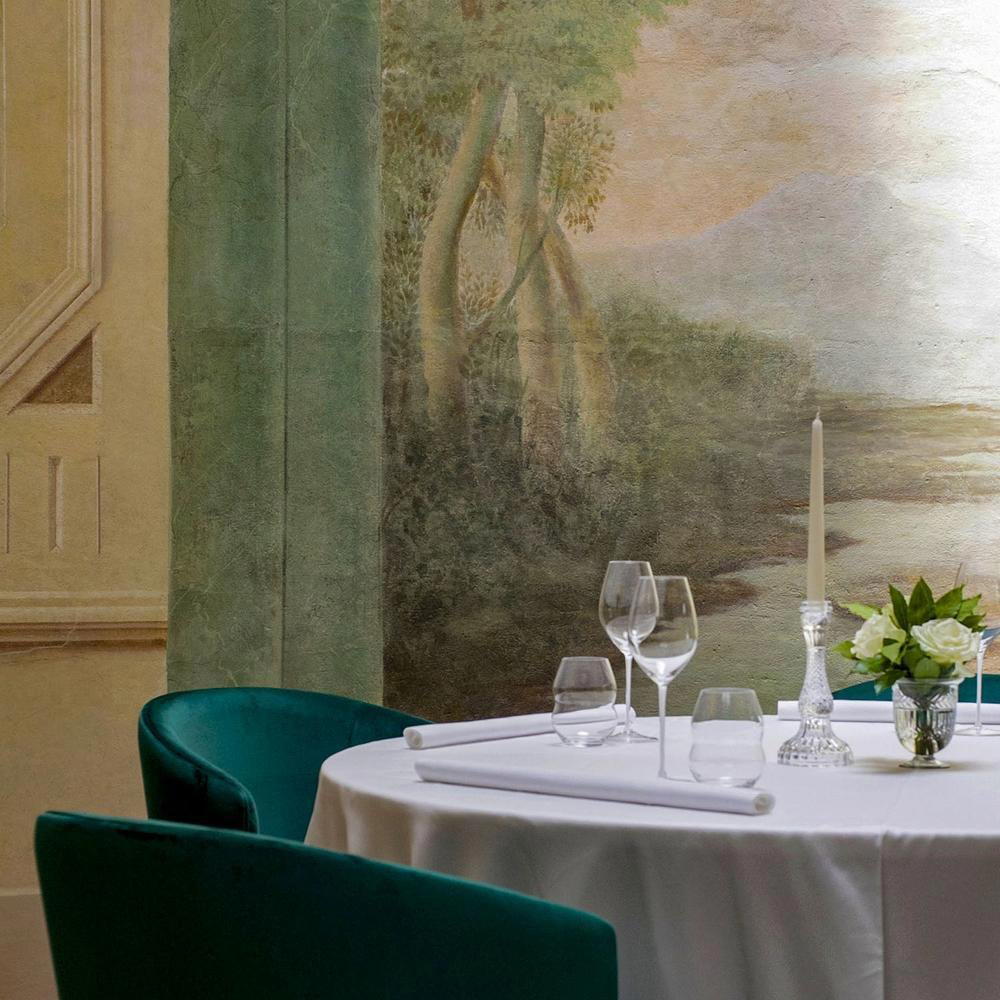
Perched on the seventh floor of the Grand Hotel Wien on Kärntner Ring, UNKAI brings Japanese cooking to one of Vienna's most formal address points. Holding a Michelin Plate in both 2024 and 2025, it occupies a specific niche in the city's dining scene: accessible Japanese at a mid-range price point, with the kind of rooftop remove that shifts the register of an evening.

Pearl is the En Primeur Club membership app — saves, bookings, and concierge access live there. Same editors, same standards.
- Address
- Kärntner Ring 9 im 7. Stock im Grand Hotel, 1010 Wien, Austria
- Phone
- +43 1 515809110
- Hours
- Mon–Tue ClosedWed–Sat 6–11 PMSun Closed
- Website
- unkai.at
- Directions
- Get directions
- Booking
- Book on TheFork
The menu
What to order
- Zui un Kaiseki
- Teppanyaki
- Sushi Brunch
- Unkai Bento Boxes
Japanese Dining at Altitude: UNKAI and Vienna's Slow-Building Japanese Scene
Vienna's relationship with Japanese cuisine has developed quietly over the past two decades, arriving later than London or Paris and building more cautiously. The city now supports a layered Japanese dining scene that runs from fast-casual ramen to mid-market sushi counters, with a handful of venues holding Michelin recognition. UNKAI sits within that mid-tier with a specific advantage: elevation. The restaurant occupies the seventh floor of the Grand Hotel Wien on Kärntner Ring, placing it above the dense tourist corridor of the first district with views that most ground-floor competitors in Vienna simply cannot replicate. That positioning is not incidental — it shapes how the entire experience is framed.
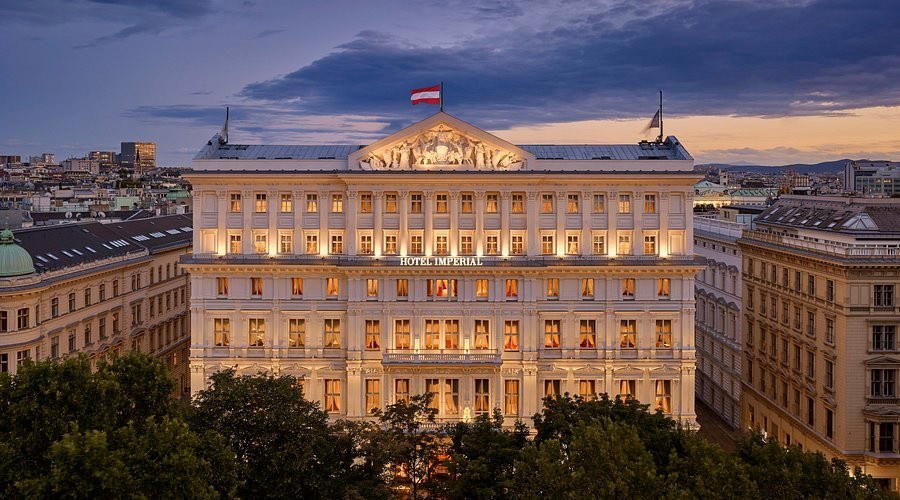
The Grand Hotel Wien itself is a reference point on the Ringstrasse, a stretch that sets the architectural tone for formal Vienna. Arriving via the hotel lobby before ascending to the seventh floor produces a particular shift in atmosphere: the street noise of Kärntner Ring drops away, and the room opens onto a different register. For Japanese dining specifically, this kind of physical remove has precedent. In Tokyo, rooftop and upper-floor Japanese restaurants use height to signal separation from street-level dining, and the association carries. UNKAI borrows from that logic, intentionally or not.
Izakaya Spirit in a Grand Hotel Setting
The editorial angle here is worth pressing on, because izakaya culture — Japan's tradition of communal, informal eating and drinking where dishes arrive as they're ready rather than in prescribed courses, doesn't map neatly onto a seven-floor hotel restaurant in Central Europe. And yet that tension is precisely what makes UNKAI interesting as a case study in how Japanese hospitality formats travel.
Izakaya, at its structural core, is about sharing: small plates, rotating orders, the table as a collective rather than individual dining units. That format has proven highly adaptable across European cities, partly because it mirrors European aperitivo and tapas cultures in spirit, even when the ingredients are entirely different. Where Vienna's own gemütlichkeit tradition values lingering at the table over multiple rounds, the izakaya model finds a natural parallel. UNKAI's mid-range price positioning (€€ on a four-tier scale) reinforces this: a meal here is designed to be an occasion without the formality or spend of a tasting-menu room.
For comparison, Mochi addresses a similar Japanese casual register in Vienna, while SHIKI Brasserie & Bar covers a broader brasserie format with Japanese foundations. UNKAI's hotel setting differentiates it from both: it operates within the infrastructure of a grand property, which brings different service rhythms and a guest mix that includes international hotel visitors alongside local diners.
What the Michelin Plate Signals
Holding the Michelin Plate in consecutive years (2024 and 2025) is a meaningful positioning signal. The Plate designation in the Michelin system indicates that inspectors consider the kitchen capable of producing food of good quality, it sits below the star tier but above unrecognized restaurants in the Guide's own hierarchy. For Japanese cuisine in a European capital, a two-year consecutive Plate suggests that UNKAI has stabilized its kitchen output to a level that satisfies the consistency requirement Michelin applies across visits.
Vienna's Michelin-recognized restaurants cluster heavily in the Austrian creative and modern European categories. Steirereck im Stadtpark, Amador, and Doubek represent the higher-end creative tier in the city, all operating at €€€€. UNKAI's Plate at €€ occupies a different bracket entirely, making it one of the more accessible Michelin-recognized Japanese options in the Austrian capital.
Vienna in the Broader Austrian Dining Context
Vienna anchors Austria's dining scene but doesn't contain all of it. Restaurants like Döllerer in Golling an der Salzach, Obauer in Werfen, and Ikarus in Salzburg demonstrate that high-end Austrian cooking is as much a regional phenomenon as a capital-city one. The alpine restaurants, including Gourmetrestaurant Tannenhof in Sankt Anton am Arlberg, Griggeler Stuba in Lech, and Kräuterreich by Vitus Winkler in Sankt Veit im Pongau, operate in a different seasonal rhythm, peaking in ski season when Vienna restaurants run year-round. UNKAI sits squarely in the capital's permanent dining infrastructure, making it a year-round option rather than a destination tied to a travel window.
For those building a broader Austrian itinerary, our full Vienna restaurants guide maps the city's dining across price points and cuisines. If accommodation context matters, our full Vienna hotels guide covers the property tier relevant to first-district dining. Those interested in the city's drinking culture can consult our full Vienna bars guide, and for broader city planning, our Vienna wineries guide and experiences guide round out the picture.
Japanese Dining Benchmarks Beyond Vienna
For those who use Tokyo as a reference point for Japanese cooking, the city's own Michelin-recognized Japanese restaurants operate on entirely different terms. Myojaku and Azabu Kadowaki represent what Japanese cuisine looks like when it's competing within its own home ecosystem, at a level of ingredient specificity and technique depth that European Japanese restaurants are generally benchmarked against rather than compared to directly. UNKAI is better understood as Vienna's interpretation of Japanese hospitality than as a proxy for Tokyo dining.
Planning a Visit
UNKAI is located at Kärntner Ring 9, on the seventh floor of the Grand Hotel Wien, in Vienna's first district. The Kärntner Ring address puts it within easy reach of the Staatsoper U-Bahn stop and the broader Ringstrasse corridor, arrival on foot from the opera district takes under five minutes. As a hotel restaurant, the booking process runs through the Grand Hotel Wien's reservations infrastructure; contacting the hotel directly is the most reliable approach in the absence of a dedicated booking platform. The €€ pricing positions a full dinner at a level well below Vienna's starred tasting-menu rooms, making it a practical choice for a mid-week dinner or a first-night arrival meal when the goal is quality without ceremony. The seventh-floor setting makes evening timing the most rewarding: the light over the Ringstrasse shifts in the hour before dark, and the views earn their mention.
Frequently asked questions
What's the must-try dish at UNKAI?
| Venue | Cuisine | Price | Awards | Notes |
|---|---|---|---|---|
| UNKAIThis venue — the venue you are viewing | Authentic Japanese Fine Dining with Kaiseki & Teppanyaki | $50–100 | Michelin Plate | Not listed |
| Steirereck im Stadtpark | Modern Austrian Fine Dining | $200–300 | 3 Michelin Stars · World's 50 Best #33 | Creative |
| Mraz & Sohn | Contemporary Austrian Fusion | $150–200 | 2 Michelin Stars · La Liste Top Restaurants | Modern Austrian, Creative |
| Silvio Nickol Gourmet Restaurant | Modern Austrian Fine Dining | $300–500 | 2 Michelin Stars · La Liste Top Restaurants | Modern Cuisine |
| Konstantin Filippou | Modern Fish-Led Fine Dining | $200–300 | 2 Michelin Stars · La Liste Top Restaurants | Modern European, Modern Cuisine |
| APRON | Modern Austrian Fine Dining | $150–200 | 1 Michelin Star · Falstaff Restaurant - 95 Falstaff Points | Austrian, Creative |
Recognition history
Dated appearances from independent guides and award organizations, with the underlying list record or original source where available.
Michelin Plate
Michelin
Full recognition history (2 entries)
Michelin Plate
Michelin
Continue exploring
More in Vienna
Restaurants in Vienna
Browse all →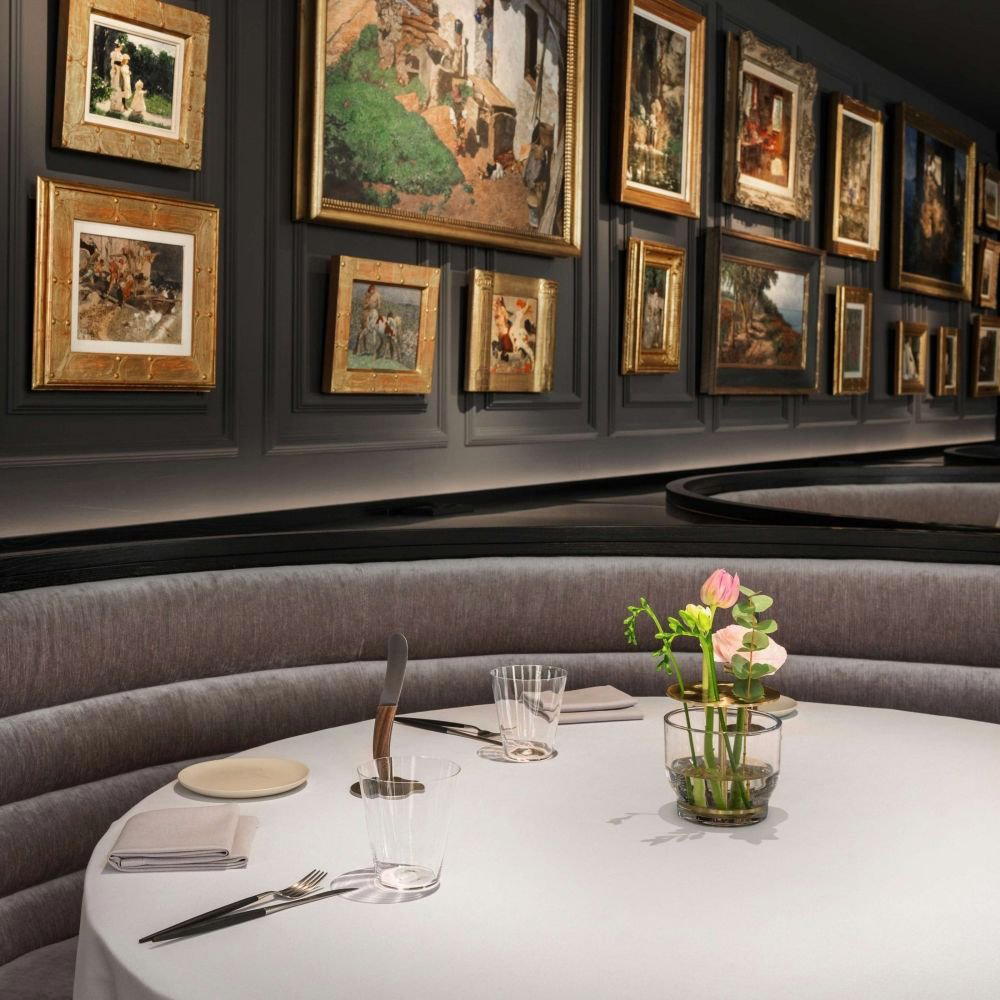
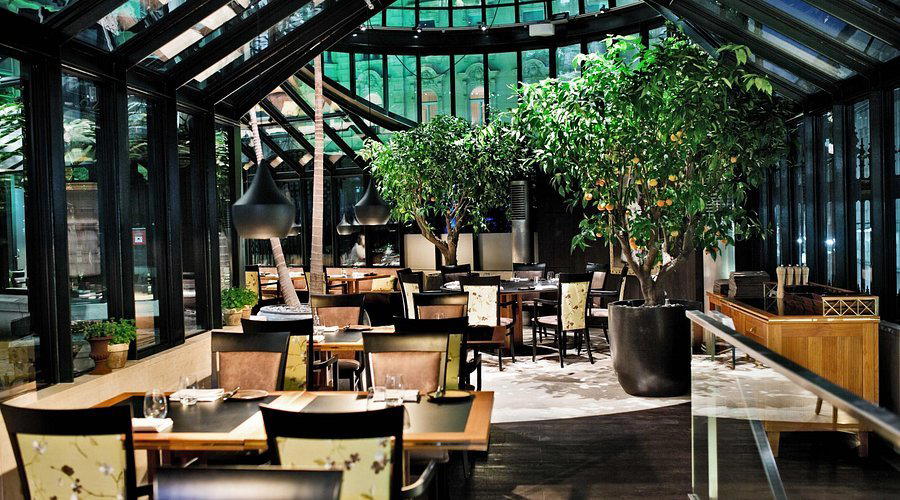
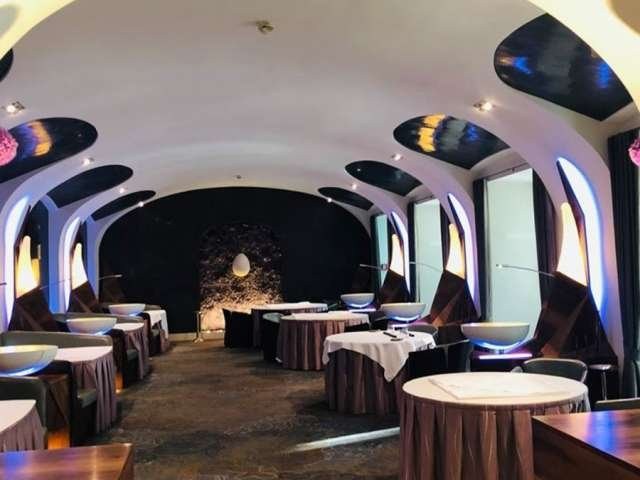
Bars in Vienna
Browse all →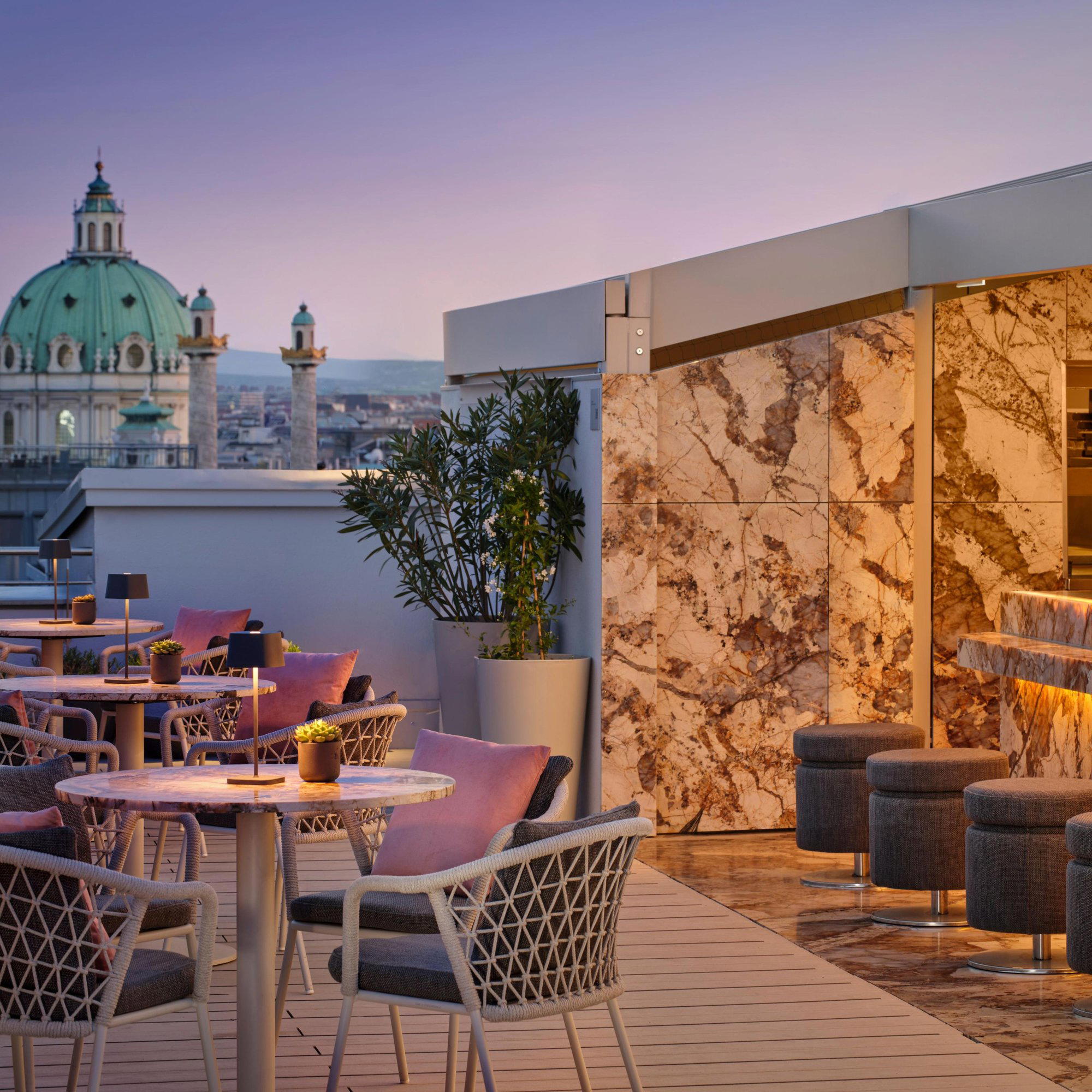
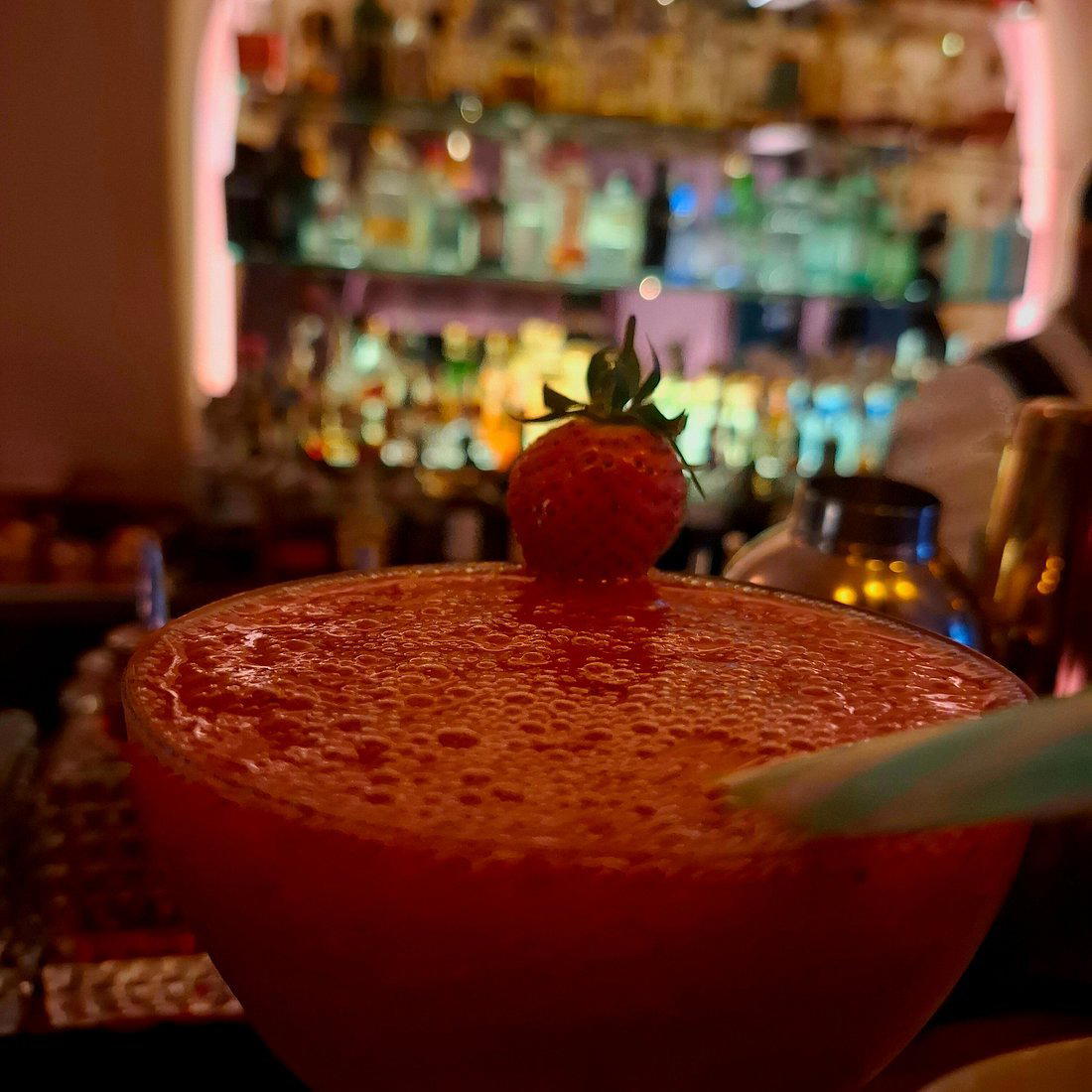
Hotels in Vienna
Browse all →
UNKAI
The wine
- Wine program
- Curated wine list
- Sommelier-led
- Sake program
- Beer program
Details
- Elegant
- Sophisticated
- Modern
- Scenic
- Date Night
- Business Dinner
- Special Occasion
- Celebration
- Panoramic View
- Private Dining
- Hotel Restaurant
- Open Kitchen
- Terrace
- Sake Program
- Beer Program
- Sommelier Led
- Sustainable Seafood
- Skyline
- Street Scene
- A La Carte
- Tasting Menu
- Omakase
- Set Menu
- Sake
- Kirin Beer
- Vegetarian Friendly
- Allergy Accommodating
Current opening hours
- Monday
- Closed
- Tuesday
- Closed
- Wednesday
- 6–11 PM
- Thursday
- 6–11 PM
- Friday
- 6–11 PM
- Saturday
- 6–11 PM
- Sunday
- Closed
Hours can change for holidays and private events. Last verified .
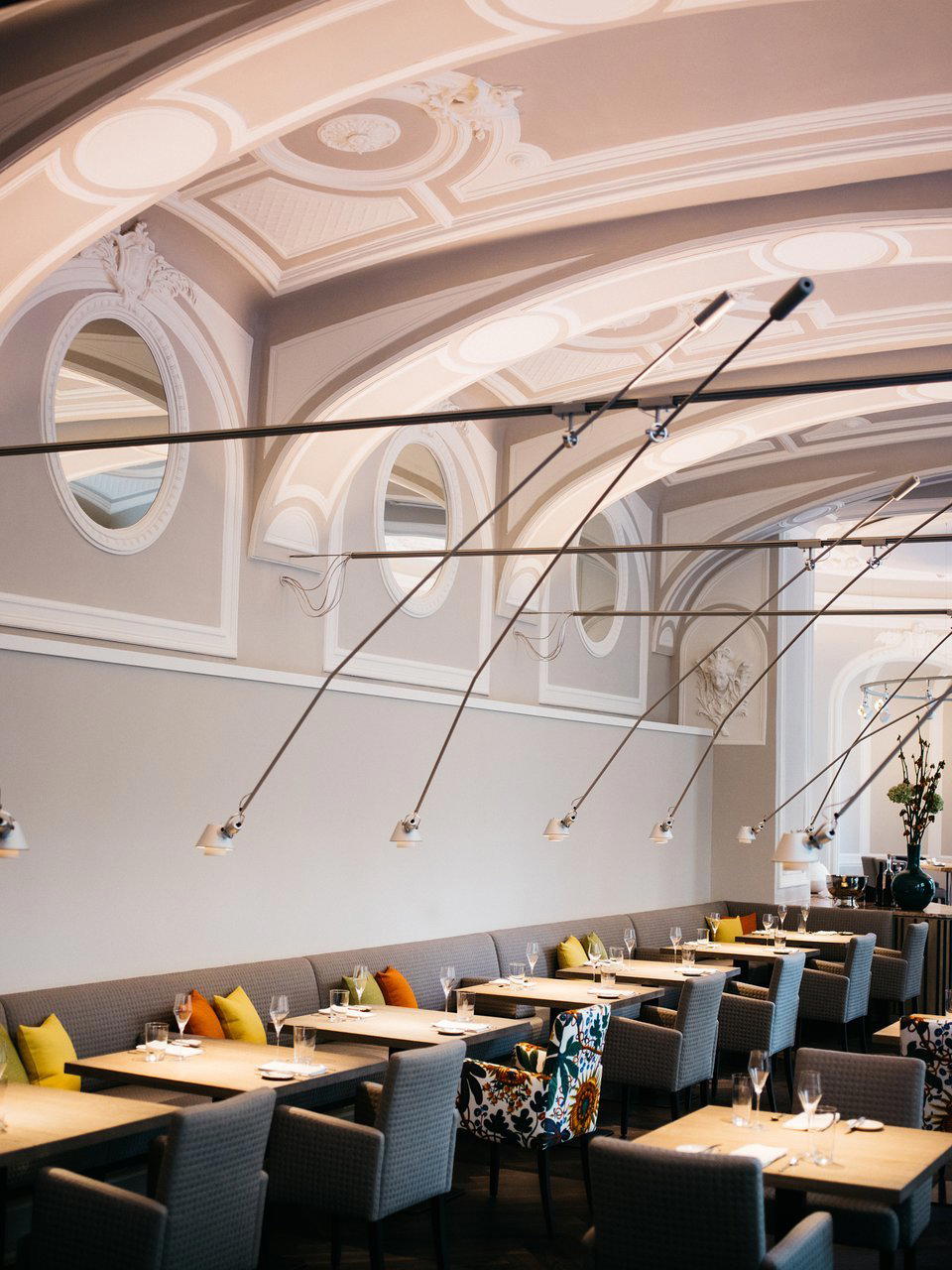
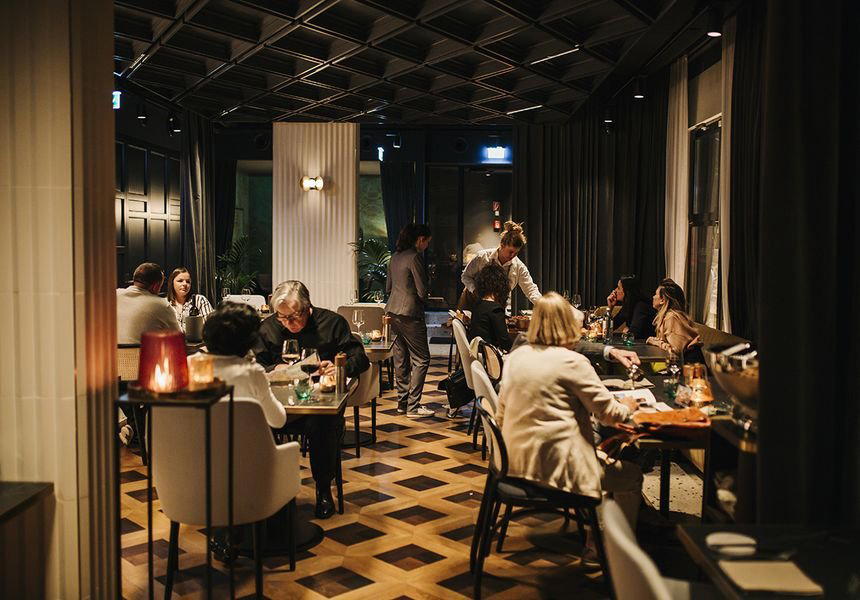
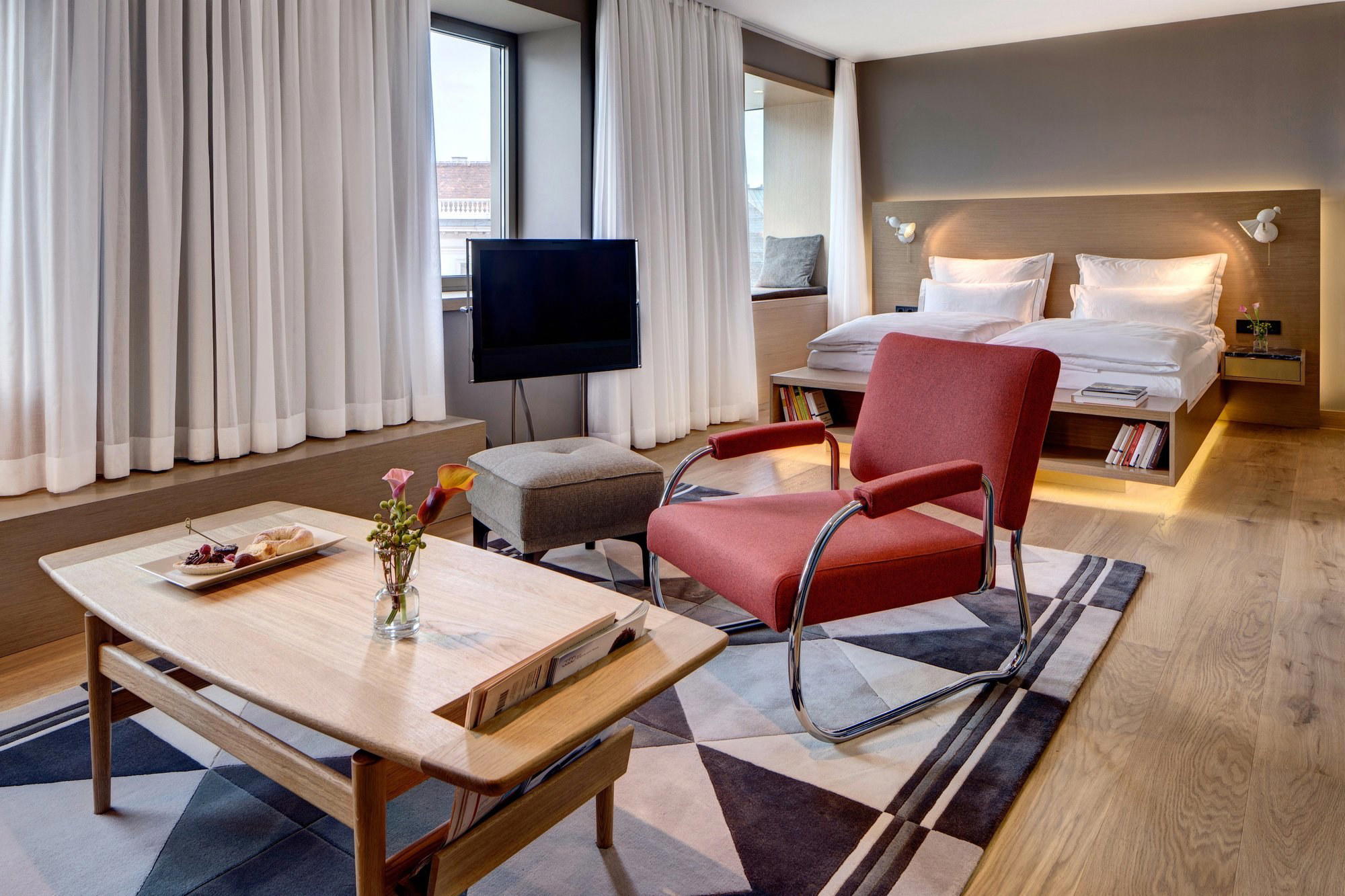
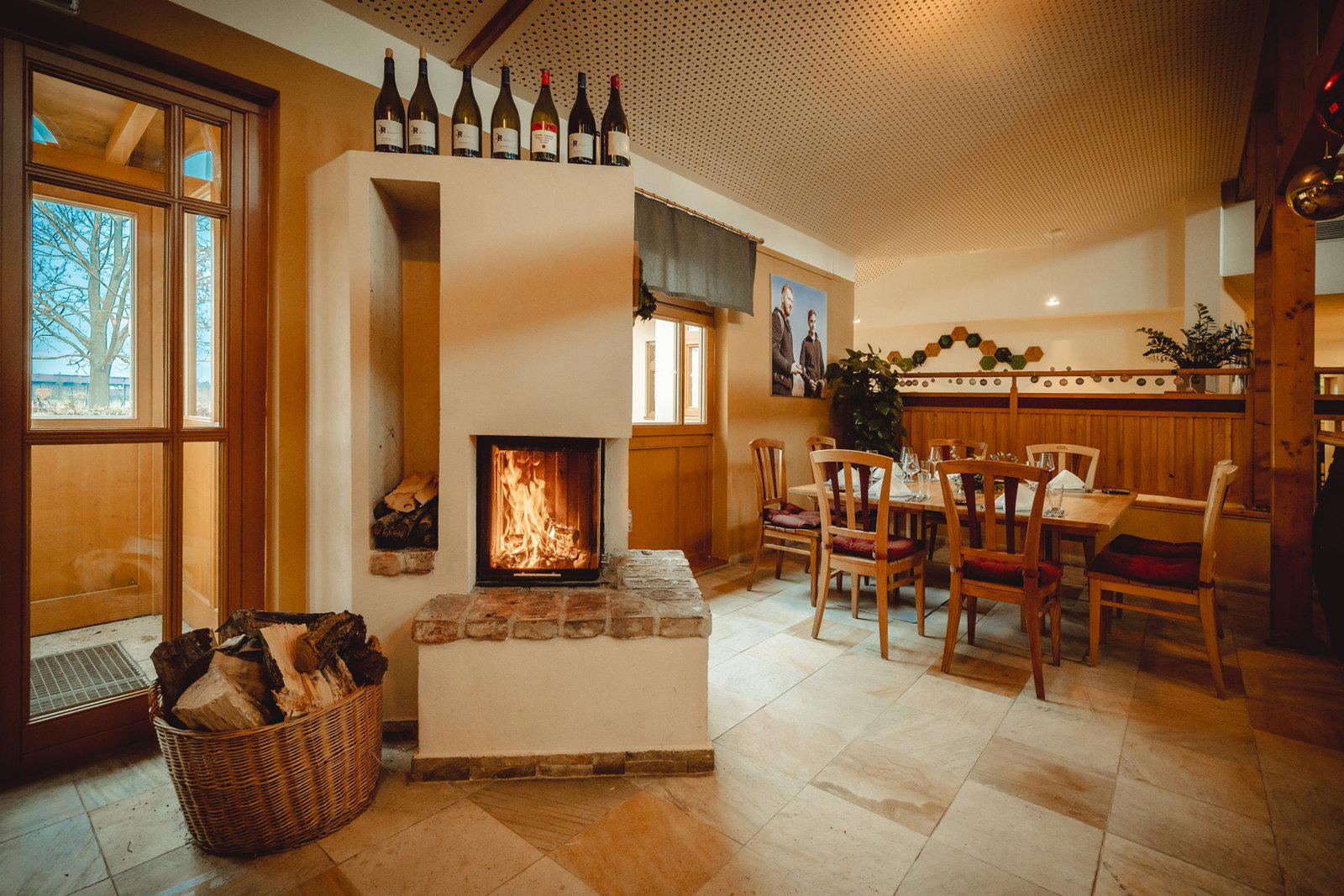
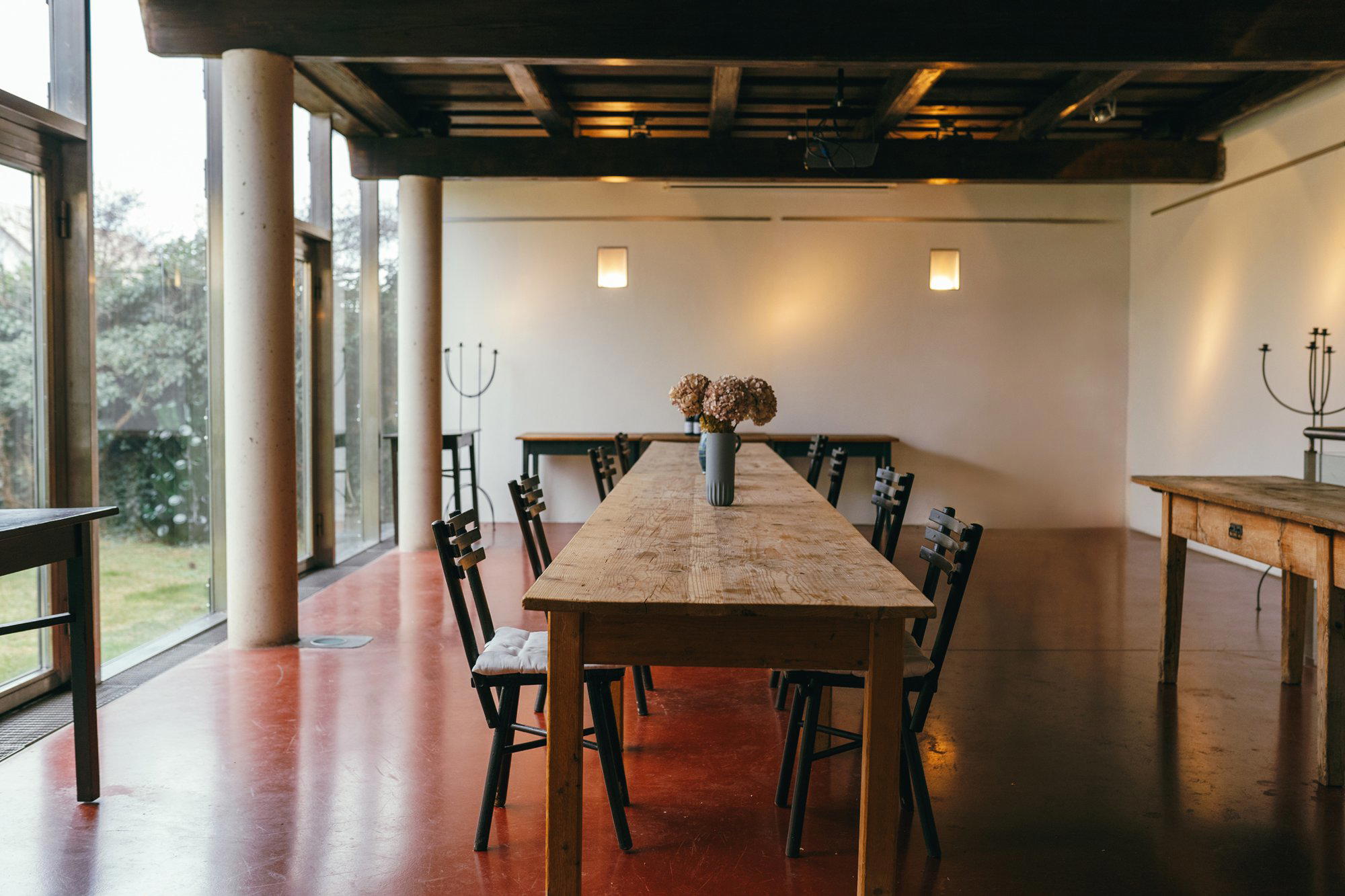
Light and modern with elegant Japanese interior design; refined atmosphere with traditional tatami room options offering calm and concentration; sophisticated yet welcoming ambiance.