
Michelin Plate
Our verdict
On the sixth floor of a Central building at 8 Lyndhurst Terrace, Uncle Quek translates the childhood food memories of Whey chef Barry Quek into a tight, creative Southeast Asian menu. The lobster laksa, shrimp broth, tomalley, coconut milk, is the anchor dish, while the cereal-crusted fried chicken riffs on the Singaporean shrimp-cereal tradition. Lunch sets add a value dimension rarely found at this address.

Pearl is the En Primeur Club membership app, where members save venues, book tables and use the concierge.

The menu
What to order
- Lobster laksa
- Cereal-crusted fried chicken
A Sixth-Floor Room With a Southeast Asian Argument
Central's dining density is concentrated at street level and in the basement floors of its towers, the format that suits quick lunches and after-work crowds. The sixth floor of 8 Lyndhurst Terrace pushes against that logic. Getting to Uncle Quek means committing to the elevator, stepping out into a floor that filters out the casual foot traffic that fills the neighbourhood's ground-floor options. The physical remove is part of the point: this is a room designed to hold a specific kind of conversation about Southeast Asian cooking, not to catch passing trade.
Lyndhurst Terrace sits at the edge of Central's commercial core, where the grid loosens slightly before SoHo begins. The surrounding streets carry a mix of galleries, specialist shops, and restaurants that skew toward the neighbourhood's longer-term residents rather than the finance crowd that dominates Pedder Street and Ice House Street a few blocks south. That address context matters for understanding what Uncle Quek is doing: it is not competing with the formal French rooms of Caprice or the refined Italian programme at 8 1/2 Otto e Mezzo Bombana.
The Space as a Container for a Specific Cuisine Argument
The editorial angle that frames Uncle Quek most accurately is not the chef's biography, it is the question of what a room designed around home-style Southeast Asian cooking looks and feels like when it occupies a premium Central address. Hong Kong has a long tradition of elevating regional Chinese cooking into formal dining contexts, visible in the decades-long reputation of places like Forum for Cantonese cuisine. Applying the same logic to the laksa, fried chicken, and hawker-derived formats of Singapore and Malaysia is a different proposition, one that sits in tension with the comfort and informality those dishes are supposed to carry.
What the sixth-floor setting resolves, at least spatially, is the problem of noise and pace. Southeast Asian hawker formats are loud and fast by design. A dedicated room at a remove from the street allows the kitchen to focus on ingredient quality and technique without the throughput pressure of a food hall or a ground-floor shopfront. The trade-off is that the venue requires a deliberate choice from the diner, you are going upstairs to eat Southeast Asian food, not stopping in because you walked past the smell of curry.
What the Menu Is Actually Doing
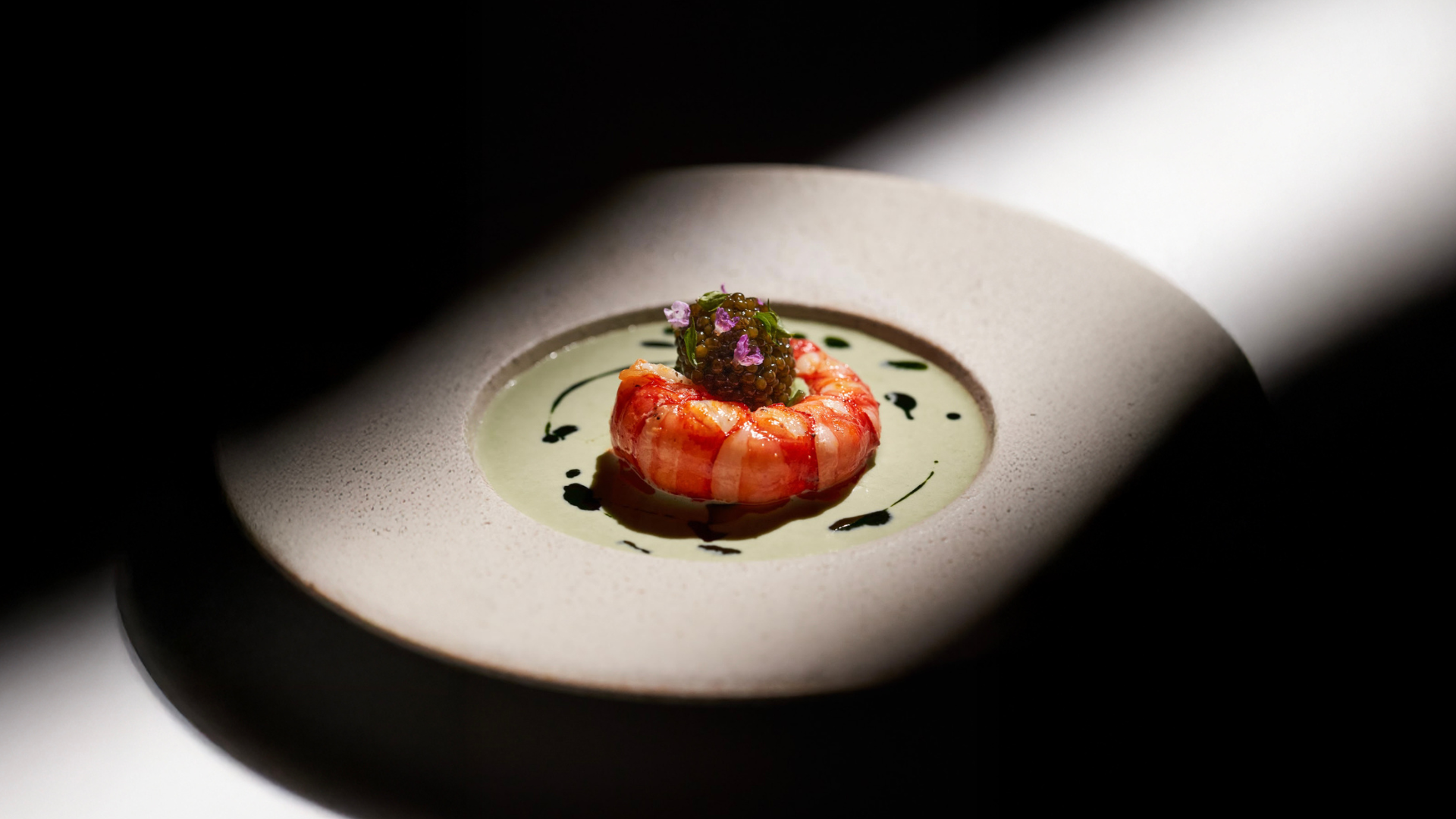
The cooking at Uncle Quek draws on the culinary memory of Barry Quek, whose other Central address, Whey, has established a reputation for rigorous ingredient work in a different register. The lobster laksa is the anchor: shrimp broth built with tomalley and spices, finished with coconut milk. The addition of tomalley, the hepatopancreas of the lobster, bitter, rich, and technically demanding to use well, signals that this is not a direct reproduction of a Singapore hawker bowl. The flavour complexity that results is the kind that takes multiple tasting notes to unpack, with the shrimp broth providing a clean, saline foundation that the tomalley complicates in the leading possible way.
The cereal-crusted fried chicken reads as a considered riff on the Singaporean shrimp-paste chicken and oat/cereal formats that have become shorthand for modern Singapore cooking. The crispy coating carries aromatic weight from the cereal, which absorbs frying fat in a way that creates texture without grease. These two dishes represent the conceptual poles of the menu: one rooted in slow broth-building and ingredient layering, the other in textural contrast and aromatic crunch.
Lunch sets are a structural element worth noting. At a Central address, lunch sets signal that the kitchen is trying to reach a broader weekday audience than the evening crowd alone. That is a sensible piece of programme design for a neighbourhood where the lunch market is competitive and price-sensitive.
Where Uncle Quek Sits in the Central Dining Picture
Central's premium tier is heavily weighted toward European fine dining and Japanese-influenced formats. The tasting-menu programmes at Ta Vie and Amber operate in a different register entirely, with price points and booking lead times that reflect their award recognition. Uncle Quek does not compete in that bracket. It occupies a middle tier where the cooking is technically serious but the format remains accessible, and where Southeast Asian cuisine, historically underrepresented at this price level in Hong Kong, is treated as worthy of the same kitchen attention as any other.
That positioning is not unique to Hong Kong. Cities with large Southeast Asian diaspora populations have generally seen their regional cuisines remain in the affordable-casual category even as those cuisines' complexity has been increasingly recognised in critical circles. The movement of hawker-derived formats into more considered restaurant settings, with better sourcing, more controlled technique, and menus edited for quality rather than volume, is happening across multiple cities. Uncle Quek is a Hong Kong instance of that broader shift, operating from a credible base given Whey's reputation.
For visitors building a Central itinerary, Uncle Quek fills a gap that the neighbourhood's European-leaning fine dining options cannot. You can find rigorous French cooking, Italian wine programmes, and Japanese-French fusion across Central's upper tier. A focused Southeast Asian room at this address is a different kind of argument. Our full Hong Kong restaurants guide maps the wider field if you are triangulating across cuisines and price points. For context beyond food, our Hong Kong hotels guide, bars guide, and experiences guide cover the surrounding territory. Those planning a broader dining circuit beyond Hong Kong might cross-reference how technique-driven personal-memory cooking operates at other addresses globally, from Lazy Bear in San Francisco to Alinea in Chicago, where the relationship between a chef's reference points and a tasting format raises similar questions about how memory translates into a menu.
Planning Your Visit
Uncle Quek is located on the sixth floor of 8 Lyndhurst Terrace, Central, a short walk from the Central MTR or accessible via the Mid-Levels escalator system, which deposits diners close to Lyndhurst Terrace. The lunch set is the entry point for first visits if you want to read the kitchen's vocabulary before committing to a full evening spend. Given the room's remove from street-level walk-in traffic, arriving without a reservation on busy evenings carries more risk than at comparable ground-floor spots in the neighbourhood.
Frequently asked questions
What do people recommend at Uncle Quek?
The lobster laksa, shrimp broth with tomalley, spices, and coconut milk, is the dish that appears consistently in accounts of the restaurant. The cereal-crusted fried chicken, a riff on Singaporean cereal-shrimp formats, is the other frequently cited order. The lunch sets are noted as a value-conscious route into the same kitchen's output.
Do I need a reservation for Uncle Quek?
The sixth-floor location means the restaurant draws a deliberate rather than passing crowd, which generally increases the importance of booking ahead.
What has Uncle Quek built its reputation on?
Restaurant's reputation rests on creative home-style Southeast Asian cooking anchored by the lobster laksa and cereal-crusted fried chicken, both of which treat hawker-derived formats as starting points for more technically considered cooking rather than faithful reproductions. The connection to Barry Quek's work at Whey provides a credibility signal for diners already familiar with that address.
Do they accommodate allergies at Uncle Quek?
If allergies are a consideration, contacting the venue in advance is necessary. The broader Central dining scene, including other addresses in our Hong Kong restaurants guide, offers alternatives for diners with specific dietary requirements if the kitchen cannot accommodate them.
Recognition, Side-by-Side
Comparable venues nearby, for context on price, style, and recognition.
| Venue | Cuisine | Price | Awards | Notes |
|---|---|---|---|---|
| Uncle QuekThis venue (the venue you are viewing) | Modern Southeast Asian | $20–30 | Michelin Plate | Not listed |
| Ho Ho Chak | Chiu Chow | $30–50 | Michelin Bib Gourmand | Yau Tsim Mong South |
| Fong Wing Kee | Traditional Teochew Satay Hot Pot | $20–30 | Not listed | Kowloon City North |
| Yum Cha | Modern Cantonese Dim Sum | Not listed | Not listed | Central |
| Ship Kee | Classic Cantonese | $20–30 | Michelin Bib Gourmand | Wan Chai |
| Tak Kee | Authentic Teochew (Chiu Chow) | $10–20 | Michelin Bib Gourmand | Western |
Recognition history
Dated appearances from independent guides and award organizations, with the underlying list record or original source where available.
Michelin Plate
Michelin · 2026 Michelin Plate
Full recognition history (2 entries)
Michelin Bib Gourmand
Michelin
Continue exploring
More in Hong Kong
Restaurants in Hong Kong
All restaurants in Hong Kong →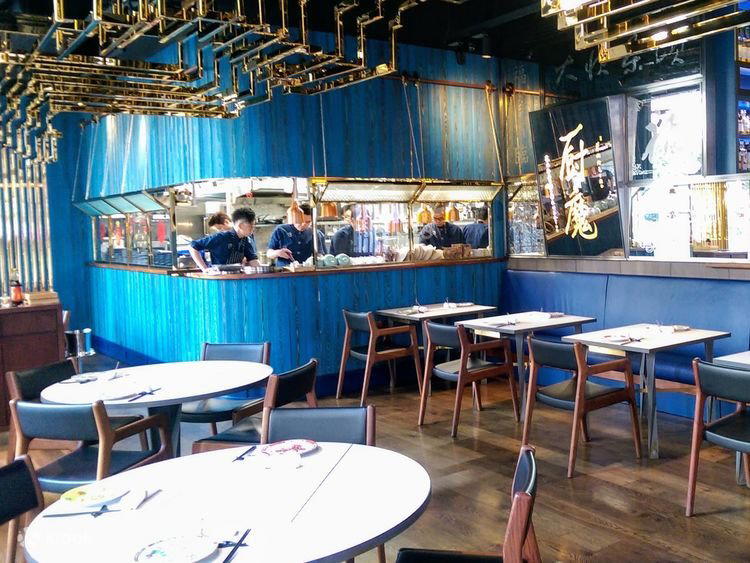
Bars in Hong Kong
All bars in Hong Kong →
Hotels in Hong Kong
All hotels in Hong Kong →
Wineries in Hong Kong
All wineries in Hong Kong →
Details
- Casual
- Cozy
- Trendy
- Casual Hangout
- Open Kitchen
- A La Carte
Current opening hours
- Monday
- 12–9 PM
- Tuesday
- 12–9 PM
- Wednesday
- 12–9 PM
- Thursday
- 12–9 PM
- Friday
- 12–9 PM
- Saturday
- 12–9 PM
- Sunday
- Closed
Hours can change for holidays and private events. Hours as of .
Relaxed and casual vibe with approachable charm.