
Michelin Bib Gourmand
Our verdict
On the ninth floor of Nathan Hill in Tsim Sha Tsui, Ho Ho Chak serves Chiu Chow cooking grounded in a supply chain its three founding brothers built themselves: they wholesale seafood and fruit, which means the kitchen sources closer to the dock than most restaurants of its size. The name translates from Teochew dialect as 'delicious', a statement of intent, not decoration.

Pearl is the En Primeur Club membership app, where members save venues, book tables and use the concierge.
The menu
What to order
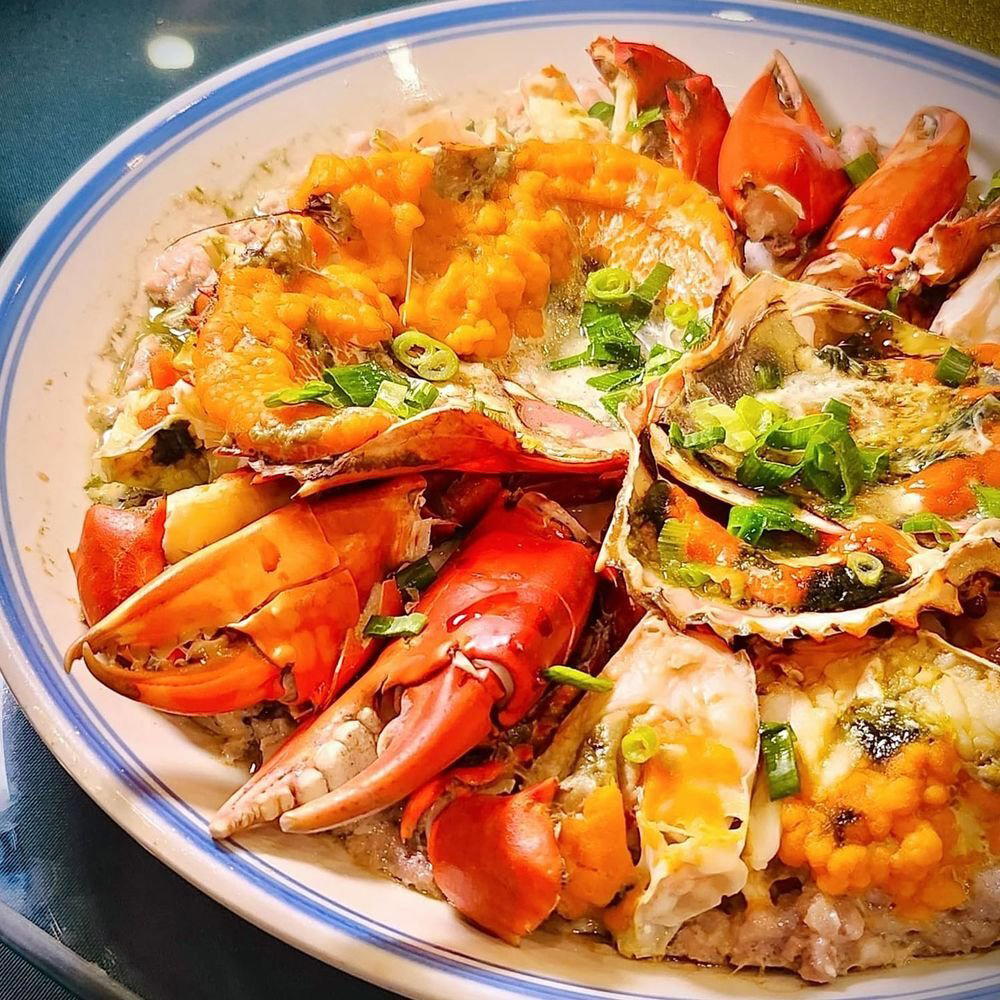
- Steamed pork patty with mud crab
- Fried omelette with dried radish and ground pork
Chiu Chow in Tsim Sha Tsui: A Tradition Built Around the Supply Chain
Hong Kong's Chiu Chow restaurants have always occupied a distinct tier in the city's broader Cantonese dining ecosystem. Where Cantonese cooking prizes technique applied to a wide ingredient range, Chiu Chow cuisine, rooted in the Teochew-speaking communities of eastern Guangdong, tends toward restraint in seasoning and precision in sourcing. The leading examples in Hong Kong are not necessarily the ones with the most elaborate preparation, but the ones with the most direct access to raw materials. Ho Ho Chak, on the ninth floor of Nathan Hill at 38 Hillwood Road in Tsim Sha Tsui, belongs to that latter category.
The name itself carries programmatic weight. Ho Ho Chak translates from Teochew dialect as 'delicious', a claim that works only if the kitchen can back it. The three brothers behind the restaurant also run a wholesale operation in seafood and fruit, a structural advantage that puts the kitchen closer to primary sources than most comparable venues in the neighbourhood. That integration is less a marketing story than a logistical reality: when the same operators control wholesale supply and restaurant service, ingredient decisions are made at the point of procurement rather than by a purchasing manager working from a menu brief.
The Ethical Supply Model Behind the Plate
The conversation around ethical sourcing and reduced food-chain waste tends to dominate coverage of European fine dining, restaurants like Aponiente in El Puerto de Santa María, where the sourcing philosophy is foregrounded in every aspect of the format, or Lazy Bear in San Francisco, which builds its procurement narrative into the dining experience itself. In Hong Kong, the equivalent ethos more often operates quietly, embedded in family business structures rather than declared through chef manifestos.
Ho Ho Chak is a clear example of this quieter model. The wholesale background means the brothers are positioned to redirect surplus, select by quality rather than specification, and reduce the intermediary steps that create waste across most restaurant supply chains. Mud crab, for instance, is a product where provenance and handling window matter enormously, the difference between roe at peak condition and roe that has deteriorated in transit is a matter of hours, not days. A kitchen buying through its own wholesale arm can act on that window in a way that a restaurant purchasing from a third-party supplier simply cannot.
This structural advantage is worth holding next to the more prominent sourcing narratives at Hong Kong's high-end addresses. Venues like Caprice, Amber, and Ta Vie operate at a different price point and within an international fine-dining framework where sourcing stories are more systematically communicated. Ho Ho Chak's version of the same principle, knowing exactly where the ingredient came from because you bought it yourself at the source, is, if anything, more structurally sound, even if less publicly legible.
What the Kitchen Does With That Access
Chiu Chow cooking at its most considered is defined by a commitment to letting primary ingredients carry the dish. Steaming, in particular, is a technique that punishes poor sourcing and rewards good procurement: there is nowhere to hide. The restaurant's steamed pork patty with mud crab illustrates this directly. The dish relies on roe that is buttery and abundant, and on pork that is springy and finely textured, two qualities that are functions of ingredient selection and handling rather than elaborate technique. A dish built this way is, in effect, a transparency exercise: the quality of what arrived in the kitchen that morning is precisely what the diner tastes.
The fried omelette with dried radish and ground pork works from a different register. This is a category of Chiu Chow cooking with deep roots in frugal, resourceful preparation, dried radish extends shelf life, reduces waste, and adds a concentration of flavour that fresh ingredients cannot replicate. Executed well, the result is browned on the outside and custardy within, a textural contrast that requires heat control and timing rather than expensive inputs. The dish sits at the opposite end of the cost spectrum from the mud crab preparation, but it operates on the same logic: the ingredient list is short, the technique is specific, and there is no filler.
For readers familiar with the more architecturally ambitious end of Hong Kong's dining scene, the tasting menus at 8 1/2 Otto e Mezzo Bombana or the French-Japanese precision at Ta Vie, Ho Ho Chak represents a different kind of argument for quality. The discipline here is not in composition or presentation but in chain-of-custody: fewer hands between ocean and plate, and brothers who bought the crab this morning.
Tsim Sha Tsui's Dining Character and Where Ho Ho Chak Fits
Tsim Sha Tsui occupies an interesting position in Hong Kong's dining geography. It carries a density of hotel dining rooms and international chains, but beneath that surface layer is a tighter ecosystem of neighbourhood specialists serving the local Kowloon population rather than hotel guests. Chiu Chow cooking is particularly embedded in this part of the city, with a community lineage that predates the neighbourhood's contemporary commercial character. Ho Ho Chak, on the ninth floor of a building off Hillwood Road, is not positioned for foot traffic, the format expects diners who know what they are coming for.
That positioning matters when thinking about where Ho Ho Chak sits in the broader Hong Kong food context. The city's most-discussed Cantonese addresses, Forum in Causeway Bay, or the high-end hotel dining rooms in Central, tend to draw international recognition through Michelin-directed categories. Chiu Chow specialists operate in a parallel register, drawing their authority from community recognition and repeat custom rather than from award cycles. The two systems are not in competition, but they reward different kinds of attention. For visitors whose Hong Kong dining has been built around properties like Le Salon de Thé de Joël Robuchon in Central, an address like Ho Ho Chak represents a genuinely different axis of the city's food culture.
Planning a Visit
Ho Ho Chak is located on the ninth floor of Nathan Hill at 38 Hillwood Road in Tsim Sha Tsui, a building address rather than a street-level venue, which means first-time visitors should confirm the floor before arriving. Hillwood Road sits close enough to the Jordan MTR station to make the journey direct from most parts of Kowloon, and accessible from Hong Kong Island via the Cross-Harbour Tunnel or East Tsim Sha Tsui MTR. Given that the restaurant has built a following on the strength of limited, supply-driven dishes like the mud crab preparation, arriving without a reservation on a weekend evening carries real risk: the kitchen's procurement is tied to what the wholesale operation has sourced that day, and high-demand dishes can exhaust quickly. For anyone with specific dishes in mind, calling ahead or arriving early on a weekday is the more reliable approach.
For a fuller picture of Kowloon-side dining and how it compares to the Central and Wan Chai concentrations, our full Hong Kong restaurants guide maps the categories across the city. We also maintain guides covering bars, hotels, wineries, and experiences across Hong Kong for readers building a broader itinerary.
Frequently asked questions
Does Ho Ho Chak have a Michelin star or similar recognition?
Ho Ho Chak has received recognition including: The apt moniker of this Chiu Chow restaurant is Ho Ho Chak, which means ‘delicious’ in Teochew dialect. The three brothers who run the joint also wholesale seafood and fruit, so they have reliable access to the best ingredients. The signatu….
Where is Ho Ho Chak located?
Ho Ho Chak is located at 9F, Nathan Hill, 38 Hillwood Road, Tsim Sha Tsui, Hong Kong.
What do regulars order at Ho Ho Chak?
The steamed pork patty with mud crab is the kitchen's most discussed preparation, built around buttery roe and finely textured, springy pork. The fried omelette with dried radish and ground pork is a close second, browned on the outside, custardy within. Both dishes reflect the Chiu Chow commitment to primary ingredients over elaborate saucing.
How far ahead should I plan for Ho Ho Chak?
Ho Ho Chak sits on the ninth floor of Nathan Hill at 38 Hillwood Road, so walk-ins without local knowledge tend to miss it entirely. Booking ahead is advisable, particularly for dinner; the restaurant draws a consistent Tsim Sha Tsui neighbourhood following rather than a tourist-facing crowd, which keeps table availability tighter than the address alone might suggest.
What has Ho Ho Chak built its reputation on?
The three brothers behind Ho Ho Chak also operate a seafood and fruit wholesale business, which gives the kitchen direct, consistent access to quality ingredients outside standard restaurant supply chains. That structural advantage is the foundation of the restaurant's standing in the local Chiu Chow community: the cooking is only as reliable as the sourcing, and the sourcing here is controlled in-house.
Awards and Standing
Comparable venues nearby, for context on price, style, and recognition.
| Venue | Cuisine | Price | Awards | Notes |
|---|---|---|---|---|
| Ho Ho ChakThis venue (the venue you are viewing) | Chiu Chow | $30–50 | Michelin Bib Gourmand | Not listed |
| She Wong Hei | Traditional Cantonese Snake Soup & Roasted Meats | $10–20 | Michelin Plate | Wan Chai |
| Hee Kee | Authentic Cantonese Typhoon Shelter Seafood | $30–50 | Not listed | Wan Chai |
| Farm House | Chinese Seafood Buffet | $30–50 | Michelin Plate | Wan Chai |
| Sang Kee | Traditional Cantonese Roast Goose | $10–20 | Michelin Bib Gourmand | Wan Chai |
| Din Tai Fung (Causeway Bay) | Taiwanese Dim Sum | $20–30 | Michelin Bib Gourmand | Wan Chai |
Recognition history
Dated appearances from independent guides and award organizations, with the underlying list record or original source where available.
Michelin Bib Gourmand
Michelin
Full recognition history (2 entries)
Michelin Plate
Michelin · 2026 Michelin Plate
Continue exploring
More in Hong Kong
Restaurants in Hong Kong
All restaurants in Hong Kong →
Bars in Hong Kong
All bars in Hong Kong →
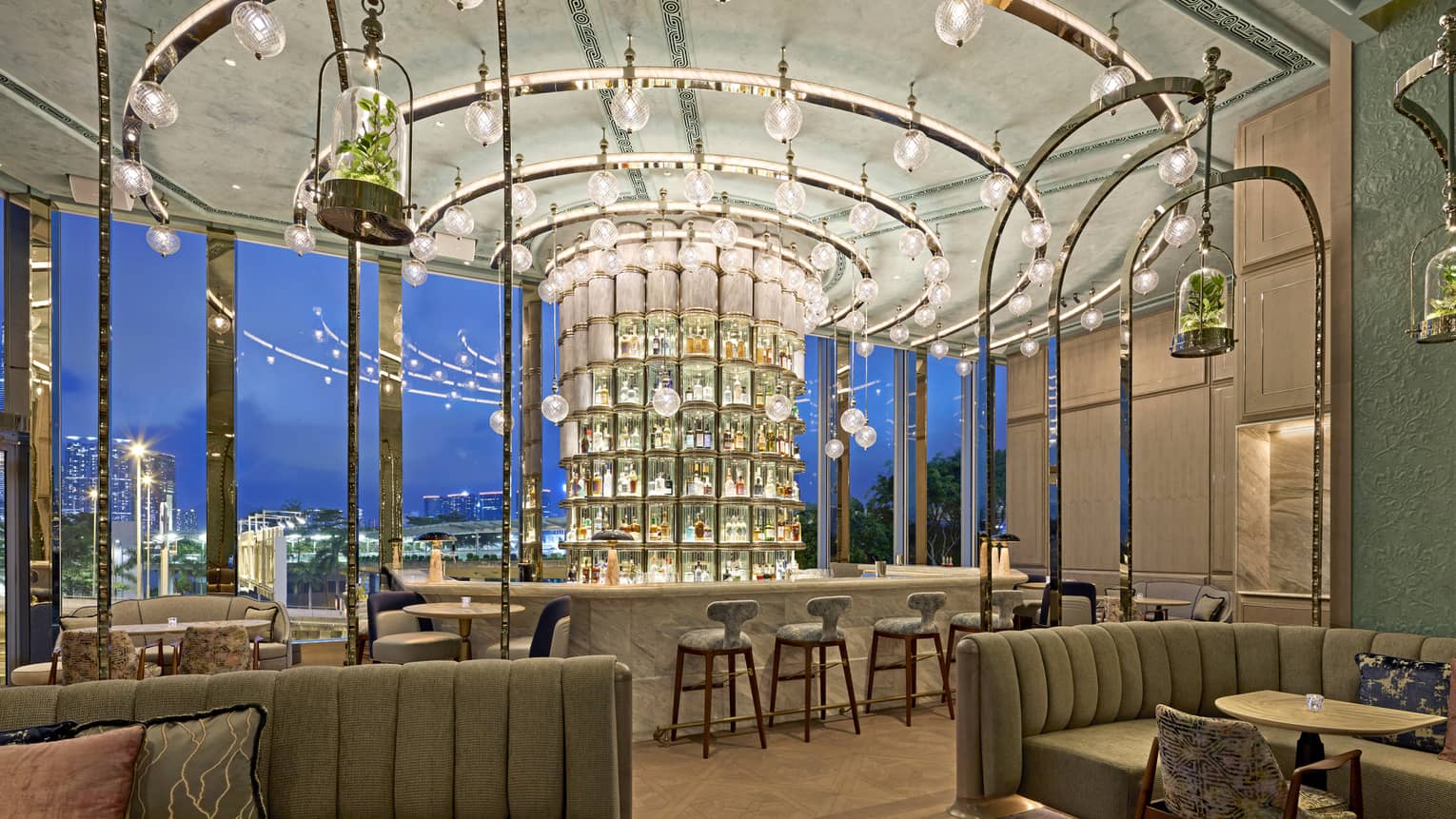
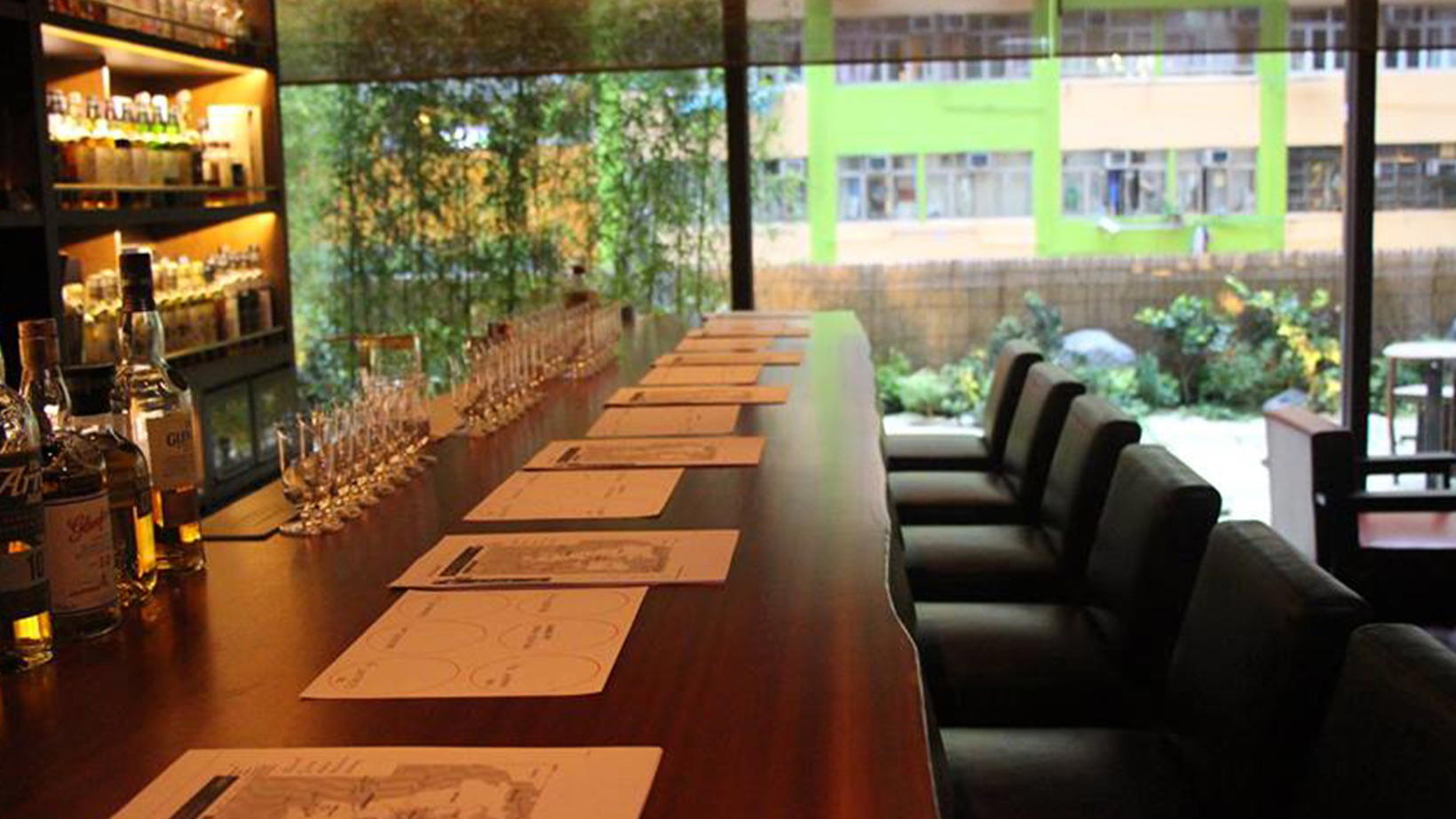
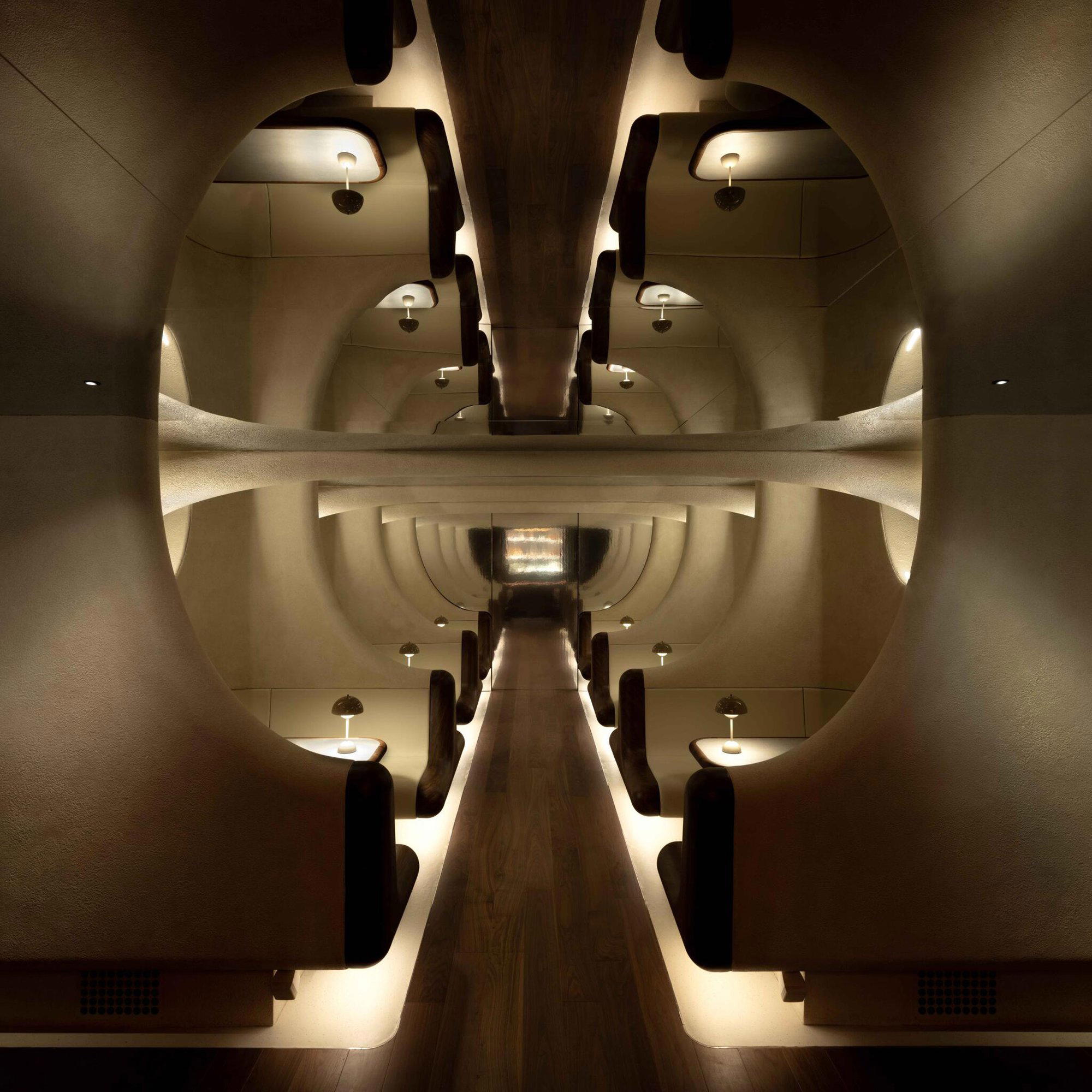
Hotels in Hong Kong
All hotels in Hong Kong →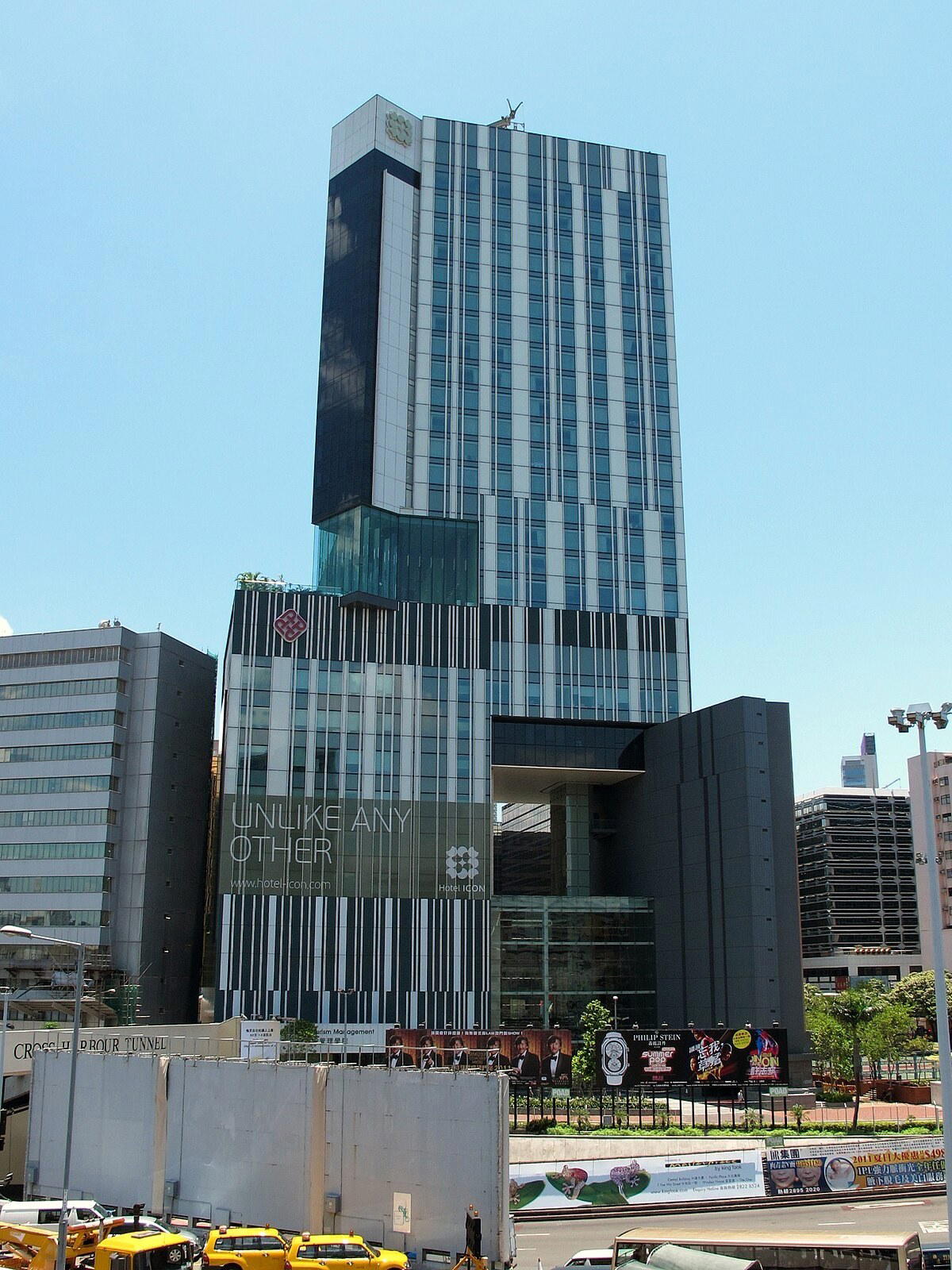
Wineries in Hong Kong
All wineries in Hong Kong →
Details
- Classic
- Family
- Group Dining
- Casual Hangout
- Standalone
- Local Sourcing
- A La Carte
Current opening hours
- Monday
- Closed
- Tuesday
- 12–10 PM
- Wednesday
- 12–10 PM
- Thursday
- 12–10 PM
- Friday
- 12–10 PM
- Saturday
- 12–10 PM
- Sunday
- 12–10 PM
Hours can change for holidays and private events. Hours as of .
Classic and comfortable with old-school appeal, focusing on quality ingredients and traditional preparation.