Kalapawai Cafe & Deli
Our verdict
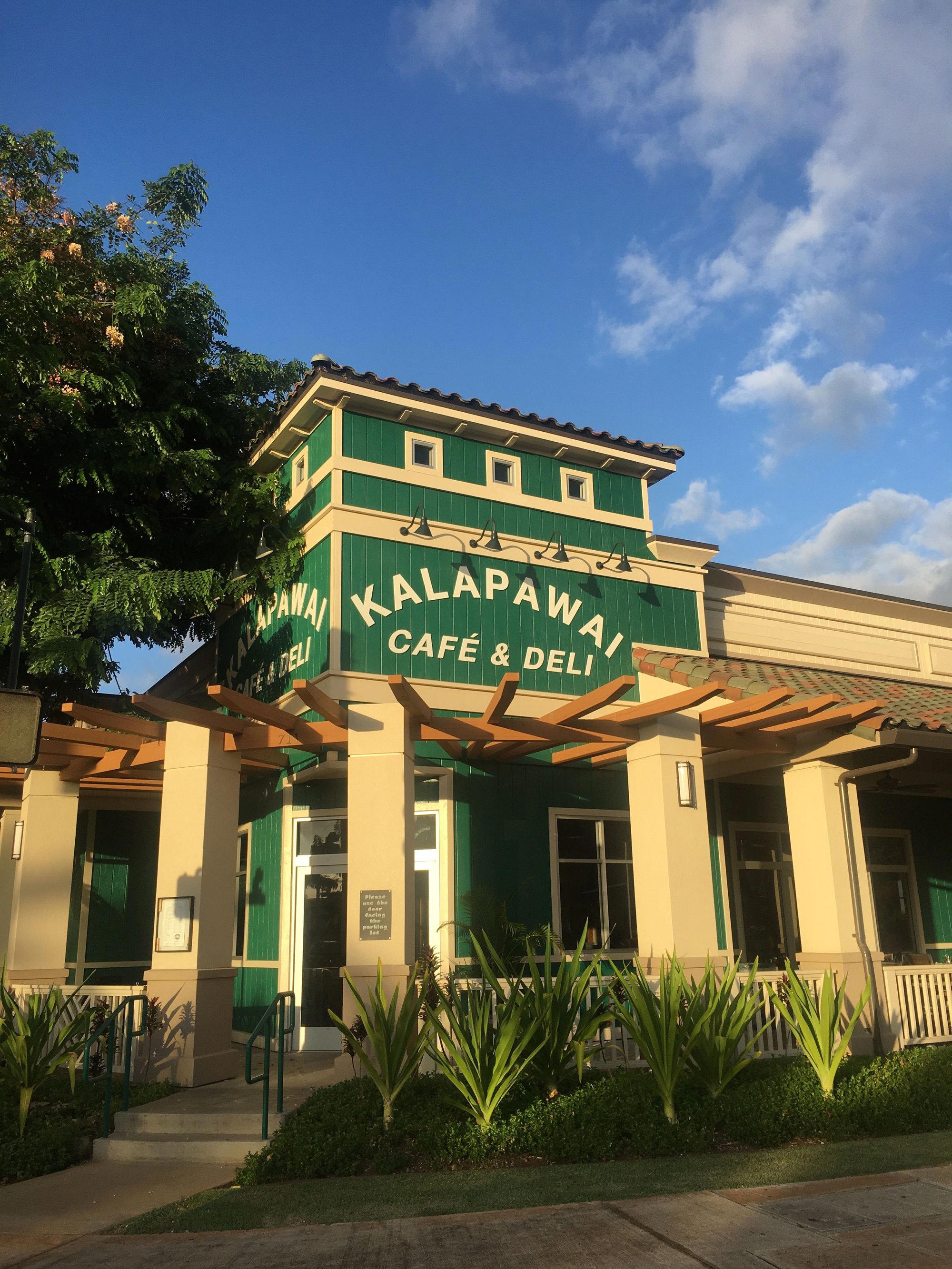
A Kapolei fixture at 711 Kamokila Blvd, Kalapawai Cafe & Deli draws on Hawaii's tradition of casual, community-rooted dining where plate lunch culture meets deli convenience. Positioned in the everyday dining tier on Oahu's west side, it sits in a different register from the resort dining at Ama 'Ama or La Hiki, making it a practical anchor for locals and visitors who want something grounded rather than polished.

Pearl is the En Primeur Club membership app, where members save venues, book tables and use the concierge.
The menu
What to order
- Da Geevum Burger
- Baja Style Fish Tacos
- Poke Salad
West Oahu's Everyday Table: What Kalapawai Cafe & Deli Represents in Kapolei
There is a particular kind of establishment that every functioning food city depends on but that fine-dining criticism rarely addresses: the neighborhood cafe-deli that absorbs the daily rhythm of a community. In Kapolei, a planned city on Oahu's west side that has grown rapidly since the 1990s and now functions as the de facto second urban center of Hawaii, that role belongs in part to Kalapawai Cafe & Deli at 711 Kamokila Blvd. The building sits along one of Kapolei's main commercial corridors, and arriving there during a weekday morning tells you something about who lives and works in this part of the island: it is a commuter city, a young city, and a city that has not yet inherited the dense restaurant infrastructure of Honolulu's older neighborhoods.
The Kalapawai name carries weight on Oahu. The original Kalapawai Market in Kailua, on the windward side, has operated since 1932 and is one of the island's most recognized neighborhood institutions. That lineage matters here because it frames what the Kapolei location is trying to do: import a model of community-facing, food-forward deli culture into a part of the island that has traditionally been underserved by independent food businesses. The Kailua original built its reputation on wine, groceries, and cafe food that sat above typical convenience-store fare without reaching for fine-dining territory. The Kapolei outpost extends that positioning westward.
Hawaii's Deli-Cafe Tradition and Where This Fits
Hawaiian food culture operates on several distinct registers that rarely overlap. At one end sit the resort dining rooms: Ama 'Ama at Aulani and La Hiki at Four Seasons Ko Olina anchor the premium tier in this corridor, where cuisine is framed around local sourcing narratives and tasting formats designed for hotel guests on expense accounts or special occasions. At the other end sits the plate lunch tradition, Hawaii's most democratic food form, where two scoops of rice, macaroni salad, and a protein define an entire culinary identity that predates tourism as an economic force. The cafe-deli format occupies the productive middle ground between those poles.
That middle register is where most local residents actually eat, and it is the space that operations like Kalapawai have historically understood better than most. The deli model, prepared foods, sandwich programs, baked goods, coffee, and a wine or grocery component, arrived in Hawaii partly through the influence of mainland urban food culture and partly through the island's own tradition of mixed-plate eating, where multiple culinary influences sit comfortably on the same plate. In that sense, a Kapolei deli drawing on Japanese, Hawaiian, Portuguese, and American influences in its prepared food program would be reflecting the actual demographic composition of Oahu's west side rather than curating a theme for visitors.
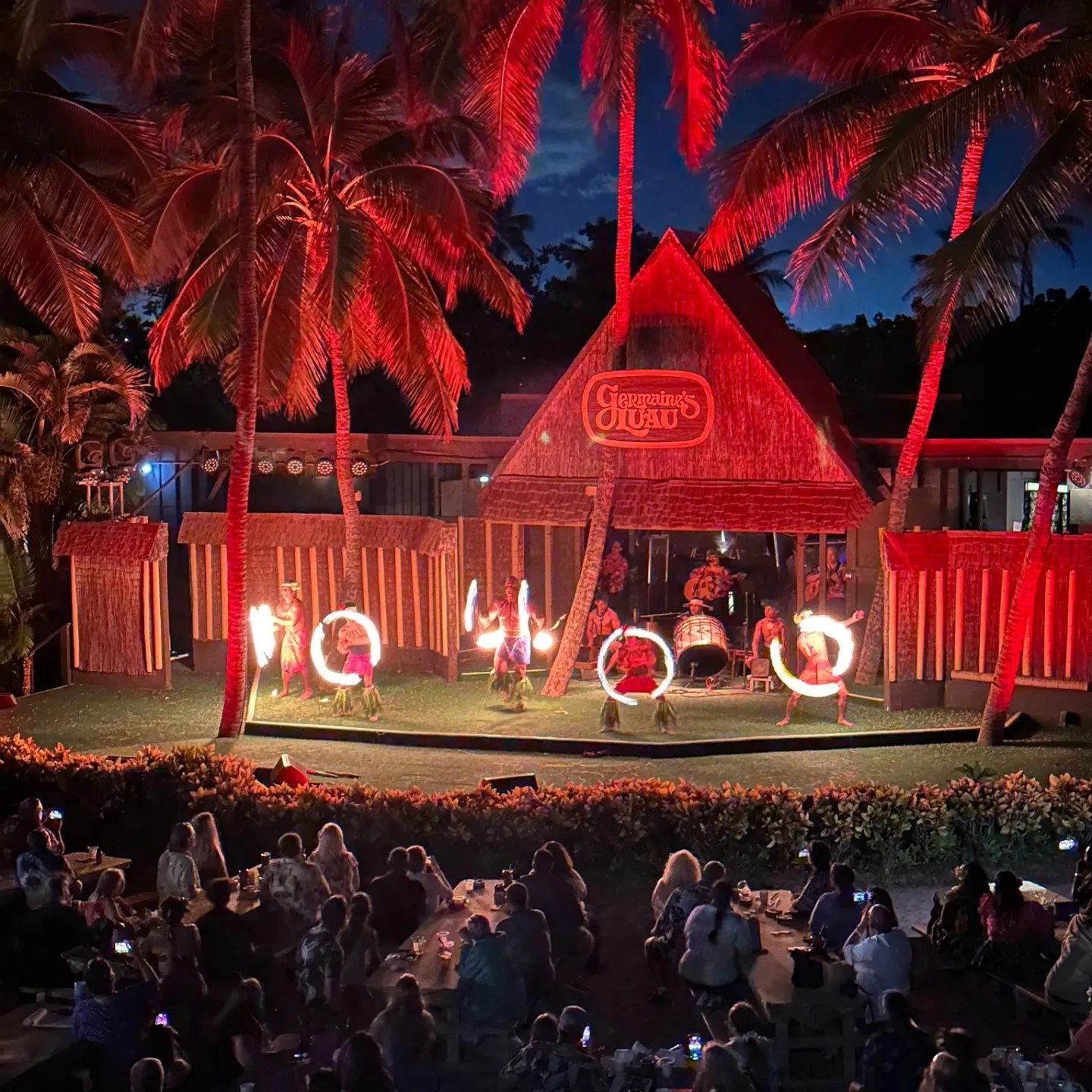
For comparison, consider where this cafe sits relative to Kapolei's other dining options. DB Grill and Mahi 'ai Table operate in more formal registers, while Germaine's Luau serves a specifically tourist-facing cultural experience format. Kalapawai occupies none of those positions. It is, by design and by lineage, a local infrastructure play: a place where the transaction is quick, the food is reliable, and the format does not require occasion-setting to justify a visit.
Kapolei as a Dining Context
Understanding what Kalapawai Cafe & Deli is requires understanding what Kapolei is, because the city's dining scene is still being written. Kapolei was designated as Hawaii's second city in the 1980s by state planners, but its commercial and residential density only reached critical mass in the 2000s and 2010s. That means its restaurant ecosystem is younger and less stratified than Honolulu's, with fewer of the decades-old neighborhood institutions that give a food city its character. The absence of deep independent restaurant history is the key context for any cafe or deli that operates here: there is less competition in the everyday tier, but also less of an established customer base that has learned to seek out quality food as a habit.
That dynamic is slowly changing. West Oahu's population growth has brought demand, and the proximity to Ko Olina's resort corridor creates a secondary market of hotel workers, contractors, and support staff who need practical, affordable food options close to their workplaces. A cafe-deli positioned on Kamokila Blvd, one of the main arteries connecting Kapolei's residential and commercial zones, is well-placed to capture both the resident daily-use market and the overflow from the resort corridor. For a broader view of Kapolei dining, see the Kapolei restaurants guide.
How This Tier Compares to Hawaii's Broader Food Conversation
The national conversation about Hawaii's food culture tends to focus on either the high end or the deeply traditional. Restaurants like those covered in our guides to Le Bernardin in New York City, The French Laundry in Napa, Alinea in Chicago, or Blue Hill at Stone Barns in Tarrytown represent a version of American fine dining that Hawaii's resort corridor aspires to reference, if not fully replicate. Venues like Lazy Bear in San Francisco, Single Thread Farm in Healdsburg, Providence in Los Angeles, Addison in San Diego, Atomix in New York City, Emeril's in New Orleans, The Inn at Little Washington in Washington, and 8 1/2 Otto e Mezzo Bombana (Hong Kong) in Hong Kong all operate in a tier defined by critical recognition, tasting menus, and reservation scarcity. Kalapawai operates in none of those registers, and that is precisely the point.
The everyday cafe-deli tier in Hawaii is where food culture actually lives for most residents. It is where you see the actual results of Hawaii's multicultural food history: the spam musubi next to the caprese sandwich, the Portuguese sweet bread next to the acai bowl. That layering is not a marketing concept; it is the product of a century of migration patterns, plantation labor history, and the kind of cross-cultural cooking that happens when people of different backgrounds share limited resources and communal kitchens. A deli in Kapolei that draws on that tradition is participating in something with genuine historical depth, even if it does so in a format that looks, on the surface, like any other cafe-deli in any other American suburb.
Planning a Visit
Kalapawai Cafe & Deli is located at 711 Kamokila Blvd in Kapolei, accessible by car from the H-1 freeway via the Kapolei exits. The location sits in a commercial zone that is easier to reach by car than on foot, which is consistent with Kapolei's general built environment. Contact the cafe directly to confirm reservations and dress code before visiting.
Frequently asked questions
How does the Kalapawai Kapolei location differ from the original Kailua cafe?
The original Kalapawai location in Kailua dates to 1932, giving the brand one of the longer institutional histories among Hawaii's cafe-deli operations. The Kapolei outpost at 711 Kamokila Blvd serves a different geographic context, West Oahu's newer, more residential Kapolei, rather than Kailua's established beachside community. The two locations share a format and brand heritage but speak to distinct local populations on opposite sides of the island.
What do people recommend at Kalapawai Cafe & Deli?
For current menu recommendations, contact the cafe directly.
Where do I go for Kalapawai Cafe & Deli?
Kalapawai Cafe & Deli is located at 711 Kamokila Blvd, Kapolei, HI 96707.
Is Kalapawai Cafe & Deli reservation-only?
Contact the cafe directly to confirm its current reservation policy.
How Kalapawai Cafe & Deli Kapolei compares with similar nearby venues.
| Venue | Cuisine | Price | Awards |
|---|---|---|---|
| Kalapawai Cafe & DeliThis venue (the venue you are viewing) | American Deli & Cafe | $20–30 | Not listed |
| DB Grill | Modern Asian Bistro | $20–30 | Not listed |
| Mahi 'ai Table | Local Hawaiian Farm-to-Table | $30–50 | Not listed |
| Roy's Ko Olina | Hawaiian Fusion | $50–100 | Not listed |
| Longhi's Ko Olina | Italian Steakhouse & Seafood | $50–100 | Star Wine List · Wine Spectator Award of Excellence |
| Makahiki | Hawaiian and International Resort Dining | $50–100 | Not listed |
Continue exploring
More in Kapolei
Restaurants in Kapolei
All restaurants in Kapolei →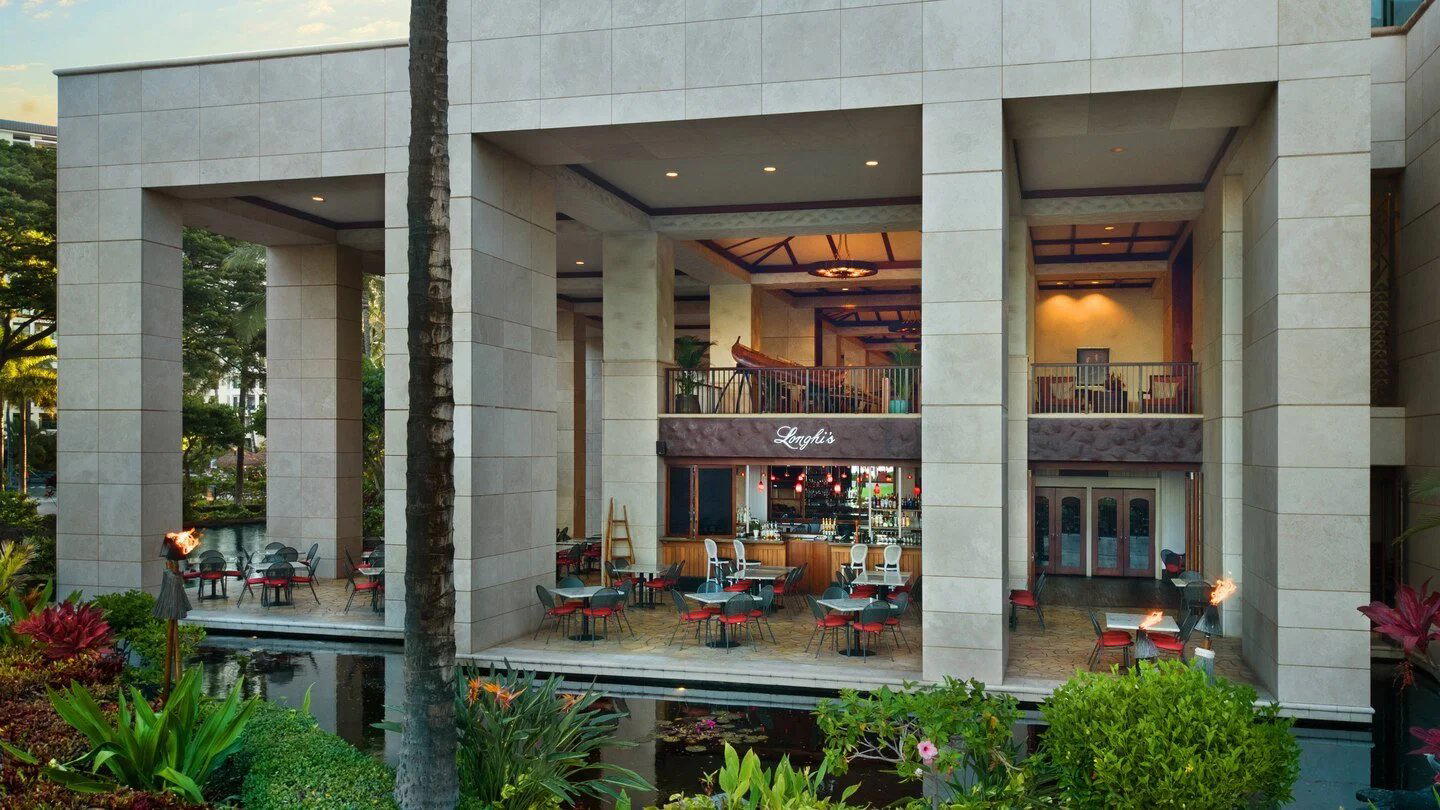
Bars in Kapolei
Browse all →
Details
- Cozy
- Casual
- Casual Hangout
- Brunch
- Open Kitchen
- Beer Program
- Local Sourcing
- A La Carte
- Vegetarian Friendly
- Vegan Options
Current opening hours
- Monday
- 7 AM–8:30 PM
- Tuesday
- 7 AM–8:30 PM
- Wednesday
- 7 AM–8:30 PM
- Thursday
- 7 AM–8:30 PM
- Friday
- 7 AM–9 PM
- Saturday
- 7 AM–9 PM
- Sunday
- 7 AM–8:30 PM
Hours can change for holidays and private events. Hours as of .
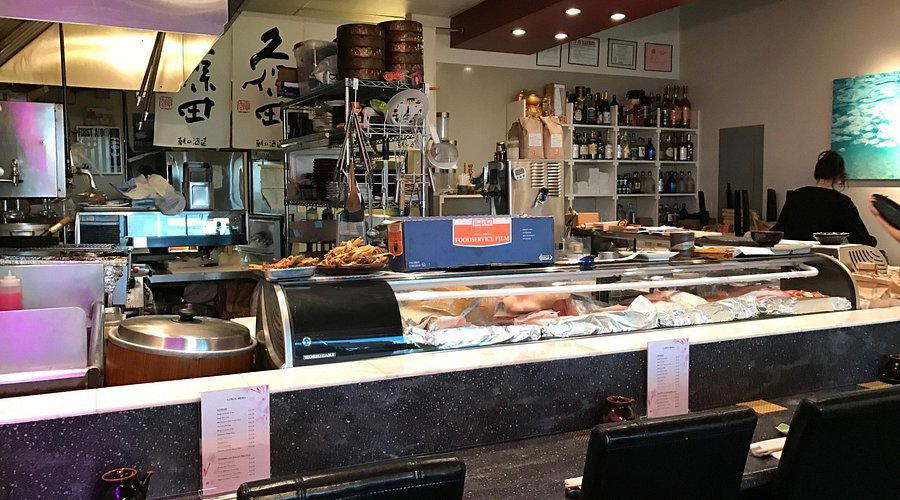
Cozy, open warehouse-inspired layout with friendly neighborhood atmosphere.