A Corsican table in the heart of the Marais, L'Alivi at 27 Rue du Roi de Sicile brings the island's charcuterie, brocciu, and maquis-scented flavours to central Paris. In a city where regional French cooking competes against heavily starred creative tasting menus, this address holds its ground by staying grounded in one specific culinary tradition rather than chasing broader French haute cuisine credentials.
Pearl is the En Primeur Club membership app — saves, bookings, and concierge access live there. Same editors, same standards.
- Address
- 27 Rue du Roi de Sicile, 75004 Paris, France
- Phone
- +33622875706
- Website
- restaurant-alivi.com
- Directions
- Get directions
 Saves & bookings on Pearl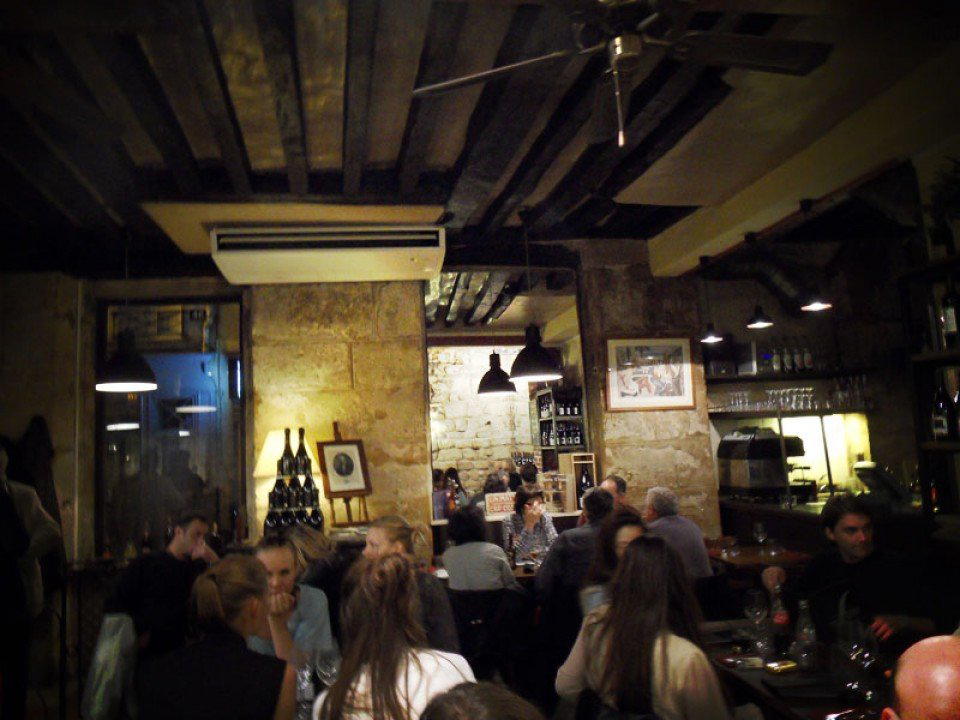
Corsican Cooking in the Marais: A Singular Regional Commitment
Paris has always absorbed France's regional food traditions, but it has rarely treated them as equals to the haute cuisine mainstream. The Marais sits at an interesting intersection in that story: historically a neighbourhood of craftspeople and traders, now a dense mix of galleries, heritage apartments, and restaurants that range from tourist-facing brasseries to quietly serious neighbourhood tables. Within that mix, a Corsican restaurant occupies a specific and underserved niche. Corsica's cuisine draws from maquis herbs, island-cured charcuterie, sheep's milk cheeses like brocciu, and seafood shaped by the Mediterranean rather than the Atlantic. It is a tradition with a strong internal logic, and one that travels poorly when it loses specificity.
L'Alivi is a Traditional Corsican restaurant at 27 Rue du Roi de Sicile, 75004 Paris, France. The name itself references the olive tree, a symbol that runs through the island's agricultural and culinary identity. Where many regional restaurants in Paris soften their edges to appeal to a broader Parisian diner, a Corsican specialist working at this address in this neighbourhood operates with a particular kind of confidence: the Marais has enough knowledgeable, food-curious residents and visitors to reward specificity rather than punish it.
The Culinary Logic of the Island
To understand what a serious Corsican table offers, it helps to understand what makes the island's food tradition distinct within French cooking. Corsica was under Genoese rule for centuries before becoming French in 1768, and that history shows up in the food: the influence of Italian charcuterie culture, the use of chestnut flour in breads and desserts, the production of figatellu (a cured liver sausage) and lonzu (cured pork loin) that have no real equivalent elsewhere in France. The island's cheeses, particularly brocciu, carry AOC protection, meaning their production is legally tied to Corsican territory. When these ingredients appear on a Paris table, their provenance is the point.
The maquis, the dense aromatic scrubland that covers much of the island's interior, gives Corsican cooking its herbal signature: wild herbs including rosemary, thyme, lavender, and immortelle shape the flavour of lamb, kid, and game in ways that are difficult to replicate with cultivated equivalents. For diners accustomed to classical French or modern tasting-menu formats, Corsican cooking offers a different register: ingredients-forward, geographically specific, and rooted in pastoral and coastal traditions rather than brigade-kitchen refinement.
This positions Corsican restaurants in Paris at some distance from the city's dominant fine dining conversation. Tables like Alléno Paris au Pavillon Ledoyen, Arpège, and L'Ambroisie operate in the high-technique creative or classic French register, where the chef's vision is the organising principle. A Corsican specialist organises around place instead.
The Marais Setting
The 4th arrondissement location matters beyond postal code. The Rue du Roi de Sicile sits in the older Jewish quarter of the Marais, a few streets from the Place des Vosges and within easy reach of the Centre Pompidou. This part of the Marais has a lower concentration of tourist-facing restaurants than the surrounding streets, which tends to attract a more locally oriented dining crowd. For a regional specialist, that demographic is an advantage: the Marais diner in this pocket of the arrondissement skews toward someone interested in what the restaurant is specifically doing rather than what it represents generically.
In broader Paris terms, the 4th is not where the city's most decorated restaurants cluster. The starred concentration runs heavier in the 1st, 7th, 8th, and 17th arrondissements, where addresses like Le Cinq at the Four Seasons George V and Kei operate. The Marais runs at a different pitch: more neighbourhood character, less grand-hotel formality. That pitch suits a Corsican table well.
Corsican Wine and the Island's Drinking Tradition
Corsican wine deserves specific attention because it is almost invisible in Paris restaurants that do not specialise in the island. The island has nine AOC designations, with Patrimonio and Ajaccio the prominent. Nielluccio (genetically identical to Sangiovese) and Sciaccarellu are the dominant red grape varieties; Vermentinu produces the island's most characterful whites. These are wines that rarely appear on lists at tables like AM par Alexandre Mazzia in Marseille or Assiette Champenoise in Reims, because they sit outside the mainstream French fine wine canon. At a Corsican specialist, the wine list is one of the primary indicators of seriousness: a list built around island producers rather than stocked with Burgundy and Rhône to reassure Parisian habits signals a genuine editorial point of view.
France's regional restaurant tradition beyond Paris includes addresses of considerable depth, from Auberge de l'Ill in Illhaeusern to Bras in Laguiole and Flocons de Sel in Megève, each rooted in its specific terroir. A Paris Corsican specialist makes a parallel argument from a different position: not that you should travel to the source, but that the source can arrive with integrity at a table in the 4th arrondissement, provided the commitment to specificity does not erode.
| Venue | Cuisine | Price Tier | Arrondissement | Format |
|---|---|---|---|---|
| L'Alivi | Corsican | Not confirmed | 4th (Marais) | Regional specialist |
| L'Ambroisie | French Classic | €€€€ | 4th (Place des Vosges) | Tasting menu / à la carte |
| Kei | Contemporary French | €€€€ | 1st | Tasting menu |
| Le Cinq | French Modern | €€€€ | 8th | Grand hotel dining |
For comparison with other French regional specialists, Auberge du Vieux Puits in Fontjoncouse, Au Crocodile in Strasbourg, and Troisgros in Ouches each represent the depth that strong regional identity can sustain at a serious level. For international reference points in ingredient-led cooking, Le Bernardin in New York and Atomix demonstrate how specific cultural traditions hold their identity in major cities outside their home country. Mirazur in Menton and Paul Bocuse in Collonges-au-Mont-d'Or remain useful markers for understanding how French cooking has historically balanced regional identity with broader recognition.
Pricing, Compared
Comparable venues nearby, for context on price, style, and recognition.
| Venue | Cuisine | Price | Notes |
|---|---|---|---|
| L'AliviThis venue — the venue you are viewing | Marais, Traditional Corsican | $$$ | Not listed |
| Chez Julien | Not listed | $$$ | Le Marais, Classic French Brasserie with Modern Twists |
| Hugo & Co | Not listed | $$$ | Latin Quarter, Modern French Fusion Bistro |
| CACTUS by La Finca | Not listed | $$$ | 11th Arrondissement, Seasonal French Bistro |
| Circonstances | Not listed | $$$ | 2e Arrondissement, Modern French Bistro |
| L'Annexe | Montmartre, French Brasserie | $$$ | Not listed |
Continue exploring
More in Paris
Restaurants in Paris
Browse all →
Bars in Paris
Browse all →
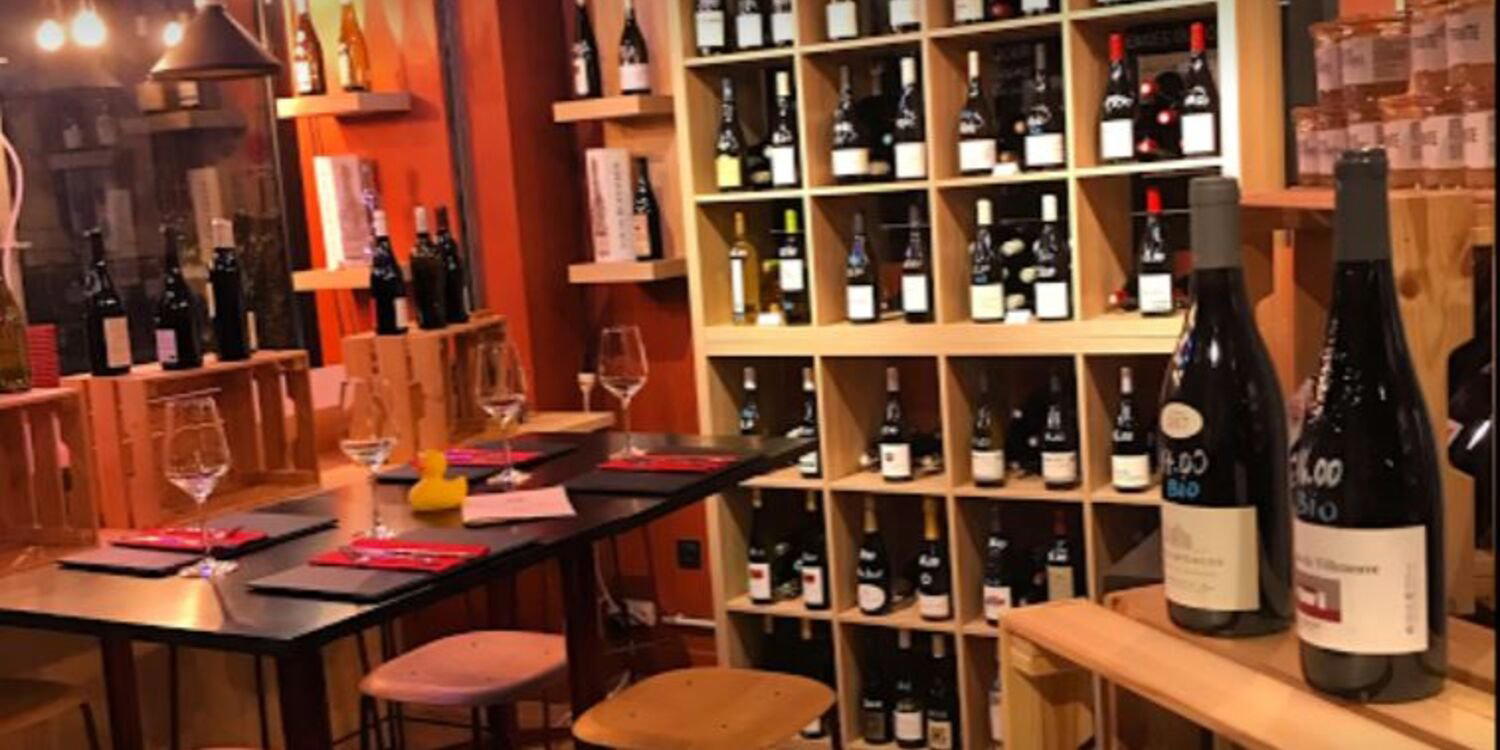
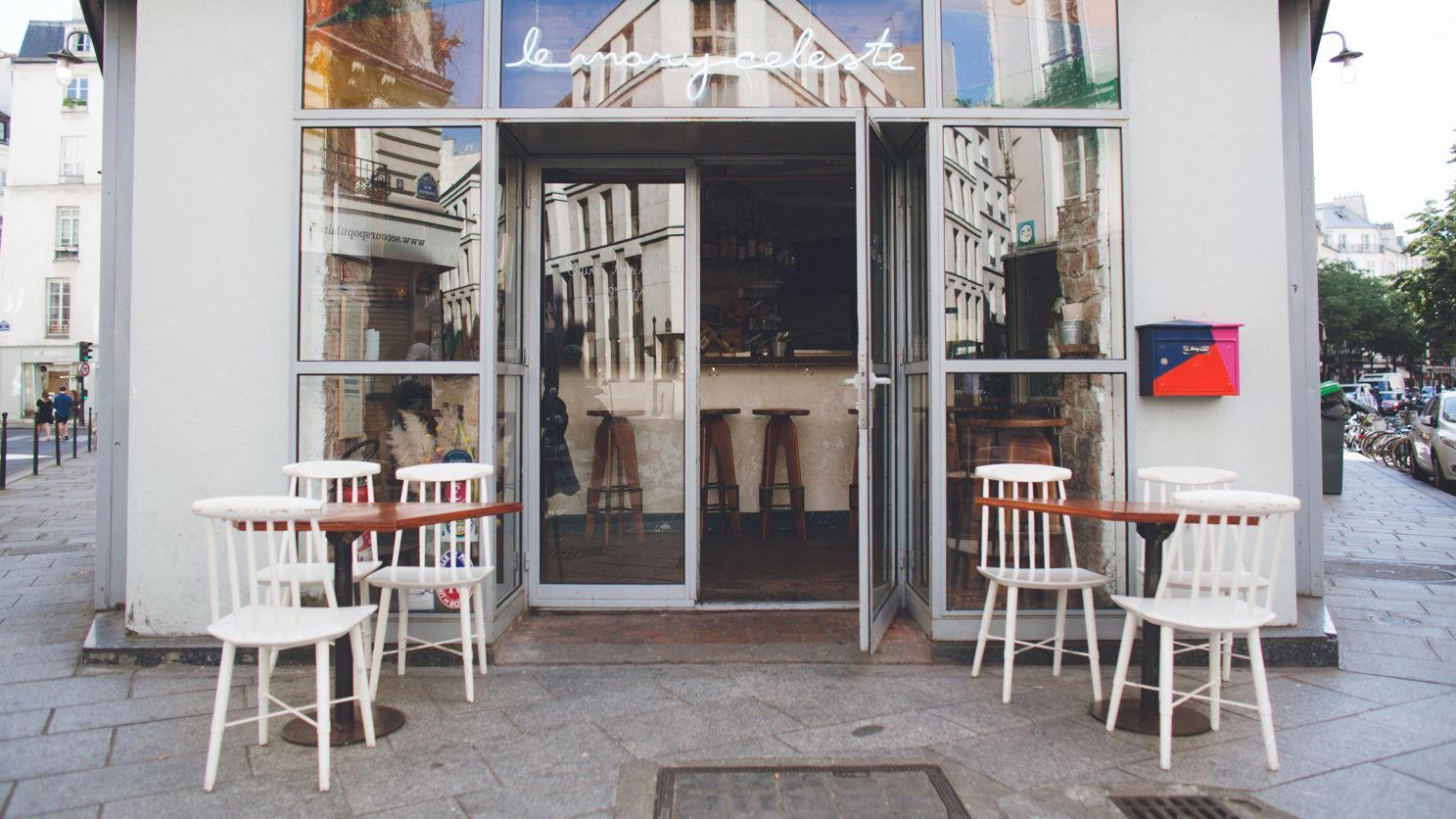
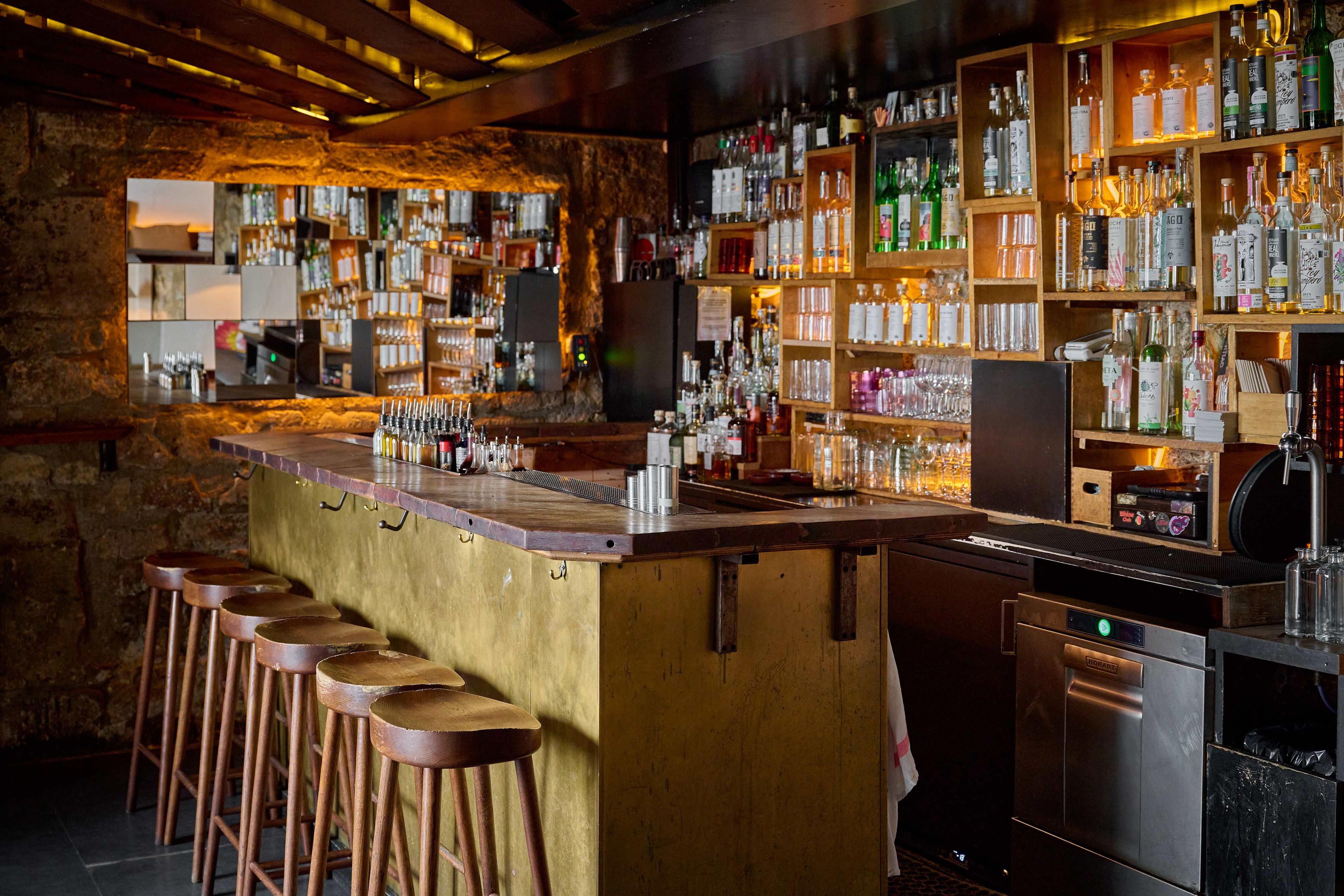
Hotels in Paris
Browse all →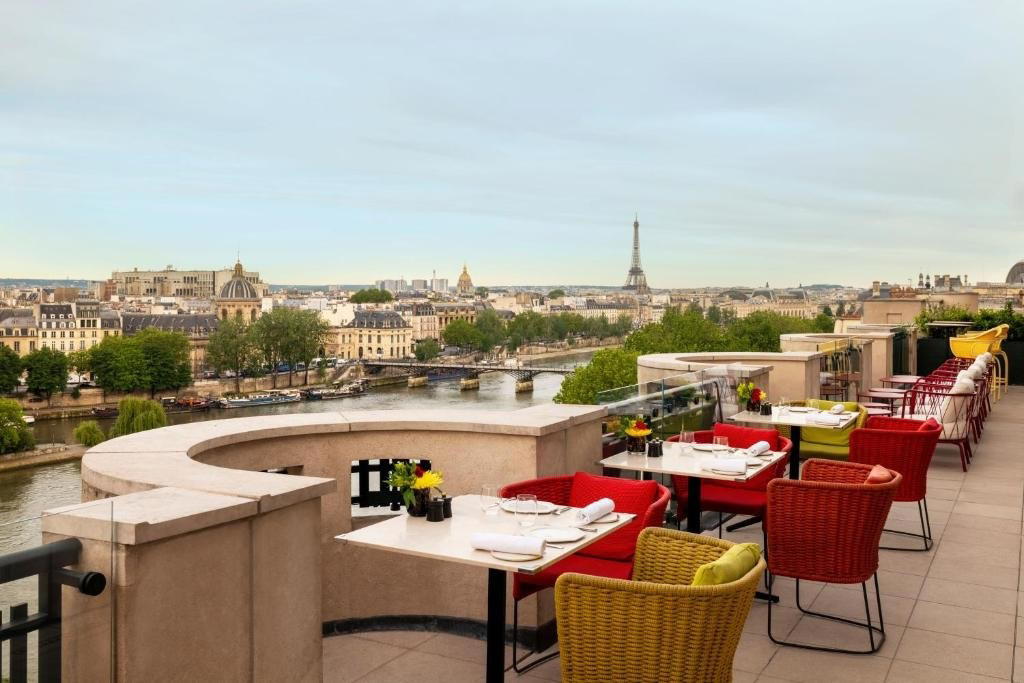
At a Glance
- Cozy
- Rustic
- Intimate
- Classic
- Date Night
- Casual Hangout
- Special Occasion
- Terrace
- Historic Building
- Extensive Wine List
- Street Scene
Current opening hours
- Monday
- 12–2:30 PM, 7–11 PM
- Tuesday
- 12–2:30 PM, 7–11 PM
- Wednesday
- 12–2:30 PM, 7–11 PM
- Thursday
- 12–2:30 PM, 7–11 PM
- Friday
- 12–2:30 PM, 7–11:30 PM
- Saturday
- 12–4 PM, 7–11:30 PM
- Sunday
- 12–4 PM, 7–11 PM
Hours can change for holidays and private events. Last verified .
Authentic dining room with woodwork, stone walls, cozy and warm atmosphere, sunny terrace with olive trees.