Rosselli
Washington DC's Italian dining scene has matured well beyond red-sauce comfort into something more considered, and Rosselli sits in that more serious register. An Italian kitchen operating in a city better known for its power-lunch steakhouses, it makes a case for the kind of cooking that privileges restraint and regional specificity over spectacle. For visitors with an appetite for something outside the federal-corridor defaults, it warrants attention.
Pearl is the En Primeur Club membership app — saves, bookings, and concierge access live there. Same editors, same standards.
- Address
- Washington DC, United States
- Directions
- Get directions
 Saves & bookings on Pearl
Italian Cooking in a City That Usually Orders Steak
Rosselli is a restaurant in Washington DC serving Innovative Fine Dining with a smart casual dress code and reservations recommended. The city's dining identity has long been shaped by the rhythms of political life: steakhouses for lobbyists, expense-account French, and, more recently, a wave of globally inflected restaurants that reflect the capital's international workforce. Italian food, in that context, tends to get squeezed into either the casual-neighborhood category or the tourist-facing red-sauce register. Rosselli occupies neither of those slots. It represents the smaller, quieter tier of DC Italian dining, where the emphasis falls on regional coherence and the kind of sourcing discipline that puts it closer in spirit to the serious cucina italiana you find at places like Ulivo.
That positioning matters. Italian cuisine in the United States has spent decades being misread, simplified, and folded into a single undifferentiated category. The more interesting restaurants now push back against that flattening, treating Italy's extraordinary regional breadth, from the butter-and-cream traditions of Emilia-Romagna to the olive oil and preserved fish logic of Sicily, as a serious framework. Where a kitchen lands on that spectrum tells you more about its ambitions than almost any other single data point.
The DC Dining Context It Enters
The comparison set for Rosselli in Washington is narrower than the city's overall dining scale might suggest. DC has produced nationally recognized tables, and the bar for serious fine dining has risen sharply over the past decade. The Inn at Little Washington, operating since 1978 and holding three Michelin stars, anchors stronger examples from the regional fine-dining tier with a New American framework. Elsewhere in the city, highly technical programs from kitchens like Alfie's and its permanent Georgetown iteration demonstrate that DC diners will now follow ambitious, format-specific restaurants into niche territory. Bazaar Meat by José Andrés represents the Spanish-inflected high-production end of the city's protein-led dining. Rosselli, as an Italian kitchen in this company, occupies a position that requires more specificity than cuisine alone can provide.
For context on what serious Italian fine dining can mean in different global contexts, it is worth noting that kitchens such as 8 1/2 Otto e Mezzo Bombana in Hong Kong and cenci in Kyoto have demonstrated that Italian cooking travels well outside Italy. That broader frame is useful for understanding where DC's leading Italian tables aspire to sit.
The Roots of What Rosselli Serves
Italian cuisine is not a monolith, and the leading Italian restaurants in any city make that case through the specificity of what they cook. The peninsula's twenty distinct regions each carry centuries of culinary practice shaped by geography, agricultural tradition, and local economy. Coastal Liguria's food looks nothing like the landlocked Piedmont, and neither resembles the baroque complexity of Neapolitan cooking. A kitchen that roots itself in one regional tradition, or that takes a disciplined approach to Italian technique without blurring regional lines, is making a different argument than one that offers a comprehensive tour of the whole country.
This matters in Washington because the city's Italian dining history has tended toward synthesis rather than specificity. The restaurants that have moved away from that synthesis, toward tighter regional focus and ingredient-first menus, represent a genuine shift in what DC diners are being asked to understand about Italian cooking. Rosselli's position in that conversation is worth tracking.
How It Sits Within the Broader Scene
Beyond DC itself, the range of serious American Italian dining has reference points that help calibrate expectations. Le Bernardin in New York City demonstrates what happens when European fine-dining technique is applied with absolute rigor in an American city. On the West Coast, Lazy Bear in San Francisco and Single Thread Farm in Healdsburg show how ingredient sourcing and tasting-format discipline can define a restaurant's entire identity. The ambition of Alinea in Chicago and the legacy of The French Laundry in Napa represent high points in American fine dining more broadly. Emeril's in New Orleans shows how a city's culinary identity can shape what even non-native cuisines produce within it. Against that national backdrop, a DC Italian restaurant operating at a serious level has a narrow but meaningful niche to occupy.
Planning a Visit
Washington's fine-dining calendar follows the rhythms of government and conference season, which means certain periods, particularly spring and autumn, see higher demand for tables at the city's more considered restaurants. For a kitchen of Rosselli's profile, advance planning is sensible. Visitors using the city's extensive metro network will find the core dining neighborhoods, Dupont Circle, Georgetown, Penn Quarter, and the 14th Street corridor, all accessible without needing a car, which is a practical advantage in a city where parking remains limited near most restaurant clusters.
Compact Comparison
Comparable venues nearby, for context on price, style, and recognition.
| Venue | Cuisine | Price | Notes |
|---|---|---|---|
| RosselliThis venue — the venue you are viewing | Valletta, Innovative Fine Dining | $$$$ | Not listed |
| The Prime Rib | Not listed | $$$$ | Golden Triangle, Classic Prime Rib Steakhouse |
| THE GRILL | Not listed | $$$$ | Southwest Waterfront, Modern American Steakhouse |
| Barbouzard | Not listed | $$$$ | Downtown DC, French-Mediterranean Fine Dining |
| Bazaar Meat by José Andrés | Not listed | $$$$ | Federal Triangle, Modern Spanish Tapas & Meats |
| Baan Mae | Shaw, Modern Southeast Asian | $$$ | Not listed |
Continue exploring
More in Washington DC
Restaurants in Washington DC
Browse all →
Bars in Washington DC
Browse all →
Hotels in Washington DC
Browse all →

At a Glance
- Elegant
- Sophisticated
- Intimate
- Special Occasion
- Hotel Restaurant
- Extensive Wine List
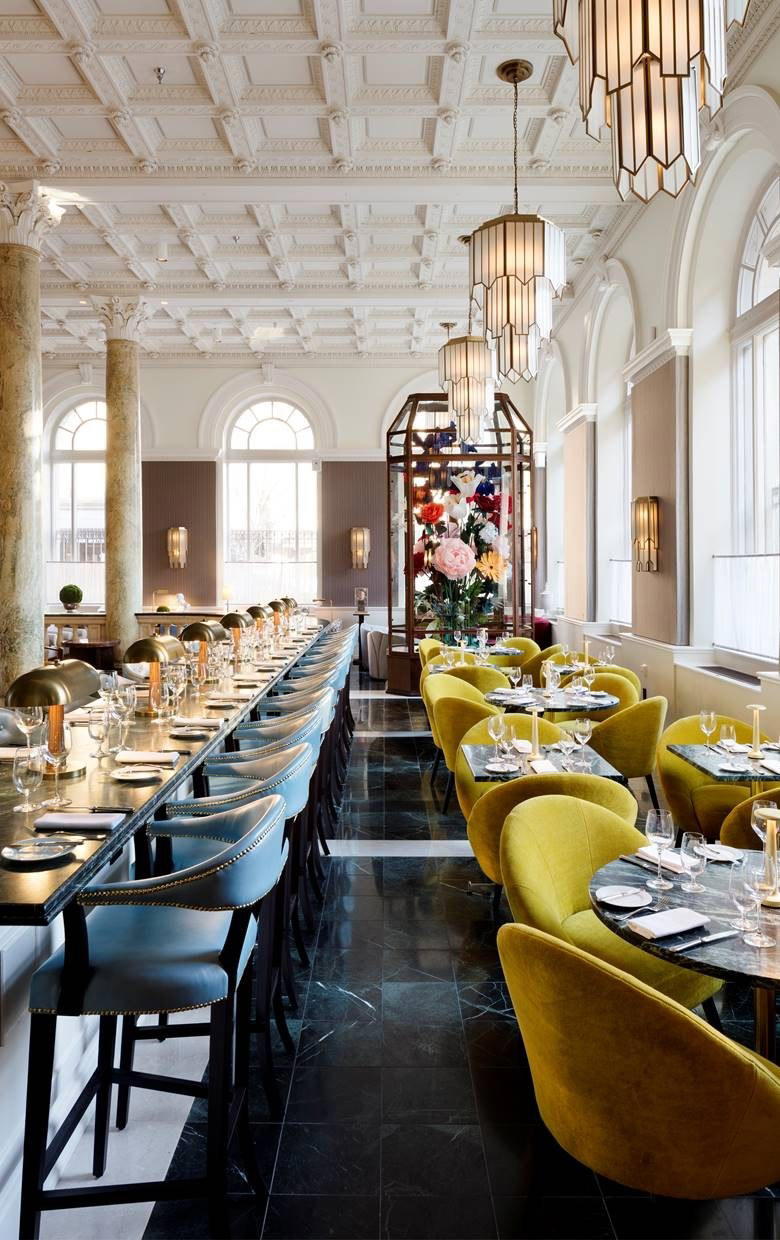
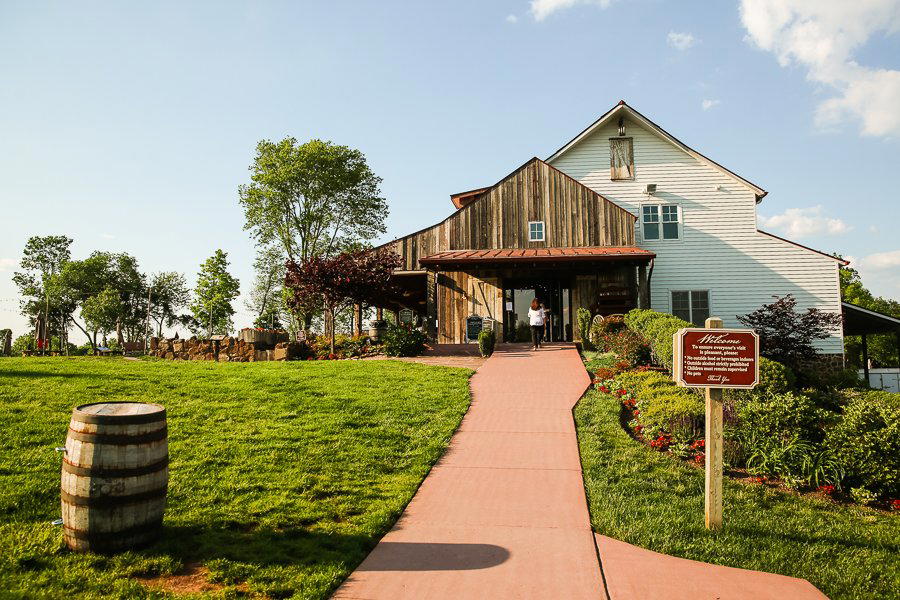
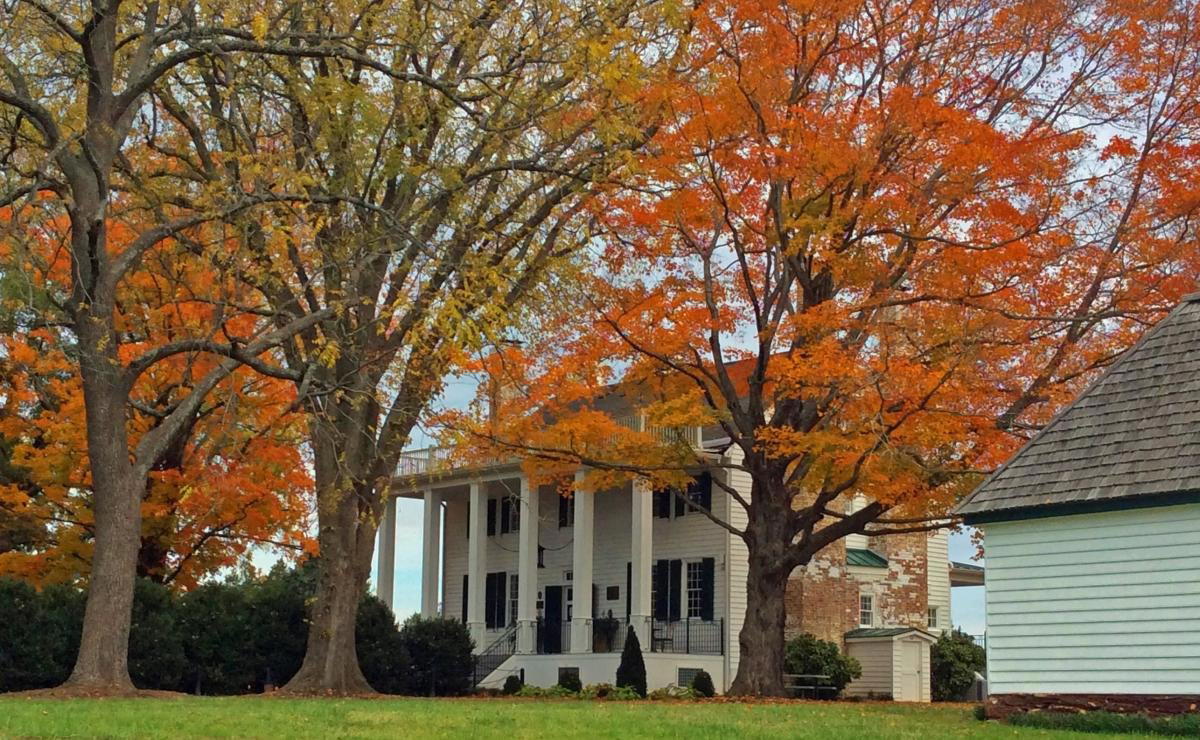
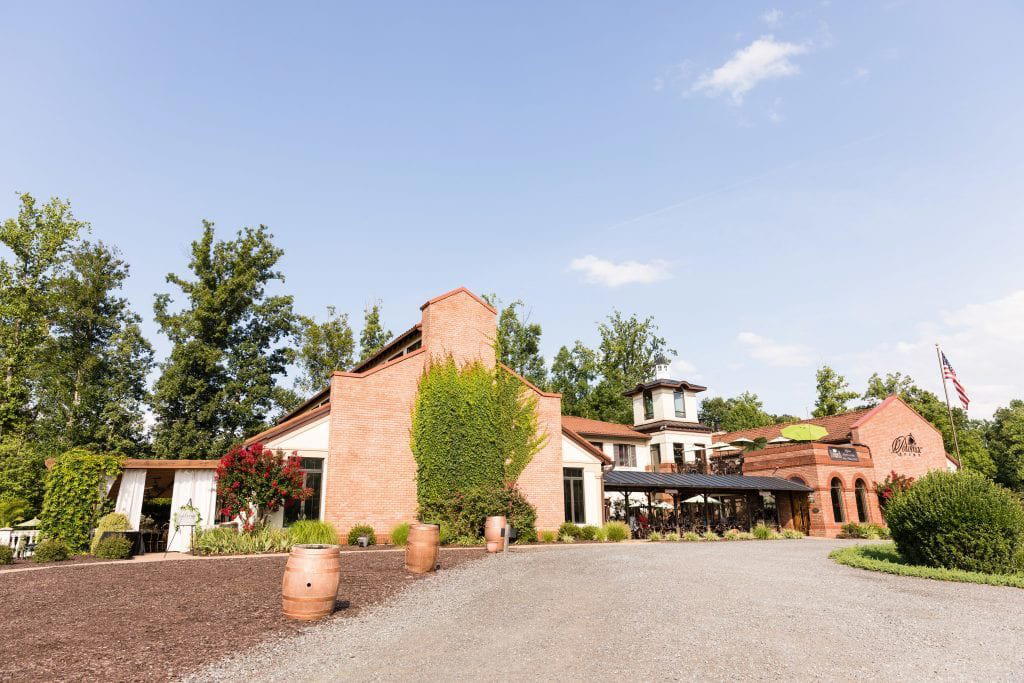
Elegant and classy with beautiful aesthetics and comfortable, cozy rooms.