
M Kasse puts Osaka curry into a compact, station-side room where counter seating and low-capacity service shape the meal as much as the plate. Its selection for Tabelog Curry WEST “Tabelog 100” 2024 places it in the region’s serious curry conversation, but the appeal is the small-room format: quick, focused, and built for solo lunch as much as a planned detour.
Pearl is the En Primeur Club membership app — saves, bookings, and concierge access live there. Same editors, same standards.
- Address
- Japan, 〒558-0051 Osaka, Sumiyoshi Ward, Higashikohama, 3 Chome−22−9 1階 102
- Phone
- +81 6-6654-5104
- Website
- instagram.com
 Saves & bookings on Pearl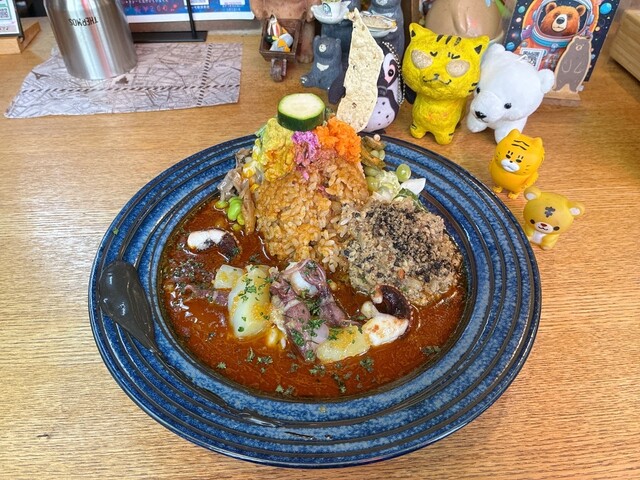
Approaching M Kasse is less about theatrical arrival than compression: a small ground-floor room in Higashikohama, close to the daily rhythm of Kohama Station, where the scale of the space sets the tone before the curry does. Osaka’s curry culture has always been more varied than the city’s louder food clichés suggest, split between salaryman lunch counters, spice-curry specialists, takeout windows, and neighbourhood rooms that operate on tight hours and tighter seating. This address belongs to that last category: compact, practical, and tuned for people who know exactly what they came for.
That matters because curry in Kansai is not a single tradition. Japanese curry houses, spice-curry shops, and hybrid counter formats sit side by side, often at modest prices but with strong local followings. M Kasse’s selection for Tabelog Curry WEST “Tabelog 100” 2024 gives it a clear trust signal inside that field, especially in a region where serious curry addresses can look modest from the street. The point is not grandeur. It is concentration: a small room, a short service window, and a format that rewards diners who treat lunch as the main event.
A small Osaka curry room where the seating tells the story
The physical container is central here. With 18 seats, including six at the counter and three tables for four, the restaurant sits in the register of Japanese dining where scale disciplines the experience. Counter seating changes how a curry shop feels: solo diners are not treated as overflow, tables do not dominate the room, and turnover becomes part of the design rather than a flaw. This is a common virtue in Osaka’s less performative neighbourhood dining, where a modest floor plan can produce sharper focus than a larger room.
The no-smoking policy and counter setup also position the space for a cleaner, faster lunch pattern than the older kissaten-adjacent curry model. In a city where station-adjacent meals can be purely functional, a Tabelog Curry WEST selection suggests the cooking has earned attention beyond convenience. That is the editorial argument for placing M Kasse on a serious Osaka itinerary: not because it performs luxury, but because it shows how much of the city’s food intelligence lives in small rooms with disciplined formats.
Compared with Osaka peers in the same everyday price band, such as Zouya, Tsukiro, New Tonsuke, and Kamaage Udon Raku, this kind of restaurant competes on specificity rather than ceremony. Kashiya sits even lower in price, but the broader pattern is the same: Osaka’s midweek dining strength often appears in places that ask for little ritual and deliver a narrow, confident proposition. In that context, curry is not a fallback meal. It is a category with its own hierarchy, regulars, and award lists.
What the Tabelog curry signal means in a city of specialists
Tabelog’s Hyakumeiten lists tend to matter for categories where foreign visitors often under-read the scene: ramen, tonkatsu, udon, bakeries, curry. A 2024 Curry WEST selection puts the restaurant among a curated regional group rather than a generic city ranking. The distinction is useful because Osaka’s restaurant reputation is often reduced to Dotonbori street food, while the more interesting meals frequently sit away from the tourist core, in neighbourhoods where rent, habit, and repeat customers shape the room.
The curry category also suits Osaka’s appetite for low-friction excellence. A high-end tasting counter asks for time and choreography; a curry specialist asks for attention. That difference is important for travellers planning between more formal meals at places such as a canto (Italian) or quick city staples such as 551 Horai (551蓬莱). The restaurant fits the gap between those poles: focused enough to justify a detour, casual enough not to consume the day.
The design-and-space story is also a useful corrective to the idea that small Japanese restaurants are automatically intimate in a romantic sense. Many are simply efficient. Here, 18 seats and counter availability make the room legible: arrive for curry, eat with purpose, leave the table for the next diner. The absence of private rooms and private-use service reinforces the point. This is not a flexible hospitality shell; it is a curry shop with a defined operating logic.
How to place it inside an Osaka food day
The restaurant works as a neighbourhood-focused lunch anchor rather than an all-day destination. The takeout option extends its usefulness, but the stronger case is eating in, where the counter-and-table split gives a better read on the room. Payment also reflects the practical texture of small Japanese restaurants: credit cards are not accepted, while electronic money and QR code payments are accepted. That detail is worth noting before building a south-Osaka route around lunch.
For a broader Osaka day, this is the kind of stop that pairs better with focused eating than sightseeing sprawl. A traveller could frame it against coffee and bakery addresses such as .cafe and 52CHO-ME BAKERY, or contrast it with international-format dining such as 99 Pizza Napoletana Gourmet. The common thread is not cuisine; it is how Osaka uses small premises to make specialist food feel ordinary rather than precious.
Readers mapping the city more broadly should use Our full Osaka restaurants guide for dining context, with Our full Osaka hotels guide, Our full Osaka bars guide, Our full Osaka wineries guide, and Our full Osaka experiences guide for the rest of the trip architecture. For comparison beyond Osaka, curry and casual-specialist formats appear across Japan and abroad in different registers, from [Curry Senmon Ten] Maruyama Kyoju. in Sapporo to [ki:] in Kyoto.know in Kumamoto, (Shoku) Vietnam in Kawasaki, -Grilled beef Sukiyaki- KAMAKURA TANUKIAN 鎌倉 たぬき庵 in Kamakura. 鮪と炭火焼き うお炭 秋葉原店 in Tokyo, Jōdo Saké Bar in Los Angeles, and Onigiri Time in Pasadena. The restaurant’s place in that wider map is clear: a low-capacity Osaka curry room where the room’s constraints are part of the argument, not a limitation.
Peers You’d Cross-Shop
Comparable venues for orientation by cuisine and category.
| Venue | Cuisine | Price | Notes |
|---|---|---|---|
| M KasseThis venue — the venue you are viewing | Japanese Curry House | $ | Not listed |
| Meiji Ken | Classic Osaka yoshoku (Japanese-style Western) with omurice | $ | Chūō |
| Udon Jojo | Casual Udon Noodle Shop | $ | Higashinari |
| Kyu Yam Tei Nakanoshima youkan | Japanese spice curry house | $ | Kita |
| Shiawase Tachinomi Yume Gorilla | Japanese standing bar (tachinomi) with fresh seafood and sake | $ | Kita |
| Osama no Spoon | Osaka curry & soup curry shop | $ | Kita |
Recognition history
Dated appearances from independent guides and award organizations, with the underlying list record or original source where available.
Tabelog 100 #52 · No. 52
Tabelog · Tabelog 100 - Curry - WEST - 2024
Continue exploring
More in Osaka
Restaurants in Osaka
Browse all →




Bars in Osaka
Browse all →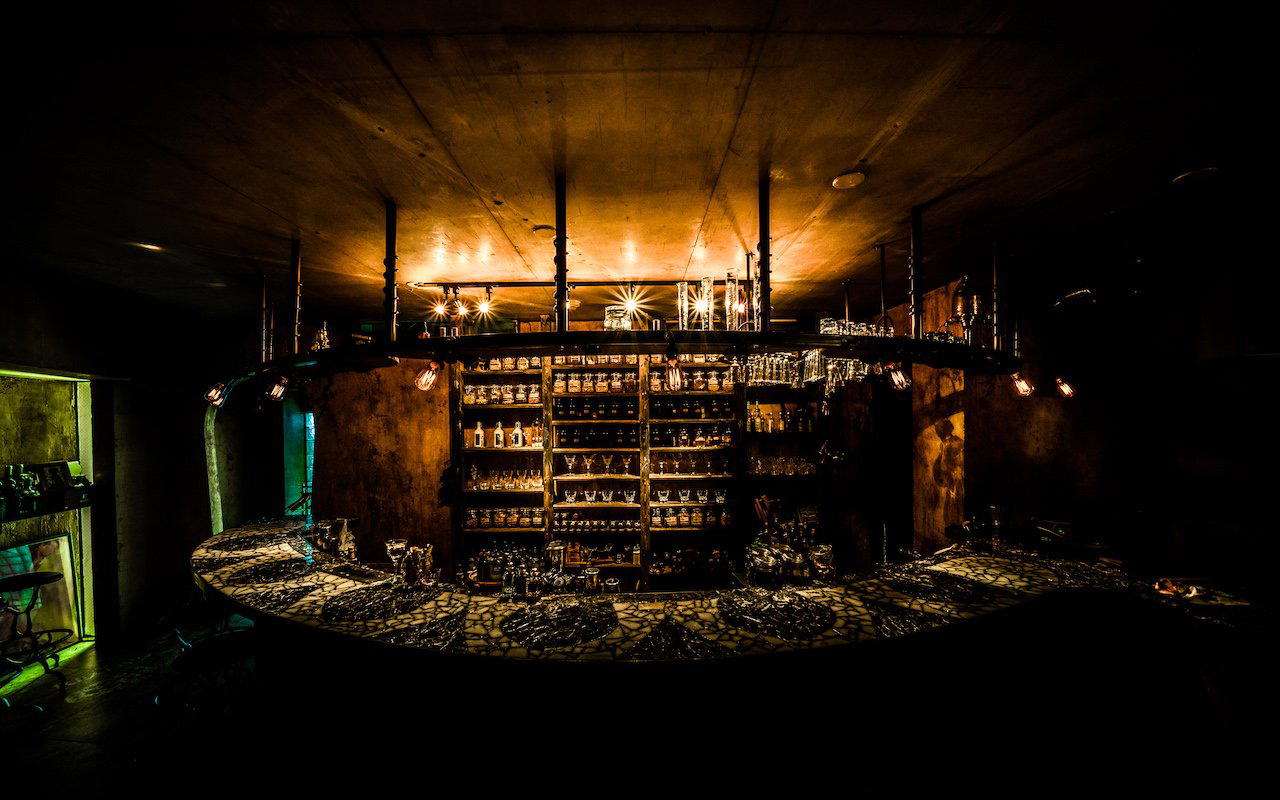
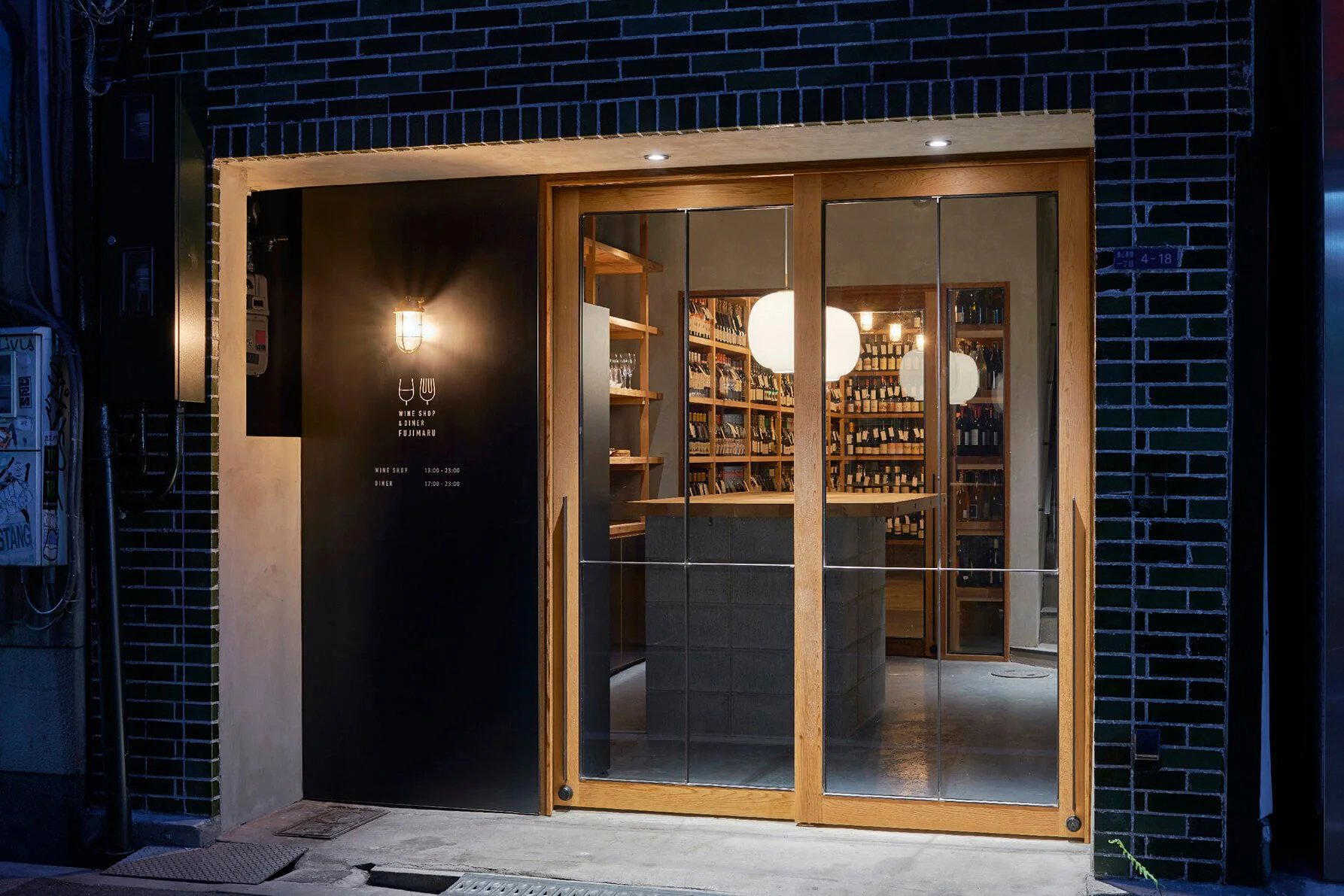
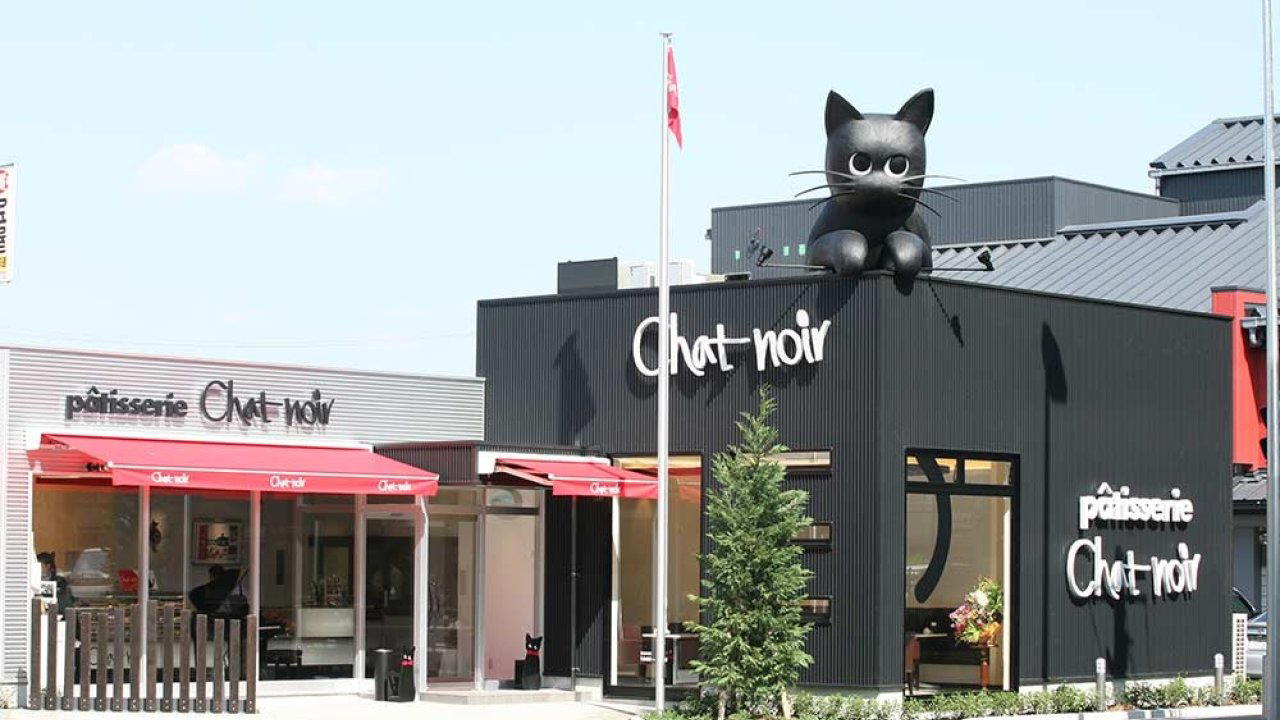


Hotels in Osaka
Browse all →



Wineries in Osaka
Browse all →
At a Glance
- Cozy
- Solo
- Casual Hangout
- After Work
- Standalone
Current opening hours
- Monday
- Closed
- Tuesday
- 11:30 AM–2:30 PM
- Wednesday
- 11:30 AM–2:30 PM
- Thursday
- 11:30 AM–2:30 PM
- Friday
- 11:30 AM–2:30 PM
- Saturday
- 11:30 AM–2:30 PM
- Sunday
- 11:30 AM–2:30 PM
Hours can change for holidays and private events. Last verified .
Casual, compact curry shop with about 18 seats, daytime-only service and a relaxed, local feel suited to quick lunches rather than long stays.