Tzintzuntzan
Our verdict
Tzintzuntzan brings an upscale brunchería format to Austin's North Loop corridor, working within a culinary tradition that treats the Mexican morning meal as seriously as any tasting menu. The address at 2302 W N Loop Blvd places it in a neighbourhood dense with independently owned restaurants, where the competition runs on local loyalty rather than tourist traffic. For Austin's Mexican dining conversation, it occupies a register that few others in the city have attempted.

Pearl is the En Primeur Club membership app — saves, bookings, and concierge access live there. Same editors, same standards.
North Loop's Upscale Brunchería Moment
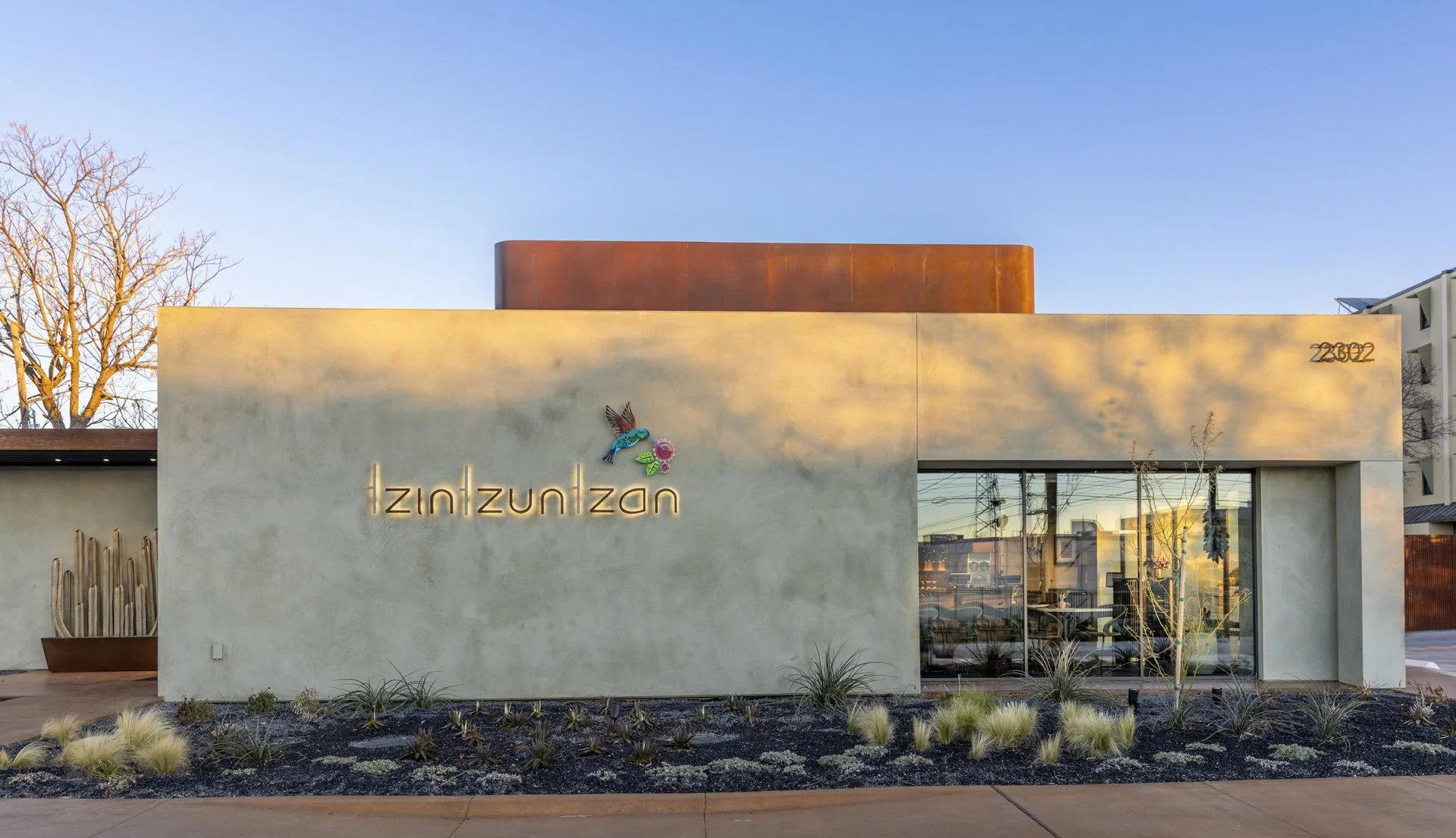
Austin's North Loop Boulevard has spent the better part of a decade assembling a dining corridor that runs on neighbourhood credibility rather than destination marketing. The strip rewards walking slowly: independent operators, rotating concepts, and a general resistance to the kind of high-gloss build-outs that define the Domain or South Congress. Tzintzuntzan, at 2302 W N Loop Blvd, fits that character precisely, though its category — upscale Mexican brunchería — places it in a much narrower competitive set than the block's broader casual-dining mix. Comparable operators of this format are thin on the ground anywhere in Texas, let alone Austin.
The brunchería format itself carries a specific weight in Mexican culinary tradition. In Mexico, the late-morning meal, almuerzo, functions as the social and gastronomic centrepiece of the day in a way that American brunch, with its bottomless-mimosa scaffolding, rarely does. Dishes are built around fresh market produce, egg preparations cooked to order, and slow-braised proteins that have typically been on heat since before dawn. The format demands an ingredient discipline that aligns more closely with the sourcing philosophy of farm-to-table New American kitchens than with most Mexican restaurants operating in the United States. Austin's most cited farm-driven operations, places like Barley Swine and Hestia, have built entire identities around sourcing transparency. Tzintzuntzan applies that same rigour to a tradition that predates the farm-to-table movement by generations.
Mercado Logic: What the Format Actually Requires
The mercado culture that underlies serious Mexican cooking operates on a daily-freshness cycle that challenges kitchen logistics in a country where supply chains default to weekly wholesale orders. The morning market, open at dawn, mostly sold out by nine, sets the menu's parameters before a line cook arrives. Chiles, herbs, tomatillos, and quelites (foraged greens) move in and out of availability with the season, the weather, and which vendors showed up. An upscale brunchería operating at this standard is, in effect, running a moving target menu, adjusting to what arrived rather than printing the same card month after month.
That sourcing constraint is also a quality signal. The dishes that define the format at its strongest, huevos rancheros with a salsa built from tomatoes that were on a vine forty-eight hours earlier, chilaquiles using tortillas pressed and fried in-house, enfrijoladas assembled from beans that have been simmering overnight, are not dishes that survive inattention to raw materials. The upscale designation attached to Tzintzuntzan's cuisine type implies that the kitchen is operating at the higher end of that discipline, not the version of the same dishes found at a roadside fondita. In Austin's wider dining context, that positions the restaurant in a niche that the city's celebrated barbecue operations (la Barbecue, InterStellar BBQ) and its Japanese counter formats (Craft Omakase) do not touch.
The Name and Its Geography
Tzintzuntzan is the name of a Purépecha town on the eastern shore of Lake Pátzcuaro in Michoacán, historically the capital of the Purépecha Empire and one of the most culturally layered small cities in Mexico. The Purépecha culinary tradition, distinct from Oaxacan, Veracruz, or Mexico City cooking, centres on lake fish, carnitas prepared in a specific lard-and-copper-cauldron method, and a chile palette that differs from the broader Mexican canon. Naming a restaurant after this place is not a generic gesture toward Mexican heritage. It is a pointed reference to a specific regional cooking tradition that remains largely unknown outside of Michoacán itself. That specificity is editorial information: it signals where the kitchen's influences may be rooted and what registers of Mexican cooking the menu is likely to draw from, even if the full menu is not available for confirmation here.
In the broader American context, regional Mexican cooking, Oaxacan, Yucatecan, Veracruz, Michoacano, has spent the last decade gaining the kind of granular recognition that Italian regional cooking achieved in the 1990s. Restaurants in New York, Los Angeles, and San Francisco have driven that recognition upward. Austin, with a large Mexican-American population and deep cross-border food relationships, is a natural city for that shift to take hold at a neighbourhood level rather than only in high-profile destination dining. Tzintzuntzan operates in that current.
Where It Sits in Austin's Dining Conversation
Austin's premium dining tier is largely defined by New American tasting menus and live-fire formats, the category anchored by operations like Hestia and Barley Swine. The city does not yet have the density of upscale Mexican fine dining found in Mexico City or Guadalajara, which means Tzintzuntzan is working in a relatively open field at its price point and format. The closest national analogues for what an upscale brunchería can become, in terms of critical recognition and guest expectation, sit in cities with more established Mexican fine-dining infrastructure. For reference on what serious investment in this format has achieved elsewhere in American fine dining more broadly, operations like Providence in Los Angeles and Lazy Bear in San Francisco demonstrate what happens when a format with deep cultural roots is executed at investment-grade level. Tzintzuntzan is making that argument for a Mexican brunchería in a mid-size Texas city, which is a more ambitious claim than it might initially appear.
For context on the breadth of Austin's dining scene, our full Austin restaurants guide maps the city's categories across price points and neighbourhoods. Within the North Loop corridor specifically, the density of serious independent operators makes it one of the few parts of Austin where walking between restaurants on the same evening produces a coherent picture of the city's food culture rather than a patchwork of unrelated concepts.
Planning Your Visit
Tzintzuntzan is located at 2302 W N Loop Blvd in Austin's North Loop neighbourhood, accessible from the 45th Street and Burnet Road grid. The area is walkable from several North Loop establishments and has street parking typical of the corridor. The North Loop corridor generally peaks on Saturday and Sunday mornings, so mid-week visits tend to offer a more measured pace.
Frequently asked questions
What type of food is Tzintzuntzan known for?
What's Tzintzuntzan's location?
Tzintzuntzan is located at 2302 W N Loop Blvd, Austin, TX 78756, Austin.
What does the name Tzintzuntzan mean and why does it matter for understanding the restaurant?
Tzintzuntzan is the name of a Purépecha town on Lake Pátzcuaro's eastern shore in Michoacán — historically the capital of the Purépecha Empire. Choosing that name for an upscale Mexican brunchería in Austin signals a deliberate regional specificity, anchoring the cuisine in a pre-colonial Mexican tradition rather than a generalised 'Mexican food' category. It places the kitchen in a conversation about culinary heritage that most Austin dining rooms, focused on New American or live-fire formats, do not enter.
What dish is Tzintzuntzan famous for?
The venue's menu has not been publicly documented in detail, so no single signature dish can be confirmed. What is clear from its format is that the upscale brunchería concept at 2302 W N Loop Blvd centres on Mexican preparations positioned above the standard brunch tier — daily-freshness driven, in the mercado tradition. Check directly with the restaurant for current menu focus.
Is Tzintzuntzan reservation-only?
Reservation and walk-in policy has not been publicly confirmed for Tzintzuntzan. Given its position as an upscale brunchería on Austin's increasingly competitive North Loop corridor, advance booking is advisable, particularly on weekends. Contact the venue at 2302 W N Loop Blvd, Austin, TX 78756 for current availability.
Standing Among Peers
Comparable venues nearby, for context on price, style, and recognition.
| Venue | Cuisine | Price | Notes |
|---|---|---|---|
| TzintzuntzanThis venue — the venue you are viewing | Upscale Mexican Brunchería | Not listed | Not listed |
| 44 East Ave #100 | Modern Mexican Grill with Coastal Latin Flair | Not listed | Town Lake |
| Chapulín Cantina | Authentic Oaxacan Mexican | Not listed | South River City |
| El Alma South | Contemporary Mexican | $30–50 | Westgate |
| VIVO | Modern Tex-Mex | $20–30 | Highland |
| El Alma | Contemporary Mexican | $30–50 | Auditorium Shores |