Twin Creeks
Our verdict
Twin Creeks sits at 3333 Blue Diamond Rd in Las Vegas's southwestern corridor, operating in a city where steakhouse competition is relentless and positioning matters as much as the plate. With sparse public data and no splashy marketing presence, it occupies a quieter register than the Strip's loudest dining rooms, which, in Las Vegas, can itself be a distinguishing signal worth investigating before your next visit.

Pearl is the En Primeur Club membership app, where members save venues, book tables and use the concierge.
The menu
What to order
- 40-ounce Creekstone Farms tomahawk
- Prime-grade New York Strip
- Lobster bisque
Southwest Las Vegas and the Steakhouse Question
Las Vegas has more serious steakhouses per square mile than almost any American city, but the distribution is uneven. The Strip corridor concentrates the celebrity-chef operations and the hotel-group flagships, while the southwestern residential stretch along Blue Diamond Road operates on a different logic entirely. Restaurants here serve a local population that eats out regularly rather than tourists cycling through once. That creates different pressures on a dining room: consistency matters more than spectacle, and the room has to hold up on a Tuesday in February as much as a Saturday in December. Twin Creeks, at 3333 Blue Diamond Rd, sits inside that dynamic.
For context on how the broader Las Vegas restaurant scene is structured, see our full Las Vegas restaurants guide, which maps the city's dining spread from the Strip to the outer neighborhoods.
The Service Architecture That Holds a Room Together
In the American steakhouse format, the front-of-house team carries an outsized share of the experience. Unlike tasting-menu formats where the kitchen's sequencing controls the pacing, a steakhouse dinner is largely shaped by the people moving through the room: how they time the courses, how they read a table's rhythm, how the sommelier engages without overselling. The collaboration between kitchen, floor, and wine service is where the format either holds together or quietly frays.
This dynamic plays out differently at neighborhood-anchored rooms than at Strip properties. At high-traffic Strip steakhouses, the floor team is often managing table turns against a backdrop of reservation pressure. At a location like Twin Creeks, the same team is more likely building repeat relationships with locals who know their preferences and expect to be recognized. That shift in expectation changes how a sommelier approaches a table, how the kitchen communicates timing to the floor, and how a dining room sustains a consistent register across a week rather than just a single high-volume night.
Compare this to the team dynamic at operations like Craftsteak, which operates within the MGM Grand's full service infrastructure, or to the more compact, personality-driven formats at 108 Eats and 18bin. The service model is never just logistical, it shapes what kind of evening is actually possible.
What the American Steakhouse Format Demands
The American steakhouse sits in an interesting position on the national dining spectrum. At one end, the format has been absorbed into fine dining: operations like Single Thread Farm in Healdsburg and The French Laundry in Napa represent what American protein-forward cooking can become when the format is pushed toward its ceiling. At the other end, the classic steakhouse remains resolutely unpretentious, a format built around reliability and generous portions rather than experimentation.
Most serious American fine dining operations now sit somewhere between these poles. Le Bernardin in New York City and Alinea in Chicago occupy the technical extreme. Lazy Bear in San Francisco, Addison in San Diego, and Providence in Los Angeles each represent regional variations on ingredient-led American cooking with serious wine programs. Blue Hill at Stone Barns in Tarrytown anchors the farm-to-table wing. What links them is the integration of kitchen and floor into a coherent hospitality system, not a server bringing plates, but a team delivering an arc.
Neighborhood steakhouses in markets like Las Vegas can draw from this broader American dining tradition without necessarily competing in the same tier. The question for any room in this format is whether the team dynamic produces something coherent, not whether it holds three stars.
Las Vegas Comparisons Worth Making
The southwestern Las Vegas corridor competes quietly with better-known dining corridors. 777 Korean Restaurant and A Different Beast represent how non-Strip dining in Las Vegas can develop its own identity when freed from tourist-volume pressures. The pattern across the city's outer neighborhoods is that rooms tend to be smaller, reservation windows more accessible, and the experience less engineered for first-time visitors.
Globally, the gap between Strip dining and local dining in Las Vegas mirrors patterns in other high-tourism dining cities. Atomix in New York City, Emeril's in New Orleans, The Inn at Little Washington in Washington, and 8 1/2 Otto e Mezzo Bombana in Hong Kong all demonstrate that serious dining sometimes concentrates away from the obvious tourist circuits rather than inside them.
A Note on Available Information
Frequently asked questions
Is Twin Creeks child-friendly?
Twin Creeks sits on Blue Diamond Road in southwest Las Vegas, a residential corridor that draws repeat local diners rather than Strip tourists. Calling ahead to confirm is the practical move before arriving with young children.
What is the atmosphere like at Twin Creeks?
Blue Diamond Road places Twin Creeks firmly in southwest Las Vegas's neighborhood dining tier, away from the noise floor of Strip properties. Restaurants in this corridor generally run at lower volume and a more relaxed pace than casino dining rooms.
How does Twin Creeks compare to other dining options in the southwest Las Vegas corridor?
Twin Creeks is located at 3333 Blue Diamond Road, placing it in a part of Las Vegas that operates independently from the Strip dining circuit. The southwest corridor includes a small but developing cohort of neighborhood-oriented restaurants serving the area's residential population.
What should I eat at Twin Creeks?
Given its position in the southwest Las Vegas dining corridor, it is worth checking the venue directly for current offerings before visiting. Arriving with flexible expectations is reasonable until more detail becomes publicly documented.
What's the address for Twin Creeks?
Twin Creeks is located at 3333 Blue Diamond Rd, Las Vegas, NV 89139, Las Vegas.
Recognition, Side-by-Side
Comparable venues nearby, for context on price, style, and recognition.
| Venue | Cuisine | Price | Awards | Notes |
|---|---|---|---|---|
| Twin CreeksThis venue (the venue you are viewing) | Certified Angus Beef Steakhouse | $100–150 | Not listed | Not listed |
| Stanton Social Prime | Modern Steakhouse with Share Plates | Not listed | Not listed | South Las Vegas |
| Strip House | Sultry Steakhouse | $100–150 | Wine Spectator Award of Excellence | The Strip |
| Silverado Steak House | Classic American Steakhouse | $50–100 | Wine Spectator Award of Excellence | The Highlands |
| The Charcoal Room | Premium Steakhouse & Fresh Seafood | $50–100 | Not listed | Northwest Las Vegas |
| Cleaver- Butchered Meats, Seafood & Classic Cocktails | Steakhouse with Seafood & Classic Cocktails | Not listed | Not listed | Paradise Road |
Continue exploring
More in Las Vegas
Restaurants in Las Vegas
All restaurants in Las Vegas →
Bars in Las Vegas
All bars in Las Vegas →
Details
- Elegant
- Intimate
- Sophisticated
- Cozy
- Date Night
- Business Dinner
- Special Occasion
- Hotel Restaurant
- Craft Cocktails
- A La Carte
- Gluten Free Options
Current opening hours
- Monday
- Closed
- Tuesday
- Closed
- Wednesday
- 4:30–9:30 PM
- Thursday
- 4:30–9:30 PM
- Friday
- 4:30–9:30 PM
- Saturday
- 4:30–9:30 PM
- Sunday
- 11 AM–7 PM
Hours can change for holidays and private events. Hours as of .
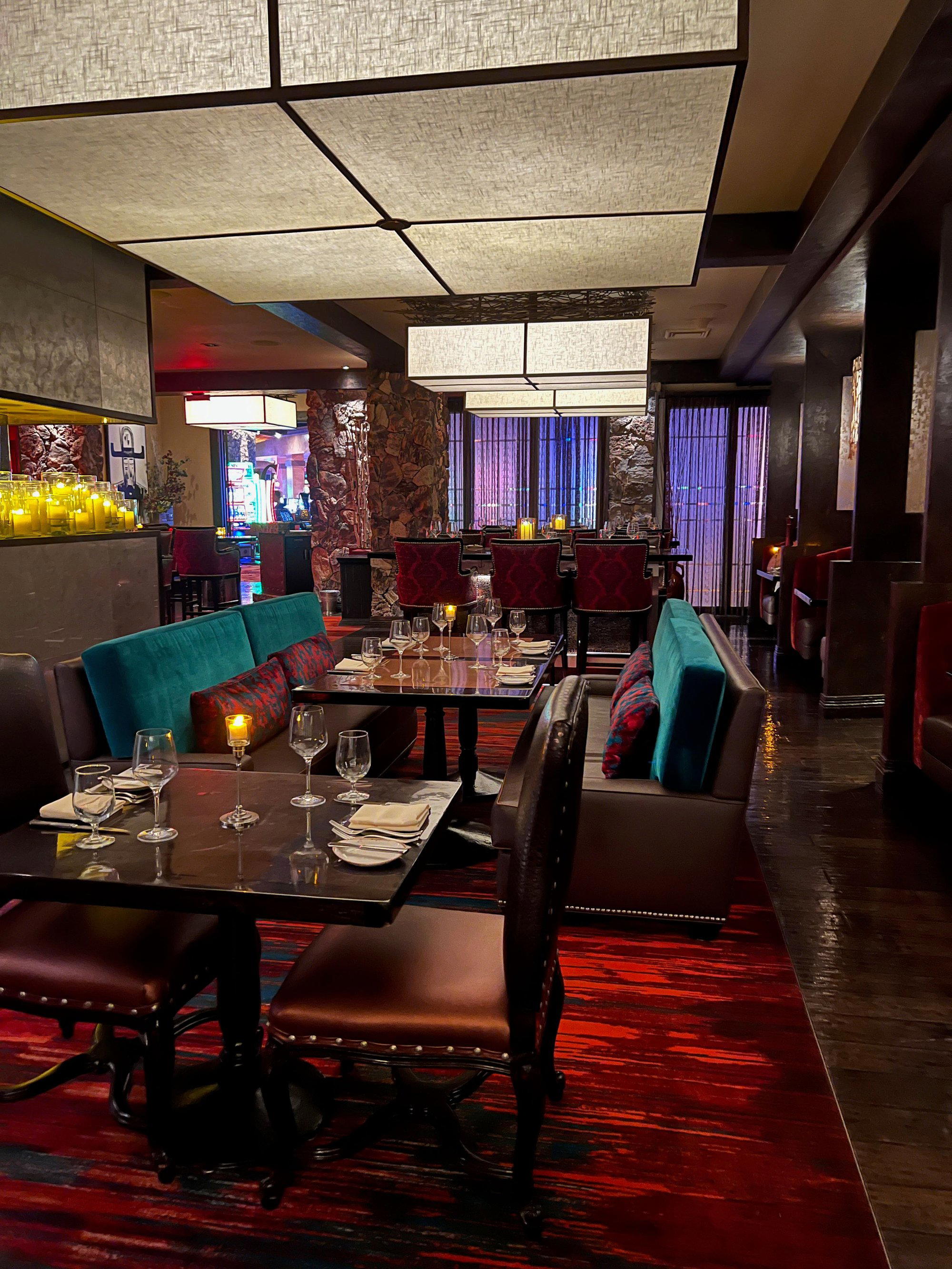
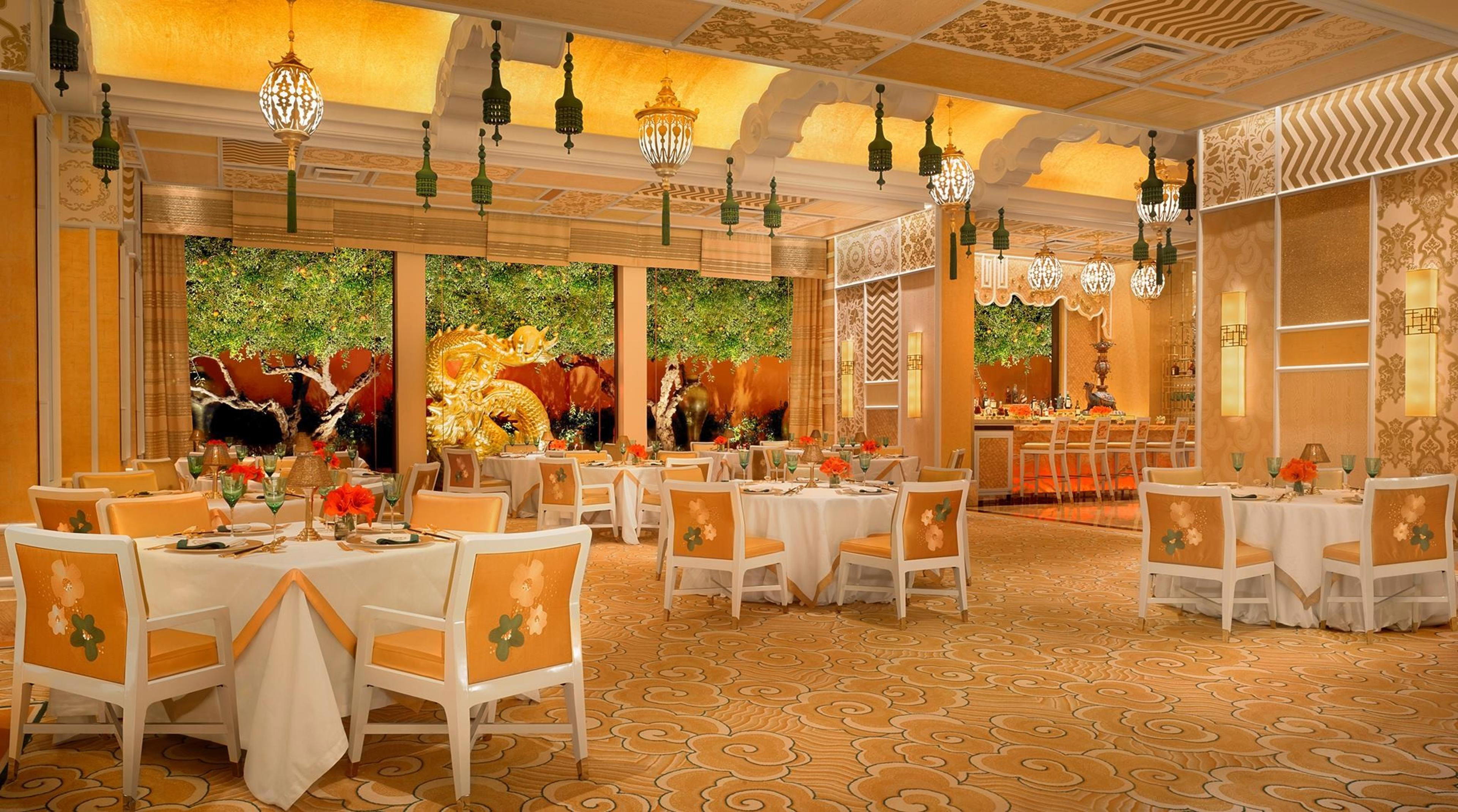
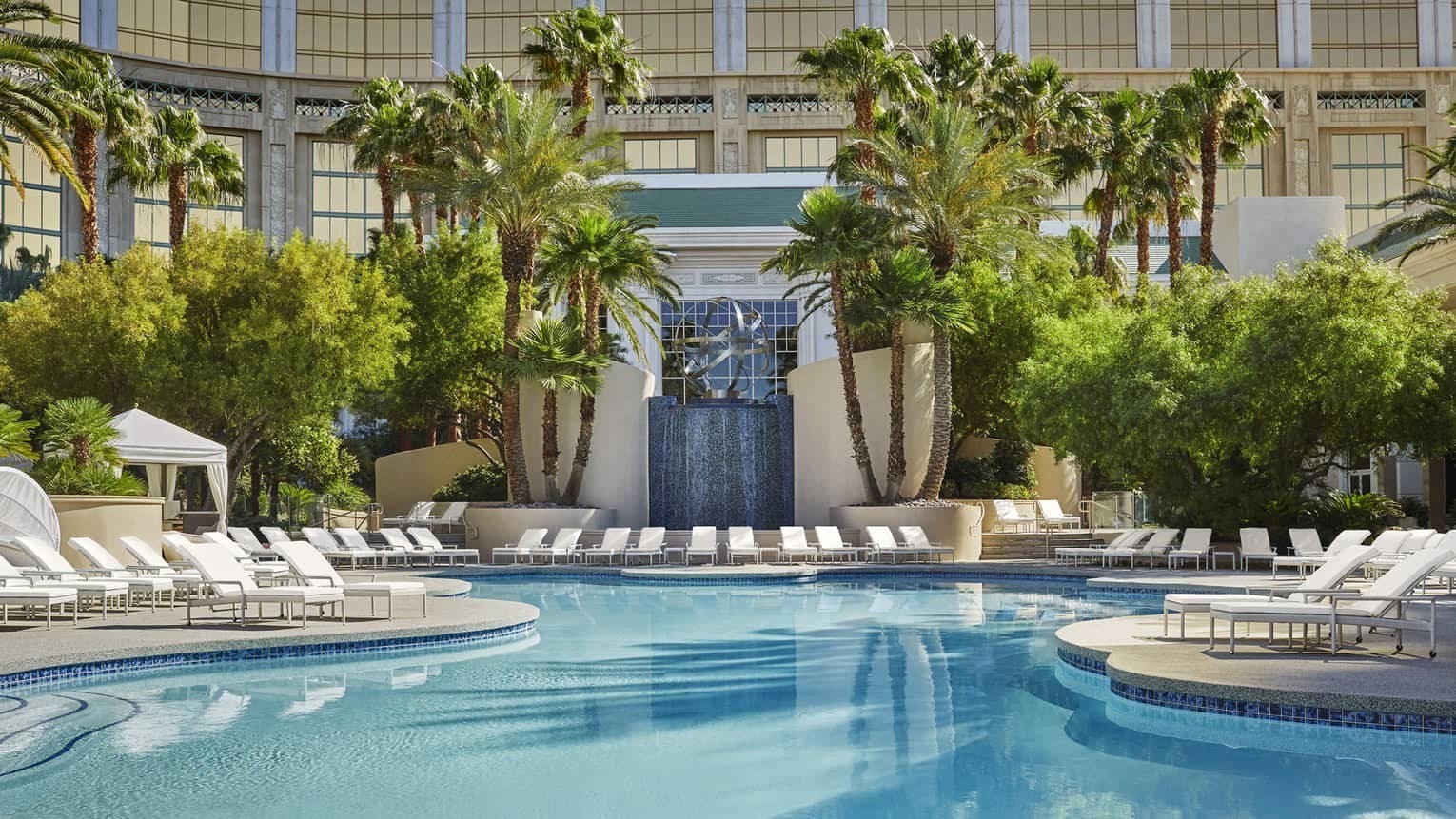
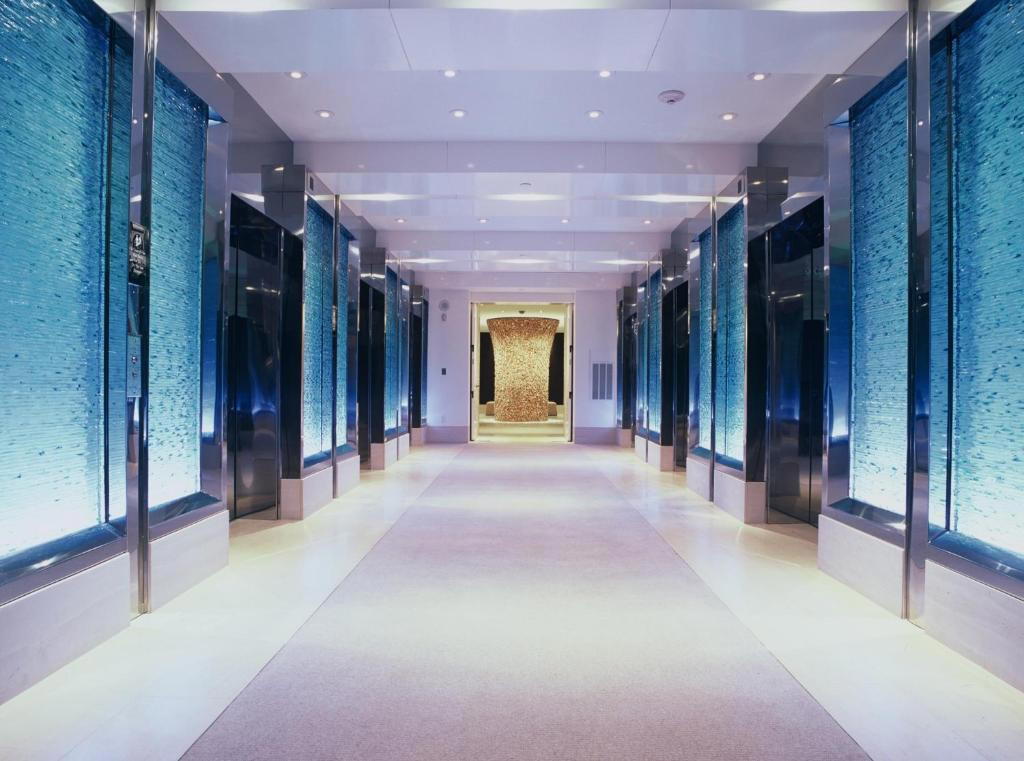
Sleek, classy interior with elegant cowboy decor, intimate and cozy atmosphere featuring lovely bar and restaurant lighting that creates a welcoming, upscale setting.