
Michelin Plate
Our verdict
Twelve25 occupies a quieter corner of Macau's peninsula dining scene, away from the casino-resort corridors, delivering a neo-French menu built around global ingredients and precise technique. The six-course tasting menu is the framework to understand the kitchen's ambitions, with a wine pairing that matches the care of the cooking. Certain dishes require advance ordering, so planning ahead pays dividends.

Pearl is the En Primeur Club membership app, where members save venues, book tables and use the concierge.
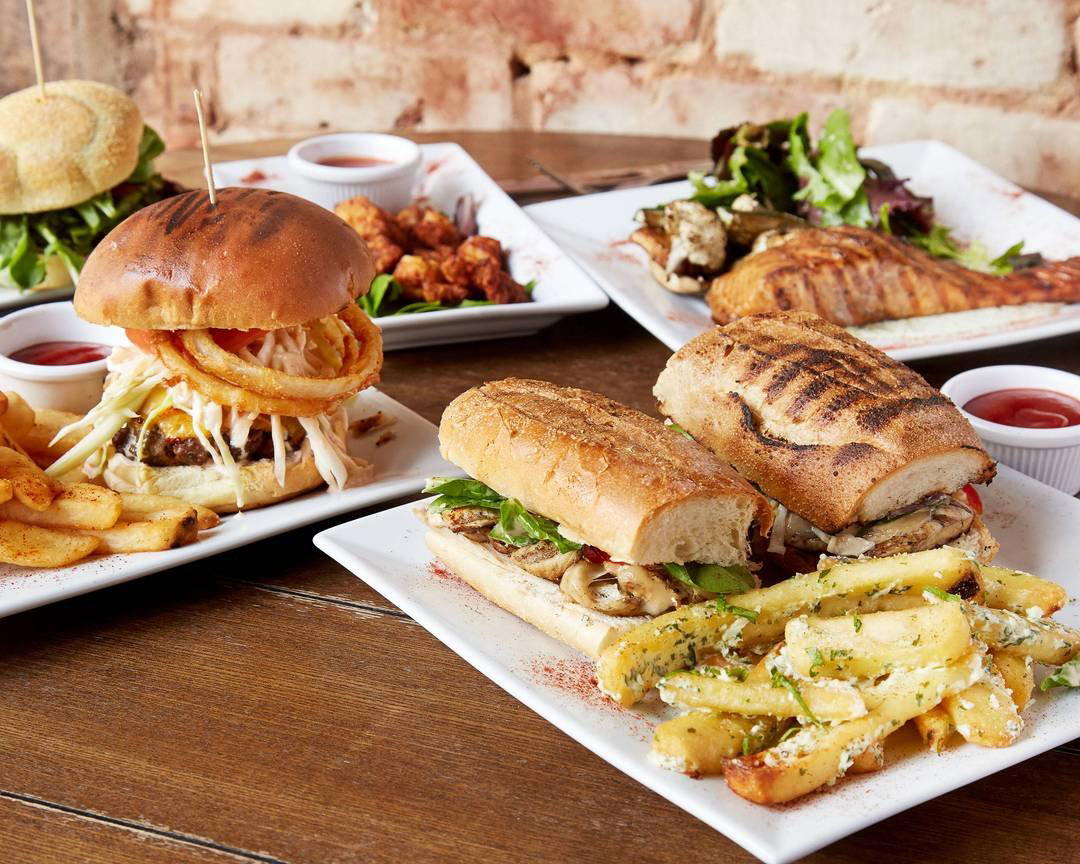
The menu
What to order
- Marble Goby Confit
- Maine Lobster
- Foie Gras
- Norwegian Salmon
- Veal Ossobuco
A Different Frequency on the Peninsula
Macau's restaurant conversation is dominated by the Cotai strip and its casino-anchored dining empires: Michelin-decorated rooms inside integrated resorts, where Robuchon au Dôme and Alain Ducasse at Morpheus operate at a price point that assumes the surrounding infrastructure. Twelve25 runs on a different frequency. It sits on Rua Um de Fái Chi Kei in the Praia Peninsula, a part of Macau where the architecture is quieter and the dining context is less mediated by resort programming. That geography is its first editorial statement: this is a kitchen that expects you to come looking for it.
The address puts it in the older urban fabric of the peninsula rather than the engineered hospitality zones of Cotai, which shapes both its clientele and its ambitions. Macau's peninsula has long sustained a parallel dining culture to the resort strip, from the legacy Cantonese houses represented in venues like Chef Tam's Seasons and Jade Dragon to the spicier regional Chinese cooking at Feng Wei Ju. Twelve25 inserts itself into that landscape as something structurally different: a European-framed tasting menu format operated outside the resort model, closer in spirit to the kind of chef-driven dining that cities like Shanghai or Hangzhou have developed in their own independent dining scenes.
The Architecture of a Neo-French Menu
The most useful lens for reading Twelve25 is the menu's architecture rather than any single dish. The kitchen describes its output as neo-French, a term that in practice means classical European technique applied to ingredients that fall outside the standard French pantry. That combination is now well-established in Asia's fine dining tier, where chefs trained in classical European traditions regularly reach into regional Chinese, Southeast Asian, and Pacific ingredients to extend or complicate their menus. The discipline here is French in its structural logic: sauce work, confit technique, piping, plating geometry. The sourcing and flavour strategy reach further.
Marble goby confit in herb butter, stuffed with mashed potato and topped with caviar, with champagne sauce beads piped around the fish to cut through the fat, is the clearest public-facing signal of that approach. The dish deploys a fish that is prized across southern China and Southeast Asia, handles it through a slow-confit technique that keeps the flesh intact, and uses caviar and champagne sauce in the classic enrichment-and-cut pattern of French luxury cooking. What matters editorially is what that combination tells you about the menu's logic: it is not fusion in the blending sense, but a deliberate application of one kitchen tradition's techniques to another tradition's primary materials.
That structural intelligence is what separates a genuinely considered neo-French menu from one that simply adds Asian garnishes to European plates. The champagne sauce bead detail, in particular, signals a kitchen fluent in modern plating technique, where the sauce is distributed for both visual and textural control rather than pooled. For comparison, the approach has conceptual kinship with what kitchens like 102 House in Shanghai or Ru Yuan in Hangzhou pursue in their own registers, and with the precision-ingredient logic you find in houses like Le Bernardin in New York City, where a single protein is the canvas for technique rather than spectacle.
The Six-Course Tasting Menu as Diagnostic
In format terms, the six-course tasting menu is the document that explains what the kitchen is trying to do. Tasting menus in this tier function as arguments: each course is a sentence in a sequence, and the structure reveals the kitchen's priorities, pacing instincts, and range. A six-course format is neither the long-form endurance test of ten or twelve courses nor the abbreviated form of four, which means the kitchen has to make its case efficiently without either compressing the argument or padding it.
The wine pairing that accompanies the tasting menu is its own structural signal. Pairing programs at this level require someone who understands the menu's flavour logic course by course, and a pairing built around a neo-French format with global ingredients demands more technical fluency than pairing a purely European menu. The champagne sauce in the marble goby dish, for instance, already contains an acidic signal that the pairing wine needs to work with rather than against. That kind of consideration in the pairing design is consistent with a kitchen that takes the whole sequence seriously as architecture, not just a sequence of dishes.
The note that certain items require pre-ordering is a logistical detail with editorial weight. It indicates that some preparations are either time-intensive or ingredient-driven in ways that make them impossible to execute on demand. In practice, this means the visit requires planning: contact the restaurant ahead of time, confirm what needs to be ordered in advance, and treat that step as part of the reservation rather than an afterthought. Visitors who skip that step may find a narrower menu than the kitchen's full range.
Placing Twelve25 in the Macau Fine Dining Field
Macau's fine dining tier tends to polarize between two models: the Cantonese-anchored prestige house, where lineage and classical technique are the credentialing logic, and the international luxury format backed by resort infrastructure and celebrity-chef licensing. Twelve25 sits in neither camp. Its neo-French model, independent address, and tasting menu format position it closer to the operator-led chef restaurants that have emerged in mainland Chinese cities over the past decade, from the precision ingredient work at Xin Rong Ji in Beijing to the regional inflection at Xin Rong Ji in Chengdu and the classical Chinese refinement of Imperial Treasure Fine Chinese Cuisine in Guangzhou and Dai Yuet Heen in Nanjing.
That positioning has implications for how you book and approach the meal. The resort-backed rooms operate with concierge infrastructure and same-day availability for guests staying on property. A peninsula restaurant of this format requires a different approach: direct reservation, advance menu planning, and an understanding that the experience is built around the kitchen's sequence rather than à la carte optionality. For those accustomed to the Cotai dining circuit, that shift in operating model is itself part of the read.
For further context on where Twelve25 sits in Macau's broader dining scene, our full Macau restaurants guide maps the city's dining tiers in detail. If you are planning a wider Macau visit, our Macau hotels guide, bars guide, wineries guide, and experiences guide cover the rest of the field. For a different take on how independent kitchen ambition translates in a Southern US context, Emeril's in New Orleans offers a useful comparative frame on chef-driven dining outside the resort model.
Planning Your Visit
Twelve25 is located at Shop A-F, Ground Floor, Praia Peninsula, Rua Um de Fái Chi Kei, Macau. The six-course tasting menu with wine pairing is the format that gives the fullest account of the kitchen. Given that certain dishes require advance ordering, contact the restaurant when making your reservation to confirm which preparations need to be pre-arranged. Arriving without that step risks a truncated experience. The address is on the peninsula rather than Cotai, so factor in travel time if you are based in the resort corridor.
Frequently asked questions
Where do I go for Twelve25?
Twelve25 is located at Shop A-F, GF, Praia Peninsula, Rua Um de Fái Chi Kei, Macau.
What's Twelve25 known for in terms of accolades?
Twelve25 has received recognition including: The chef rolls out a neo-French score with unorthodox ingredients from around the world, such as marble goby confit in a herb butter that is stuffed with mashed potato and topped with caviar. Beads of tangy champagne sauce are piped around ….
What's the must-try dish at Twelve25?
Order the six-course tasting menu: it is the clearest expression of the kitchen's neo-French approach. The marble goby confit, stuffed with mashed potato and topped with caviar, with champagne sauce beads piped around the fish, is a signature preparation. Confirm at booking which courses require advance ordering, as certain items need to be pre-arranged.
What's the best way to book Twelve25?
Twelve25 is an independent restaurant on the Macau peninsula at Shop A-F, Ground Floor, Praia Peninsula, Rua Um de Fái Chi Kei, not a resort-backed room with a concierge booking channel. check the venue's official channels. Given that select menu items require pre-ordering, communicate your full party size and any pre-order requirements at the time of reservation.
What makes Twelve25 worth seeking out?
The kitchen applies classical French structure to ingredients sourced well outside the European pantry, marble goby, champagne sauce, caviar, in combinations that are coherent rather than merely novel. The six-course tasting menu with wine pairing functions as the primary format for experiencing the full range of that approach. In a Macau fine dining field largely anchored to casino-backed rooms, Twelve25 operates as an independent counter on the peninsula.
Credentials Lens
Comparable venues nearby, for context on price, style, and recognition.
| Venue | Cuisine | Price | Awards | Notes |
|---|---|---|---|---|
| Twelve25This venue (the venue you are viewing) | Neo-French Fine Dining | $150–200 | Michelin Plate | Not listed |
| Portugália | Authentic Portuguese | $30–50 | Michelin Plate | Taipa Village |
| L'Attitude | Modern French Brasserie | Not listed | Star Wine List · Wine Spectator Award of Excellence | Cotai |
| Golden Flower | Imperial Tan Cuisine | $500+ | Star Wine List | NAPE |
| Manuel Cozinha Portuguesa | Authentic Portuguese Grill | $30–50 | Michelin Plate | Taipa Village |
| Clube Militar De Macau | Traditional Portuguese | $30–50 | Star Wine List | Praia Grande |
Recognition history
Dated appearances from independent guides and award organizations, with the underlying list record or original source where available.
Michelin Plate
Michelin
Continue exploring
More in Macau
Restaurants in Macau
All restaurants in Macau →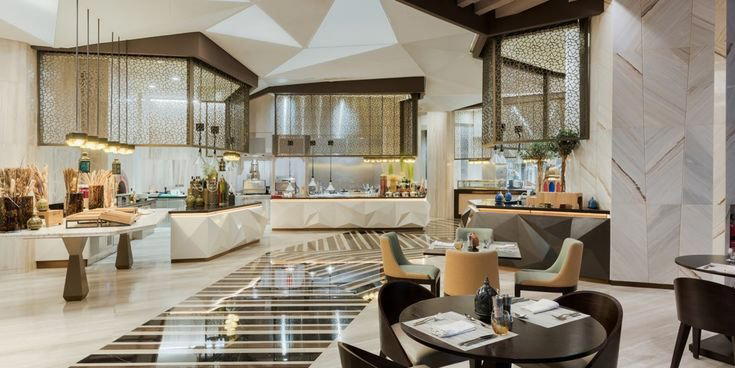
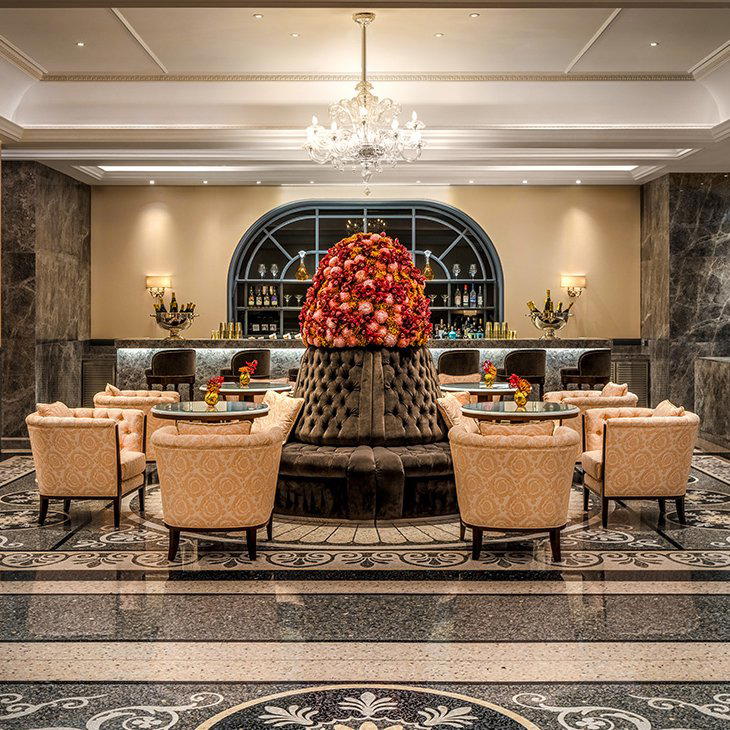
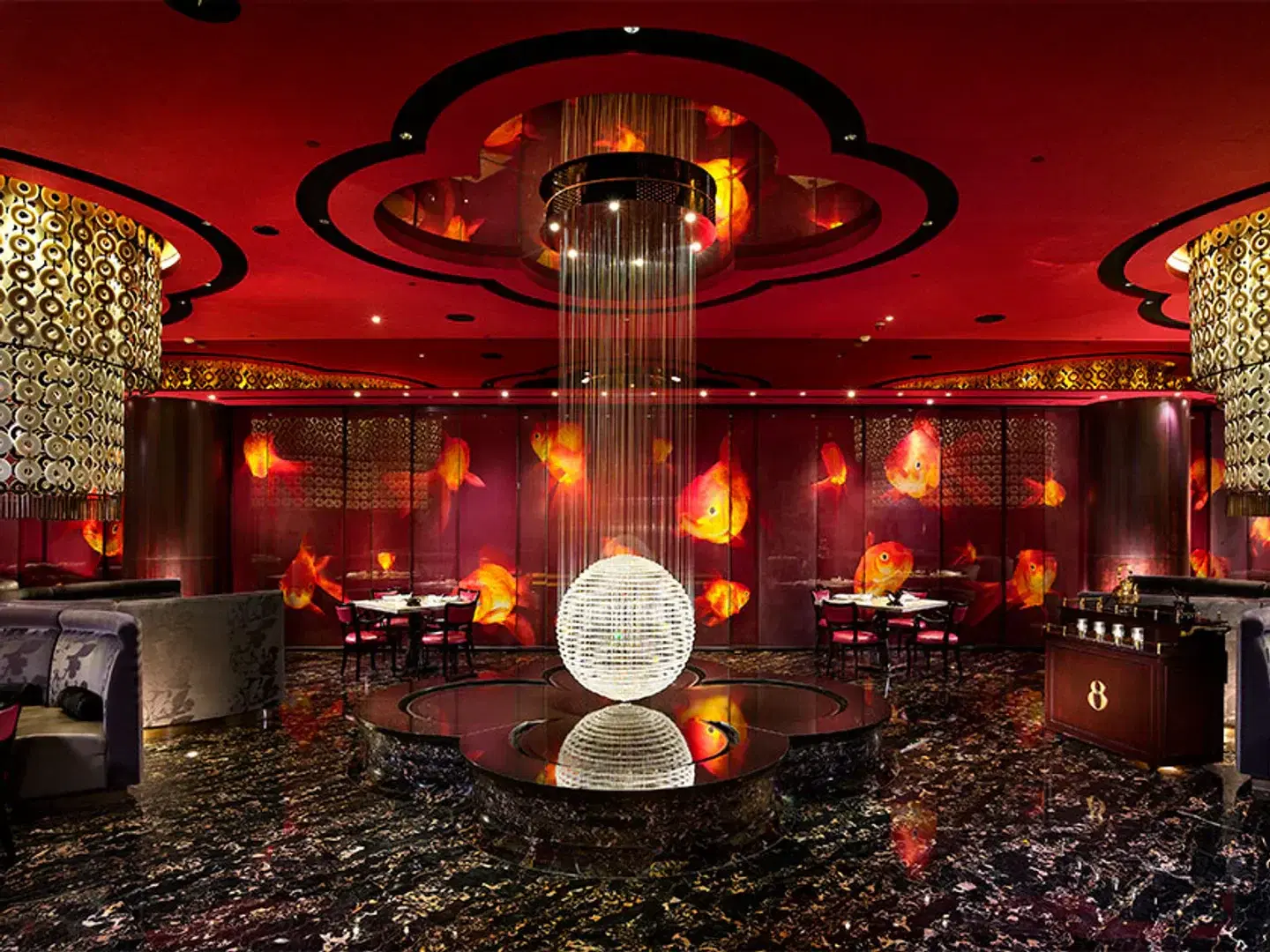
Bars in Macau
All bars in Macau →
Twelve25
The wine
- Wine program
- Deep wine list
- Extensive wine list
- Sommelier-led
- Craft cocktails
Details
- Elegant
- Sophisticated
- Romantic
- Modern
- Date Night
- Special Occasion
- Business Dinner
- Celebration
- Private Dining
- Open Kitchen
- Design Destination
- Extensive Wine List
- Craft Cocktails
- Sommelier Led
- Local Sourcing
- Sustainable Seafood
- Tasting Menu
- A La Carte
- Prix Fixe
- Wine
- Whiskey
- Craft Cocktails
Current opening hours
- Monday
- Closed
- Tuesday
- 6 PM–1 AM
- Wednesday
- 6 PM–1 AM
- Thursday
- 6 PM–1 AM
- Friday
- 6 PM–1 AM
- Saturday
- 6 PM–1 AM
- Sunday
- 6 PM–1 AM
Hours can change for holidays and private events. Hours as of .
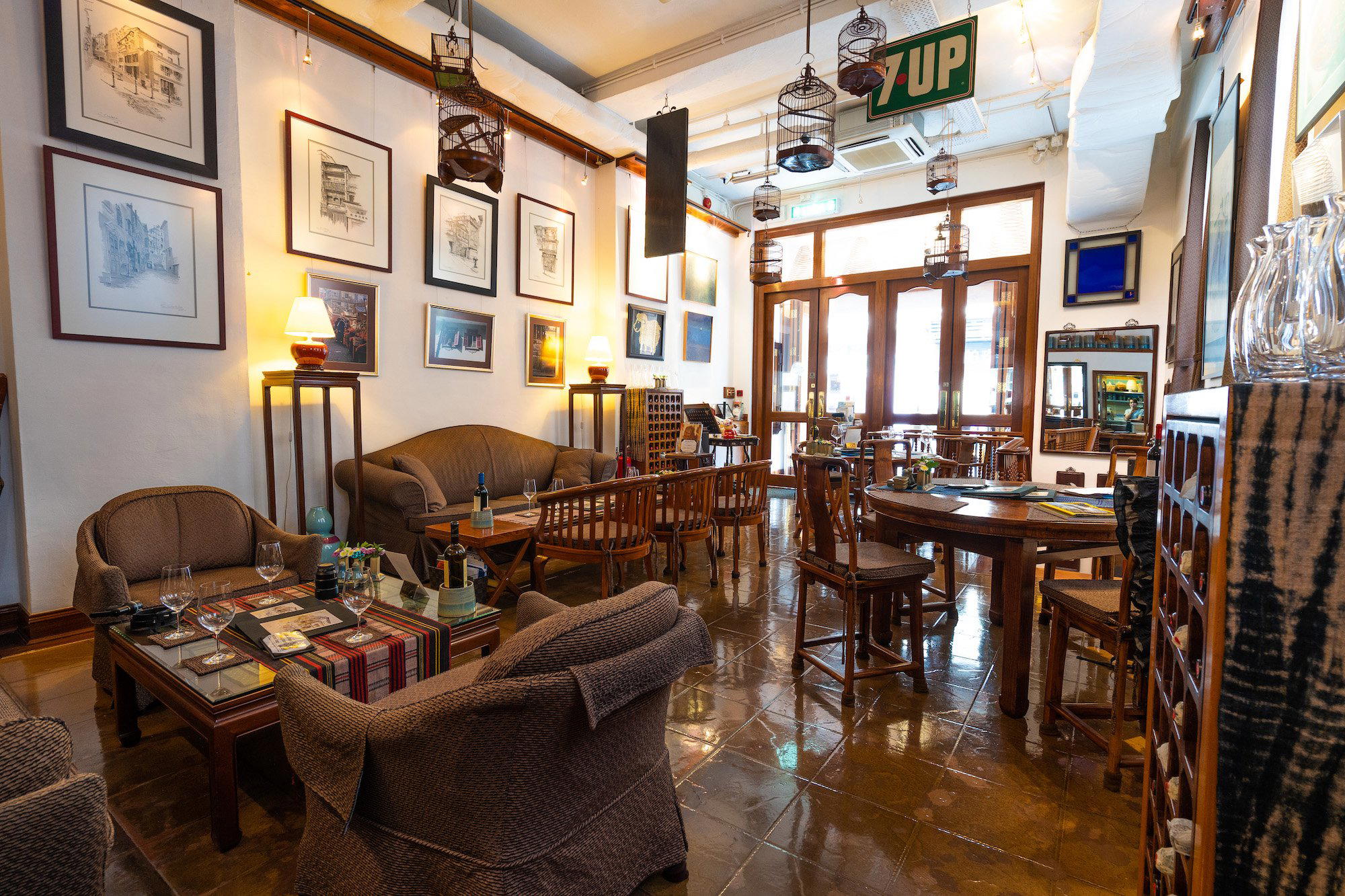
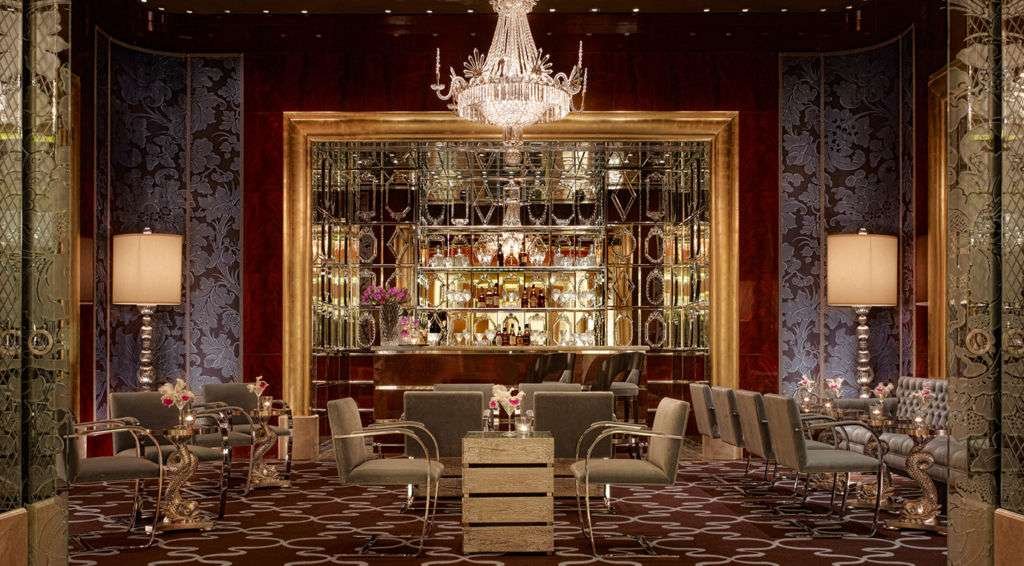
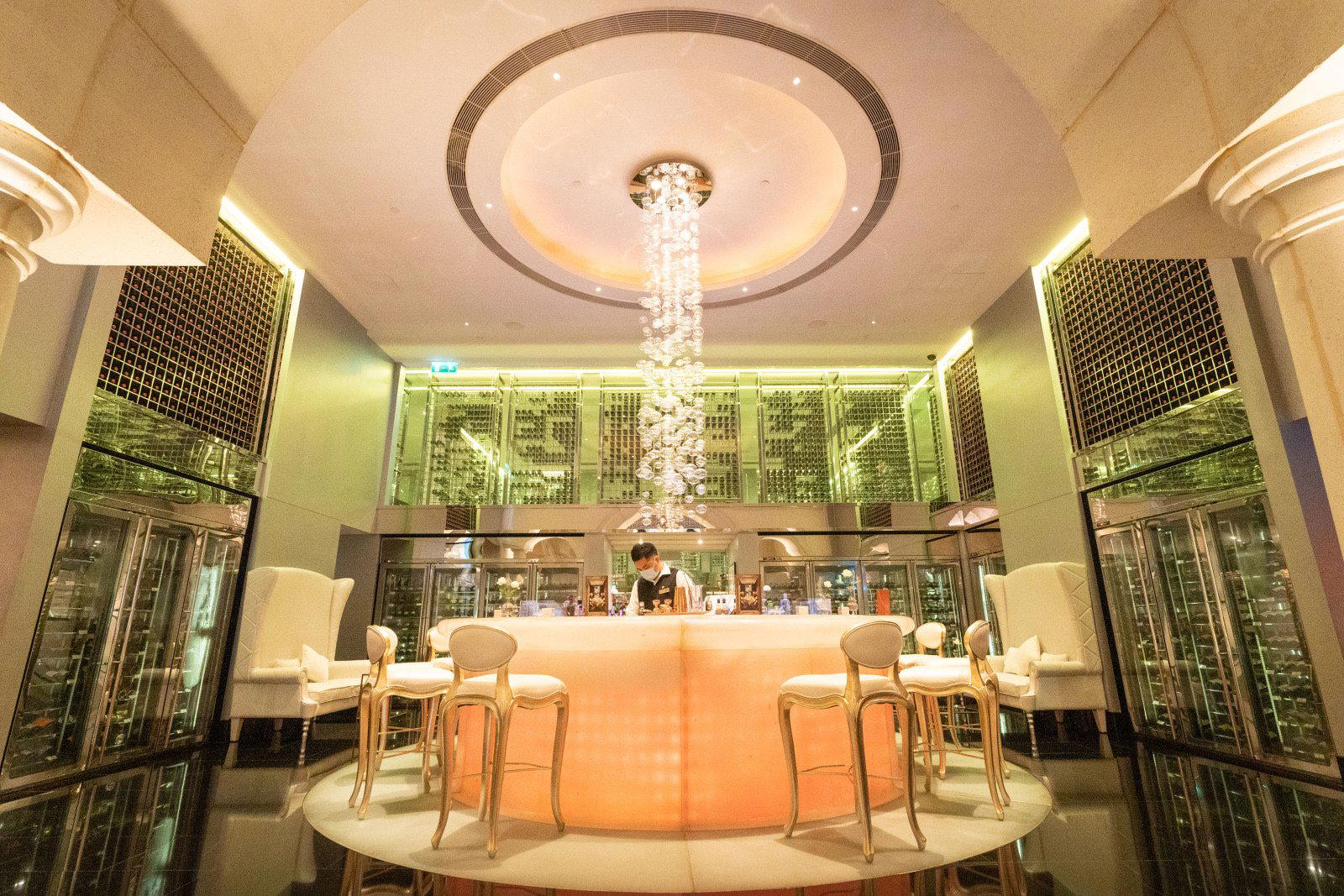
Warm yellow lighting with dark wooden furnishings, spacious layout with wide table distances, stylish bar area with a relaxed yet refined atmosphere.