Tuscany Restaurant & Pizzeria
Our verdict
A Connecticut Italian-American staple on the Meriden-Waterbury Turnpike, Tuscany Restaurant & Pizzeria anchors the kind of neighborhood dining tradition that suburban New England does quietly well: straightforward red-sauce cooking, wood-fired pizza, and portions calibrated for families rather than Instagram. It sits in Plantsville's workaday dining corridor, where value and reliability outrank novelty.

Pearl is the En Primeur Club membership app — saves, bookings, and concierge access live there. Same editors, same standards.
- Address
- 935 Meriden-Waterbury Turnpike, Plantsville, CT 06479
- Phone
- (860) 628-2224
- Hours
- Mon–Tue ClosedWed–Sun 4–8 PM
- Website
- tuscanyplantsville.com
- Directions
- Get directions
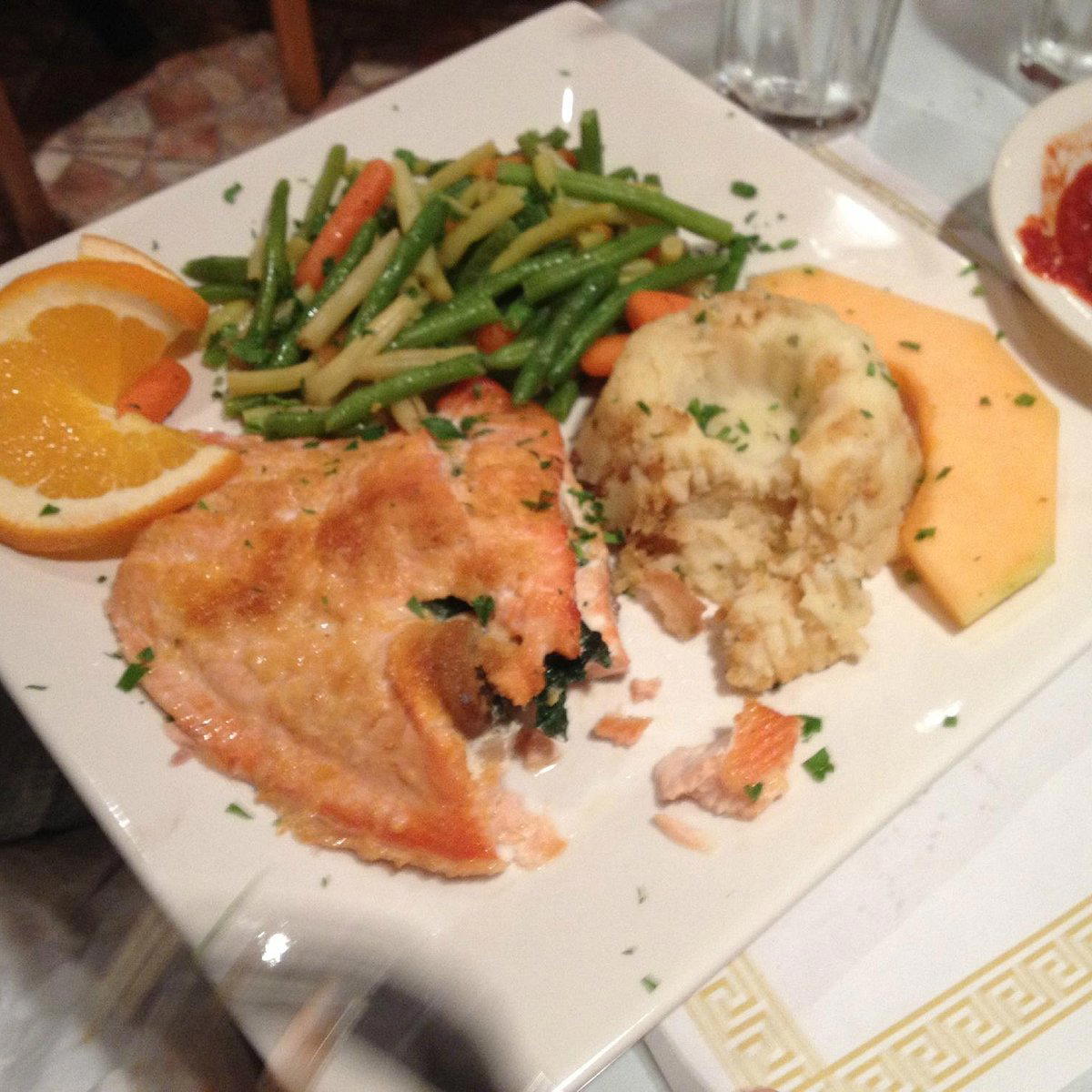
The menu
What to order
- Chicken francaise
- Chicken parmesan
Italian-American Dining on the Meriden-Waterbury Corridor
Route 322 through Plantsville is the kind of Connecticut state road that accumulates institutions rather than trends. Strip-mall storefronts, family-run repair shops, and restaurants that have fed the same zip codes for decades define the corridor between Meriden and Waterbury. Tuscany Restaurant & Pizzeria, at 935 Meriden-Waterbury Turnpike, fits that pattern. It is not competing with the farm-to-table programming at Blue Hill at Stone Barns in Tarrytown or the sourcing manifesto of Single Thread Farm in Healdsburg. It is doing something older and, for its audience, more immediately useful: delivering Italian-American cooking in a state where that tradition runs deep enough to support a strong local critical standard.
Connecticut has an underappreciated Italian-American dining culture, built through successive waves of immigration into New Haven, Waterbury, Hartford, and the towns that ring them. That heritage created a local palate with firm expectations around pizza dough hydration, sauce acidity, and the proportion of cheese to crust. Plantsville sits close enough to Waterbury to inherit that tradition without the density of competition the city itself carries. Tuscany operates in that inherited context, where regulars arrive with a specific set of expectations and return visits depend on how consistently those expectations are met.
What the Ingredient Sourcing Tradition Means Here
Italian-American cooking in suburban New England rarely announces its sourcing the way destination restaurants do. Places like The French Laundry in Napa or Providence in Los Angeles built reputations partly on narrating the distance between producer and plate. The Italian-American trattoria model works from a different logic: ingredient quality shows in the finished dish rather than the origin story. San Marzano tomatoes, imported semolina, and whole-milk mozzarella are standards in the category, not differentiators, and the cook who uses them well earns loyalty without needing to put a farm name on the menu board.
That discipline matters because it shifts the evaluation criteria. In Italian-American dining, consistency is the benchmark. A sauce that tastes exactly as expected on the fourth visit tells you more about kitchen discipline than a single memorable plate on the first. The cuisine relies on repetition and muscle memory, which is why the restaurants that last in these communities tend to be the ones that resist reinvention. The sourcing decisions that matter most are the quiet ones: the flour contract that stays the same year over year, the imported tomato paste that does not get swapped for a cheaper domestic substitute when margins tighten.
For a fuller picture of how sourcing philosophy separates tiers across American dining, the contrast is instructive. Bacchanalia in Atlanta and Frasca Food & Wine in Boulder both operate in the Italian-influenced register but at a price point and with a sourcing transparency that places them in a different category entirely. Tuscany's value sits elsewhere: in the reliability of a known cuisine executed for a community that has eaten it for generations.
The Room and the Experience
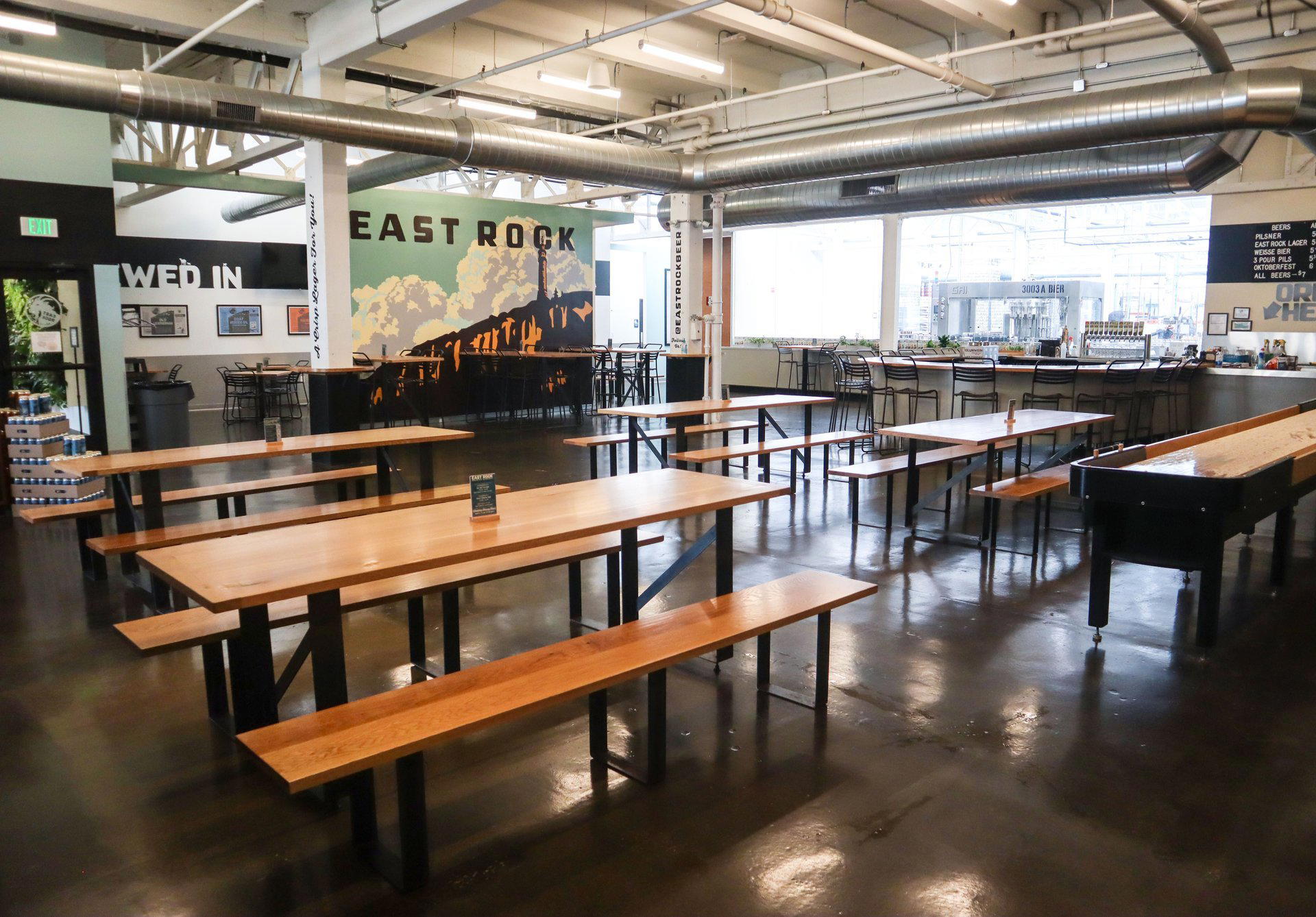
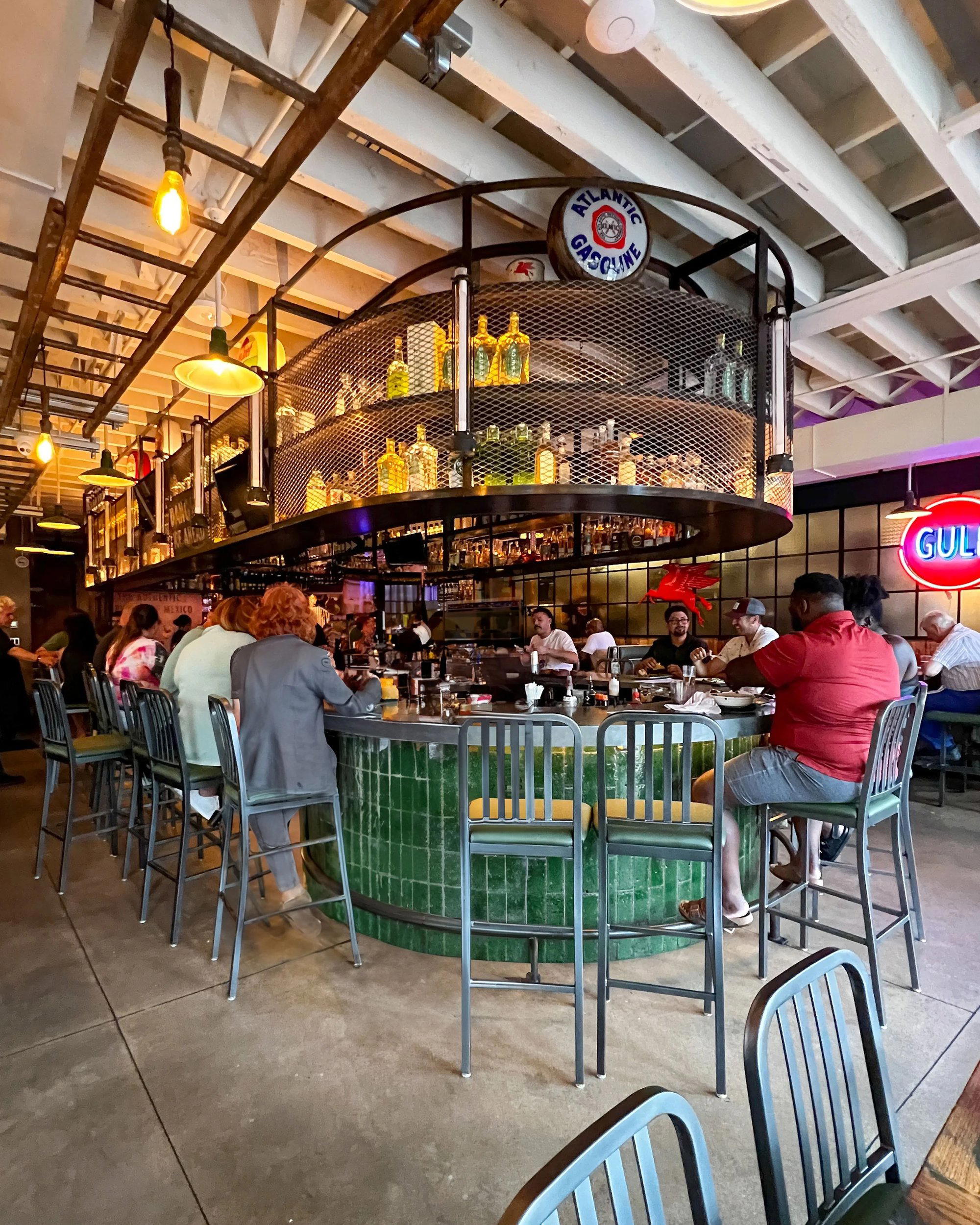
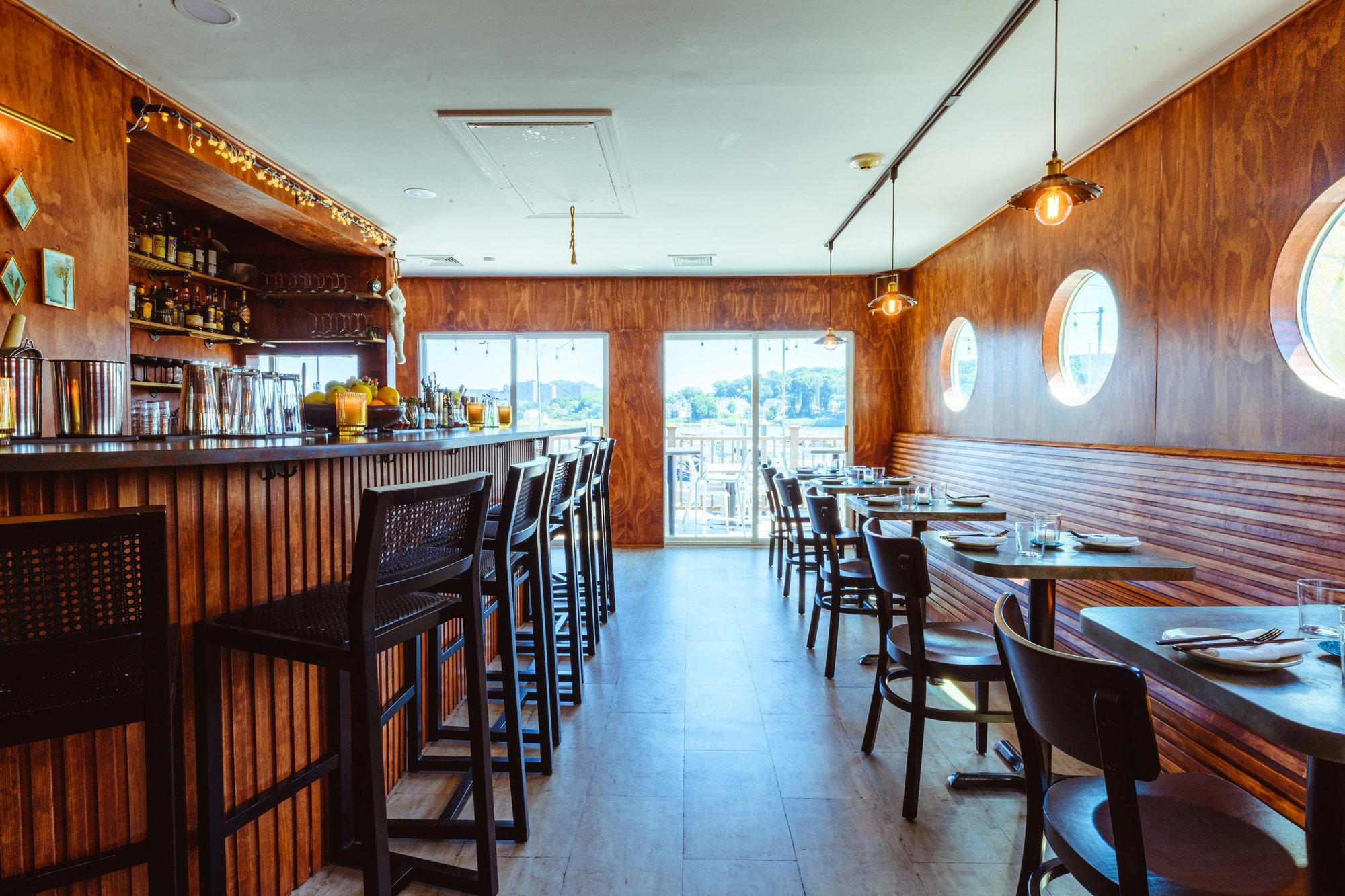
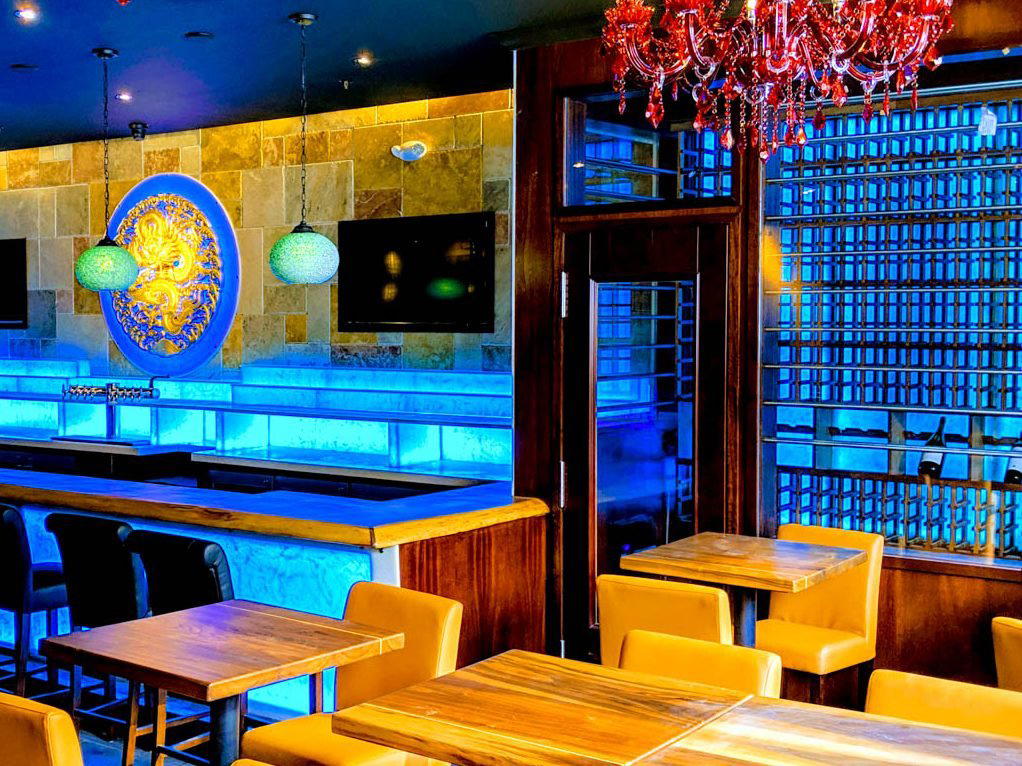
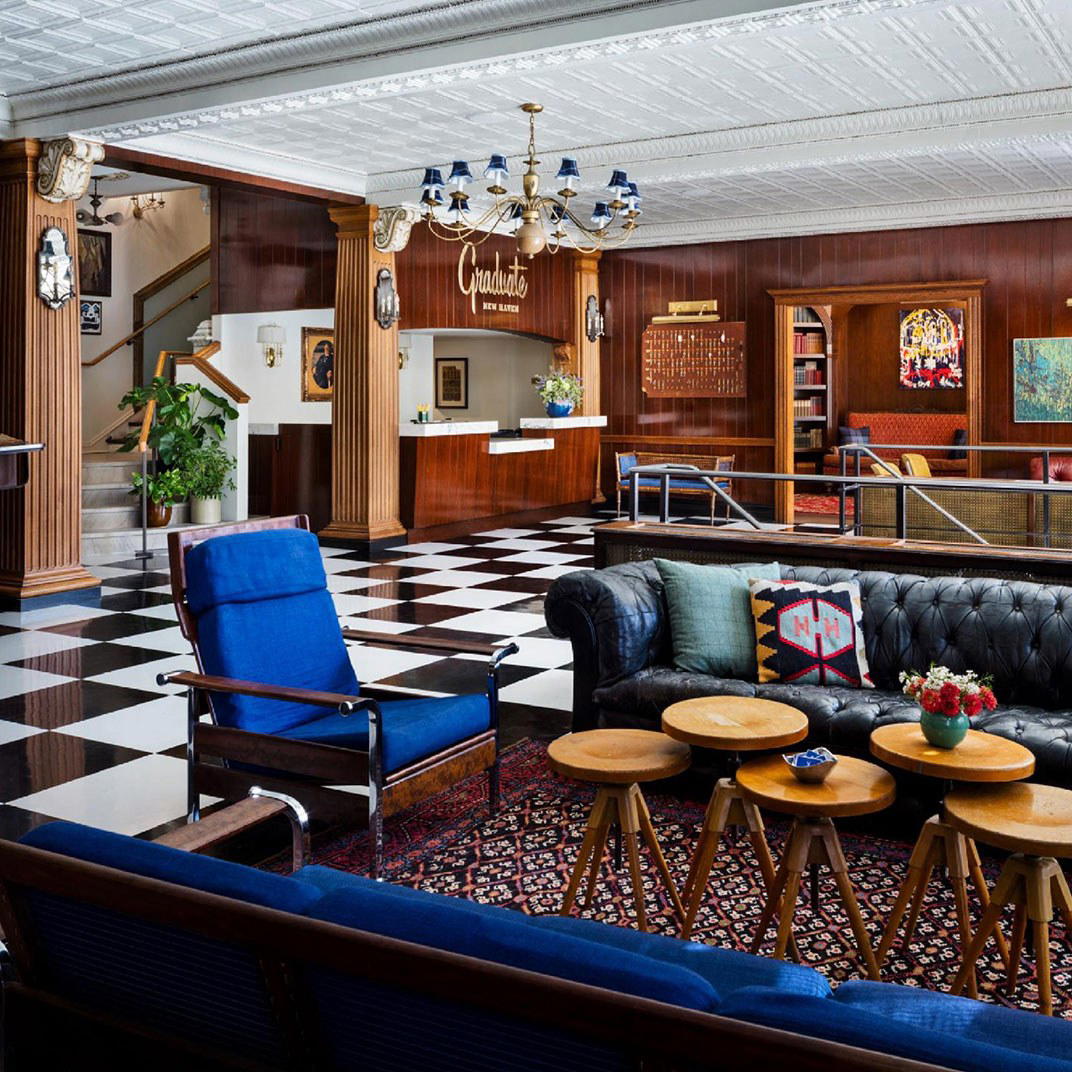
Approaching a restaurant on a commercial turnpike, the physical environment is rarely the draw. What matters is the interior transition: whether the room manages to soften the utilitarian context outside. Italian-American restaurants along Connecticut's secondary roads have historically done this through familiar visual grammar, warm lighting, checkered-cloth tables, and the smell of garlic and tomato that signals the kitchen is running. The atmosphere at Tuscany follows that grammar, which is precisely what its regulars expect. There is no drama in the room, and none is sought. The experience is calibrated around comfort rather than occasion, which is a legitimate editorial position, not a limitation.
That comfort-first format is what makes it appropriate for family groups spanning multiple ages, which is the dining scenario suburban Connecticut restaurants handle most often. Restaurants at the formal end of the American dining spectrum, from Alinea in Chicago to Atomix in New York City, are built around controlled, sequential experiences where pacing is managed by the kitchen. Tuscany operates on the opposite logic: the pacing belongs to the table, and the menu is built to accommodate groups who want different things.
Where It Sits in the Regional Picture
Connecticut's dining geography clusters its recognized fine-dining around New Haven, Hartford, and the Fairfield County commuter towns. Plantsville, in the Southington area of Hartford County, sits in the middle tier of that geography: far enough from the urban core that destination dining is rare, close enough to Waterbury and Meriden that the local population supports a range of Italian-American and American comfort options. Tuscany occupies the neighborhood anchor role in that context, the restaurant people return to rather than seek out for the first time.
That role is structurally different from what a venue like Lazy Bear in San Francisco or Le Bernardin in New York City performs. Those are destination restaurants built on singular formats, critical recognition, and high booking friction. The neighborhood anchor works on frequency and trust, not rarity. For readers visiting Plantsville for reasons unrelated to dining, or for locals revisiting a familiar option, Tuscany represents the category those needs belong to. Our full Plantsville restaurants guide maps the wider options in the area for readers building a broader itinerary.
For those tracking the American Italian-American trattoria model across regions, the comparison set includes places like Emeril's in New Orleans on the higher end of the Italian-influenced American spectrum and Causa in Washington, D.C. for how regional cuisines develop distinct local identities over time. ITAMAE in Miami, Brutø in Denver, Addison in San Diego, The Inn at Little Washington, and 8 1/2 Otto e Mezzo Bombana in Hong Kong each illustrate how different markets have resolved the tension between Italian culinary heritage and local expectation, all at a higher price tier and with greater institutional recognition than Tuscany occupies.
Planning a Visit
Tuscany Restaurant & Pizzeria is at 935 Meriden-Waterbury Turnpike, Plantsville, CT 06479. It is accessible by car from Route 322, with parking typical of turnpike-fronting restaurants in the area. Given the limited publicly available booking data, calling ahead or arriving early on busier weekend evenings is the practical approach, particularly for larger family groups where table configuration matters. The restaurant's format suits drop-in visits more naturally than many dining destinations in the category, making it a workable option for spontaneous midweek meals.
Frequently asked questions
Is Tuscany Restaurant & Pizzeria good for families?
Italian-American pizzerias on Connecticut's Route 322 corridor have long served as neighborhood anchors for family dining, and Tuscany fits that profile. The combination of pizza and pasta in a sit-down format at 935 Meriden-Waterbury Turnpike makes it accessible for mixed groups. Car-accessible parking on a commercial turnpike reduces the logistical friction that urban dining often adds for families.
What is the atmosphere like at Tuscany Restaurant & Pizzeria?
Tuscany sits on a commercial stretch of the Meriden-Waterbury Turnpike in Plantsville, so the exterior reads as a working suburban restaurant rather than a destination space. The draw is the interior shift from that context — the kind of room where regulars return for consistency rather than novelty. Expect a casual, neighborhood-oriented setting rather than a formal dining environment.
Is Tuscany Restaurant & Pizzeria a good option for takeout or delivery in the Plantsville area?
A pizzeria operating on a commercial state route like the Meriden-Waterbury Turnpike in Plantsville, CT is typically structured to support takeout as a core part of its business alongside dine-in service. The dual designation — restaurant and pizzeria — at 935 Meriden-Waterbury Turnpike points to a kitchen set up for both formats. For current delivery options or online ordering, check the venue's official channels to confirm available channels.
What do people recommend at Tuscany Restaurant & Pizzeria?
The menu follows Italian-American conventions that make Tuscany a reliable option along Route 322 in Plantsville, CT. Pizza is foregrounded in the restaurant's name and typically draws the most repeat attention at venues of this format. Specific dish recommendations are best confirmed directly with the restaurant before visiting.
What's the address for Tuscany Restaurant & Pizzeria?
Tuscany Restaurant & Pizzeria is located at 935 Meriden-Waterbury Turnpike, Plantsville, CT 06479, Plantsville.
Do they take walk-ins at Tuscany Restaurant & Pizzeria?
Tuscany Restaurant & Pizzeria operates as a neighborhood Italian-American spot at 935 Meriden-Waterbury Turnpike, Plantsville, CT 06479 — a format that generally accommodates walk-in traffic rather than requiring advance reservations. That said, peak dinner service on weekends can fill tables at popular local spots in the Southington area. Calling ahead is advisable if dining with a larger group.
What's Tuscany Restaurant & Pizzeria best at?
Tuscany's name signals its focus: pizza and Italian-American cooking anchored in the familiar repertoire that suburban New England restaurants of this type have built loyal followings around. Along the Meriden-Waterbury Turnpike in Plantsville, it functions as an accessible, consistent option rather than an experimental one. The dual restaurant-and-pizzeria format suggests the kitchen handles both table-service meals and takeout pizza with equal emphasis.
Comparison Snapshot
Comparable venues nearby, for context on price, style, and recognition.
| Venue | Cuisine | Price | Notes |
|---|---|---|---|
| Tuscany Restaurant & PizzeriaThis venue — the venue you are viewing | Italian Pizzeria | $20–30 | Not listed |
| Cafe Silvium | Traditional Southern Italian Trattoria | $30–50 | Shippan |
| George's Pizza & Restaurant | Italian Pizza with Greek Influences | $10–20 | Unionville |
| Bricco Trattoria | Modern Italian Trattoria | $30–50 | Glastonbury |
| Glenville Pizza | Traditional Italian Pizzeria | $20–30 | Glenville |
| Zuppardi’s Apizza | New Haven-Style Apizza | Not listed | West Haven |


Continue exploring
More in Plantsville
Restaurants in Plantsville
Browse all →

Bars in Plantsville
Browse all →

Details
- Cozy
- Intimate
- Rustic
- Family
- Casual Hangout
- Standalone
- A La Carte
- Vegetarian Friendly
Current opening hours
- Monday
- Closed
- Tuesday
- Closed
- Wednesday
- 4–8 PM
- Thursday
- 4–8 PM
- Friday
- 4–8 PM
- Saturday
- 4–8 PM
- Sunday
- 4–8 PM
Hours can change for holidays and private events. Last verified .
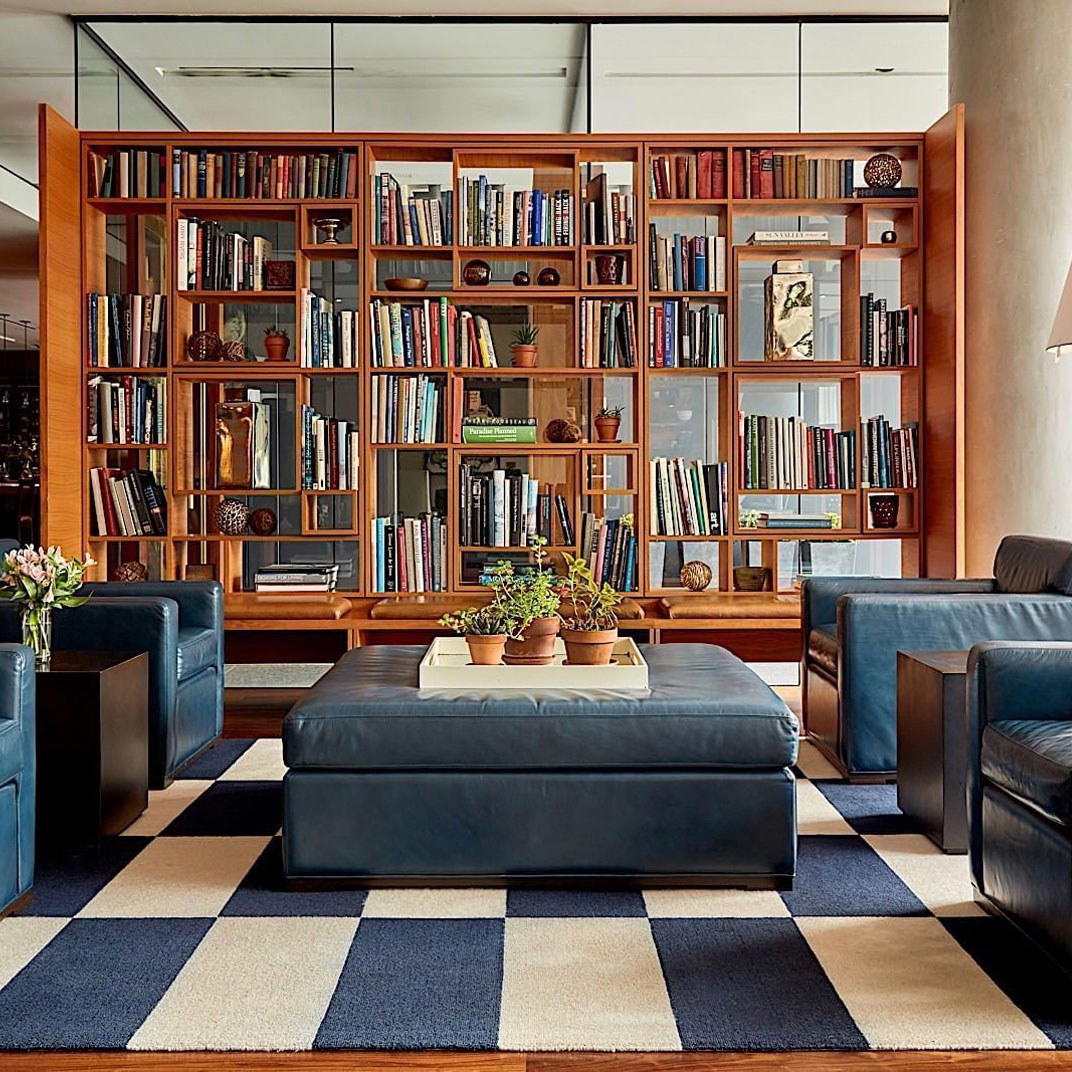
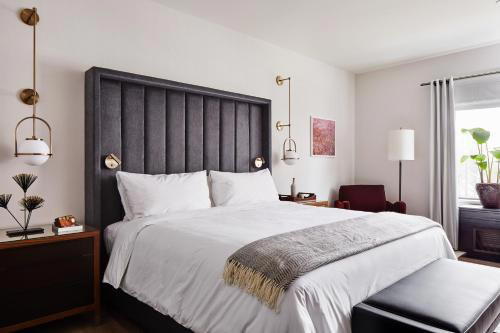
Cozy, small dining room with comfortable booths, warm lighting, and a homey family atmosphere.