Bricco Trattoria
Bricco Trattoria on Hebron Avenue occupies a recognizable position in Glastonbury's dining scene: a neighborhood Italian with the format and address of a local institution. The kitchen works within a trattoria tradition that prizes ingredient provenance and regional specificity over novelty, placing it alongside a small tier of Connecticut restaurants where sourcing decisions are the editorial story rather than the decor.
Pearl is the En Primeur Club membership app — saves, bookings, and concierge access live there. Same editors, same standards.
- Address
- 124 Hebron Ave, Glastonbury, CT 06033
- Phone
- +18606590220
- Website
- billygrant.com
- Directions
- Get directions
 Saves & bookings on Pearl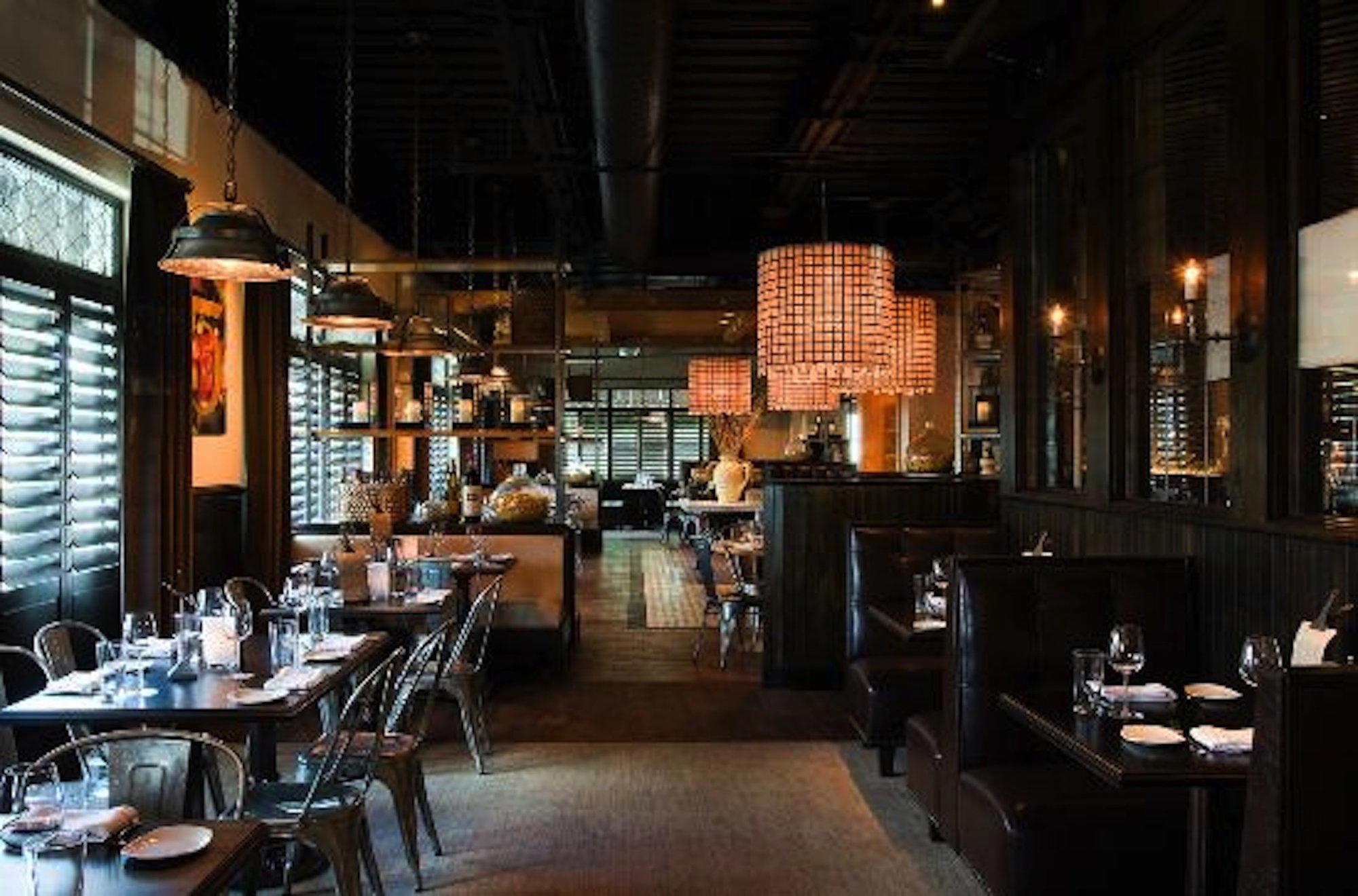
Italian Sourcing Traditions in a Connecticut Town
Connecticut's suburban dining scene has spent the past decade sorting itself into cleaner categories. On one side sit the chain-adjacent casual restaurants that fill strip malls along Route 2; on the other, a smaller cluster of independently operated rooms where sourcing and kitchen craft drive the menu rather than the real estate. Glastonbury's Hebron Avenue corridor sits in that second category, and Bricco Trattoria at 124 Hebron Ave has occupied a visible position along that stretch long enough to function as a reference point for the town's Italian dining conversation.
The trattoria format itself carries a set of implicit promises. In Italy, the word signals a step below ristorante formality but above the purely functional osteria: cloth napkins, a compact wine list weighted toward the peninsula, and a kitchen that sources with some intention rather than defaulting to broadline distributors. American iterations of the format vary widely in how faithfully they honor that premise. The ones that do tend to anchor their menus to ingredients that have a clear provenance story — house-made pasta rolled from local eggs, proteins from regional farms, sauces built from San Marzano tomatoes rather than generic canned alternatives. Where Bricco lands within that spectrum is what defines its standing in the local market.
What Ingredient Sourcing Signals in Italian-American Kitchens
Ingredient provenance has become one of the more reliable signals of kitchen seriousness in American Italian cooking, partly because the cuisine itself makes sourcing so legible. A pasta dish has nowhere to hide: the texture of the dough, the richness of the sauce, and the quality of the protein all read clearly on the plate. That transparency is why the trattoria format rewards investment in raw materials more directly than, say, a heavily spiced or technique-heavy cuisine where sourcing can be obscured.
Across the American Italian dining tier, the restaurants that hold long-term neighborhood loyalty tend to be the ones that made deliberate sourcing choices early and maintained them. This is a different kind of commitment than the farm-to-table rhetoric common in progressive American kitchens at places like Blue Hill at Stone Barns in Tarrytown or Single Thread Farm in Healdsburg. Those kitchens treat sourcing as the conceptual center of the dining experience. In a neighborhood trattoria, sourcing is more quietly structural: it shows up in consistency, in the way a dish tastes the same in February as it does in October, in the absence of shortcuts that erode trust over time.
That consistency is what distinguishes a genuine neighborhood institution from a restaurant that simply operates in a neighborhood. Connecticut has enough examples of both to make the distinction meaningful. The Italian tradition specifically, with its reliance on a short list of high-quality ingredients prepared without excessive intervention, makes the gap between careful and careless sourcing unusually apparent.
Glastonbury sits in Hartford County, drawing a clientele that has ready access to Hartford proper and, by extension, a broader set of restaurant options. That competitive context matters: a restaurant in this location competes not just with Glastonbury neighbors but with anything within a 20-minute drive. The town's dining scene has developed a small tier of independent operators that hold their own in that expanded competitive frame.
Within Glastonbury specifically, Bricco Trattoria occupies a different position than J. Gilbert's Wood-Fired Steaks and Seafood, which operates at a higher price point with a format centered on premium proteins and wood-fire technique. It also differs meaningfully from Queen of Cups, which brings Middle Eastern flavors into a format more aligned with contemporary casual. Bricco's trattoria positioning places it in a lane of its own: the Italian neighborhood restaurant that earns repeat business through kitchen reliability rather than novelty programming. For a broader survey of where these restaurants sit relative to each other, the full Glastonbury restaurants guide maps the town's options by format and price tier.
The comparison set for Italian restaurants at this level nationally includes a wide range: from the formal French-Italian precision of Le Bernardin in New York City at one extreme, to the regional Italian specificity of Frasca Food and Wine in Boulder, which models itself directly on Friuli-Venezia Giulia cooking. A neighborhood trattoria in Connecticut is not competing with either of those, but their existence defines the broader category that gives the trattoria format its cultural weight. Equally instructive as sourcing-led benchmarks are kitchens like Smyth in Chicago and Lazy Bear in San Francisco, where ingredient origins are embedded in how the menu is written and how dishes are described to guests. That level of sourcing transparency has migrated, in diluted form, into neighborhood dining expectations over the past decade.
The Format and What to Expect
A well-run trattoria operates on a rhythm that good-neighborhood-restaurant regulars recognize: a room that feels intentional without being precious, a menu that changes incrementally with the season rather than performing seasonal transformation, and a service style that knows its regulars without ignoring new faces. The physical environment on Hebron Avenue places Bricco in a commercial strip that serves the town's residential base, which means the room likely functions as a genuine local anchor rather than a destination draw from outside the region.
For planning purposes, Glastonbury's restaurant tier at this level generally runs dinner service through the week with abbreviated lunch programming. Italian restaurants in this format typically run higher covers on Thursday through Saturday, and the trattoria's core audience skews toward the kind of mid-week dinner that neighborhood institutions depend on for their financial stability. That steady mid-week traffic, rather than weekend spikes alone, tends to be the signature of a restaurant that has built real local trust.
Where Bricco Sits in the Broader Conversation
The restaurants that generate the most critical attention in American Italian dining tend to cluster at opposite ends of the format spectrum. At the high end, places like The French Laundry in Napa, Addison in San Diego, and The Inn at Little Washington set the ceiling for what American fine dining can achieve, with sourcing narratives that are as much a part of the experience as the food itself. At the opposite end, casualization has pushed many mid-tier Italian restaurants toward commodity ingredients and standardized portions. The neighborhood trattoria that holds a middle ground — honest ingredients, practiced technique, no pretension, is the format that most diners actually rely on, and it is the hardest to sustain at a consistently high level.
Other sourcing-conscious operators across the country provide useful reference points for what kitchen integrity looks like at different price tiers: Emeril's in New Orleans built regional sourcing into its identity from the outset; Providence in Los Angeles has made seafood provenance a central part of its positioning; and The Wolf's Tailor in Denver demonstrates how sourcing commitments translate into menu specificity at a neighborhood scale. Atomix in New York City, ITAMAE in Miami, and Atelier Moessmer Norbert Niederkofler in Brunico each show how deeply sourcing can shape a restaurant's identity when the kitchen commits to it as a structural principle rather than a marketing note.
Bricco Trattoria is not operating at those reference points' altitude, nor is it trying to. What the trattoria format promises, and what Glastonbury's dining audience expects from an established address on Hebron Avenue, is a different kind of reliability: the kind that comes from a kitchen that knows what it is and executes it night after night.
Planning Your Visit
Bricco Trattoria is located at 124 Hebron Ave, Glastonbury, CT 06033, accessible from Hartford and the broader Hartford County area. For the most current hours, reservation options, and menu information, checking directly with the restaurant before visiting is the most reliable approach, as operational details for independent restaurants in this tier change seasonally.
Continue exploring
More in Glastonbury
Restaurants in Glastonbury
Browse all →

Bars in Glastonbury
Browse all →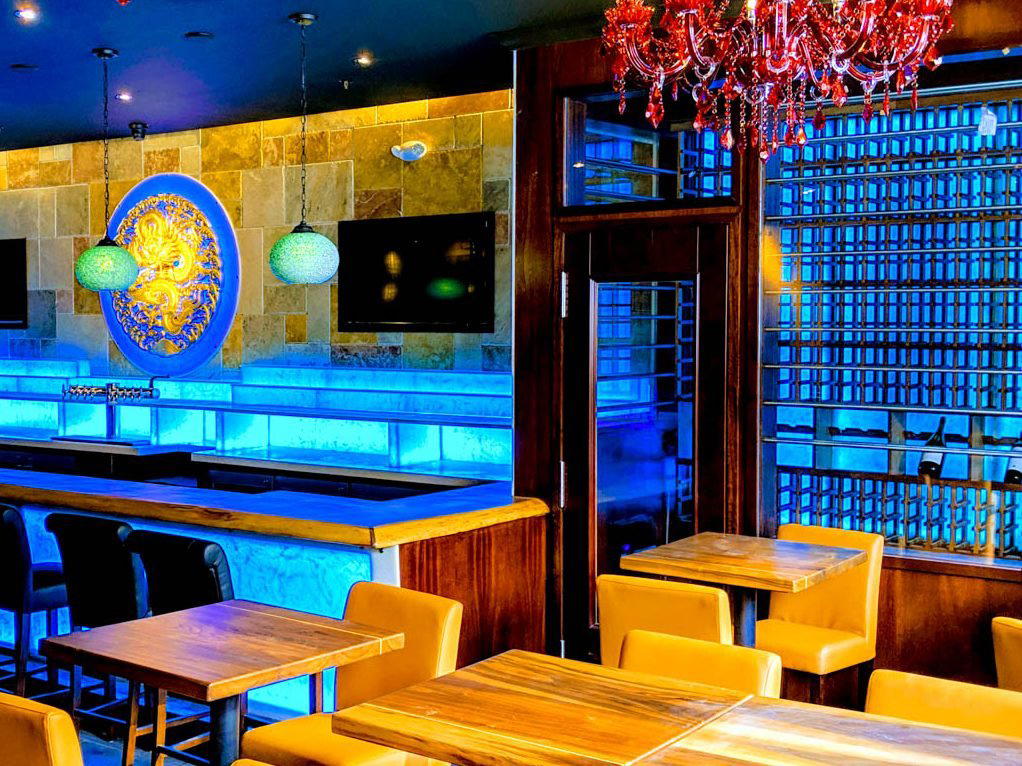
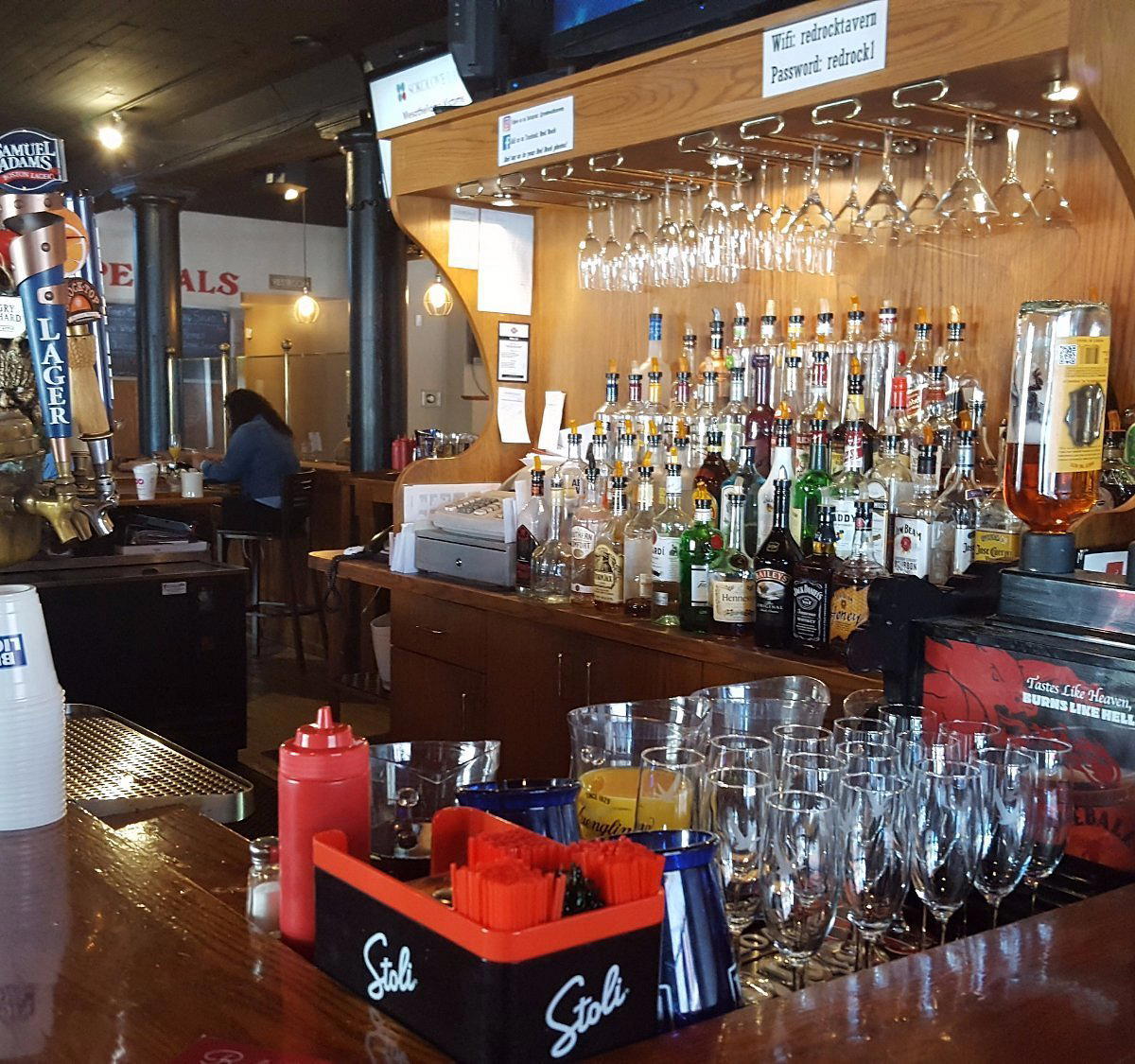
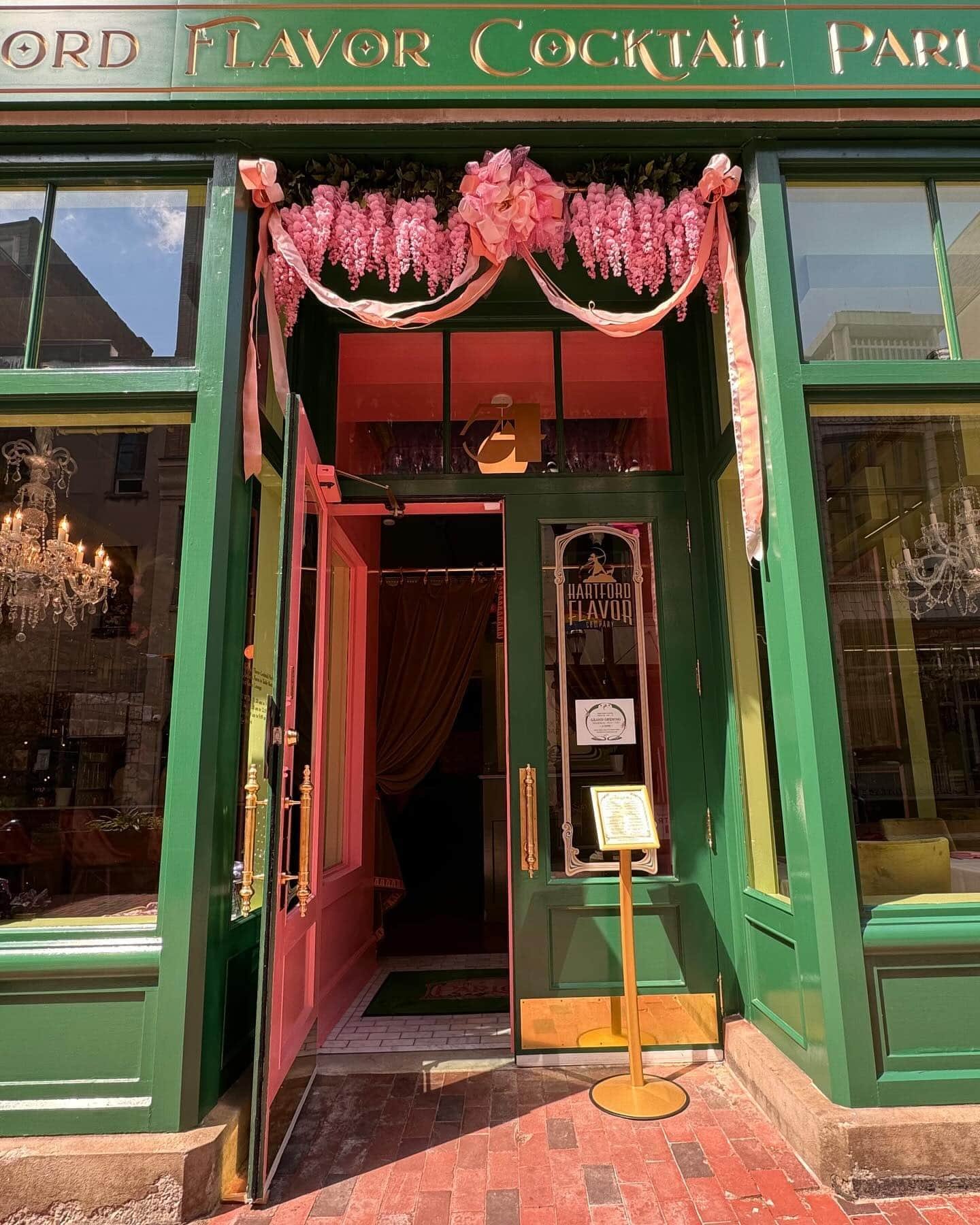
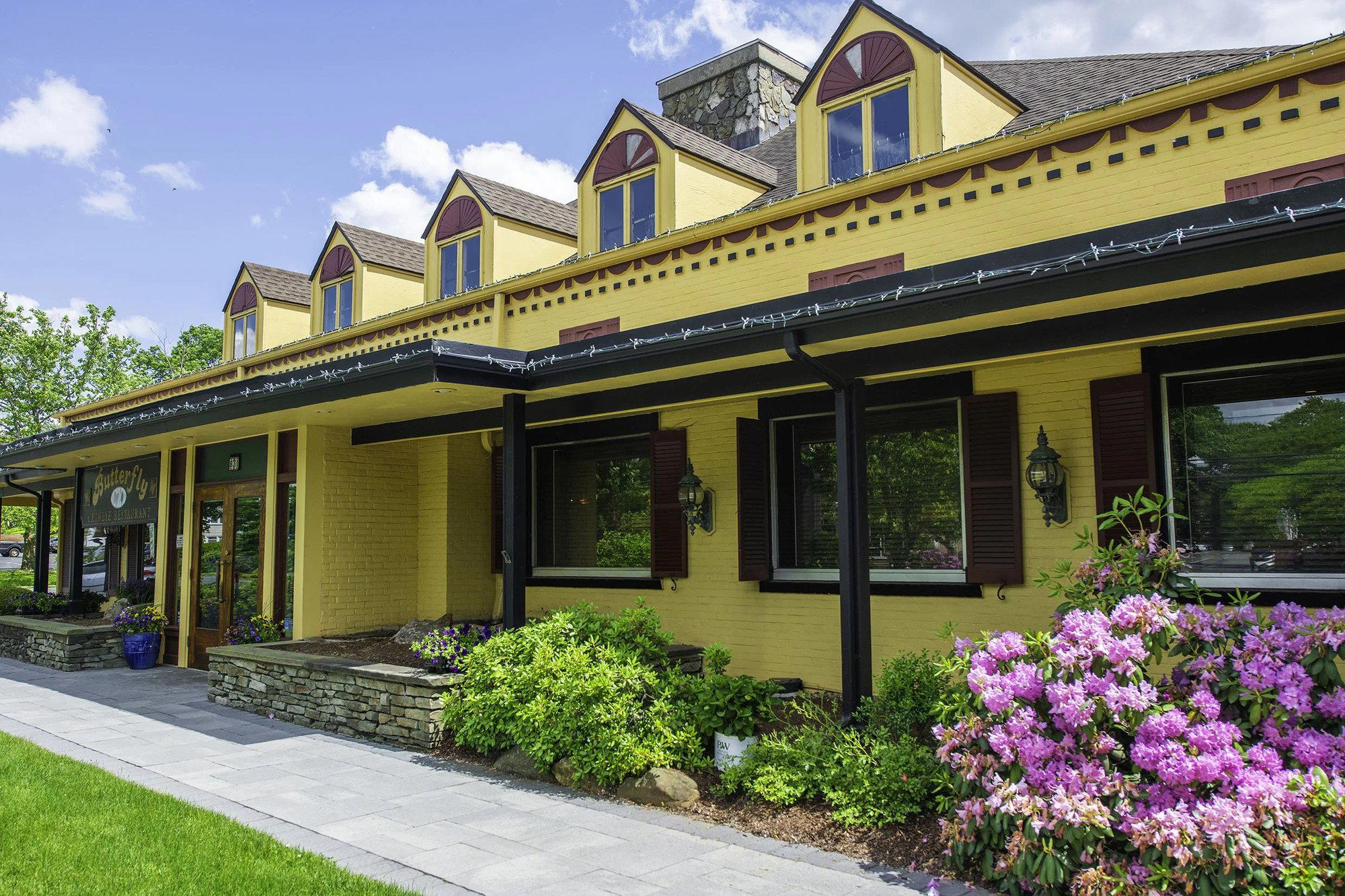


At a Glance
- Cozy
- Elegant
- Classic
- Date Night
- Family
- Celebration
- Open Kitchen
- Extensive Wine List
- Farm To Table
Current opening hours
- Monday
- 11:30 AM–9 PM
- Tuesday
- 11:30 AM–9 PM
- Wednesday
- 11:30 AM–9 PM
- Thursday
- 11:30 AM–10 PM
- Friday
- 11:30 AM–10 PM
- Saturday
- 11:30 AM–10 PM
- Sunday
- 12–9 PM
Hours can change for holidays and private events. Last verified .
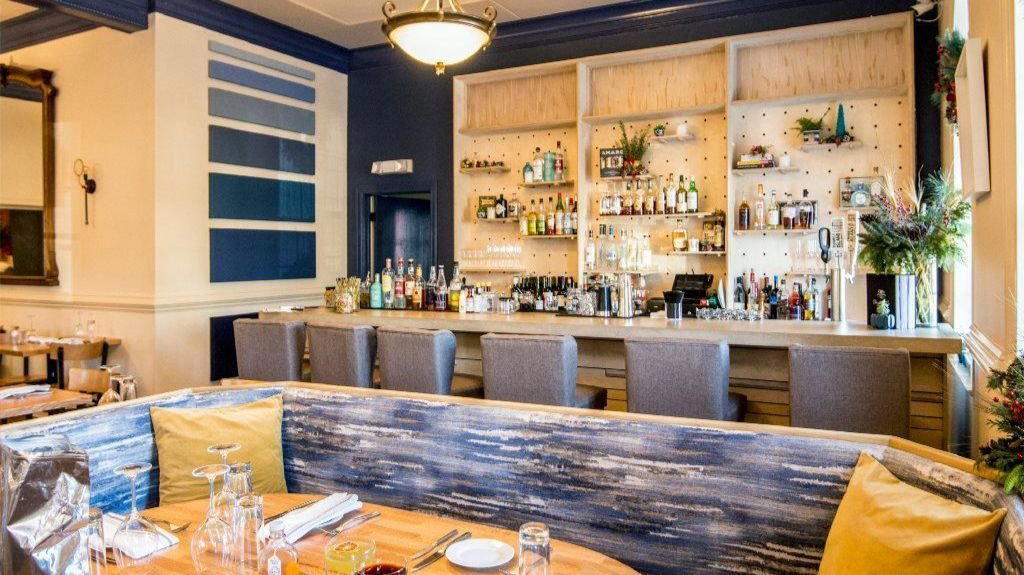
Cozy Italian farmhouse comfort with industrial elements like exposed ceilings, warm and elegant lighting creating an understated sophisticated vibe.
Know Before You Go
- Getting there
- 124 Hebron Ave, Glastonbury, CT 06033