Camacho Garage
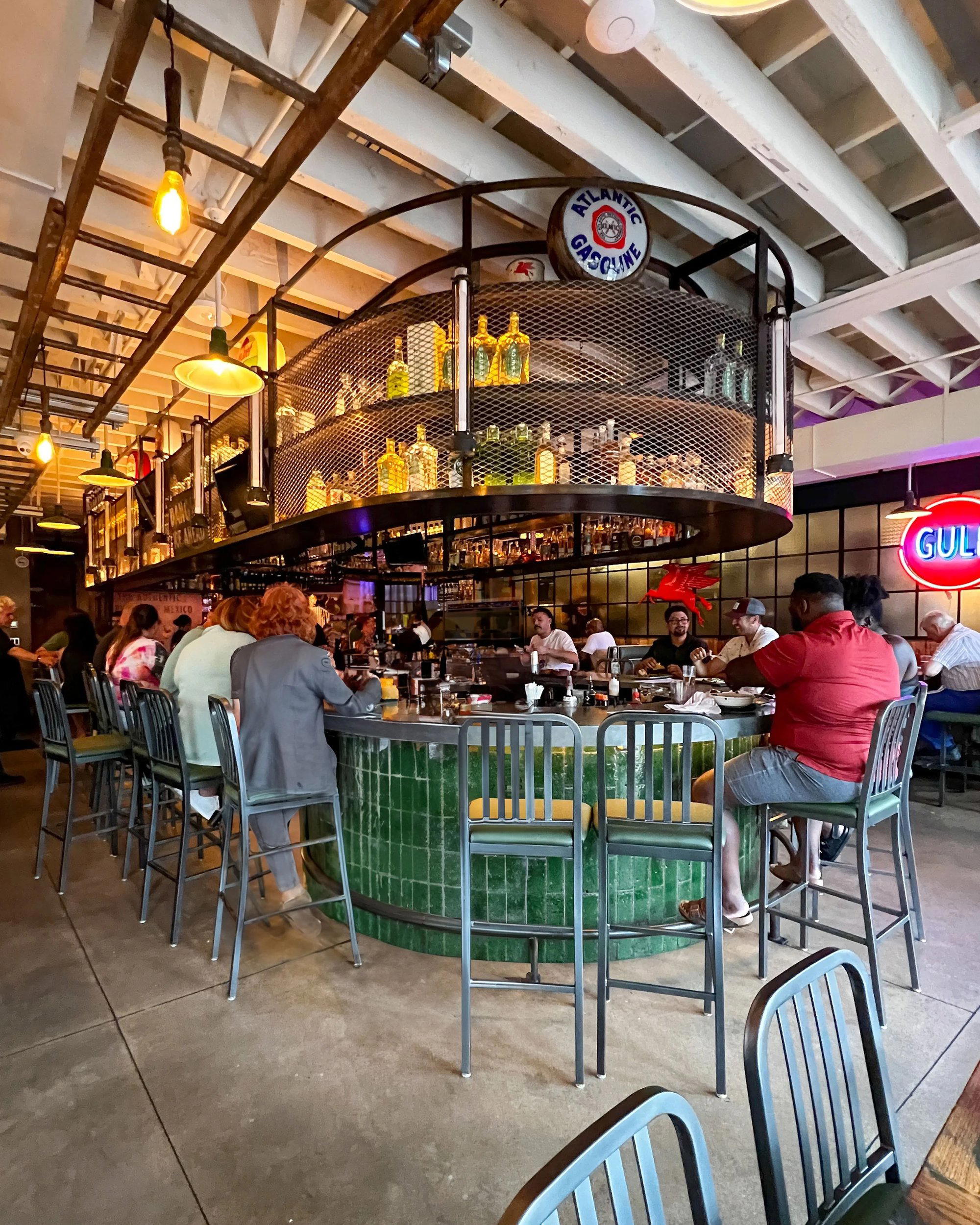
Camacho Garage occupies a Fountain Street address in New Haven that sits at the intersection of working-class neighbourhood character and a bar programme built around serious food pairing. The format places drinks and kitchen output on equal footing, making it a reference point for how Connecticut's mid-sized city handles the bar-and-food conversation that larger markets have been having for years.

Pearl is the En Primeur Club membership app, where members save venues, book tables and use the concierge.
Fountain Street and What It Signals
New Haven's bar scene has spent the last decade sorting itself into recognisable tiers. At the high-volume end, places like BAR operate on brewery-scale throughput and pizza-forward menus that feed large crowds efficiently. At the quieter, more considered end, venues like 116 Crown have pushed toward cocktail precision and a more deliberate pace. Camacho Garage at 36 Fountain Street sits in a distinct position within that spread: a bar address where the food programme is not an afterthought assembled to satisfy licensing requirements, but a working half of the equation alongside the drinks.
Fountain Street itself frames the experience before you step inside. The address places Camacho Garage away from the tourist-facing blocks of downtown New Haven and closer to the city's more lived-in residential and commercial edges, where bars tend to serve a local constituency rather than a transient one. That geographical context matters when reading what the venue is doing. Bars that draw primarily from the neighbourhood rather than the convention crowd tend to develop food programmes with more specificity and less crowd-pleasing compromise.
The Bar-Food Pairing Conversation in a Mid-Sized City
Across American bar culture, the serious bar-kitchen relationship has largely been a story of major markets. Kumiko in Chicago built its reputation on treating the food menu as a structural equal to one of the country's most technically ambitious cocktail programmes. ABV in San Francisco positioned its kitchen output as the reason serious drinkers stayed through more than one round. Jewel of the South in New Orleans and Julep in Houston have both demonstrated that bar food built around regional culinary identity can anchor a drinks programme more effectively than a generic snack list. The argument in all these cases is the same: when the kitchen and bar operate with shared intent, the experience of either improves.
New Haven is not Chicago or New Orleans, but it has the culinary infrastructure to support that kind of ambition. The city's Italian-American food culture, its proximity to serious agricultural production in the Connecticut River Valley, and its university population that circulates through serious food cities and returns with calibrated expectations all create the conditions for a bar-food programme with genuine substance. Camacho Garage exists inside that context, at an address that signals neighbourhood investment rather than trend-chasing.
For comparison, Da Legna at Nolo and Adriana's represent parts of New Haven's food-and-drink scene that lean heavily on the city's Italian-American culinary roots. Camacho Garage occupies a different register, one less tied to that specific heritage and more oriented toward a bar-first format where food exists to extend and complement the drinking experience rather than to define the establishment as a restaurant that also pours drinks.
What the Format Implies
The editorial angle worth pressing on at a place like Camacho Garage is what a bar-food pairing format actually requires to work. At operations that do it well internationally, the common thread is intentional design rather than addition by accretion. Bar Leather Apron in Honolulu built its food programme around small plates with enough acidity and fat structure to play off a cocktail list that skews aromatic and spirit-forward. Superbueno in New York City oriented its kitchen around flavour profiles that amplify rather than compete with the drink in hand. The Parlour in Frankfurt on the Main has shown that even in a market not traditionally associated with cocktail culture, a disciplined bar-food relationship can establish a venue's identity clearly.
The question Camacho Garage poses to the New Haven scene is whether a Fountain Street address can sustain that level of intentionality. The name itself, garage-inflected and deliberately unpretentious, suggests a format that prioritises access over ceremony. Bars that work hard to remove the pressure of a formal dining experience often create the conditions where the food-drink relationship becomes more natural: people order another round, the kitchen sends out another plate, and the interaction between the two develops over the course of an evening rather than being engineered into a fixed tasting sequence.
Placing Camacho Garage in the New Haven Bar Conversation
New Haven supports a bar scene more varied than its size would suggest, partly because of Yale's presence and the economic density it generates in a relatively compact city, and partly because of a long-standing independent food culture that has always operated somewhat outside the mainstream of American dining trends. The city produced its own pizza identity decades before artisan pizza became a national category. That same willingness to develop food formats with internal logic, rather than importing them wholesale, shows up in how New Haven's better bars handle their kitchens.
At Camacho Garage, the Fountain Street location positions the bar in a part of the city that has historically drawn a mixed constituency of students, long-term residents, and the working population of a city that still has significant blue-collar economic weight. Bars that operate in those neighbourhood conditions tend to price more carefully and programme more practically than those on the tourist circuit, which typically produces a food menu built around accessible formats rather than showpiece complexity.
For anyone mapping New Haven's bar scene seriously, the full picture requires moving between several distinct tiers and styles. Our full New Haven restaurants guide covers the broader food and drink landscape, including the neighbourhood-level distinctions that matter when deciding where to spend an evening.
Planning a Visit
Camacho Garage is located at 36 Fountain Street in New Haven, Connecticut. The address falls within walking distance of the Whalley Avenue corridor and the residential blocks south of downtown, which places it in a part of the city where parking is generally more available than in the Yale-adjacent centre. Fountain Street is accessible from the downtown core on foot in under fifteen minutes, or a short ride by rideshare from the train station on Union Avenue.
Comparable Venues
Comparable venues nearby, for context on price, style, and recognition.
| Venue | Cuisine | Price | Notes |
|---|---|---|---|
| Camacho GarageThis venue (the venue you are viewing) | cocktail_bar | $20–30 | Not listed |
| Firehouse 12 | cocktail_bar | $20–30 | Ninth Square |
| The Owl Shop | lounge | $20–30 | Downtown |
| 116 Crown | cocktail_bar | Not listed | Downtown |
| Adriana's | wine_bar | Not listed | Mill River |
| Da Legna at Nolo | Bar | $20–30 | Downtown |
Continue exploring
More in New Haven
Bars in New Haven
All bars in New Haven →
Restaurants in New Haven
All restaurants in New Haven →



Camacho Garage
The drinks
- Craft cocktails
- Mezcal
- Tequila
Signature drinks: Camachorita, Infamous Espresso Martini.
Details
- Lively
- Trendy
- Industrial
- Cozy
- Date Night
- Group Outing
- Casual Hangout
- Late Night
- Seated Bar
- Lounge Seating
- Outdoor Terrace
- Craft Cocktails
- Tequila
- Mezcal
Current opening hours
- Monday
- 12 PM–12 AM
- Tuesday
- 12 PM–12 AM
- Wednesday
- 12 PM–12 AM
- Thursday
- 12 PM–12 AM
- Friday
- 12 PM–12 AM
- Saturday
- 12 PM–12 AM
- Sunday
- 12 PM–12 AM
Hours can change for holidays and private events. Hours as of .
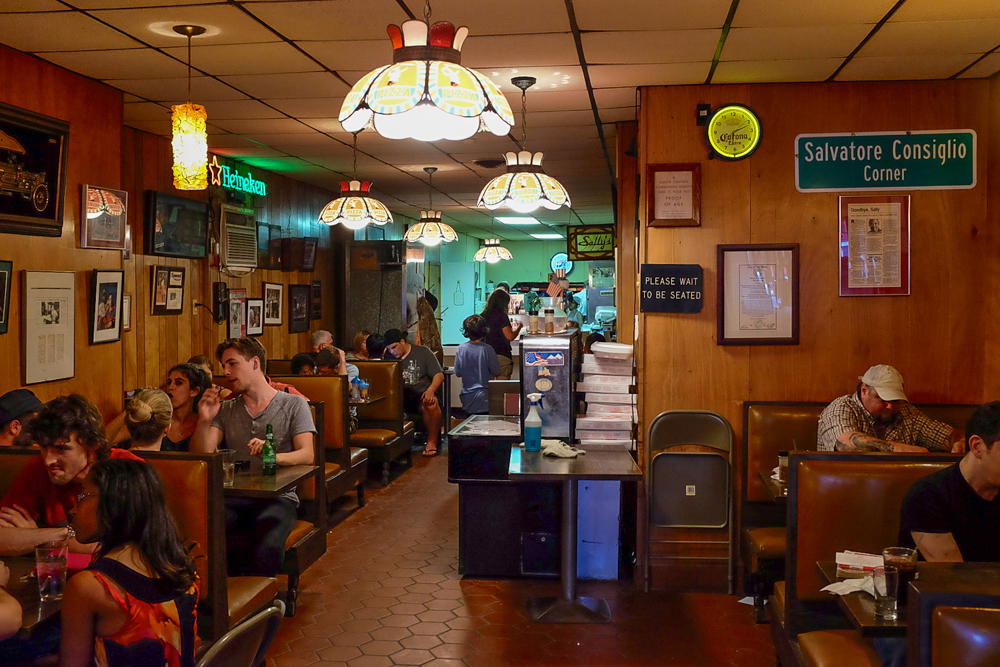
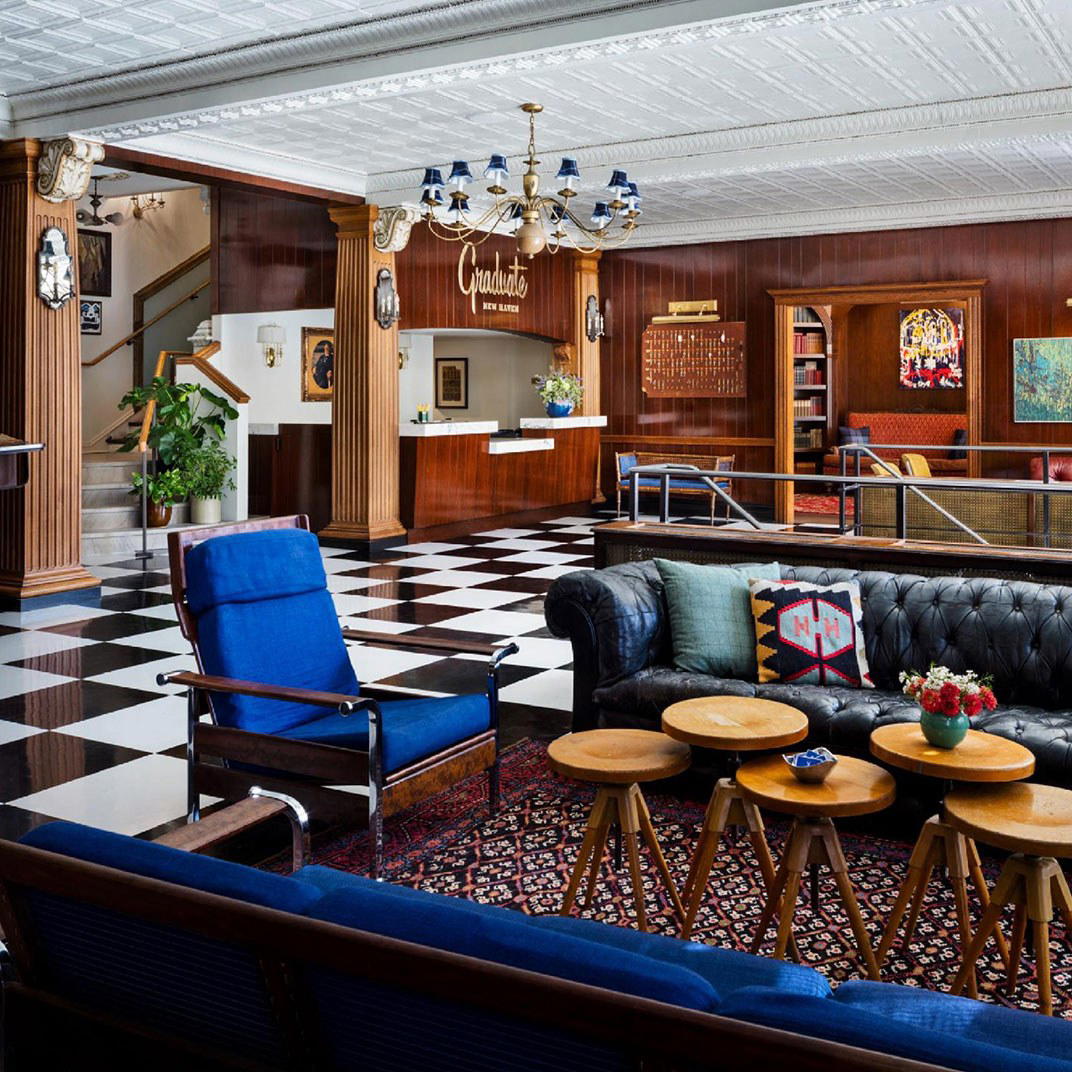
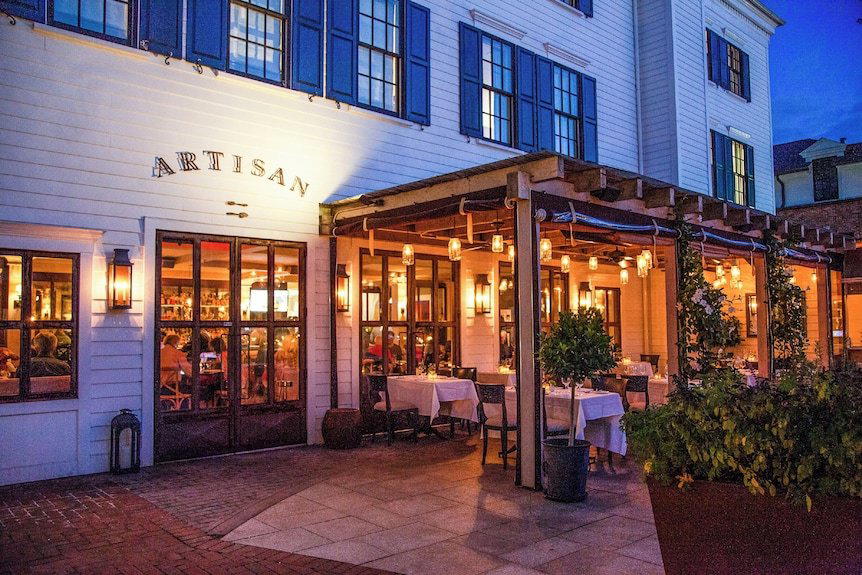
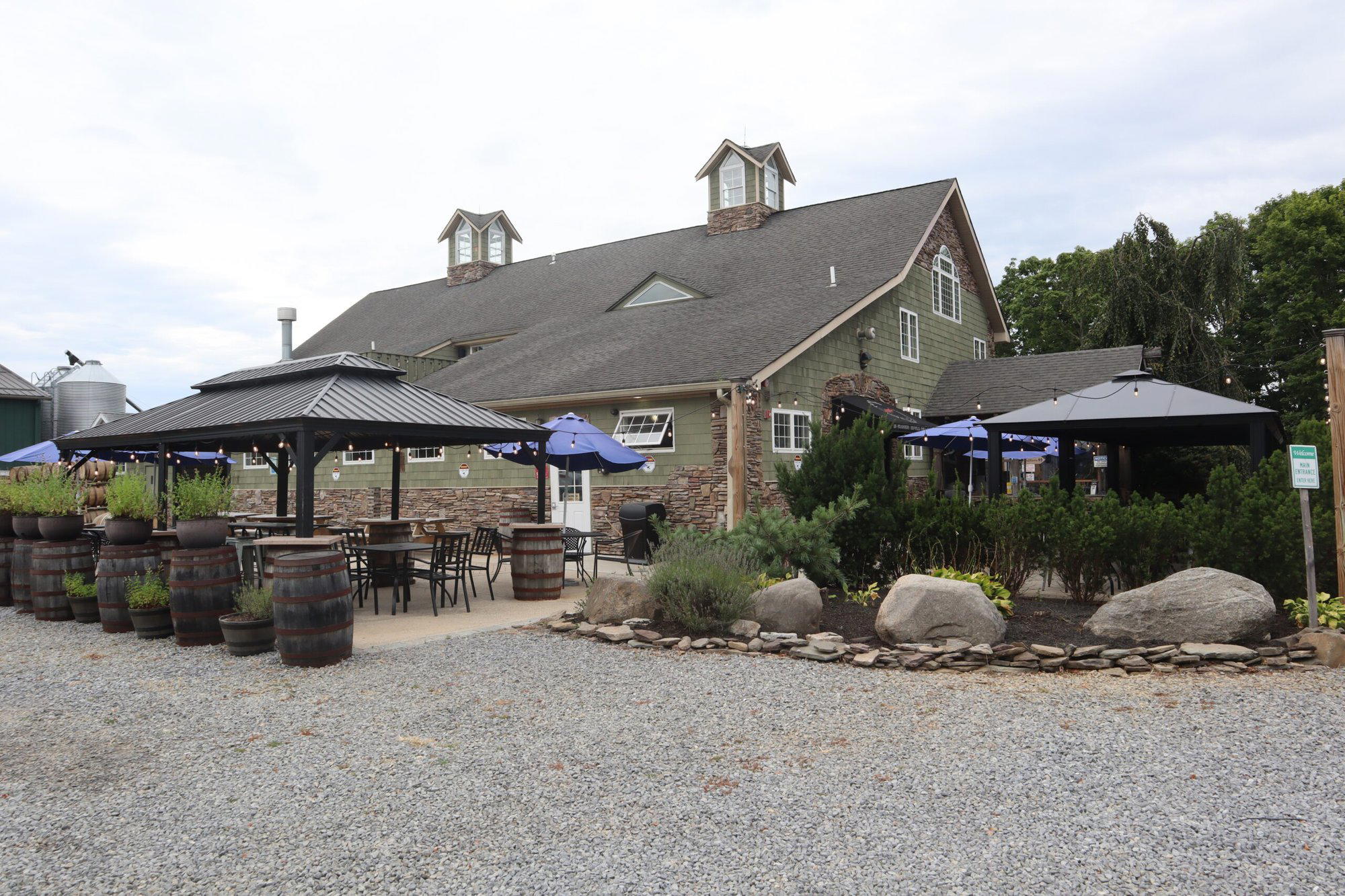
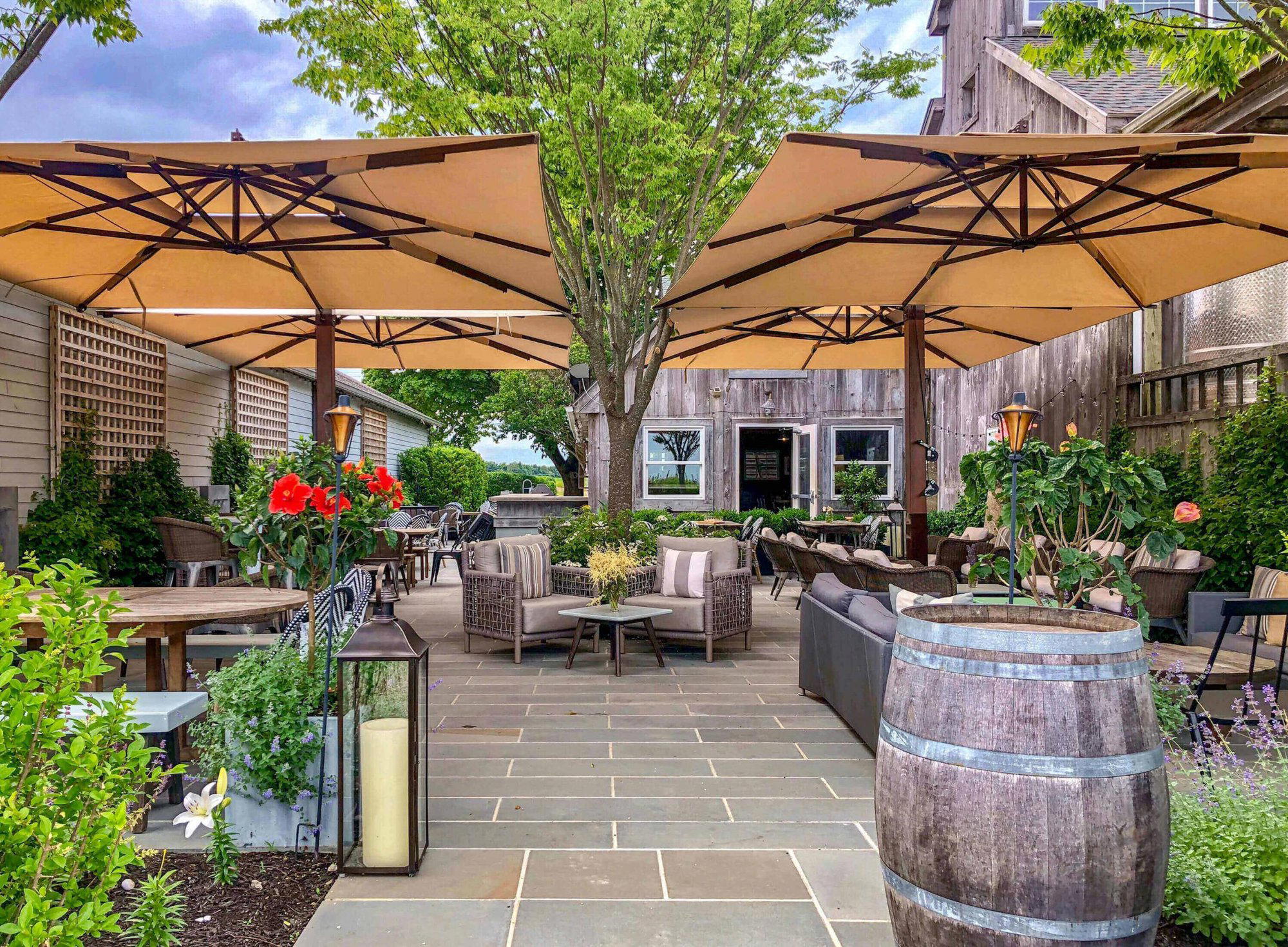
Sophisticated and fun with a vintage garage feel, abundant light, and seamless indoor-outdoor experience.