Fair Haven Oyster Company
Fair Haven Oyster Company occupies a Front Street address in New Haven's Fair Haven neighborhood, where the city's industrial waterfront meets a growing food scene. The format centers on oysters and the drinks that work alongside them, positioning it in a tight niche between casual raw bar and considered beverage program. For New Haven visitors tracking where the city's dining energy has moved, this is a useful reference point.

Pearl is the En Primeur Club membership app, where members save venues, book tables and use the concierge.
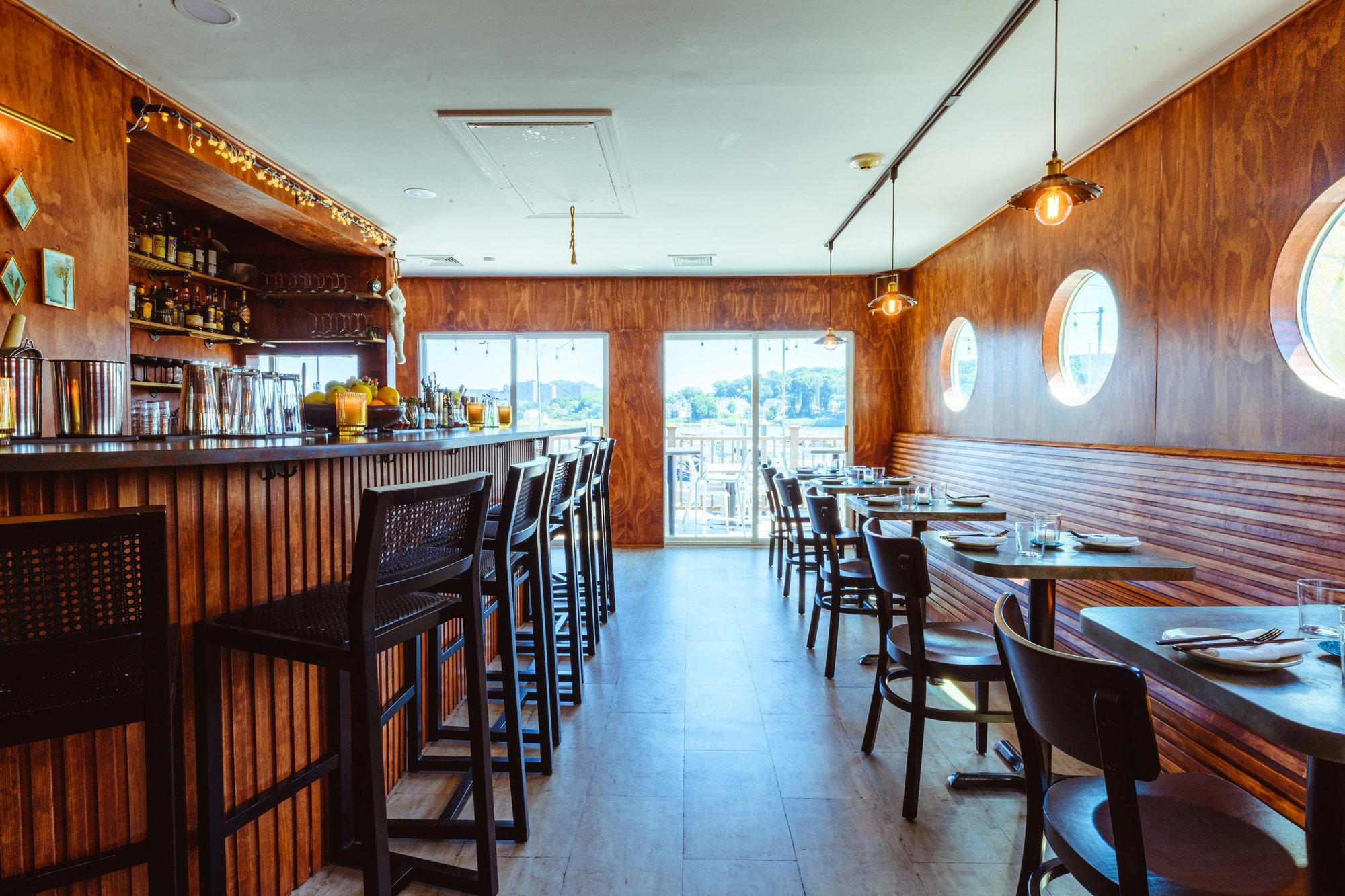
Where the Tidal Estuary Meets the Table
Fair Haven sits on the eastern bank of the Quinnipiac River, a neighborhood that has been synonymous with shellfish since the nineteenth century, when oyster harvesting defined the local economy and shaped the character of the streets running down to the water. The address at 307 Front Street places Fair Haven Oyster Company squarely inside that tradition, on a block where the industrial past of the waterfront has given way to a more deliberate relationship with what the estuary produces. Approaching from downtown New Haven, the neighborhood itself signals a shift in register: smaller, quieter, more focused on what the water provides than on the city center's foot traffic.
The Ritual of the Raw Bar
Oyster service has its own grammar, and venues that understand it treat the raw bar as a ceremony rather than a transaction. The sequence matters: cold bivalves arrive before anything warm, the mignonette is poured sparingly, and the pace is set by the rhythm of the shucker rather than the impatience of the diner. In New England, where the oyster tradition runs from Cape Cod through Long Island Sound and into the Connecticut shoreline, that ritual carries particular weight. The Quinnipiac River estuary has historically produced oysters with a distinct brine profile driven by the brackish mix of fresh river water and tidal salt, a characteristic that distinguishes Connecticut shellfish from the cleaner, cooler flavors of Maine or the coppery notes associated with the Pacific Northwest.
Fair Haven Oyster Company operates within that context. The Fair Haven neighborhood's direct connection to oystering history makes the address more than incidental: it situates the venue inside a lineage that stretches back well over a century, when the Quinnipiac beds were among the most productive on the East Coast before twentieth-century pollution reduced their output. The revival of interest in local aquaculture across Connecticut in recent decades has brought that history back into relevance, and venues rooted in Fair Haven can reasonably claim proximity to the source in a way that downtown seafood restaurants cannot.
New Haven's Dining Context
New Haven's food reputation has long been dominated by its pizza culture, specifically the coal-fired, thin-crusted apizza tradition that draws visitors from across the region. But the city's dining range has broadened substantially over the past decade. Craft brewing, neighborhood bars, and a more serious approach to ingredient sourcing have each added layers to what was once a narrower scene. Our full New Haven restaurants guide maps the current range across neighborhoods and price points.
Within that expanded scene, seafood occupies a specific position: Connecticut's coastline and river systems give it a geographic credibility that landlocked cities cannot replicate. A raw bar in Fair Haven draws on that credibility directly. For comparison, New Haven's bar and beverage scene has developed its own sophistication alongside the food side. 116 Crown, Adriana's, BAR, and Camacho Garage each represent distinct approaches to drinking in the city, from craft cocktails to neighborhood bar formats. Fair Haven Oyster Company sits in a different register from all of them: its identity is built around what comes out of the water rather than what goes into a shaker.
How to Approach the Meal
The etiquette of a proper raw bar visit rewards patience and sequencing. Arriving without a rushed agenda is advisable: oyster service slows the pace of a meal deliberately, and the experience is diminished when treated as a quick stop. For a venue in a working waterfront neighborhood rather than a high-traffic dining district, that pace feels appropriate. Fair Haven is not a neighborhood you pass through on the way somewhere else; you go there with intent.
The address at 307 Front Street is the confirmed anchor. Walk-in availability at smaller oyster formats tends to be stronger during weekday early evenings than on weekend nights, when demand from the broader metro area increases. Planning around those patterns is a reasonable hedge without a confirmed booking line.
The Broader Raw Bar Comparison
For travelers who use oyster bars as reference points across American cities, the range runs wide. At the program-focused end of the spectrum, venues like Kumiko in Chicago and Bar Leather Apron in Honolulu demonstrate what sustained attention to sourcing and format can produce. Regional American drinking culture shows its range through places like Jewel of the South in New Orleans, Julep in Houston, and Superbueno in New York City. Internationally, ABV in San Francisco and The Parlour in Frankfurt on the Main show how beverage programs develop distinct identities within their local contexts.
What distinguishes a neighborhood oyster operation from those urban cocktail programs is scale and specificity: the raw bar model is inherently local, tied to what regional waters produce in a given season, and its credibility is geographic before it is anything else. Connecticut's Long Island Sound harvest season runs from autumn through spring, when colder water temperatures drive firmer texture and sharper brine. That seasonal window is the period when a visit to a venue like Fair Haven Oyster Company aligns most directly with the product at its finest.
Planning Your Visit
Fair Haven is reachable from downtown New Haven by car in under ten minutes, or by a direct walk along the river if the route suits. The neighborhood is not served by the same density of transit options as the central districts around Yale, so arriving with your own transport is the more reliable approach. Seasonal visits in the colder months align with the regional oyster harvest cycle and represent the strongest argument for making the trip from outside the city.
Cuisine and Awards Snapshot
A quick peer list to put this venue’s basics in context.
| Venue | Price |
|---|---|
| Fair Haven Oyster CompanyThis venue (the venue you are viewing) | Not listed |
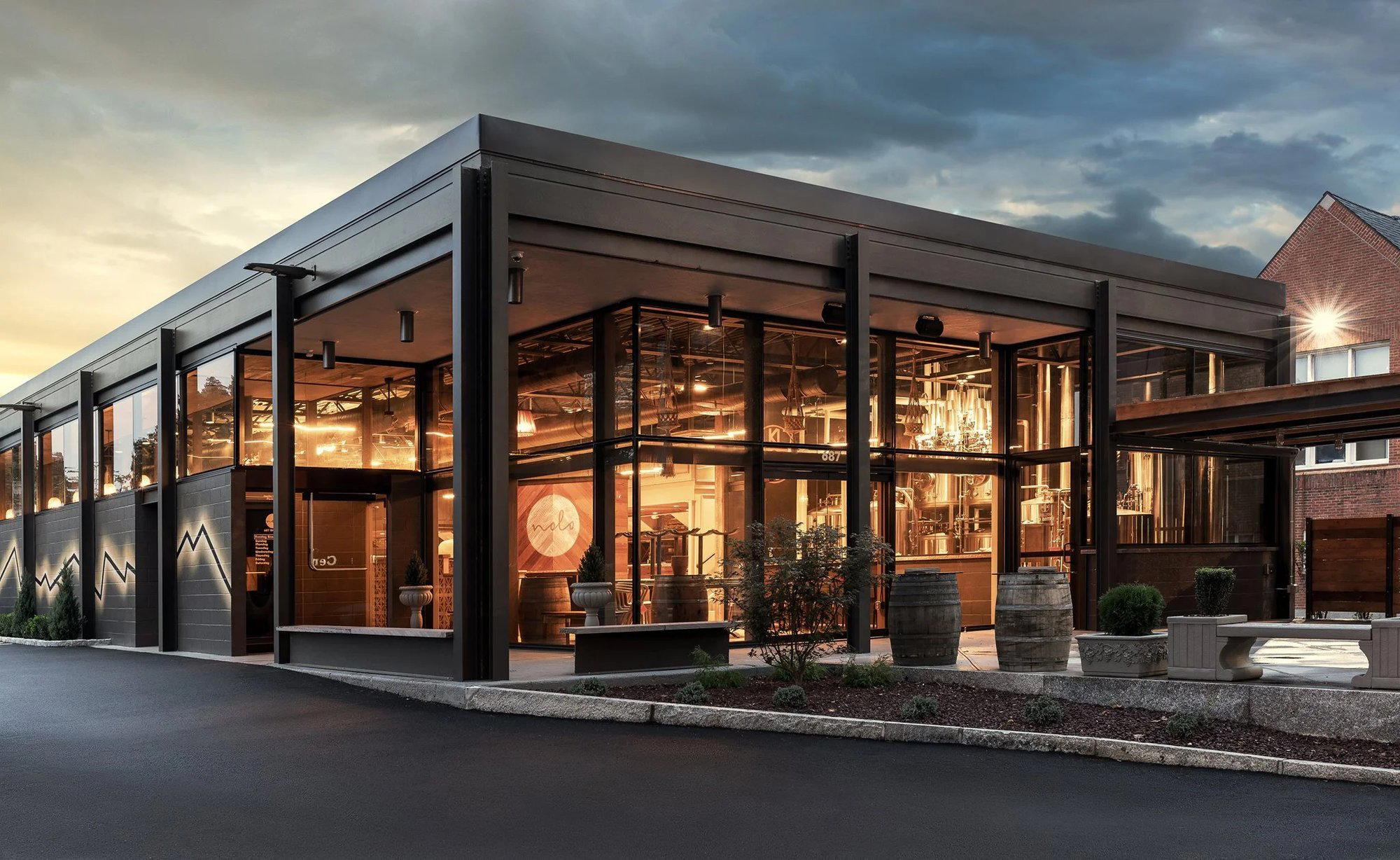
| Da Legna at Nolo | $20–30 |
| East Rock Brewing Company | $20–30 |
Continue exploring
More in New Haven
Bars in New Haven
All bars in New Haven →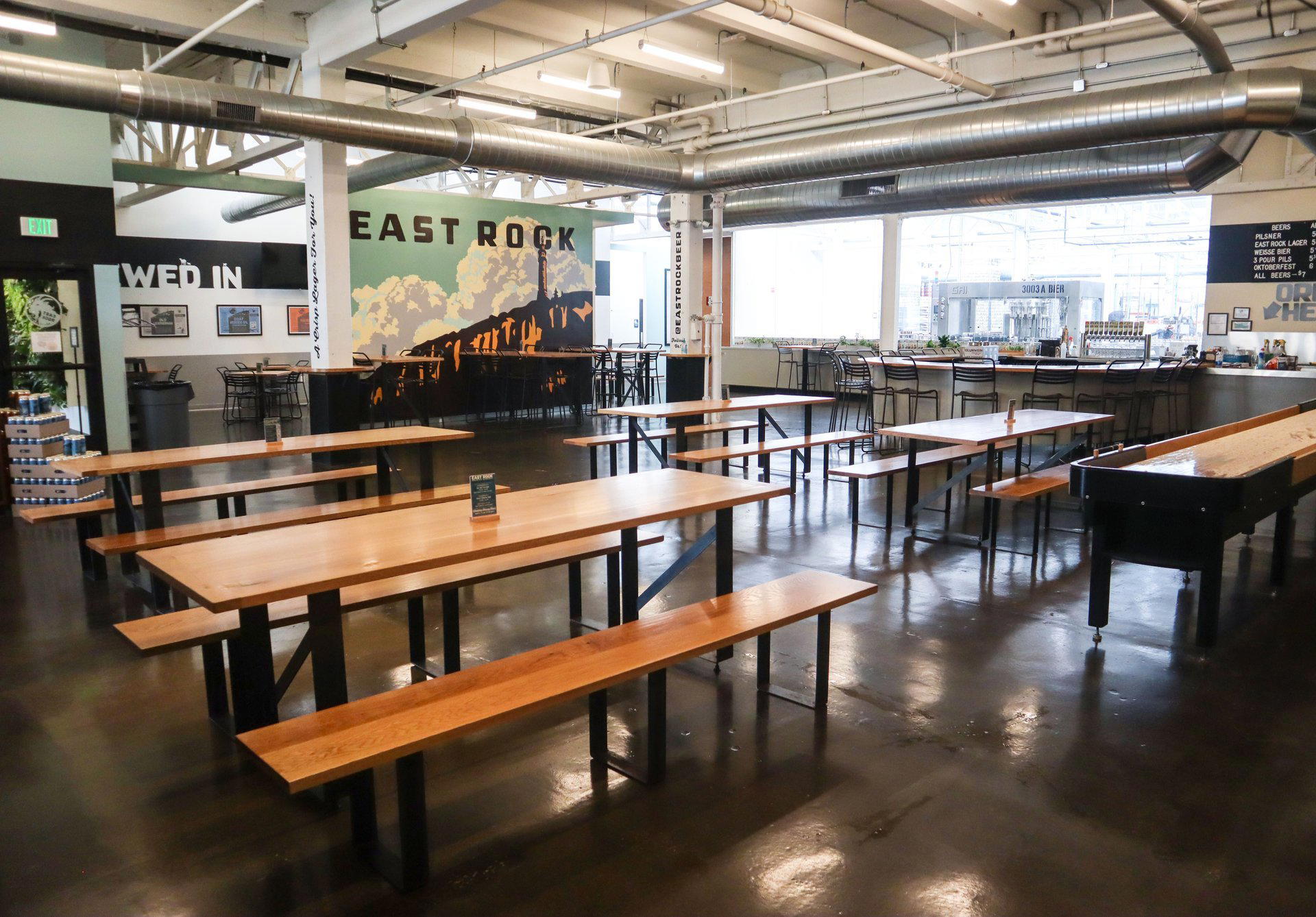
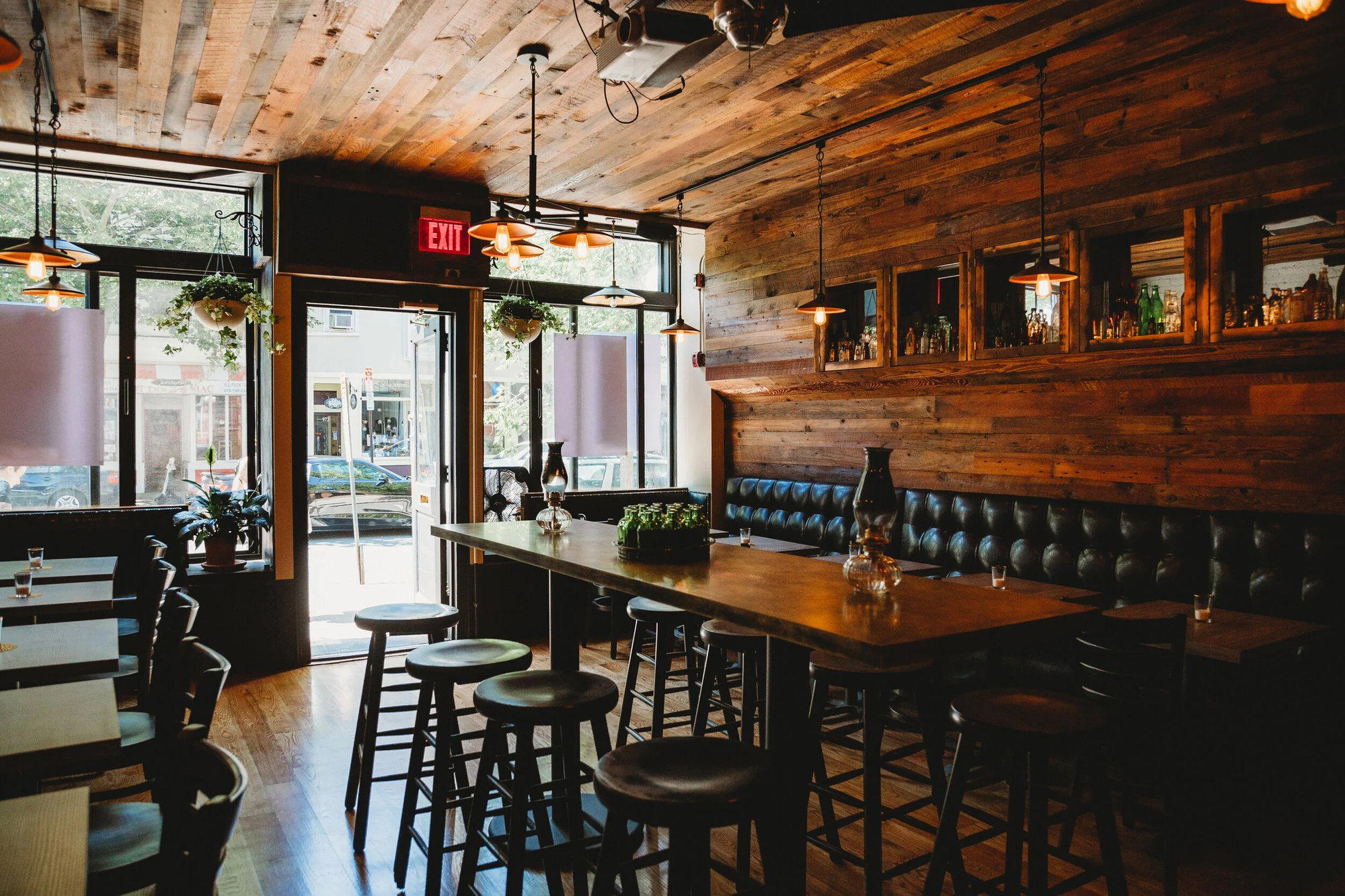
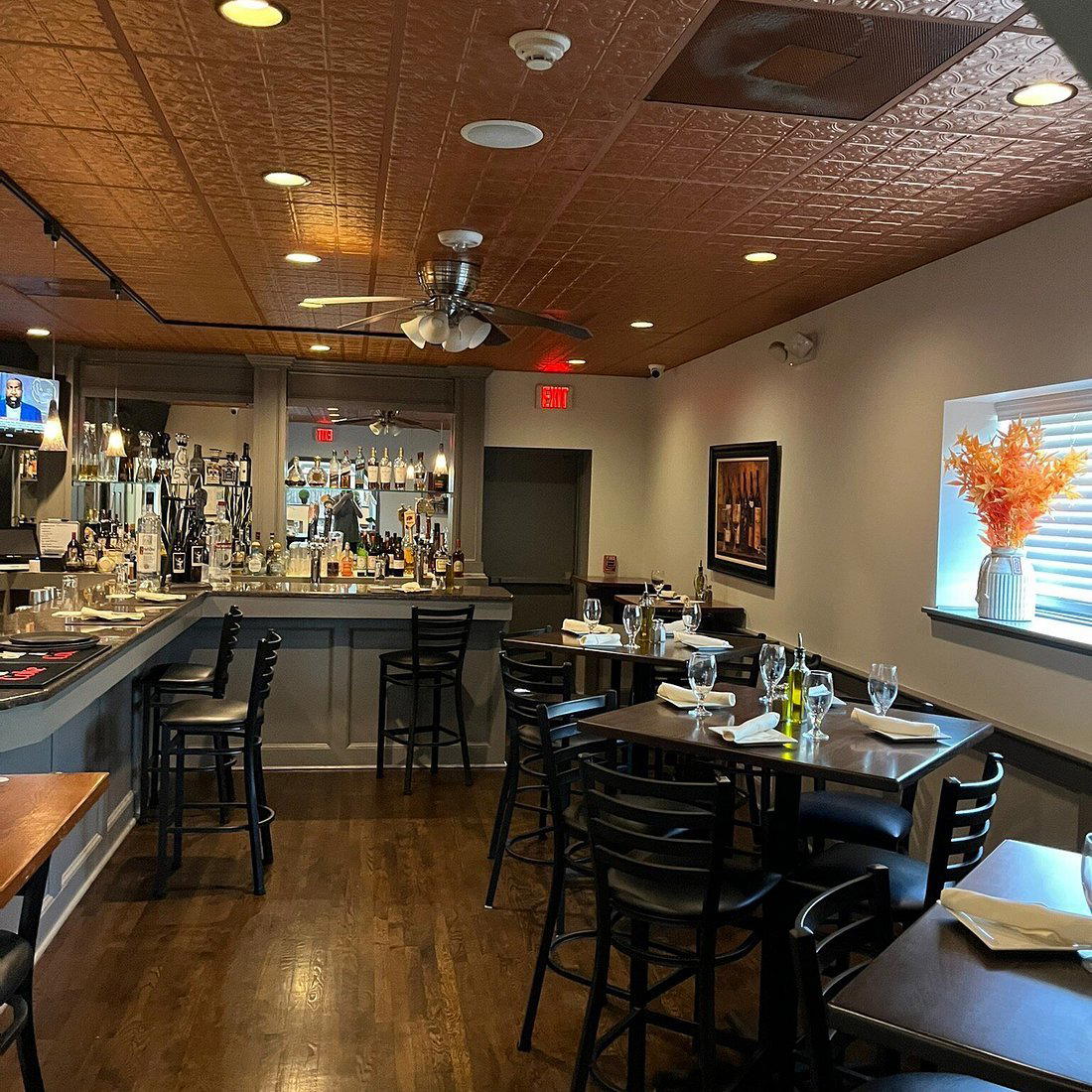
Restaurants in New Haven
All restaurants in New Haven →




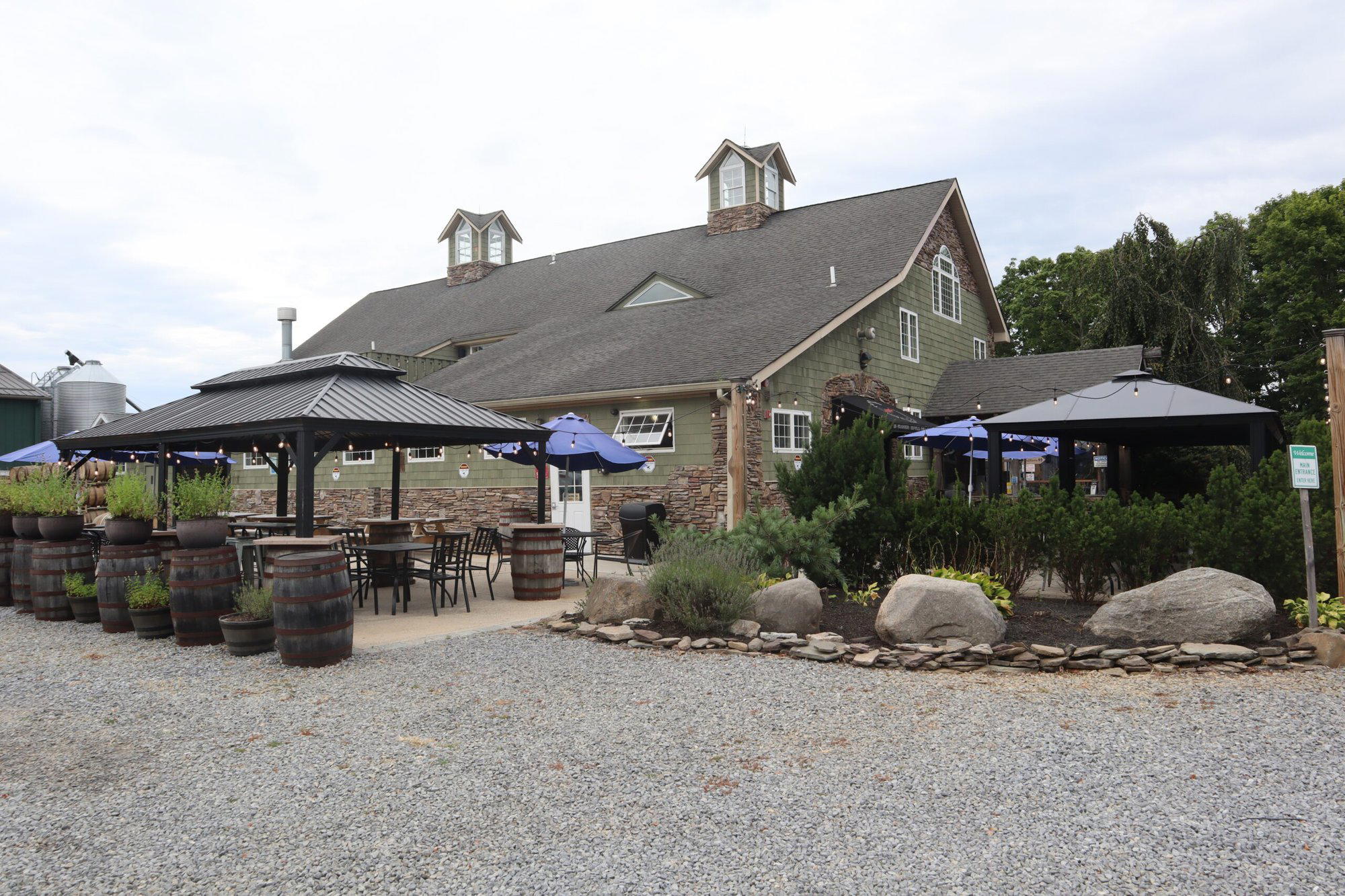
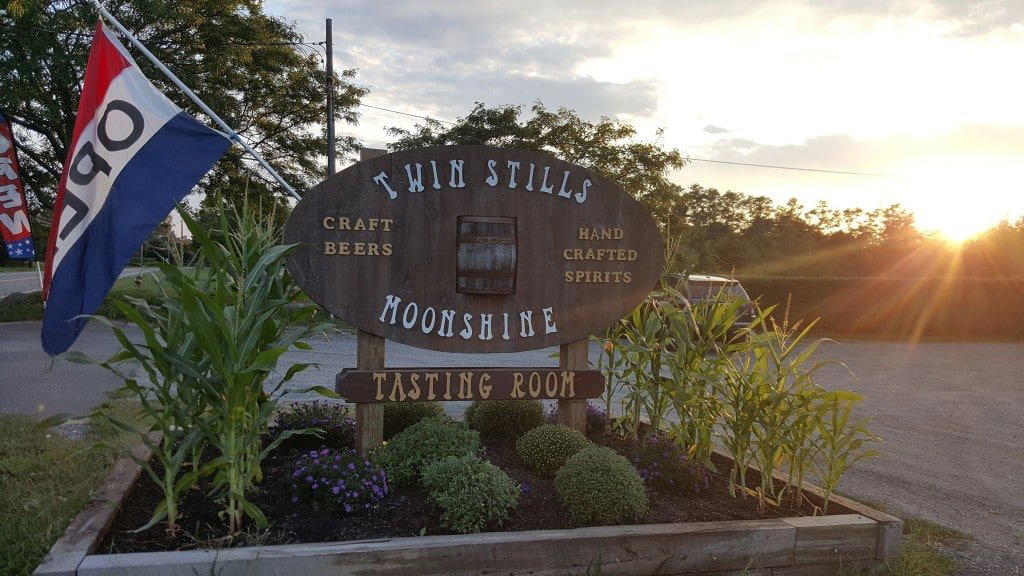
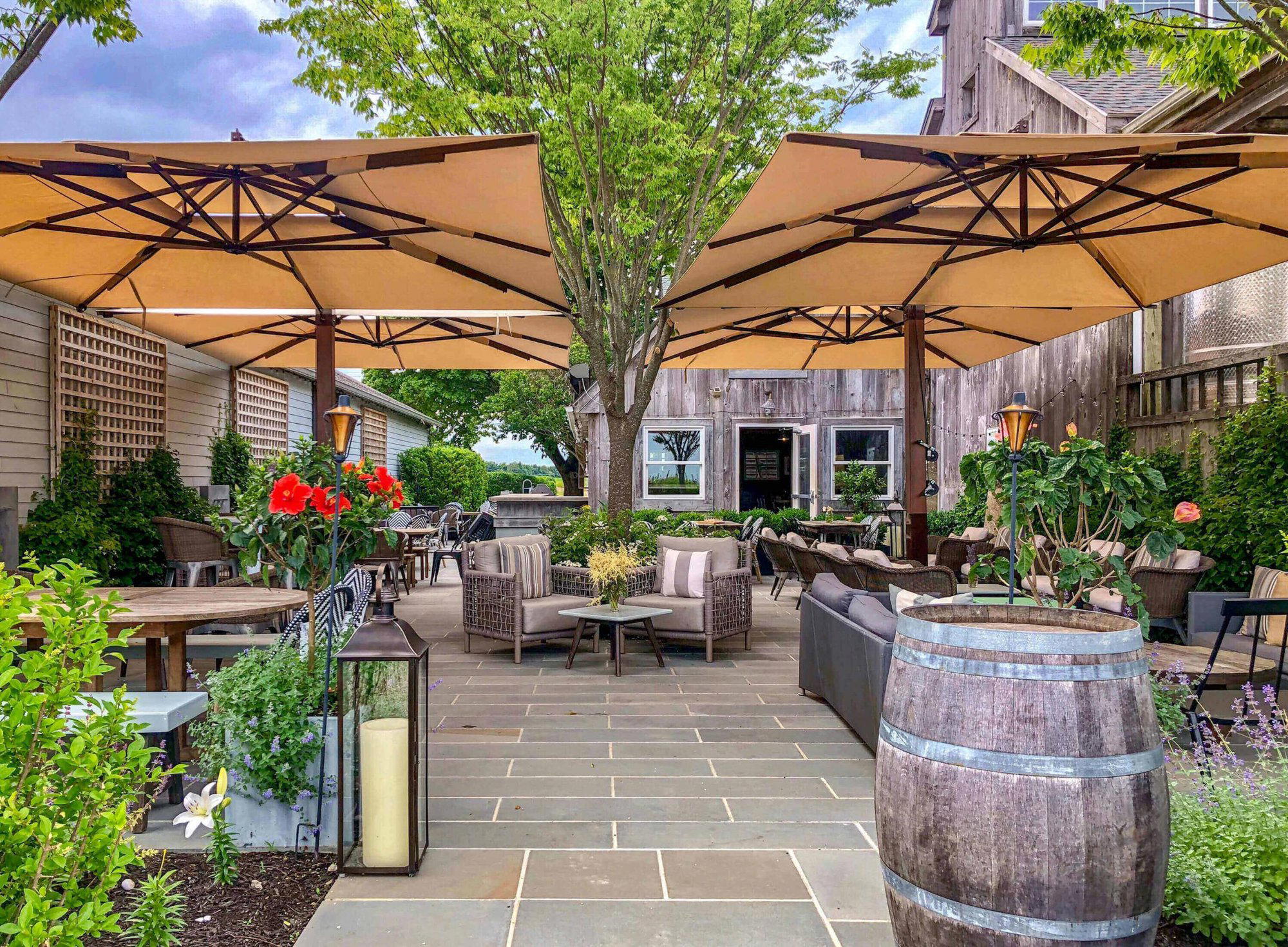
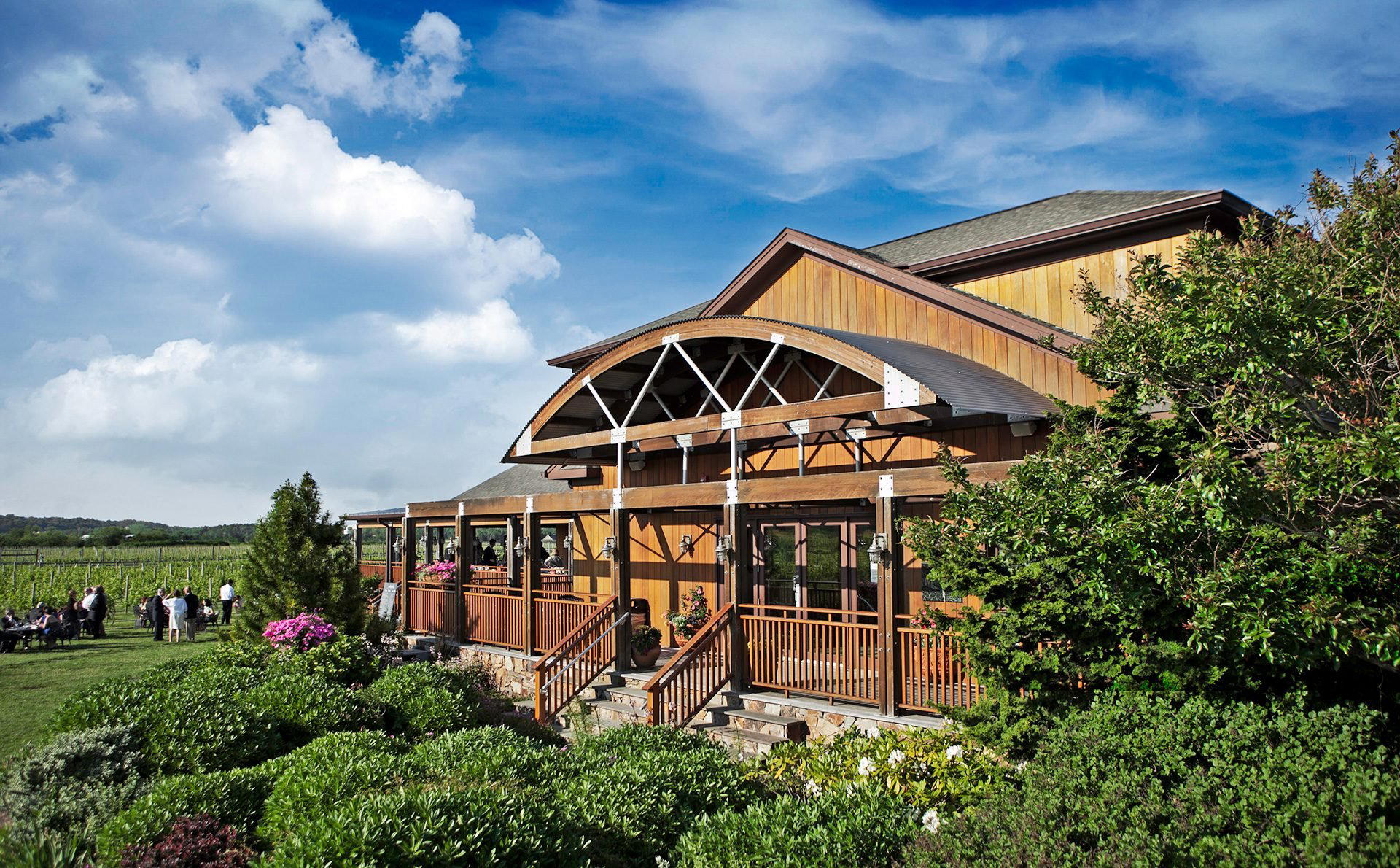
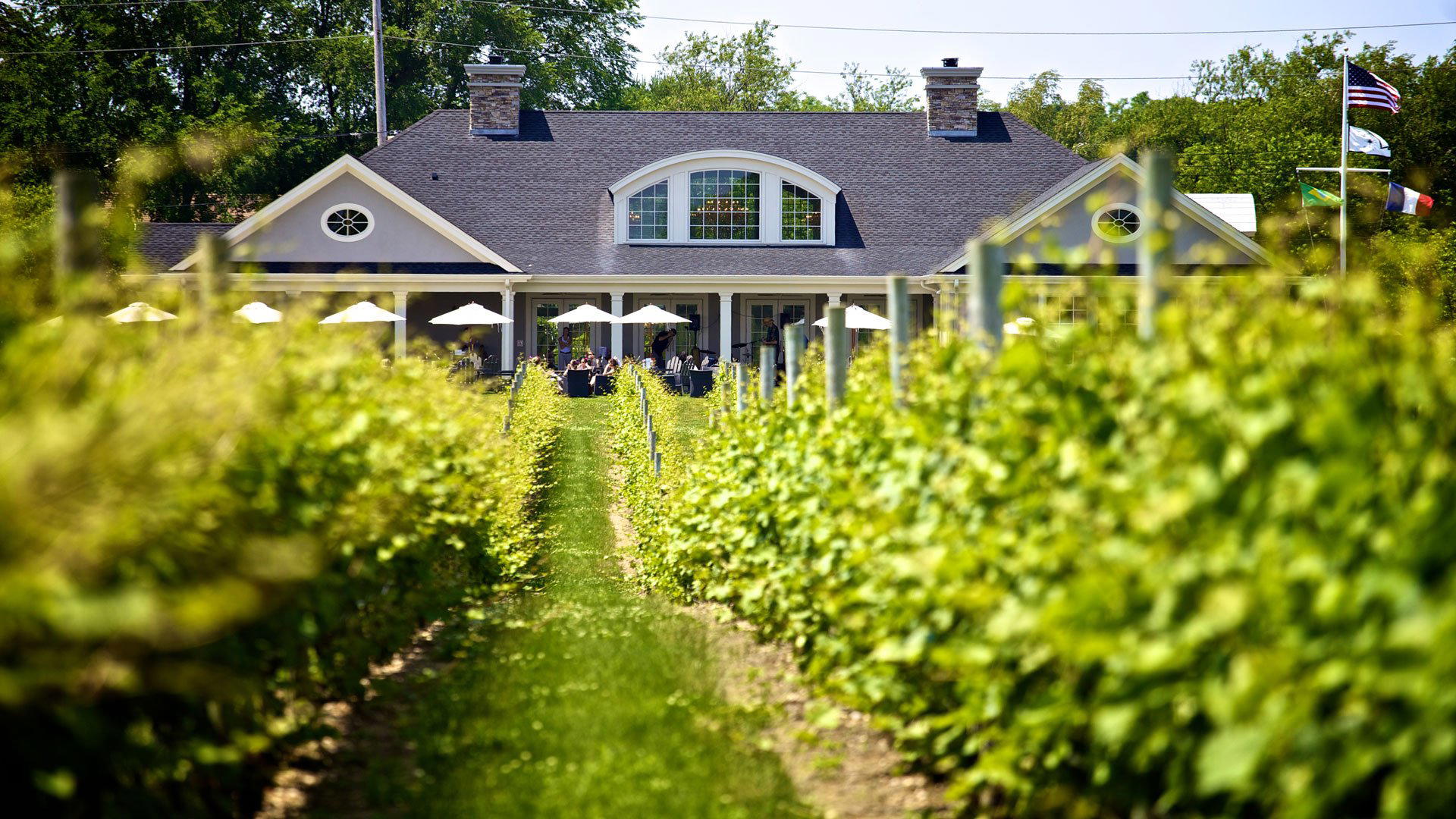
Fair Haven Oyster Company
The drinks
- Craft cocktails
Signature drinks: Girl Dinner.
Details
- Cozy
- Elegant
- Intimate
- Date Night
- Casual Hangout
- Waterfront
- Seated Bar
- Lounge Seating
- Outdoor Terrace
- Craft Cocktails
- Gin
- Waterfront
Current opening hours
- Monday
- Closed
- Tuesday
- 4–9 PM
- Wednesday
- 4–9 PM
- Thursday
- 4–9 PM
- Friday
- 4–9 PM
- Saturday
- 4–9 PM
- Sunday
- Closed
Hours can change for holidays and private events. Hours as of .
Elegant mid-century design meets modern cozy tavern with lively energetic vibe inside and dramatic waterfront deck.