Turkuaz Restaurant
On West 53rd Street in Midtown Manhattan, Turkuaz occupies a distinct position in New York's Turkish dining scene, where few restaurants commit to the full breadth of Anatolian tradition at a sit-down table. The kitchen draws on a cuisine that spans centuries of Ottoman court cooking and regional home traditions, placing it in a different register from the city's dominant Middle Eastern and Mediterranean options.
Pearl is the En Primeur Club membership app — saves, bookings, and concierge access live there. Same editors, same standards.
- Address
- 310 W 53rd St, New York, NY 10019
- Phone
- +12122655500
- Website
- turkuazrestaurant.com
- Directions
- Get directions
 Saves & bookings on Pearl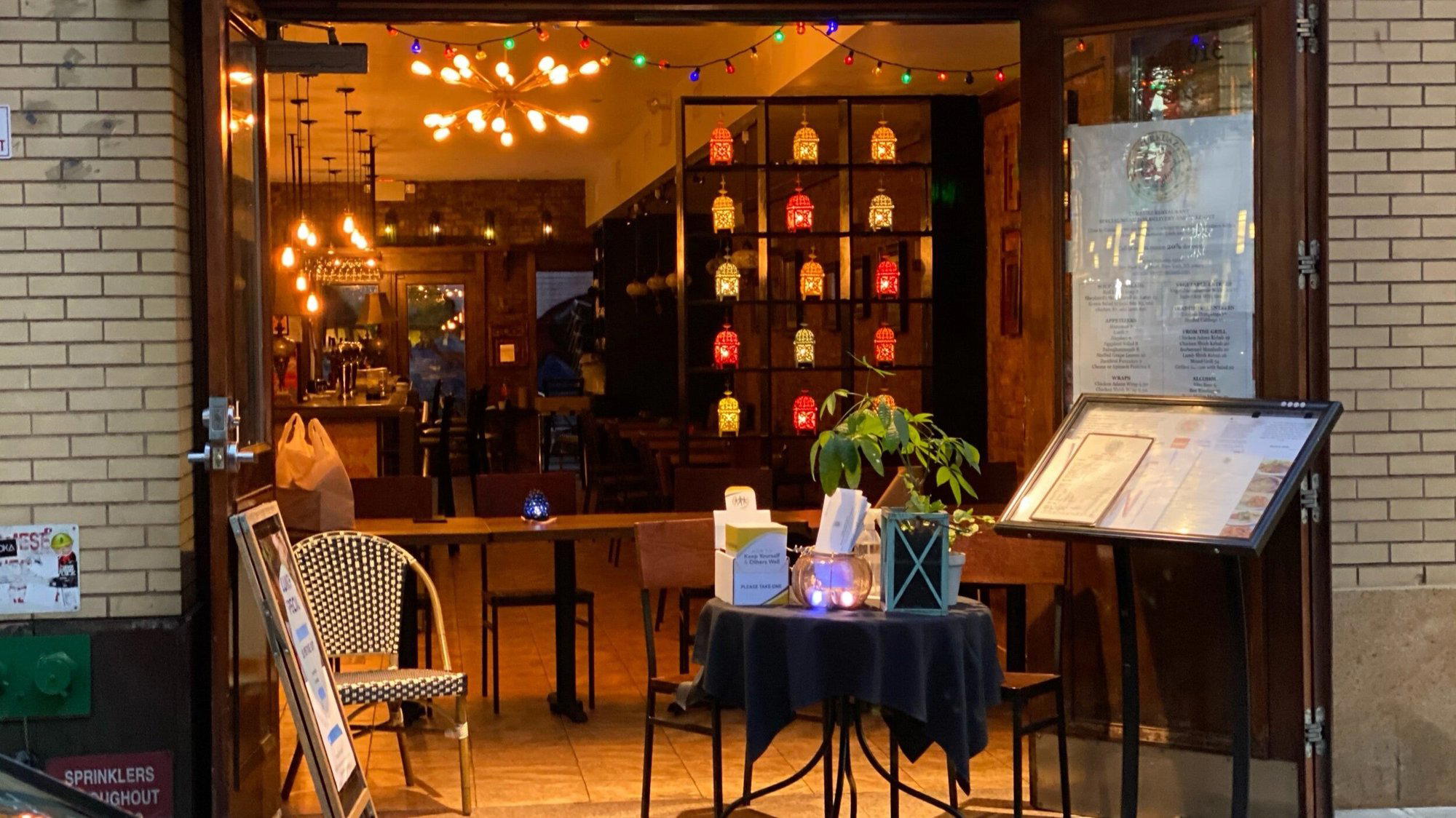
Where Midtown Meets Anatolia
West 53rd Street runs through one of Midtown Manhattan's densest corridors of international dining, where French tasting menus at Le Bernardin and Japanese omakase at Masa set a high watermark for the neighborhood's ambitions. Turkuaz Restaurant, at 310 West 53rd, occupies a different register entirely: it is one of a small number of New York venues that positions Turkish cuisine not as a fast-casual proposition but as a full sit-down experience worth planning an evening around. In a city where the dominant Middle Eastern and Mediterranean options tend toward shared-plate informality, that commitment to a structured Turkish meal carries its own editorial weight.
The physical approach to the space signals the shift before you sit down. Turkish restaurants in the American market have historically leaned on visual theatrics, and Turkuaz follows that tradition with textiles, lantern-style lighting, and decorative details drawn from Anatolian craft traditions. Whether or not that registers as atmospheric immersion or studied set-dressing depends on the diner's relationship with the cuisine, but the intention is clear: this is a room designed to mark a separation from the Midtown office-lunch register outside its doors.
The Architecture of a Turkish Meal
Understanding Turkuaz requires some context about how Turkish cuisine structures a meal, because the progression differs fundamentally from the European tasting formats that dominate this block of Midtown. Ottoman court cooking developed one of the world's most sophisticated mezze traditions, where the opening sequence of cold and warm small plates carries as much culinary weight as anything that follows. In that tradition, the meal does not simply build toward a main course; the meze table is itself a statement, with cold preparations like haydari (strained yogurt with herbs), patlican salatasi (smoked aubergine), and various seafood preparations establishing the kitchen's range before hot food arrives.
That sequencing places Turkish dining in an interesting comparative position relative to the progressive Korean formats at venues like Atomix or Jungsik New York, where the multi-course arc is equally deliberate but built around a single national tradition reframed through fine-dining conventions. Turkish cuisine at Turkuaz does not adopt that reframing; the meal follows a more traditional Ottoman sequence, which some diners will find more culturally honest and others will find less legible within New York's tasting-menu grammar.
The warm meze phase shifts the tempo. Dishes like sigara boregi (cigarette pastries with white cheese and herbs), mussel preparations, and grilled vegetables demand attention in a different register from the cold openers. The transition matters because it marks the moment when the kitchen's execution rather than its pantry selection becomes the primary variable. At this stage, the quality of the dough work, the seasoning of the fillings, and the timing of the grill all become readable.
Grilled meats form the structural center of the Turkish dining arc, and they represent the category where regional specificity becomes most legible to a Western diner. Adana kebab, named for the southern Turkish city and built from hand-minced lamb seasoned with hot pepper and fat, reads very differently from the shaved-meat preparations that most New Yorkers associate with Turkish food. The distinction matters editorially: venues that commit to regional specificity in their kebab program are making a different argument about the cuisine than those that flatten it toward a more accessible Middle Eastern-adjacent format.
Midtown Context and Practical Positioning
The broader Midtown dining context shapes how Turkuaz functions as a booking decision. The neighborhood runs from $25 prix-fixe lunch options to the four-figure omakase at Masa, and at the upper end, venues like Per Se set a standard against which any serious sit-down experience is implicitly measured. Turkuaz does not compete in that bracket, either in price or in format ambition, which places it in a middle tier where the competition includes other international full-service restaurants rather than the tasting-menu circuit.
For diners building a New York itinerary around the city's international dining range, Turkuaz offers access to a cuisine that does not appear in comparable form on many Manhattan blocks. The city's Turkish options cluster around a handful of neighborhoods, and the West 53rd Street address makes Turkuaz the most geographically convenient option for Midtown visitors who might otherwise encounter Turkish food only in the form of street-cart chicken and rice. That convenience carries logistical value for travelers staying in Midtown hotels.
Booking timing is not the constraint it is at the city's high-demand tasting counters. Unlike the weeks-ahead planning required at venues such as Atomix or the sourcing-led formats at Blue Hill at Stone Barns outside the city, Turkuaz operates in a segment where walk-in or short-notice reservations are typically more feasible. That accessibility is worth stating plainly: it is part of the venue's operating model, not a reflection of quality.
For reference on the broader American fine-dining spectrum, EP Club also covers venues including Alinea in Chicago, The French Laundry in Napa, Lazy Bear in San Francisco, Providence in Los Angeles, Single Thread Farm in Healdsburg, Addison in San Diego, Emeril's in New Orleans, The Inn at Little Washington, and Bacchanalia in Atlanta. Internationally, the EP Club catalog extends to venues such as 8½ Otto e Mezzo Bombana in Hong Kong and Alain Ducasse at Louis XV in Monte Carlo.
See our full New York City restaurants guide for a broader map of the city's dining options across price tiers and cuisines.
What the Meal Tells You About the Cuisine
Turkish cooking occupies an unusual position in the global fine-dining conversation. It is simultaneously one of the world's great culinary traditions, with Ottoman court cuisine influencing everything from Greek to North African to Middle Eastern food, and one of the least represented at the level of serious restaurant investment in Western cities. The version of Turkish food that most New Yorkers encounter, whether through döner variants, baklava shops, or casual kebab houses, captures only a fraction of a tradition that includes slow-braised lamb dishes, elaborate pastry work, cold seafood preparations, and one of the world's more sophisticated yogurt-based sauce traditions.
Turkuaz's value, assessed editorially, lies in operating a table-service format that allows that fuller picture to emerge across a meal's arc. The meze-to-grill progression is not a novelty structure; it is the traditional Ottoman hospitality sequence, and experiencing it in something approaching its intended form gives the diner a clearer sense of why the cuisine earned the reputation it historically held. That educational function is not the same as the technical ambition at a venue like Per Se, but it is a different kind of culinary argument, and one that Midtown's dining map does not offer in many other places.
Planning Your Visit
Turkuaz Restaurant is located at 310 West 53rd Street in Midtown Manhattan, accessible from the Columbus Circle and 50th Street subway stations. For current hours, pricing, and reservation availability, contacting the venue directly or checking current listings is advisable, as specific operational details are subject to change. Given the full meze-to-main structure of a proper Turkish meal, allow at minimum two hours for the experience, and arrive with the intention of working through the cold and warm meze sequence before moving to grilled courses rather than treating the meal as a quick main-plus-side format.
- Doner Kebab
- Sultan's Plate
- Lamb Chops
- Turkish Dumplings
- Stuffed Cabbage
- Baklava
Continue exploring
More in New York City
Restaurants in New York City
Browse all →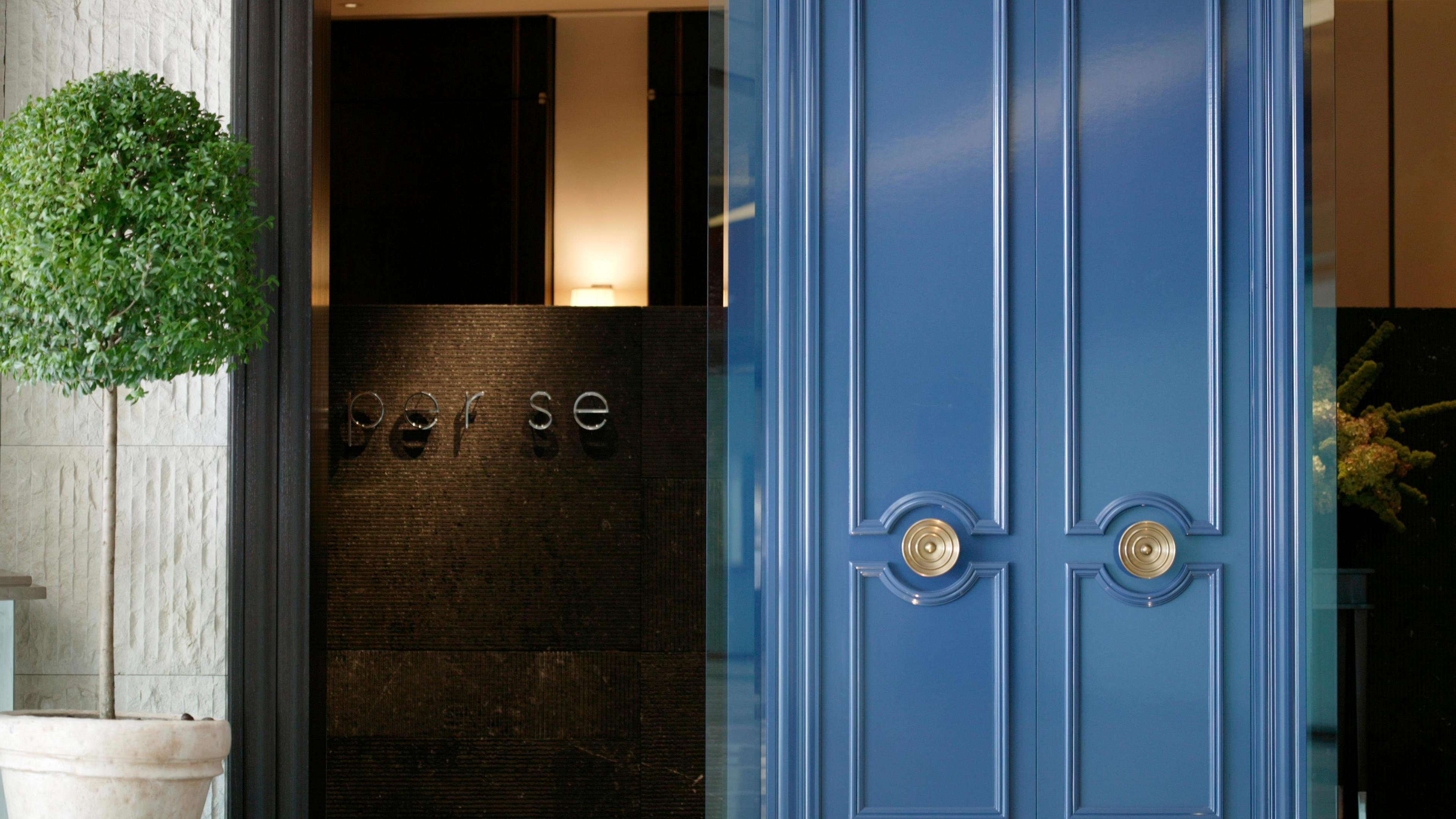
Bars in New York City
Browse all →
Hotels in New York City
Browse all →




At a Glance
- Romantic
- Elegant
- Classic
- Date Night
- Business Dinner
- Group Dining
- Family
- Celebration
- Special Occasion
- Private Dining
- Terrace
- Beer Program
Current opening hours
- Monday
- 12–10 PM
- Tuesday
- 12–10 PM
- Wednesday
- 12–10 PM
- Thursday
- 12–10 PM
- Friday
- 12–11 PM
- Saturday
- 12–11 PM
- Sunday
- 12–10 PM
Hours can change for holidays and private events. Last verified .
Romantic and relaxing decor with beautiful interior design; warm and welcoming atmosphere with attentive service.
Know Before You Go
- Getting there
- 310 W 53rd St, New York, NY 10019