Turkish Cuisine
Our verdict
On Ninth Avenue in Hell's Kitchen, Turkish Cuisine sits in one of New York's most densely international dining corridors, where the case for Anatolian cooking makes itself through lamb slow-cooked over hours, flatbreads pulled from a wood-fired oven, and spice blends that trace back centuries. The room is straightforward; the food asks for your full attention.

Pearl is the En Primeur Club membership app — saves, bookings, and concierge access live there. Same editors, same standards.
- Address
- 631 9th Ave, New York, NY 10036
- Phone
- (212) 397-9650
- Website
- turkishcuisinenyc.com
- Directions
- Get directions
- Booking
- Book on Resy
Ninth Avenue and the Anatolian Argument
Hell's Kitchen has always functioned as one of New York's most pragmatic dining districts: high turnover, diverse cuisines, and a customer base that ranges from pre-theatre crowds to neighbourhood regulars who have been eating on this stretch of Ninth Avenue for decades. Turkish Cuisine, at 631 Ninth Avenue, sits inside that tradition. The address itself is a signal. This is not the Midtown corridor of tasting menus and expense-account dinners where Le Bernardin or Per Se operate; it is the other New York, where cuisines earn their place through repetition and neighbourhood trust rather than critical ceremony.
Turkish food occupies a specific and often underappreciated position in New York's broader immigrant-cuisine map. The city's Turkish dining scene is thinner than its Greek, Middle Eastern, or Eastern European counterparts, which means the restaurants that do exist carry a disproportionate representative weight. At its core, the Anatolian kitchen is one of accumulation: centuries of Ottoman court cooking layered over nomadic Central Asian traditions, filtered through regional variations that can shift dramatically between Istanbul and the Aegean coast, or between the Black Sea highlands and the southeastern provinces bordering Syria and Iraq. That depth rarely gets communicated in full at a single address, but it sets the framework for what Turkish cooking, done seriously, can deliver.
What You Encounter in the Room
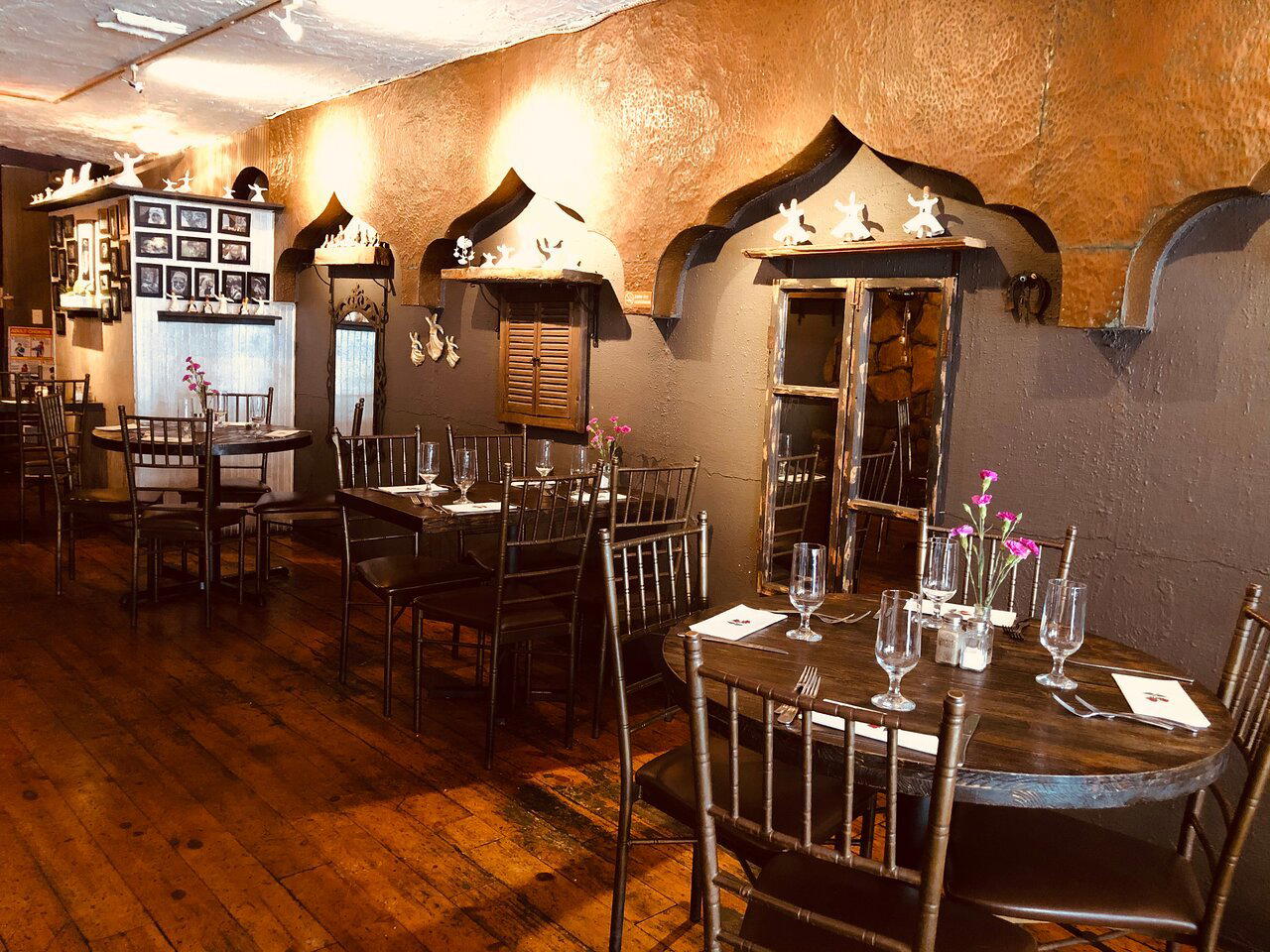
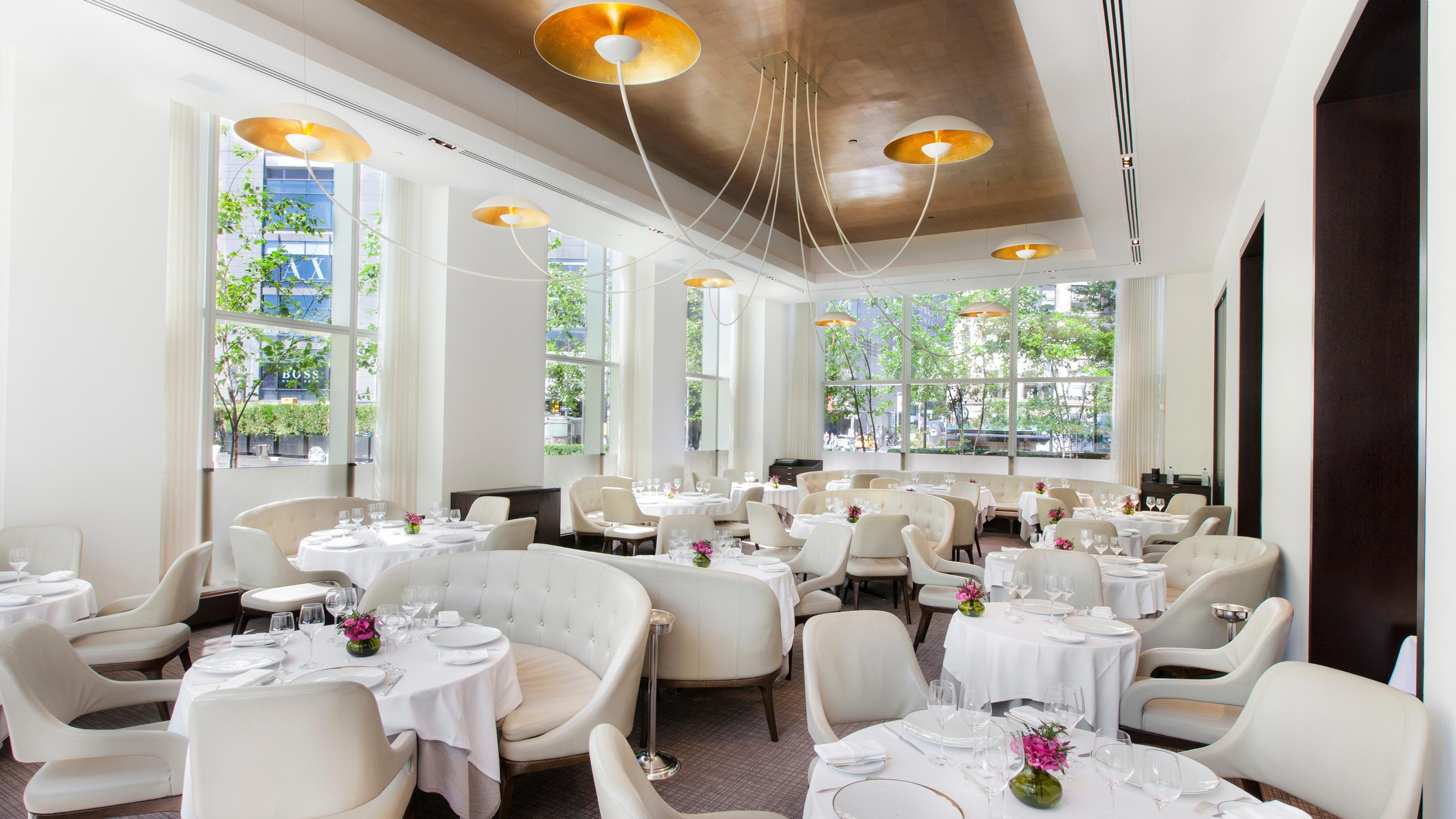
The physical environment at 631 Ninth Avenue is in keeping with the block: a dining room built for function rather than spectacle, the kind of space where the smell of charcoal and lamb fat reaches you before you've settled into a seat. Hell's Kitchen dining rooms of this type tend toward close-set tables, warm light that leans orange in the evenings, and a low ceiling that traps the accumulated heat and smoke of a kitchen working at pace. The sensory experience is cumulative rather than immediate. You notice the spice first, something between cumin and sumac with a base note of dried chilli, then the sound of flatbread against a hot surface, then the visual rhythm of a room that has been filling and emptying for years without much ceremony about it.
That atmosphere is not accidental. In Turkish restaurant culture, the communal table and the shared meze format are structural features, not stylistic choices. Dishes arrive in their own time rather than in a single choreographed sequence. The pace is set by the kitchen, and the expectation is that diners will adjust to it rather than the other way around. This is a fundamentally different contract from the tasting-menu model at places like Atomix or Masa, where the guest cedes control to a highly engineered sequence. Here, the table is a negotiation between kitchen output and appetite.
The Tradition Behind the Menu
Turkish cooking's claim on serious attention rests partly on its ingredient logic and partly on its technique. The meze tradition alone encompasses cold preparations, warm pastries, cured or pickled vegetables, and dairy-based dishes that function as both appetiser and palate benchmark. Warm meze, often overlooked in favour of grilled proteins, include dishes built around phyllo dough, slow-cooked legumes, and lamb offal prepared with enough skill to shift a sceptic's position on the subject.
Grilled proteins are the most visible entry point for first-time diners: köfte formed and cooked over charcoal, lamb chops with char marks that carry their own flavour argument, and chicken preparations marinated in yogurt and spice blends that tenderise as they flavour. The vegetable side of the menu deserves equal consideration. Stuffed preparations, whether pepper, aubergine, or vine leaf, represent a distinct technical tradition, and the slow-cooked legume dishes (lentil soups, white bean salads dressed in olive oil) operate as a kind of quiet counterpoint to the more dramatic grill work.
For reference on how far this culinary tradition extends globally, the Ottoman kitchen's influence on European fine dining has been documented at length, and a direct line can be traced from Istanbul's historic palace kitchens to the spice discipline found in restaurants as geographically distant as Alain Ducasse's Louis XV in Monte Carlo. At the neighbourhood level, the same principles operate without the gilt.
Hell's Kitchen as Context
Ninth Avenue between West 40th and West 57th Streets has long served as one of New York's most compressed multi-cuisine corridors. The block that includes Turkish Cuisine also places it within walking distance of the Theatre District, which has historically meant restaurants on this stretch must serve both the quick pre-show diner and the longer-staying neighbourhood regular. That dual pressure shapes portion logic and pricing in ways that distinguish Hell's Kitchen from the more curated dining precincts of the West Village or the Upper East Side.
The comparison set for Turkish Cuisine on this block is not Jungsik or Blue Hill at Stone Barns. The relevant peer group is the immigrant-tradition restaurants that have held addresses on Ninth Avenue for years, earning loyalty through consistency rather than critical awards cycles. In that category, durability is its own credential. For a wider map of where Turkish Cuisine sits within New York's full dining spectrum, see our full New York City restaurants guide.
Comparable neighbourhood-rooted dining in other American cities operates on similar principles: Bacchanalia in Atlanta and Emeril's in New Orleans represent the more celebrated end of city-defining restaurants, but the trust model that sustains them is not entirely different from what sustains a long-running neighbourhood address. Consistency, recognisable flavour, and a room that knows its purpose.
Planning Your Visit
Address: 631 9th Ave, New York, NY 10036. Reservations: Dress: No stated dress code; the room and neighbourhood suggest casual to smart casual. Budget: Getting there: The address is accessible from the 34th Street-Hudson Yards station (7 train) or 42nd Street-Port Authority (A/C/E lines), both within a few blocks' walk.
Frequently asked questions
What's Turkish Cuisine's location?
Turkish Cuisine is located at 631 9th Ave, New York, NY 10036, New York City.
Does Turkish Cuisine in Hell's Kitchen offer an experience different from Turkish restaurants in other New York City neighbourhoods?
The Ninth Avenue address places Turkish Cuisine inside one of New York City's longest-running multi-ethnic dining corridors, where the immediate neighbours span Greek, Thai, Brazilian, and West African kitchens within a few blocks. That context shapes the clientele: this is a working dining street rather than a destination strip, which tends to keep pricing grounded and portion sizes practical. Turkish restaurants in neighbourhoods like the East Village or Astoria often compete on atmosphere and cocktail programming; the Hell's Kitchen positioning at 631 Ninth Ave suggests the kitchen carries the argument.
What's the signature dish at Turkish Cuisine?
Turkish cooking's core repertoire typically centers on meze spreads, wood-fired kebabs, and slow-braised lamb preparations, so those categories are a reasonable starting point when ordering. Ask your server what is freshest on the day you visit.
How hard is it to get a table at Turkish Cuisine?
Hell's Kitchen dining rooms in this stretch of Ninth Avenue generally accommodate walk-ins, particularly outside the pre-theatre window between 5:30 and 7:30 pm. Arriving at 6 pm on a weeknight is the practical hedge if you have no prior booking.
What is Turkish Cuisine known for?
Turkish Cuisine at 631 Ninth Ave sits within one of New York City's most compressed multi-cuisine corridors, where the competition forces specificity rather than generalism. Anatolian cooking's strongest claim in this context is the meze tradition: cold preparations built around olive oil, herbs, and fermented dairy that reward ordering in quantity rather than going straight to a main. That format differentiates a serious Turkish table from most of its neighbours on Ninth Avenue.
Is Turkish Cuisine good for vegetarians?
Turkish cooking structurally supports vegetarian eating better than most cuisines in this part of the world: a traditional meze spread can run eight to twelve cold dishes without involving any meat. Confirm with staff on arrival if a fully plant-based meal is the goal.
Is Turkish Cuisine overpriced or worth every penny?
Hell's Kitchen restaurants in this category typically fall into the mid-range bracket by Manhattan standards, meaning meze-and-main dinners for two generally land below what comparable coverage costs in Midtown proper. Value assessment depends on portion scale, which varies by how broadly you order across the meze section.
Category Peers
A quick snapshot of similar venues for side-by-side context.
| Venue | Cuisine | Price | Awards | Notes |
|---|---|---|---|---|
| Turkish CuisineThis venue — the venue you are viewing | Authentic Turkish Cuisine | Not listed | Not listed | Not listed |
| Le Bernardin | French Seafood Fine Dining | $300–500 | 3 Michelin Stars · World's 50 Best #13 | French, Seafood |
| Atomix | Modern Korean Tasting Menu | $300–500 | 2 Michelin Stars · World's 50 Best #7 | Modern Korean, Korean |
| Masa | Traditional Japanese Omakase | $500+ | 2 Michelin Stars · World's 50 Best #27 | Sushi, Japanese |
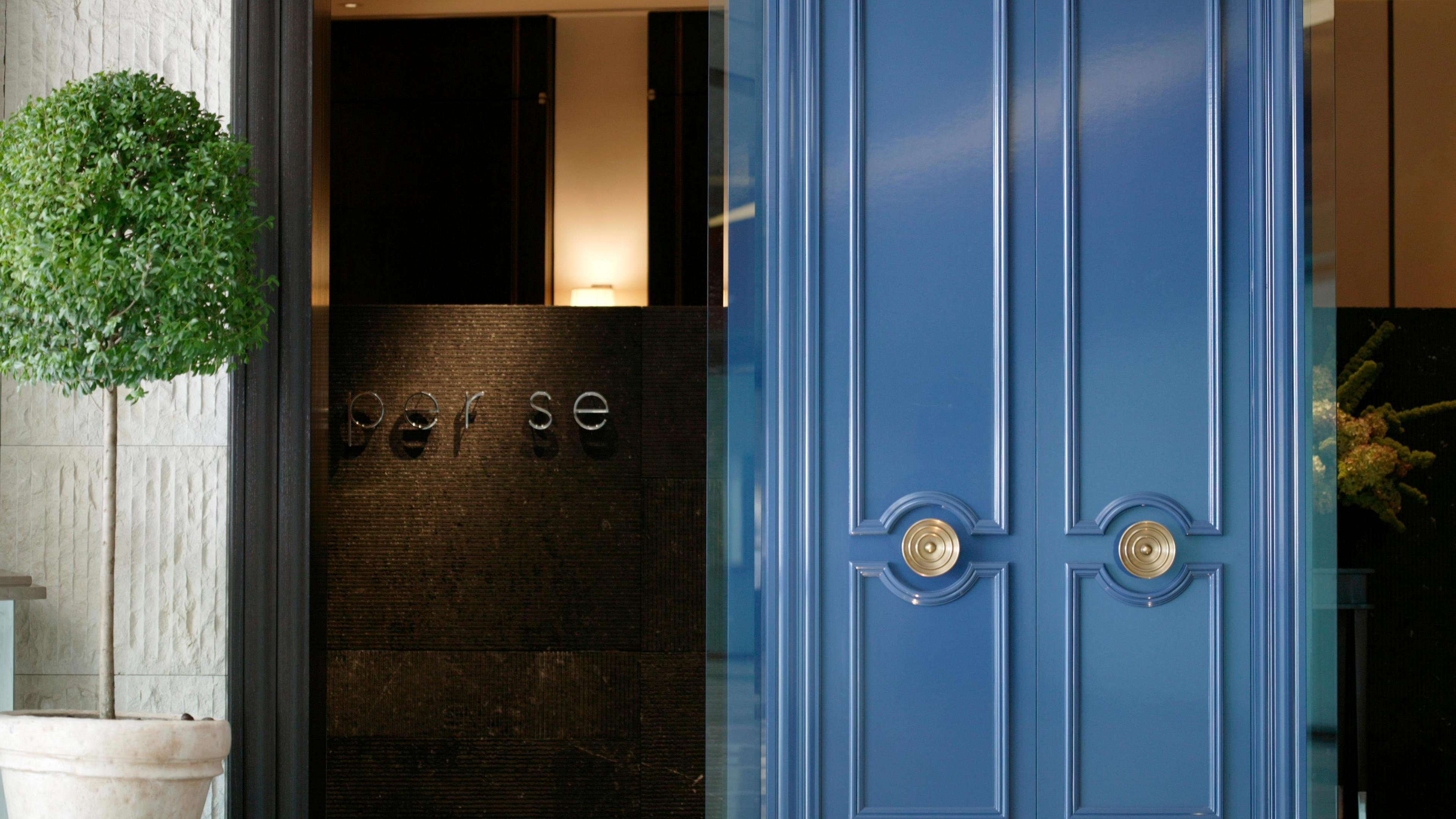
| Per Se | French Fine Dining Tasting Menu | $300–500 | 3 Michelin Stars · World's 50 Best #40 | French, Contemporary |
| Jungsik New York | Modern Korean Fine Dining | $200–300 | 3 Michelin Stars · World's 50 Best #18 | Progressive Korean, Korean |
Continue exploring
More in New York City
Restaurants in New York City
Browse all →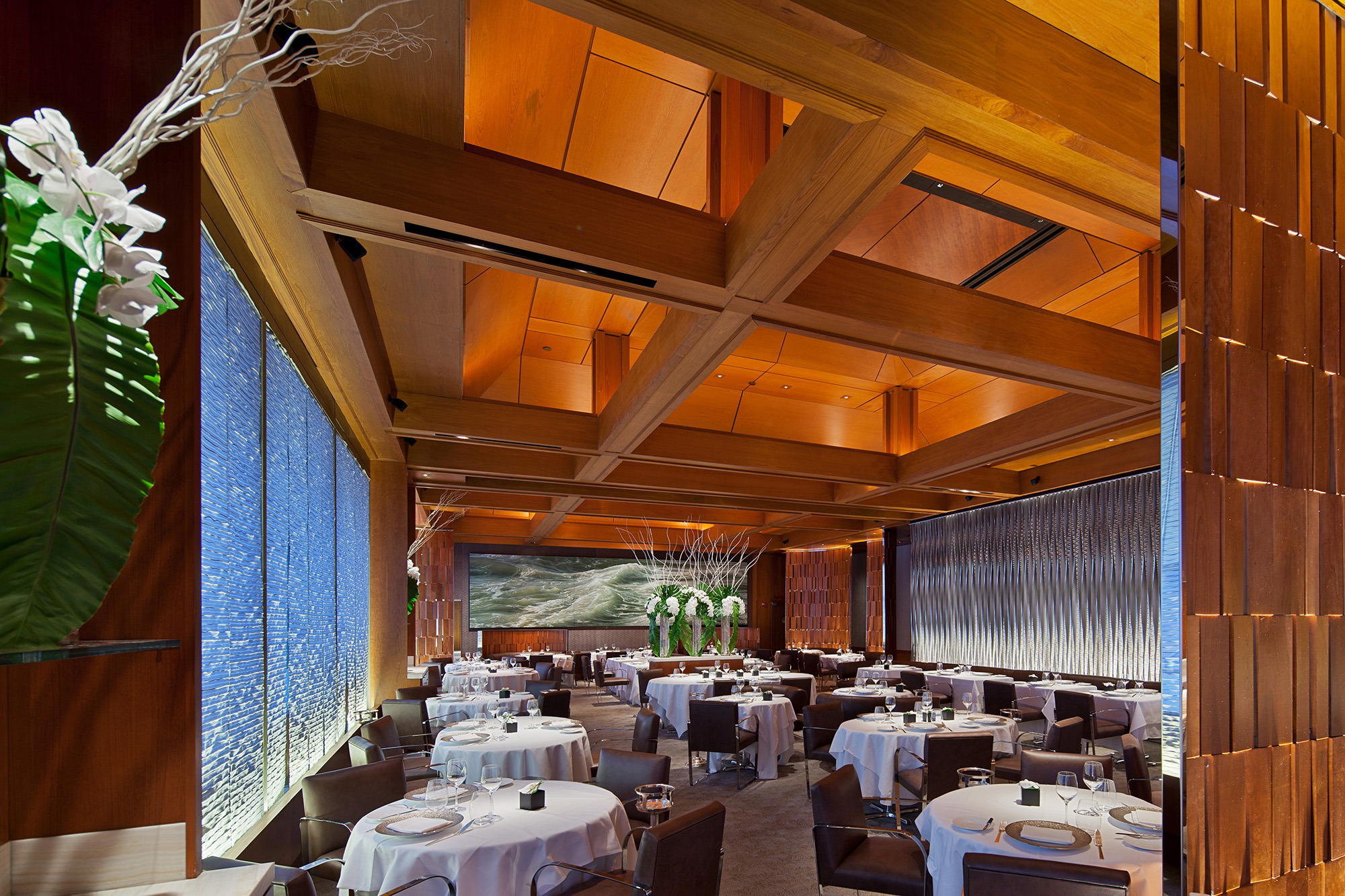
Bars in New York City
Browse all →
Hotels in New York City
Browse all →
Details
- Cozy
- Casual Hangout
- A La Carte
Warm and comfortable atmosphere reminiscent of Istanbul's Grand Bazaar.