Cafe Bar J.F.
Cafe Bar J.F. belongs to New York’s small but culturally elastic South American dining thread, with Peruvian, Chilean, and Argentine references sitting inside the city’s broader habit of culinary overlap. The appeal is less about formal fine-dining signals and more about how a cafe-bar format can carry immigrant foodways without forcing them into a single national script.
Pearl is the En Primeur Club membership app — saves, bookings, and concierge access live there. Same editors, same standards.
- Address
- New York City, United States
- Website
- cafebarjf.com
- Directions
- Get directions
 Saves & bookings on Pearl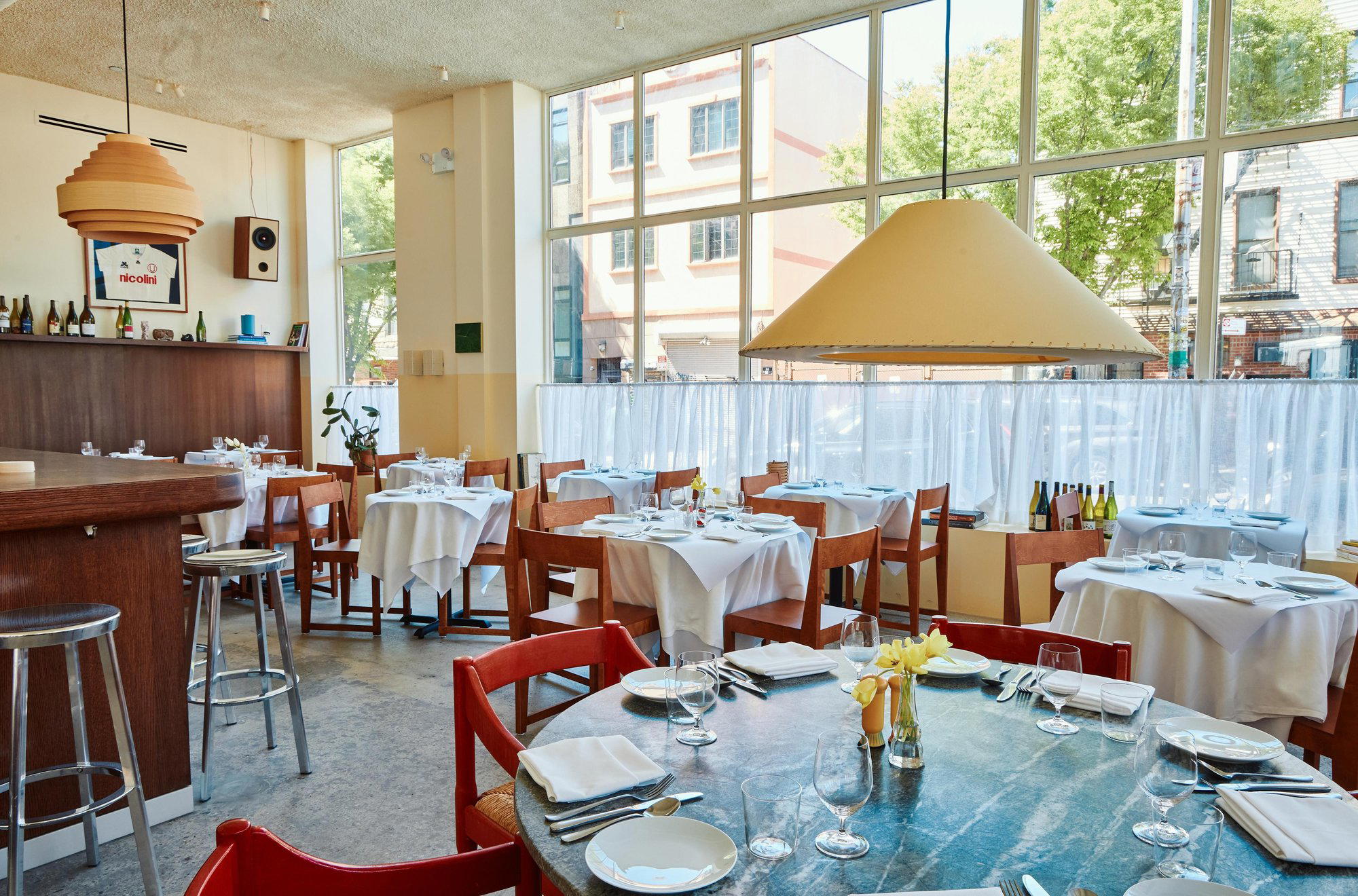
New York’s cafe-bars work by compression: a room can shift from coffee and conversation to plates, wine, and late-evening noise without changing its basic grammar. In that format, South American cooking has room to move. Cafe Bar J.F. is framed around Peruvian, Chilean, and Argentine references, a combination that matters in a city where Latin American dining is often flattened into a single category. The more useful reading is regional: Pacific acidity, Andean pantry logic, grill culture, and cafe sociability can sit beside one another without pretending to be the same cuisine.
Peruvian, Chilean, and Argentine cues inside a New York cafe-bar frame
American dining has always absorbed migration through formats as much as through recipes. New York makes that visible because a restaurant does not need to declare itself as a grand national statement to register culturally. A South American cafe-bar can be read as part of the same urban pattern that lets Israeli counters, Japanese sushi rooms, Italian wine bars, and cured-meat specialists coexist within a few subway stops. For a wider scan of that range, Our full New York City restaurants guide gives the category map, while nearby editorial references such as 12 Chairs (Israeli), 1 or 8 (Sushi - Japanese), 15 East (Sushi - Japanese), 'inoteca, and & Sons Ham Bar show how specific food traditions survive by adapting to New York’s room sizes, pacing, and mixed-dining habits.
The South American mix here is the editorial point. Peruvian, Chilean, and Argentine cuisines are not interchangeable: Peru’s global restaurant identity has been shaped by coastal seafood, Chinese and Japanese influence, and Andean ingredients; Chilean food culture carries its own relationship to the Pacific, wine country, and home-style staples; Argentina’s public dining reputation leans heavily toward beef, empanadas, cafe life, and Italian inheritance. When those references are grouped in New York, the result belongs to the American fusion story in its grounded sense: not novelty for novelty’s sake, but immigrant and diasporic traditions sharing a service model.
Why the category reads differently in New York
New York rewards specificity, but it also rewards flexibility. Formal tasting-menu restaurants announce their seriousness through seat counts, awards, and reservation systems; cafe-bars often build authority through repeat use, neighborhood rhythm, and a menu that can handle different appetites at different hours. Cafe Bar J.F. has no public award signal attached here, which places the emphasis on cuisine identity rather than trophy status. That matters for readers sorting the city: this is not a Michelin-led decision; it is a question of whether South American breadth, rather than a single-country proposition, is the point of the night.
That same logic helps explain why New York’s broader dining culture remains so resistant to clean taxonomy. A Japanese sake bar in Los Angeles such as Jōdo Saké Bar in Los Angeles, a focused rice-ball specialist like Onigiri Time in Pasadena, or a Mexican counter such as ¿Por Qué No? in Portland may read as single-lane concepts from a distance. New York’s cafe-bar culture often does the opposite: it lets several culinary references occupy the same table, especially when the cuisines share histories of migration, colonial trade, and urban cafe habits.
For travelers planning across the city, the restaurant sits inside a larger hospitality ecosystem rather than in isolation. Dining choices often pair with where a visitor is staying, drinking, or building a cultural day, so Our full New York City hotels guide, Our full New York City bars guide, Our full New York City wineries guide, and Our full New York City experiences guide are useful companion maps. The smarter plan is to treat a venue like this as part of a neighborhood evening, not as a standalone trophy booking.
The reader decision: choose breadth over ceremony
The useful expectation is a South American cafe-bar rather than a chef-driven temple. There is no chef name, tasting format, seat count, price range, or published awards to anchor a high-formality read, so the value proposition comes from cultural range and informality. Readers chasing a tightly documented fine-dining hierarchy should look elsewhere; readers interested in how Peruvian, Chilean, and Argentine cues can share space in New York’s everyday restaurant culture will understand the appeal faster.
That breadth also links Cafe Bar J.F. to a wider American pattern beyond New York. Hawaiian plant-based cooking at 'Ai Love Nalo in Waimanalo Beach, island-inflected dining at 'Ama 'Ama in Kapolei, Hawaiian-rooted cooking at 'āina in San Francisco, Japanese beef specialization at -Grilled beef Sukiyaki- KAMAKURA TANUKIAN 鎌倉 たぬき庵 in Kamakura, and Mexican-American drinking culture at ¡Salud! in Los Angeles all point to the same truth: culinary identity in travel is often clearest when a place is allowed to be specific without being overexplained.
Comparable venues nearby, for context on price, style, and recognition.
| Venue | Cuisine | Price | Notes |
|---|---|---|---|
| Cafe Bar J.F.This venue — the venue you are viewing | South American Tavern / Peruvian-leaning New American | $$ | Not listed |
| Pio Pio 6 | Peruvian Rotisserie Chicken | $$ | Upper West Side (Central) |
| Urubamba | Traditional Peruvian | $$ | Jackson Heights |
| Pio Pio 2 | Authentic Peruvian Rotisserie Chicken | $$ | Jackson Heights |
| Frankies 457 Spuntino | Italian-American Trattoria | $$ | Carroll Gardens-Cobble Hill-Gowanus-Red Hook |
| Amor Cubano | Authentic Cuban | $$ | East Harlem (North) |
Continue exploring
More in New York City
Restaurants in New York City
Browse all →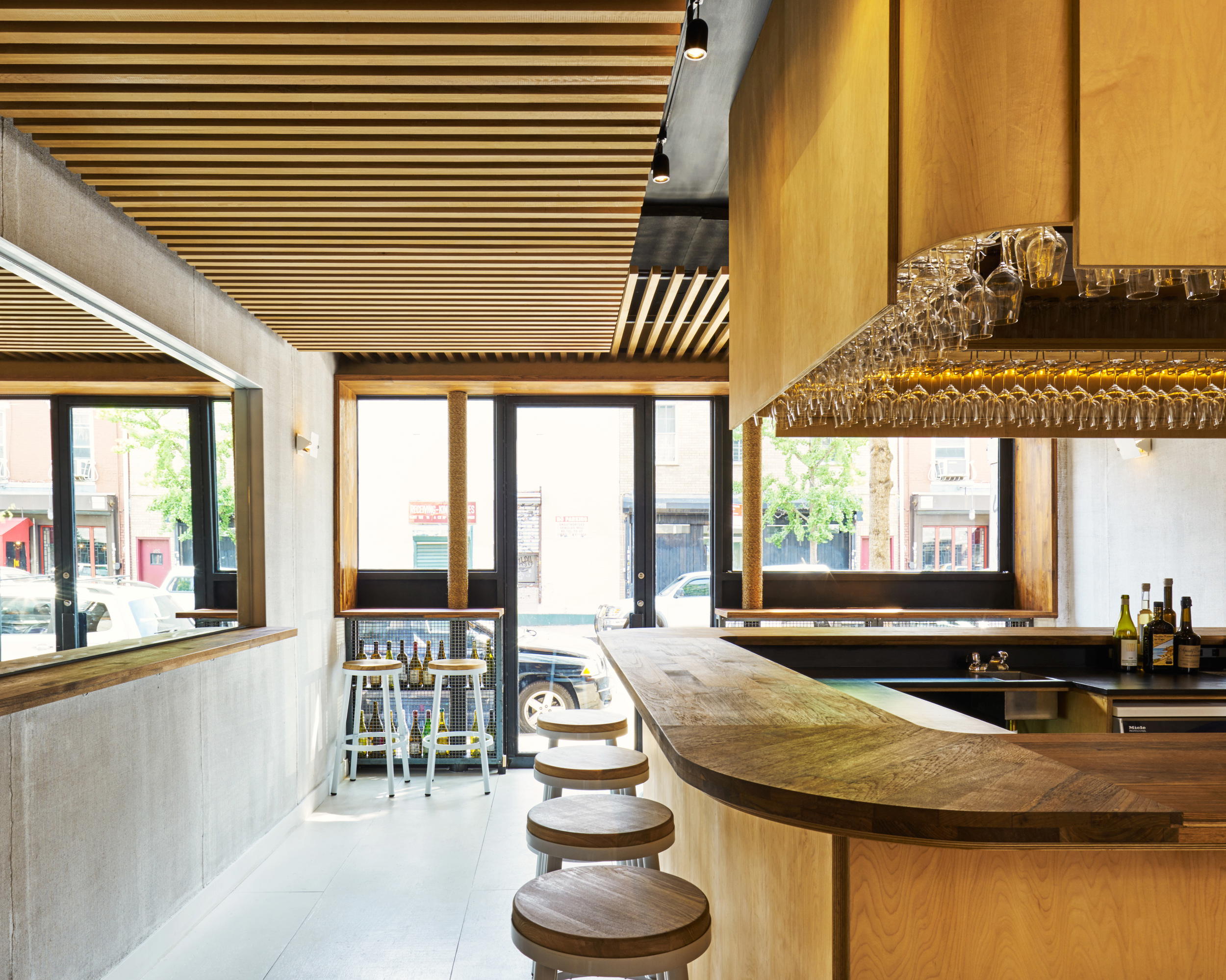
Bars in New York City
Browse all →
Hotels in New York City
Browse all →






At a Glance
- Modern
- Cozy
- Trendy
- Intimate
- Sophisticated
- Casual Hangout
- Date Night
- Group Dining
- After Work
- Celebration
- Design Destination
- Standalone
- Craft Cocktails
- Extensive Wine List
- Sommelier Led
- Street Scene
Current opening hours
- Monday
- Closed
- Tuesday
- Closed
- Wednesday
- 5:30–9:30 PM
- Thursday
- 5:30–9:30 PM
- Friday
- 5–10 PM
- Saturday
- 5–10 PM
- Sunday
- 5–9:30 PM
Hours can change for holidays and private events. Last verified .
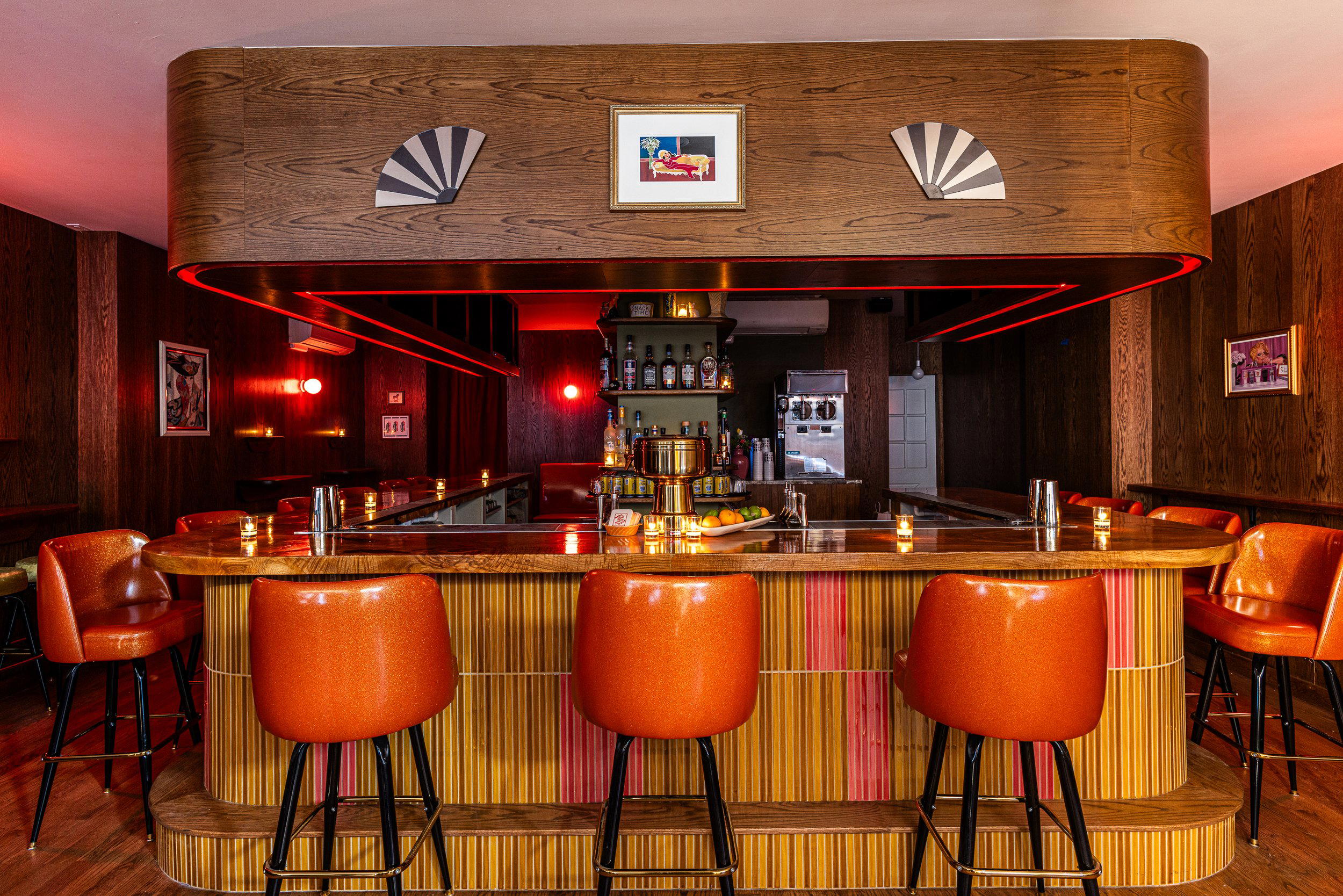
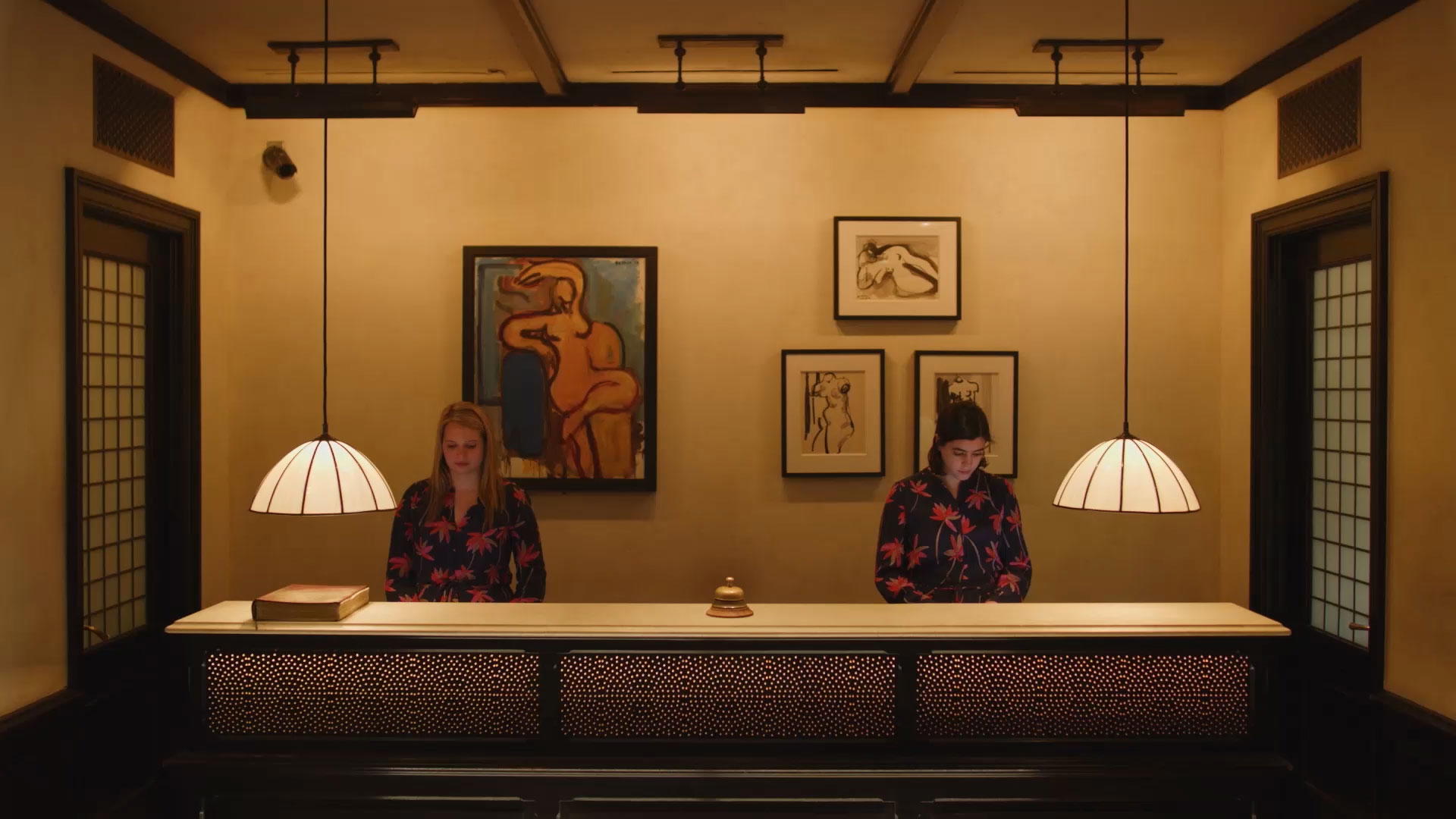
Warm, design-forward, and lingering-friendly, with wood accents, white linens, black-and-white photography, and a laid-back tavern feel.