At West Portal's quieter end, Tur serves Asian-flavored breakfast and brunch with Thai-style congee at the center of the menu. In a San Francisco dining scene dominated by high-concept tasting menus, this neighborhood spot anchors itself in something older and more considered: the slow-cooked rice pot as morning ritual. For visitors and locals who know to look beyond the city's headline restaurants, it represents a different kind of precision.
Pearl is the En Primeur Club membership app — saves, bookings, and concierge access live there. Same editors, same standards.
- Address
- 1 W Portal Ave, San Francisco, CA 94127
- Directions
- Get directions
 Saves & bookings on Pearl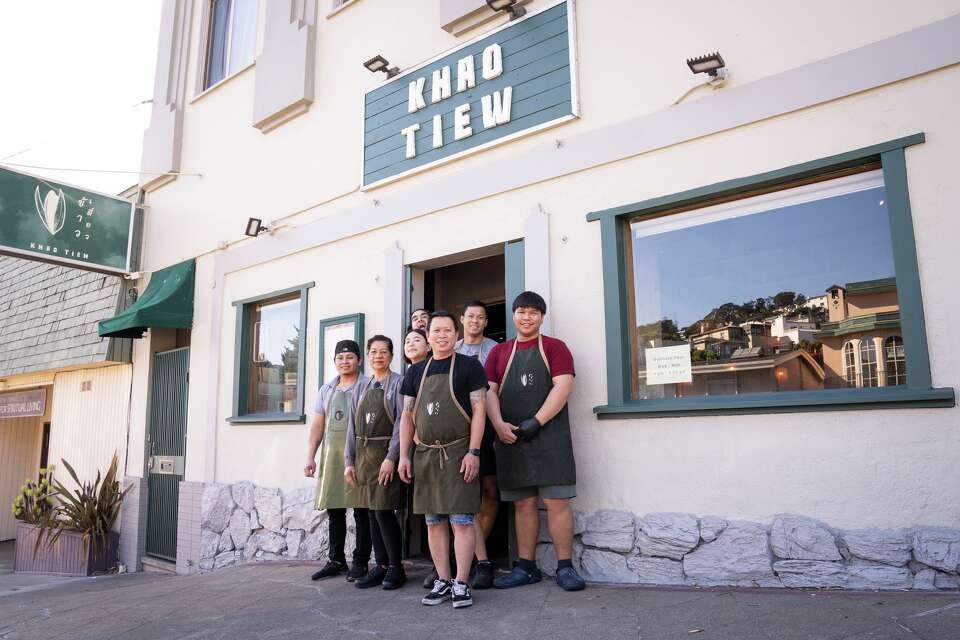
West Portal and the Case for the Rice Bowl at Breakfast
Tur is a Thai brunch restaurant in San Francisco, at 1 W Portal Ave, with a casual dress code and recommended reservations. San Francisco's dining conversation tends to gravitate toward a familiar cluster of fine-dining addresses. The city's Michelin-decorated rooms, from the French-Chinese synthesis at Benu to the poetic modernism of Atelier Crenn, command the critical oxygen. But the city's more instructive dining moments have always happened at smaller scale, in neighborhoods where the food answers a practical question rather than an aesthetic one. West Portal, a low-key commercial strip at the outer edge of the Twin Peaks tunnel, has never been a destination dining quarter. That is, in part, what makes Tur legible. The restaurant sits at 1 West Portal Avenue, a corner address that sees morning foot traffic from commuters and weekend families rather than reservation-holders who have planned months ahead.
At this end of the market, the relevant comparison is not Lazy Bear or Quince. It is every other brunch spot in the city that defaults to avocado toast and eggs Benedict. Tur makes a different argument: that the Asian breakfast tradition, specifically the Thai-style congee format, is a more honest and more nourishing way to start a day than the Western brunch template that has calcified across American cities over the past two decades.
Rice as the Point, Not the Background
Thai-style congee occupies a specific place in Southeast Asian food culture that Western diners often misread on first encounter. Unlike the thick Cantonese jook, Thai congee, known as khao tom, is typically a lighter, more broth-forward preparation: jasmine rice cooked long and slow until the grains open into a silky, almost ethereal texture, served in a clear or lightly seasoned broth and finished with a careful arrangement of toppings. The rice is not a vehicle. It is the dish. This distinction matters enormously to how the food should be read.
In Thai households and street-food culture, congee is morning food in essential sense. It is restorative, warm, and deliberately plain enough that the toppings, whether ginger, scallion, soft-boiled egg, minced pork, or crispy garlic, register as distinct flavors rather than blurring into a composite. The technique prizes the quality of the rice itself. Jasmine rice, with its floral aromatics and slightly sticky cooked texture, is the variety that defines the dish in its Thai context. When properly prepared, it carries fragrance even after extended cooking, a quality that lower-grade long-grain rice loses quickly.
Across American cities, Thai-inflected breakfast formats have gained traction in the past five to seven years as chefs trained in or deeply familiar with Southeast Asian traditions have pushed the category beyond the pad Thai and green curry shorthand. Cities like Los Angeles and New York have seen a wave of morning formats built around rice porridge, often drawing on Thai, Chinese, and Japanese traditions simultaneously. San Francisco, with its significant Asian-American population and historically deep connections to both Chinese and Southeast Asian food cultures, is a natural setting for a congee-forward breakfast program. Tur arrives in that context, placing Thai-style preparation at the center of its offer rather than as one item among many.
The Neighborhood as Frame
West Portal functions differently from the Mission, the Richmond, or Hayes Valley as a dining neighborhood. It draws primarily from its immediate residential catchment: families, older locals, and the sort of regular who returns to the same table on the same morning of each week. For a restaurant operating in this mode, the food needs to work not as a single occasion but as something sustainable across repetition. Congee's built-in versatility, the way variations in toppings and broth seasoning can make the base feel different each visit, suits this model well.
The broader San Francisco dining scene tends to cluster its energy in a handful of neighborhoods. West Portal's relative quiet is not a weakness. It is a different kind of proposition, one that positions Tur outside the weekend-brunch scrum that defines spots in more heavily trafficked quarters.
Asian Breakfast Formats in American Fine Dining Context
It is worth placing the congee tradition against the wider American fine-dining frame. Restaurants like Saison have built reputations on precise, produce-led California cooking at high price points. Operations like Single Thread Farm in Healdsburg draw on Japanese kaiseki structure to organize their menus. The common thread across these rooms is attention to a primary ingredient or technique around which everything else is organized. Congee, at its leading, works by the same logic: the rice is the discipline, and everything else is in service to it.
That framing connects Tur to a longer tradition of ingredient-first cooking that runs through establishments as different as Blue Hill at Stone Barns in Tarrytown and The French Laundry in Napa, even if the price points and ambitions are entirely different. The underlying argument, that discipline around a central element produces better food than eclecticism, is the same.
Across the United States, restaurants that have built strong identities around a specific Asian food tradition, including Atomix in New York City at the fine-dining end of the Korean spectrum, or Providence in Los Angeles for its Pacific Rim sourcing approach, have demonstrated that specificity generates loyalty. The congee format, operating at neighborhood rather than destination scale, applies the same principle to a morning meal.
Planning a Visit
Tur is located at 1 West Portal Avenue, accessible via the Muni Metro K, L, or M lines, which stop directly at West Portal station. For visitors staying in central San Francisco, the ride from downtown takes roughly fifteen minutes. The West Portal neighborhood itself is compact and walkable, with the restaurant sitting at the primary commercial intersection. Reservations are recommended, particularly on weekend mornings when neighborhood foot traffic increases. Compared to the city's high-end tasting-menu rooms such as Benu or the multi-course progressive formats at Lazy Bear, Alinea in Chicago, or Emeril's in New Orleans, Tur operates in a different register entirely, one where the meal is measured in minutes rather than hours and the value question is answered by the quality of the bowl rather than the choreography of the service.
Side-by-Side Snapshot
Comparable venues nearby, for context on price, style, and recognition.
| Venue | Cuisine | Price | Notes |
|---|---|---|---|
| TurThis venue — the venue you are viewing | Thai Brunch | $$$ | Not listed |
| Marnee Thai Restaurant | Authentic Thai | $$ | Inner Sunset |
| Oraan Thai | Modern Thai | $$ | Inner Richmond |
| Hawker Fare | Modern Isaan Thai Street Food | $$ | Mission Dolores |
| Arlette | Dining | $$$ | Embarcadero |
| Ka Kai | Northern Thai | $$$ | Castro |
Continue exploring
More in San Francisco
Restaurants in San Francisco
Browse all →
Bars in San Francisco
Browse all →
Hotels in San Francisco
Browse all →


At a Glance
- Trendy
- Brunch
- Standalone
Beach-themed atmosphere evoking a relaxed daytime vibe.