Ka Kai
Ka Kai brings Northern Thai cooking to San Francisco at a moment when the city's appetite for regional specificity has never been sharper. Where much of the Bay Area's Thai dining defaults to a pan-regional repertoire, Ka Kai holds a narrower, more demanding line, one rooted in the herb-forward, fermented, and slow-cooked traditions of Thailand's north. A focused choice for the serious eater.
Pearl is the En Primeur Club membership app — saves, bookings, and concierge access live there. Same editors, same standards.
- Address
- San Francisco, United States
- Website
- kakaisf.com
 Saves & bookings on Pearl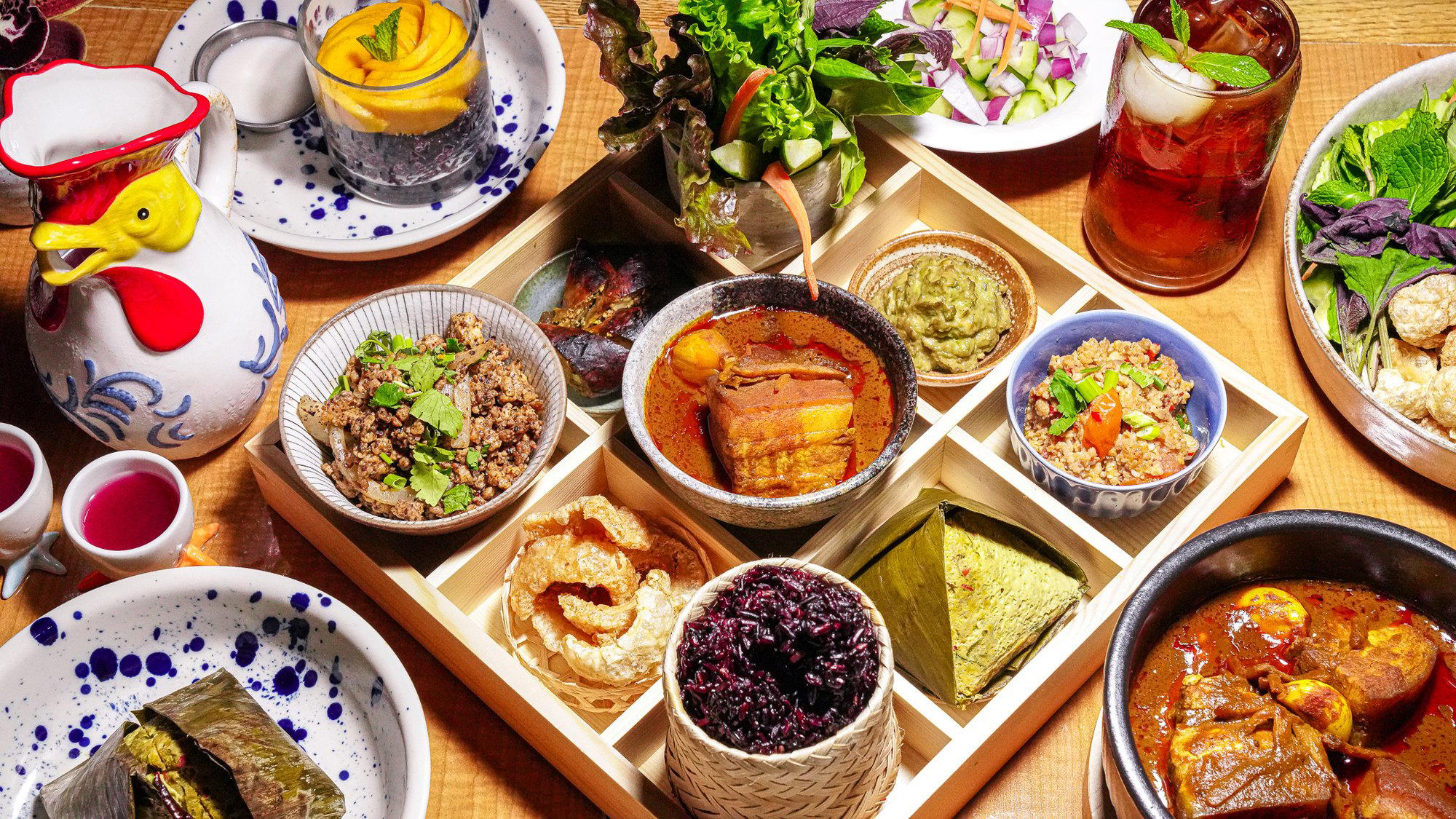
Where Northern Thai Cooking Finds Its Footing in the Bay Area
San Francisco's dining scene has spent the better part of a decade sorting itself into tighter and tighter niches. The broad-category restaurant, Italian, French, Thai, has given way to something more granular: a Ligurian fish counter, an Isaan street-food specialist, a Cantonese roast-meat house that does nothing else. Ka Kai is a Northern Thai restaurant in San Francisco, with a price point around $75 per person.
That specificity matters more in San Francisco than it might in other American cities. The Bay Area diner has been trained by years of exposure to hyper-regional Japanese, deeply sourced Californian, and technically exacting tasting menus, from Benu's French-Chinese precision to Atelier Crenn's poetic French framework, to ask what region, what season, what producer. Ka Kai meets that question with a direct answer.
What Northern Thai Cooking Actually Means on the Plate
Northern Thai cuisine, centered historically on Chiang Mai and the surrounding highland provinces, is defined by a set of conditions quite different from the south and center of the country. The mountainous terrain, cooler climate, and proximity to Myanmar, Laos, and Yunnan province in China have shaped a pantry heavy on fermented pastes, dried chilies, fresh herbs like dill and sawtooth coriander, and preserved proteins. Sticky rice is the staple, not jasmine. Pork and river fish appear far more frequently than seafood. The heat tends to be dry and aromatic rather than the bright, acidic burn of southern Thai cooking.
For context on what this tradition looks like at its source, Busarin Cuisine in Chiang Mai and Khao Soi Thai Yai in Udon Thani represent the regional benchmark in situ. Bringing that tradition to San Francisco requires both ingredient sourcing discipline and a willingness to resist adaptation for the crowd.
The ingredient question is not trivial. Several of the flavor anchors of Northern Thai cooking, prik num, naem, and tua nao, can be difficult to source in the United States with the quality and freshness they require. Restaurants committed to this cuisine either cultivate relationships with specialty importers and local growers who can supply Thai herbs and produce, or they make substitutions that quietly hollow out the cooking. The degree to which Ka Kai resolves this tension is central to its value proposition.
Ka Kai in the Context of San Francisco's Thai Dining
Thai food in San Francisco has historically occupied a middle register: affordable, approachable, rarely pushing into the kind of regional depth that the city's Japanese or Chinese dining scenes have achieved. That pattern has begun to shift as a new generation of Thai-American operators has arrived with more specific regional ambitions. Ka Kai belongs to that current.
Its competitive frame is not the city's $$$$ tasting-menu tier, the world occupied by Lazy Bear, Quince, or Saison, but rather the growing cohort of mid-market specialists who have built reputations on category depth and sourcing integrity rather than production scale or tasting-menu format. The closest structural analogues in other American cities would be the ingredient-obsessed regional specialists: Smyth in Chicago or Blue Hill at Stone Barns, which made sourcing itself the editorial center of the dining experience. Ka Kai's version of that argument is made through a different cuisine, but the underlying bet is the same: that where food comes from is as interesting as what is done to it.
Across the broader American fine-dining conversation, sourcing-led restaurants have carved out durable positions. Single Thread Farm in Healdsburg built its reputation around an integrated farm-to-table system. Providence in Los Angeles anchored itself in sustainable seafood sourcing. The French Laundry in Napa famously maintains its own kitchen garden. The pattern holds: diners at this end of the market increasingly want to know the provenance of what is in front of them. Northern Thai cooking, with its reliance on fermented, dried, and foraged ingredients that carry visible regional identity, is a natural fit for this appetite.
Why the Regional Specificity Holds
One of the more useful tests for any regional specialist is whether the menu could plausibly be served at a generic version of the same cuisine category. A khao soi that uses properly made egg noodles, a paste built from dried chilies and aromatics rather than a commercial blend, and a broth with real depth from long-cooked chicken will taste categorically different from a fast-casual approximation. The same logic applies to laab khua, the dry-fried, organ-inclusive minced meat salads of the north, or to sai ua, the herbal pork sausage that is one of the region's most immediately identifiable dishes. These are not dishes that survive half-measures in sourcing or technique.
For diners who have eaten in Chiang Mai or spent time with Northern Thai cooking in its home context, the test is almost immediate: the fermented notes, the specific heat profile, the role of fresh herbs as structure rather than garnish. For those encountering the tradition for the first time, Ka Kai offers an entry point that the broader Bay Area Thai scene has not consistently provided.
The city's wider dining context, the same environment that supports multiple serious Japanese counters, a thriving Californian wine culture linked to restaurants like Frasca Food and Wine in Boulder in spirit if not geography, and ambitious format experiments like those found at Addison in San Diego or The Inn at Little Washington, has demonstrated an appetite for the specific over the general. Ka Kai draws from that same cultural current.
Know Before You Go
- Cuisine: Northern Thai, specifically the highland regional tradition centered on Chiang Mai
- Price range: $75 per person
- Booking: Reservations are recommended
- Context: Compares to regional Thai specialists rather than the city's broader Thai mid-market
A Pricing-First Comparison
Comparable venues nearby, for context on price, style, and recognition.
| Venue | Cuisine | Price | Notes |
|---|---|---|---|
| Ka KaiThis venue — the venue you are viewing | Castro, Northern Thai | $$$ | Not listed |
| Tur | West of Twin Peaks, Thai Brunch | $$$ | Not listed |
| Farmhouse Kitchen Thai Cuisine | Mission, Northern Thai Street Food | $$$ | Not listed |
| CIAORIGATO | Tenderloin, Italian-Japanese Fusion | $$$ | Not listed |
| XICA | Not listed | $$$ | Financial District/South Beach, Gluten-Free Chicana Mexican |
| BANGKOK STREET Thai Street Food | Pacific Heights, Thai Street Food | $$ | Not listed |
Continue exploring
More in San Francisco
Restaurants in San Francisco
Browse all →
Bars in San Francisco
Browse all →
Hotels in San Francisco
Browse all →

Wineries in San Francisco
Browse all →
At a Glance
- Lively
- Trendy
- Casual Hangout
- Open Kitchen
- Craft Cocktails
Charming and casual atmosphere ideal for weeknight dinners.