Our verdict
Tu Tamo sits in the hilltop village of Mošćenice, one of the Kvarner coast's most quietly preserved medieval settlements. The kitchen draws from the immediate terrain and sea below, placing it within a Croatian tradition that prizes proximity over spectacle. For those tracing the Istrian and Kvarner dining circuit, it represents a grounded counterpoint to the region's more formal fine-dining addresses.

Pearl is the En Primeur Club membership app, where members save venues, book tables and use the concierge.

Stone Villages and What They Put on the Table
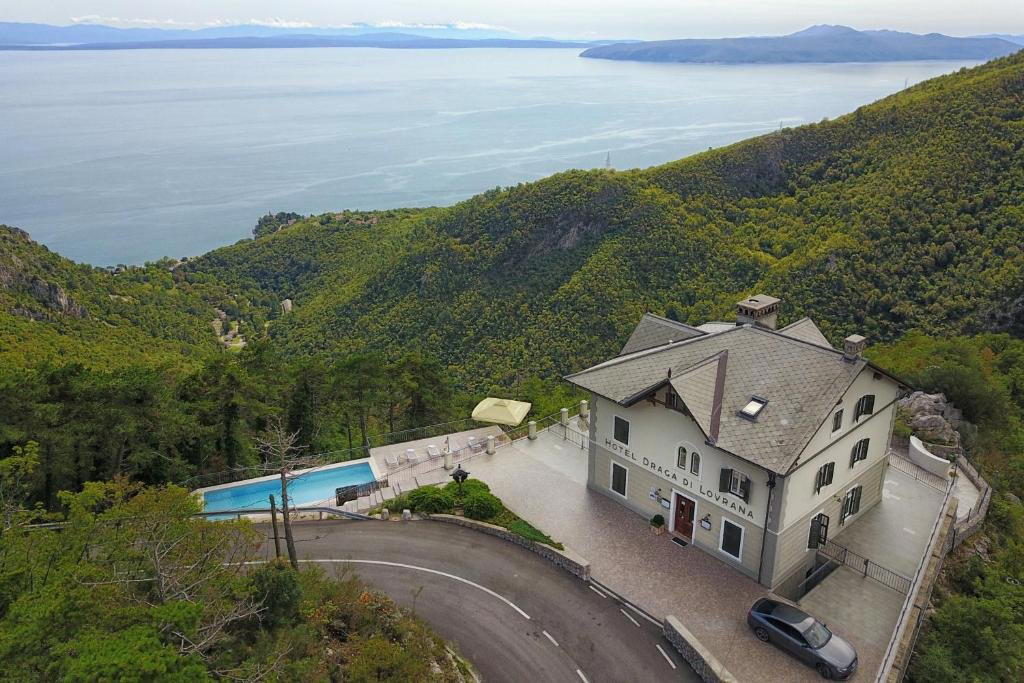
Mošćenice occupies a ridge above the Kvarner Gulf with the kind of unobstructed views that coastal Croatia delivers without ceremony. The village itself is medieval in structure: narrow passages, stacked limestone, a belltower that predates the tourist era by several centuries. Arriving here requires intention. There is no arterial road that deposits you at the door, and the settlement sits above the main coastal route on the Mošćenička Draga side of the Učka massif. That physical remove is not incidental to what Tu Tamo represents as a dining address. In Croatian coastal cooking, geography and sourcing are rarely separable, and restaurants that sit within working villages rather than resort zones tend to reflect that connection more directly.
The Kvarner Gulf has been producing serious seafood cooking for decades, anchored by the bay's mix of current patterns and relatively clean water that sustains both shellfish and pelagic fish populations. Villages like Mošćenice have historically fed themselves from what the sea and the terraced hillside gardens above it could provide: olive oil pressed locally, figs and wild herbs from the slopes, fish landed at Mošćenička Draga below. The kitchen at Tu Tamo operates within that tradition, drawing on a region where the gap between field or sea and plate has historically been measured in hours rather than supply-chain days. For context on what Croatian cooking at the serious end of the spectrum looks like when that proximity is formalised into tasting menus and wine programs, Pelegrini in Sibenik and Restaurant 360 in Dubrovnik represent the benchmark at the €€€€ tier. Tu Tamo operates at a different register, one closer to the village trattoria model than the modernist tasting counter.
Ingredient Sourcing as the Argument
The broader pattern across Kvarner and Istrian dining is that the most credible kitchens in smaller settlements source within a radius that maps almost directly to what the surrounding landscape produces well. In this part of Croatia, that means lamb from the Učka foothills, olive oil from terraces that have been cultivated since Venetian administration, wild asparagus in spring, truffles edging south from Istrian territory, and Adriatic fish in whatever the season makes plentiful. The distinction between a kitchen that works this way and one that performs the idea of local sourcing is usually visible in the simplicity of the menu structure: fewer preparations, shorter lists, a reluctance to mask primary ingredients behind elaborate technique.
This is the cooking tradition that a village address in Mošćenice places a restaurant within, and it is a meaningful one. The Kvarner coast has been slower than Istria to attract international critical attention, which means its leading small kitchens have developed without the pressure to adapt their sourcing toward what external critics expect. Comparable dynamics are visible at Burin in Crikvenica and Cubo in Opatija, both addresses working the Kvarner corridor where local product and Adriatic cooking traditions converge. For those following the Croatian coastal circuit more broadly, Nebo by Deni Srdoč in Rijeka demonstrates what happens when Kvarner sourcing is applied to a more formally structured kitchen.
Where Tu Tamo Sits in the Regional Picture
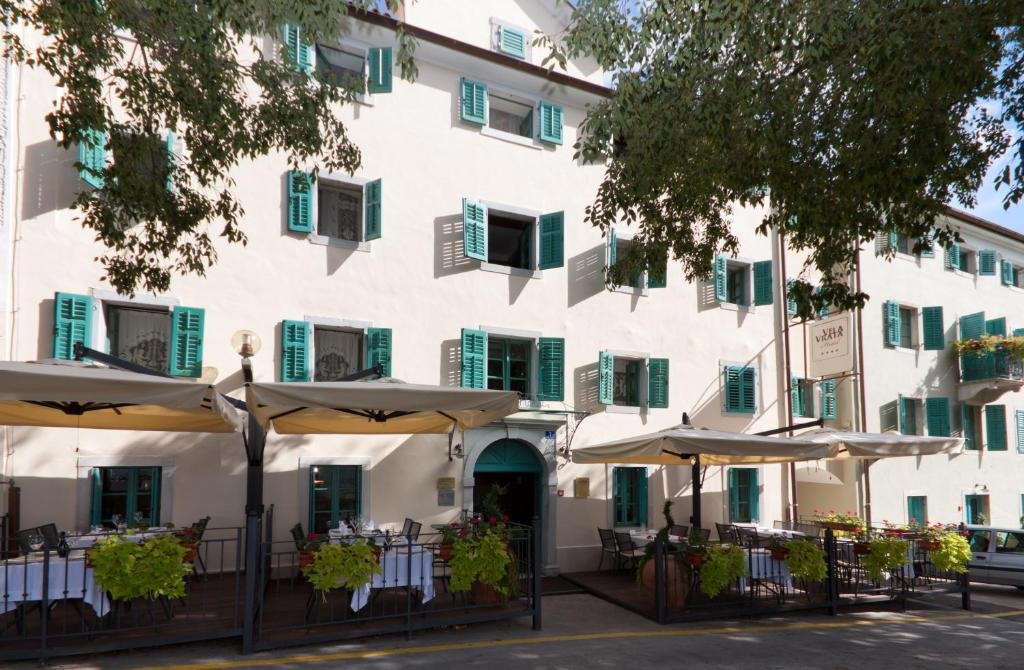
Croatia's dining scene has fragmented into distinct tiers over the past decade. At one end sit Michelin-recognised addresses like Agli Amici Rovinj and Boskinac in Novalja, which operate ambitious tasting programs with wine lists built around regional and international producers. At the other end, a set of smaller village and coastal restaurants continue working a more direct, produce-led register without the infrastructure of the fine-dining tier. Tu Tamo belongs to that second category: a Mošćenice address that functions within the rhythms of a working hilltop village rather than as a destination in the resort sense.
That positioning matters for managing expectations. Visitors who arrive from the Opatija Riviera or after a night at one of the Kvarner hotel properties may find the setting and format deliberately unpretentious. This is not a kitchen making a point about restraint as philosophy; it is a village restaurant working with what the immediate context provides. The analogy that holds across Croatian coastal dining is that the leading small addresses in non-resort villages tend to offer better raw material and less diluted cooking than larger competitors in peak-season tourist centres. The tradeoff is less predictability in terms of hours, availability, and menu consistency. For those who have read our full Mošćenice restaurants guide, Tu Tamo appears as part of a thin but considered local dining picture.
Planning a Visit
Mošćenice is accessible by road from Opatija in under thirty minutes under normal traffic conditions, making it a feasible lunch or dinner detour from the Riviera strip. The village is compact enough that parking requires leaving vehicles below and walking up; arriving on foot from Mošćenička Draga via the old stone path is the more direct route from the waterfront below. Given the venue's position in a small settlement with limited alternative options, confirming opening days before arrival is advisable, particularly outside the summer season when village restaurants along this coast reduce hours or close entirely. The Alfred Keller in Mali Lošinj and LD Restaurant in Korčula are worth considering for those building a broader Croatian island and coast itinerary where booking infrastructure is more established. Inland comparisons for those also covering continental Croatia include Dubravkin Put in Zagreb, Korak in Jastrebarsko, and Cantilly Garden Restaurant in Samobor. For Dalmatian island cooking in a more produce-focused format, BioMania Bistro Bol and Bodulo in Pag both work the same ingredient-first logic from different island contexts. Those extending the journey internationally might note that the sourcing discipline visible in Croatia's leading village kitchens finds a different but related expression at Le Bernardin in New York City and at Atomix, where ingredient provenance is also central to the kitchen's identity, though at a significantly different scale and formality. Krug in Split rounds out the Dalmatian coastal picture for those comparing Adriatic cooking across the country's different coastline segments.
Frequently asked questions
Is Tu Tamo okay with children?
Mošćenice is a small ridge village with narrow stone lanes, so arriving with young children requires some planning around the physical setting rather than the restaurant itself. Tu Tamo sits at Mošćenice 50, which means guests walk through the old village core to reach it. No specific children's menu or policy is documented for Tu Tamo, so contacting them directly before visiting with younger guests is the practical approach.
Is Tu Tamo better for a quiet night or a lively one?
Mošćenice is a hilltop village above the Kvarner Gulf with a small resident population, which sets the ambient register from the outset: this is not a destination for a loud table. The village setting at Mošćenice 50 points toward the kind of meal where the conversation carries rather than competes with the room. Guests seeking energy and crowd density are better served by Opatija, roughly thirty minutes by road.
Is Tu Tamo worth the drive from Opatija for a standalone meal?
Mošćenice is accessible from Opatija in under thirty minutes under normal traffic conditions, which puts Tu Tamo within range as a lunch or dinner detour rather than a full-day commitment. The village sits on a ridge with unobstructed views over the Kvarner Gulf, making the drive itself part of the case for going. No Michelin recognition or formal award is currently documented for Tu Tamo, so the argument rests on the regional sourcing pattern and the setting rather than third-party validation.
What's the must-try dish at Tu Tamo?
What is established about the broader Kvarner and Istrian dining pattern is that credible kitchens in smaller settlements like Mošćenice draw on local seafood from the gulf and seasonal produce sourced within a tight radius. Asking the kitchen directly what is freshest on the day is the reliable approach here.
Comparable Spots, Quickly
Comparable venues nearby, for context on price, style, and recognition.
| Venue | Cuisine | Price | Notes |
|---|---|---|---|
| Tu TamoThis venue (the venue you are viewing) | Mediterranean Seafood | Not listed | Not listed |
| Maestral | Mediterranean Seafood Grill | $20–30 | Rovinj Waterfront |
| Orlandin | Seafood Grill | $20–30 | Montraker |
| Žal | Croatian Seafood & Mediterranean | Not listed | Klimno |
| EL-NIRO,Seafood Restaurant | Croatian Seafood | $20–30 | Rovinj Old Town |
| Lovranska Vrata | Fresh Seafood & Croatian Mediterranean | Not listed | Stari Grad |
Continue exploring
More in Moscenice
Restaurants in Moscenice
All restaurants in Moscenice →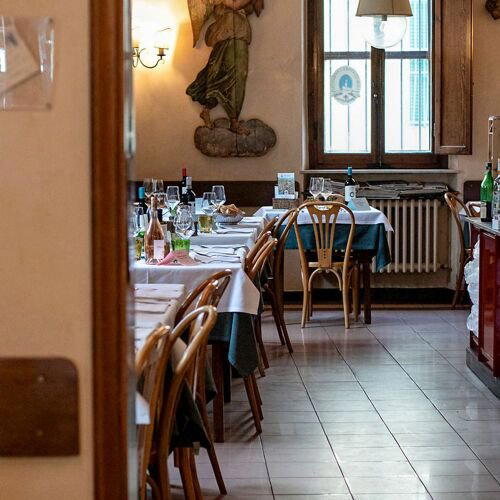


Details
- Romantic
- Cozy
- Intimate
- Scenic
- Date Night
- Special Occasion
- Terrace
- Panoramic View
- Extensive Wine List
- Local Sourcing
- Waterfront
- A La Carte
- Vegetarian Friendly
Current opening hours
- Monday
- Closed
- Tuesday
- Closed
- Wednesday
- 1–10 PM
- Thursday
- 1–10 PM
- Friday
- 1–10 PM
- Saturday
- 1–10 PM
- Sunday
- 12–8 PM
Hours can change for holidays and private events. Hours as of .
Pleasant homely atmosphere with warm lighting on a terrace overlooking the sea, creating an intimate and private dining experience.